
Reviewed · LITTLE AFRICA WALKS
Hiking in Little Africa
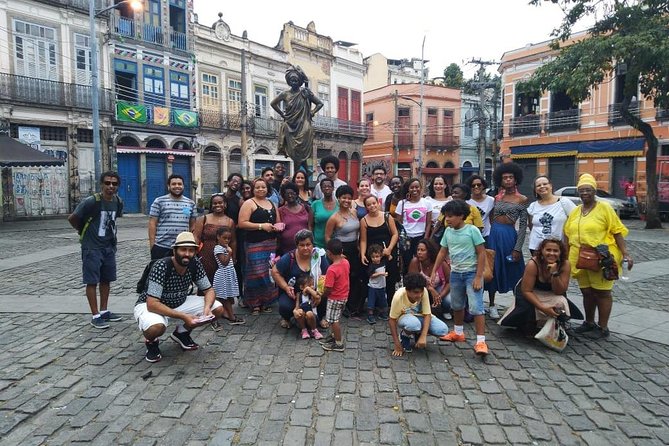
Little Africa tells Rio’s real origin story. This guided walk strings together key sites in Saúde, Gamboa, and Centro so you can see how Afro-Brazilian culture shaped the city, not just the famous postcards. You follow the physical thread of neighborhoods and the cultural thread of history, from the Pretos Novos cemetery discovery to places tied to Rio’s samba roots.
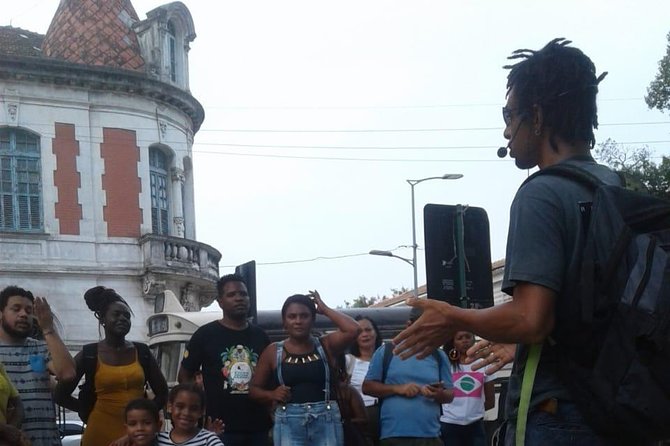
I especially love how Wellington keeps the route focused and human, with explanations that feel clear instead of like a lecture. I also like that the tour ends in an area where you can keep living the experience, not just ticking boxes, with typical Afro-brasileira restaurants and bars nearby.
One drawback to weigh: the itinerary is weather-dependent and involves several walking segments outdoors, so plan for solid walking shoes and a flexible mood if rain rolls in. There’s also been at least one report of a no-show in the past, so double-check timing the day of your tour to avoid surprises.
In This Review
- Key Things To Know Before You Go
- Little Africa On Foot, From Saúde to Centro
- Entering The Saúde District: Pretos Novos, Afro-Brazilian Art, and Valongo Pier
- Gamboa and the Hanging Garden: Whitening the City, Morro da Conceição
- Pedra do Sal: The Cradle of Rio Samba
- Igreja de São Francisco da Prainha: Finish With Afro-Brasileira Food Nearby
- What You Get For the Price, and Why It Feels Worth It
- Meeting Points and How to Plan Your Timing
- Who This Tour Suits Best
- A Final Decision: Should You Book This Little Africa Hike?
Key Things To Know Before You Go
- A private walking route through Little Africa, only your group
- Wellington as your guide, with real energy and a knack for explaining the Afro-Brazilian story
- Free entry stops at each main site listed on the route
- UNESCO World Heritage context around Valongo Pier, tied to the history of forced arrival by sea
- Samba roots at Pedra do Sal, including why this spot matters beyond music trivia
- Finish near Prainha food, so you can eat like a local right after the walk
More walks through Little Africa:
- Discover Rio Little Africa: A Cultural and Historical Journey
★ 5.0 · 238 reviews - Rio de Janeiro: Little Africa Heritage Walking Tour
★ 4.9 · 177 reviews - Explore Little Africa : Unveiling Afro Heritage in Rio de Janeiro
★ 5.0 · 97 reviews - 2 in 1: Private Favela & Little Africa- The Full African History!
★ 5.0 · 21 reviews
Little Africa On Foot, From Saúde to Centro
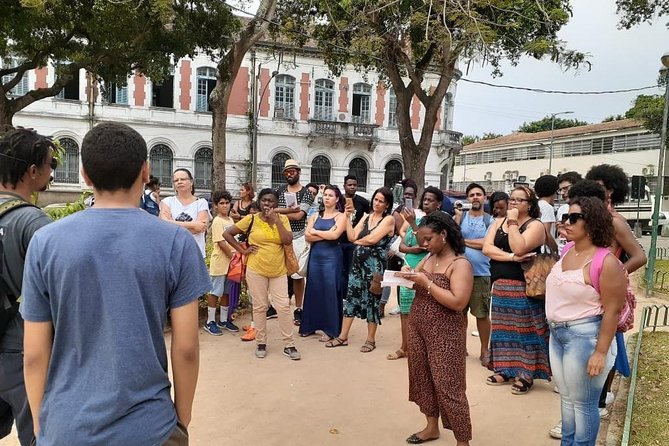
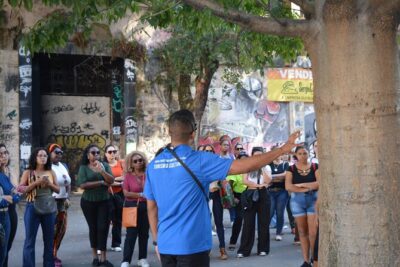
This is one of those tours where the “where” matters as much as the “what.” Rio’s Afro-Brazilian story is not stuck in a museum room. It lives in port history, neighborhood names, plazas, churches, and street corners where music and community grew. On this hike, you follow that story in a practical sequence, moving from Saúde toward Gamboa and then down into Centro.
Price-wise, it lands around $54.93 per person for about 2 to 4 hours. That’s not a souvenir bargain, but it is good value if you want context you can’t easily piece together on your own. The payoff is a guided route with a clear narrative arc, especially if your Rio time is limited and you want more than the usual highlights.
The tour runs in English, uses a mobile ticket, and is offered as a private tour/activity for your group. The start and end points are different, which is ideal if you want to finish near a central area instead of backtracking.
Entering The Saúde District: Pretos Novos, Afro-Brazilian Art, and Valongo Pier
The route begins in Saúde, often described as the Health District area, and it’s a smart starting choice. This part of Rio sets the tone: you’re not only seeing sites, you’re understanding how the city formed around arrival, survival, and culture.
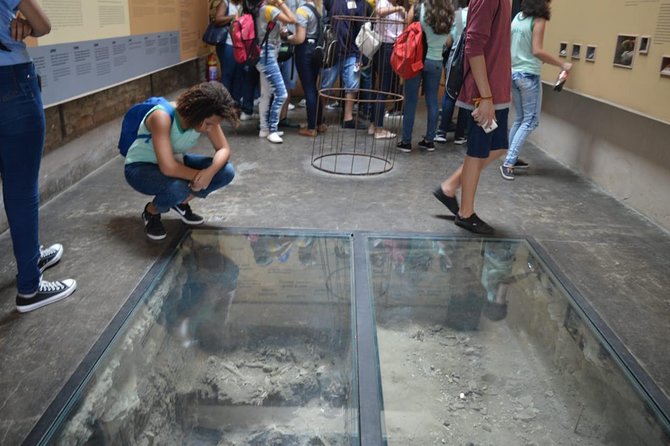
As you walk, you pass through Harmony Square, then head to Museos dos Pretos Novos, where a clandestine black enslaved cemetery was found. This is one of the route’s most serious stops. The point is not to make it dramatic. The point is to show you how places of burial and remembrance are woven into the city’s physical fabric, even when the wider tourist picture ignores them.
Next, you visit the Museu de Arte e Cultura Afrobrasileira. This matters because it balances the harder themes with cultural creativity. Art and culture are not an add-on here. They are part of how Afro-Brazilian communities carried identity forward.
Then you reach the pier of Valongo, tied to the history of forced arrival of enslaved people by sea. The tour includes context that in 2016, Valongo was recognized as a UNESCO World Heritage site, compared in the tour framing to other globally recognized memorial sites such as Auschwitz and Hiroshima. Whether you come to this with prior knowledge or not, the emphasis is the same: this is history that the world has formally chosen to remember.
What I like about this block of the tour is pacing. You get a “place-based” narrative rather than random sightseeing. You also get free admission at the listed stops, so you can spend more energy on the walking and listening instead of budgeting ticket after ticket.
A consideration: since this is heavier content, it helps to bring emotional patience. You’re going to hear about slavery and forced arrival. If you prefer only light cultural stops, this first stretch may feel intense.
Gamboa and the Hanging Garden: Whitening the City, Morro da Conceição
After Saúde, the tour moves into Gamboa, and the vibe shifts in a useful way. You’re still in the same overall story, but now you’re looking at how city planning and power shaped everyday life.
One of the featured stops is the Hanging Garden. The tour connects it to the process of whitening the city, which points to a painful theme in Rio’s urban and racial history. It’s the kind of topic that you can miss completely if you only follow beaches and famous viewpoints. Here, the “garden” is not just a pretty label. It becomes part of a larger discussion about who the city tried to be and who it tried to erase or replace.
From there, you go to Morro da Conceição, described as a place that delimits the City Center with the suburb of Rio de Janeiro. That framing is important. It helps you understand neighborhoods not as isolated areas, but as edges where different social realities meet. This is one of those moments where a guided explanation turns a hillside into something meaningful for orientation.
This segment lasts about an hour at the pace described. The walking is manageable for most people, and because the tour is private, your guide can usually adapt if your group needs an extra pause.
Pedra do Sal: The Cradle of Rio Samba
The next stop is Pedra do Sal, and if you like music, this is where the tour becomes especially memorable. The spot is framed as the cradle of Rio de Janeiro’s Samba, with an immense historical collection.
Even if you think you already know samba in broad strokes, this kind of stop usually changes your understanding. Samba is not treated as a genre floating in the air. You’re taught to see it as a community practice that grew from specific places, specific histories, and specific people.
This stop is shorter, around 30 minutes, and it works well. It gives you enough time to absorb the significance without dragging the pace. You can also use this moment to ask questions, since the guide has built trust with the group by this point.
Practical tip: if you’re carrying a phone for photos, make sure it’s ready before you arrive. Pedra do Sal is the kind of stop where you’ll want to capture details while the explanation is fresh.
Igreja de São Francisco da Prainha: Finish With Afro-Brasileira Food Nearby
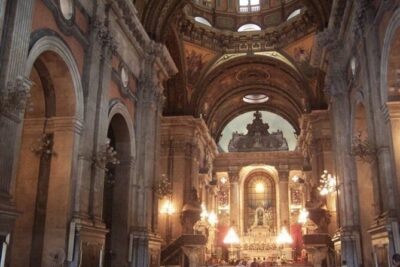
The tour ends at Igreja de Sao Francisco da Prainha, at Largo São Francisco da Prainha. The route calls this a finishing point with great restaurants and bars of typical Afro-brasileira food nearby.
This is a smart ending, because you get a transition from learning into living. After walking through history, it feels natural to eat and people-watch in the neighborhood where community culture continues today. You’ll be closer to a place where you can loosen up, reflect, and make a plan for the rest of your evening.
The stop is about 30 minutes, which is enough to wrap up the narrative. Then you’re on your own to explore food options in the area.
One thing to consider: the end point is in a lively zone, so keep your personal items secure and stay aware of your surroundings, especially if you plan to linger for dinner.
More Rio trails worth the boots:
- Rio de Janeiro Tijuca Rainforest Hike with Waterfalls and Caves★ 5.0 · 1,082 reviews
- Explore the Best of Tijuca Forest – Hike to Peaks, Caves & Falls★ 5.0 · 713 reviews
- Rio: Tijuca Forest Small Group Hike to Caves and Waterfalls★ 4.9 · 536 reviews
- Pedra da Gávea hike, your best experience in Rio★ 5.0 · 476 reviews
- Pedra do Telégrafo Hike and Beach Full-Day Tour★ 4.5 · 417 reviews
What You Get For the Price, and Why It Feels Worth It
At $54.93 per person for roughly 2 to 4 hours, this tour sits in a sweet spot for value. You’re not paying for a long bus ride or a long schedule. You’re paying for a guided walking experience tied to specific, meaningful locations.
The strongest reason it feels worth it is the guide. In the feedback, Wellington stands out for matching flexibility with knowledge. People described his ability to accommodate tight schedules, and to adapt when timing got shorter due to events like Carnival, including offering additional things to see instead of just rushing everyone out.
That flexibility is a practical advantage. City walking tours can suffer from crowds and shifting conditions. Having a guide who can adjust without losing the storyline matters.
Where you should be careful is expectations around punctuality. One past report mentioned a no-show, so do the sensible thing: arrive a bit early and confirm your start time so you’re not waiting around in the street.
Meeting Points and How to Plan Your Timing
You start at AquaRio Praça Muhammad Ali, Via Binário do Porto, s/n, in Gamboa. The end point is at Museu do Amanhã, Praça Mauá, 1, in Centro, and the note says to meet in front of the main entrance.
This start-to-finish layout helps you see more of the city without duplicating steps. It can also make timing easier if you’re planning dinner in Centro or continuing to another museum.
Because this experience needs good weather, I suggest you build a little buffer. If rain is likely, keep your next plan flexible or schedule an indoor backup option later. The tour itself runs in the open air, so even light rain can slow the pace and affect comfort.
Who This Tour Suits Best
I think this works best for you if you want:
- A guided route focused on Afro-Brazilian history and culture, not just mainstream sights
- A walking experience with a clear storyline connecting multiple neighborhoods
- Time-efficient exploring, with a guide who can keep the pace moving
It’s also a good fit if you prefer smaller-group attention, since it’s listed as a private tour/activity where only your group participates.
If you’re traveling with kids, it might still work since the listing says most travelers can participate, but the heavier themes at Pretos Novos and Valongo mean you’ll want to judge your child’s readiness for serious history.
If you hate walking, this may not be your best choice. Even though the tour is not described as extreme, it’s still a hike-style route through several sites.
A Final Decision: Should You Book This Little Africa Hike?
If your goal is to understand Rio beyond the top attractions, I’d book this. The route connects Saúde, Gamboa, Pedra do Sal, and Prainha into one coherent story, and the ending near food makes it easy to keep the day going. With Wellington leading, the tour gets praised for energy, humor, and adapting when schedules change.
I would only hesitate if you want a very light, purely scenic walk, or if you’re booking on a day when you can’t handle rain and schedule shifts. Also, since there has been at least one no-show complaint, treat this like any serious booking: confirm details and arrive early.
If you’re ready to walk, listen, and see how culture and history shaped the city, this is a strong value use of a few hours in Rio.
Recently added around Rio




Little Africa Walks, compared.
Discover Rio Little Africa: A Cultural and Historical Journey
Read our review →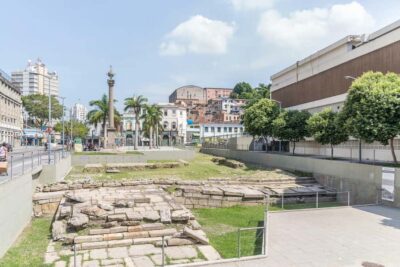
Explore Little Africa : Unveiling Afro Heritage in Rio de Janeiro
Read our review →
2 in 1: Private Favela & Little Africa- The Full African History!
Read our review →
Little Africa Unveiled: Vibrant Afro-Brazilian Heritage in Rio
Read our review →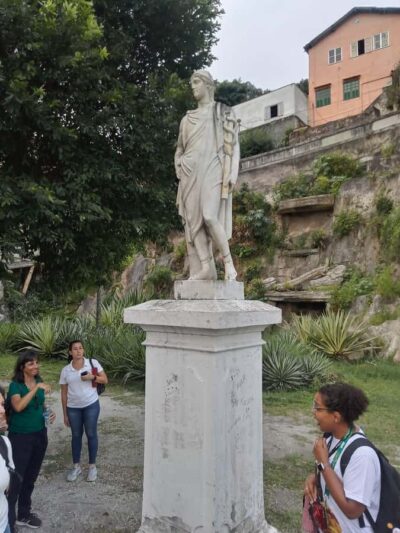
Little Africa – Walking tour from the passed to the future
Read our review →
Little Africa: Historical & Heritage Tour of Rio de Janeiro
Read our review →
More of this kind of Rio day