
Reviewed · TIJUCA RAINFOREST TOURS
Rio: Tijuca Forest Small Group Hike to Caves and Waterfalls
Rio turns to jungle for six hours. I like that you walk 19th-century trails inside Tijuca Forest National Park, and you hit a lineup of specific natural sights like Cascatinha Taunay and Morcego’s Grotto. My other favorite is the waterfall shower at Baronesa cascade, which feels genuinely fun, not staged. The main drawback is that wildlife sightings are never guaranteed, so you should go for the forest itself, the waterfalls, and the geology first.
In a small group, your bilingual guide (English and Portuguese) can slow down at the spots that matter, and several guides I learned from in the past doing this route, like Pietro, Vinnie, Riccardo, and Luiza, tend to mix botany, wildlife behavior, and Rio history into one easy story. I also love that the day is more than a hike, you get a real sense of how this park was replanted and managed after coffee farming, right up against a modern city.
One more thing to consider, it’s moderate but not flat. Expect up and downhill terrain with 448 meters (1,469 ft) of elevation gain over about 6.2 km (3.8 mi), so good shoes and steady pacing matter more than you think.
In This Review
- Key highlights worth your attention
- Tijuca Forest feels like a different Rio
- The hike: how the 6.2 km loop really plays out
- Starting stop energy: Cascatinha Taunay and first park orientation
- Mayrink Chapel (1850): the past in a rainforest pocket
- Cova da Onça: a suspension bridge with a jungle vibe
- Morcego’s Grotto and the bat cave visit
- Baronesa cascade: the waterfall shower moment
- Return route: viewpoints and history stops
- Wildlife: set expectations, and you’ll enjoy more
- Guides make or break the day, and this one is strong
- Price and value: is $69 worth it?
- What to bring so you feel comfortable on the trail
- Who this hike is best for (and who should skip it)
- Should you book the Rio Tijuca Forest caves and waterfalls hike?
- FAQ
- How long is the Tijuca Forest hike?
- Is the hike difficult?
- Is hotel pickup included, and from where?
- What’s included in the price?
- What’s not included?
- What languages are available for the guide?
- Is it wheelchair accessible or safe for people with heart problems?
Key highlights worth your attention
- Waterfall shower at Baronesa cascade after a satisfying walk
- Morcego’s Grotto and Cova da Onça for cave and bridge viewpoints
- Coffee plantation era clues from the 19th-century trail system
- Mayrink Chapel (1850) plus ruins and park history stops
- Forest education on plants, wildlife, geology, and geography with a bilingual guide
More of the Tijuca forest:
- Rio de Janeiro Tijuca Rainforest Hike with Waterfalls and Caves
★ 5.0 · 1,082 reviews - Rio de Janeiro: Christ, Selaron Steps, and Tijuca Park Tour
★ 4.7 · 857 reviews - Rio de Janeiro: Guided Jeep Tour through Tijuca Rainforest
★ 4.3 · 740 reviews - Explore the Best of Tijuca Forest – Hike to Peaks, Caves & Falls
★ 5.0 · 713 reviews
Tijuca Forest feels like a different Rio
Tijuca Forest National Park is one of those places where Rio’s skyline is still in your memory, but the air and sound change fast. You’re in a rainforest environment that was restored after being heavily used for coffee plantations, and the tour route is designed to make that history feel tangible, not like a lecture.
I especially enjoy how the walk connects the physical park to the human story. The trails you cover were made in the 19th century during the coffee era, and your guide ties plant life to that bigger “how the forest came back” picture. It’s also a park that works well for a time-crunched visit because you can cover several “must-see” rainforest moments in one half-day format.
If your idea of a perfect day includes shade, steep-ish sections, and lots of places to stop and look closely, this hike fits. If you’re only chasing animals, you might leave slightly frustrated. A couple of people shared that they didn’t see much beyond the scenery, and that can happen depending on the day and the weather.
The hike: how the 6.2 km loop really plays out
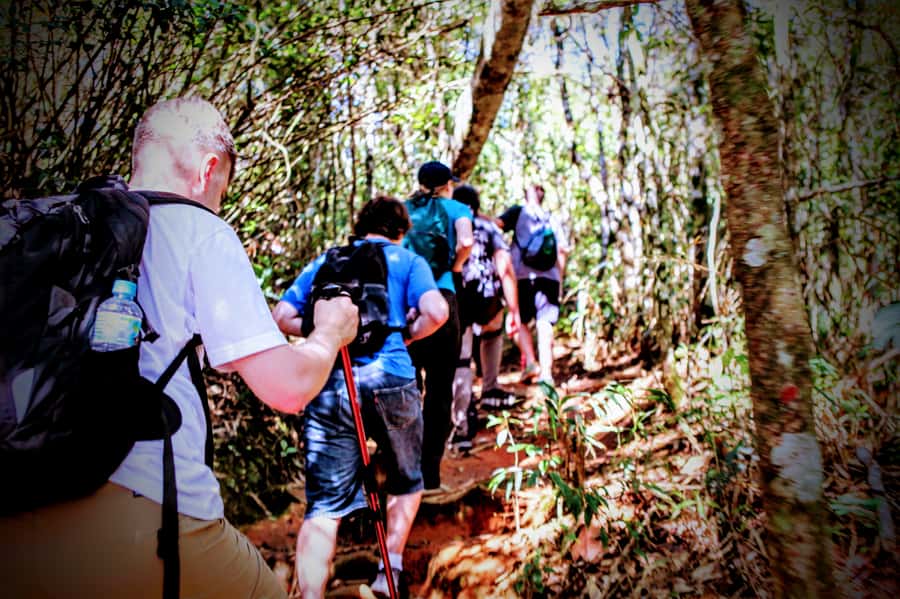
This tour is about 6 hours total, with roughly 2.5 to 3 hours of actual hiking on moderate terrain. You cover 6.2 km (3.8 mi) with 448 meters (1,469 ft) of elevation gain, which means you’ll be working your legs even if the hike never becomes a full-on endurance test.
The route is built around guided stops, not a long nonstop trail grind. You start with a quick waterfall introduction and a short guided orientation in the park, then you transition into longer walking segments that connect several historic and natural points. That structure helps a lot because it breaks the day into digestible chunks. You’ll climb, catch your breath at viewpoints, and then keep moving.
Also, plan for some uneven rainforest footing. You’ll want sports shoes with solid grip. Even when the group pace feels manageable, the ground can be rough and wet, especially after rain.
Starting stop energy: Cascatinha Taunay and first park orientation
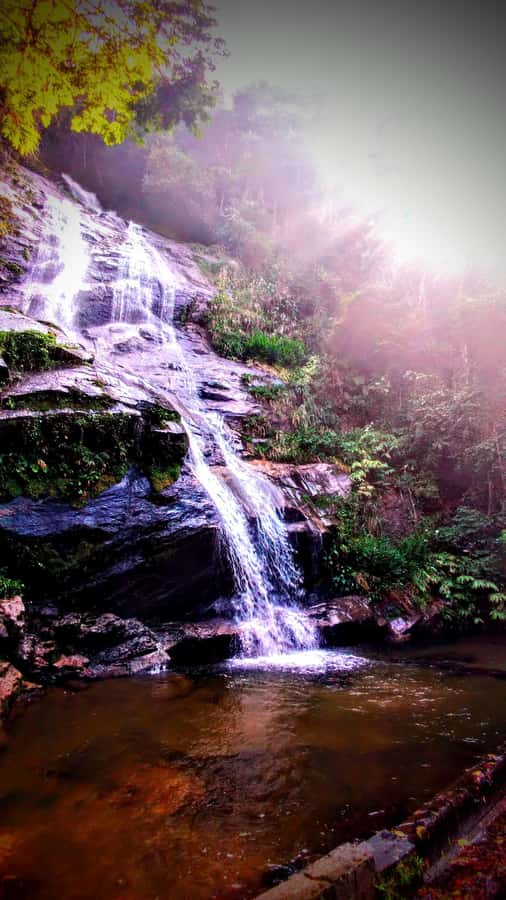
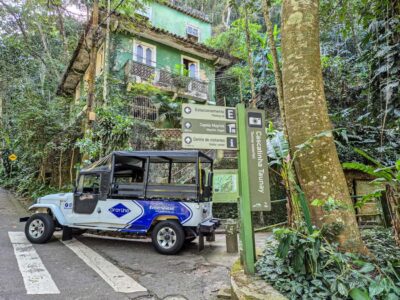
Early on, you visit Cascatinha Taunay. It’s described as the largest waterfall in the national park, and you get a guided introduction plus a chance to absorb the scale without rushing. This is a good move because it sets the theme for the rest of the route: water, steep terrain, and thick forest.
Right after, you get a guided bit inside Tijuca National Park. Think of it like your mental tuning fork for the day. Your guide points out what you’re looking at, how the forest is structured, and why Tijuca matters in the first place.
Mayrink Chapel (1850): the past in a rainforest pocket
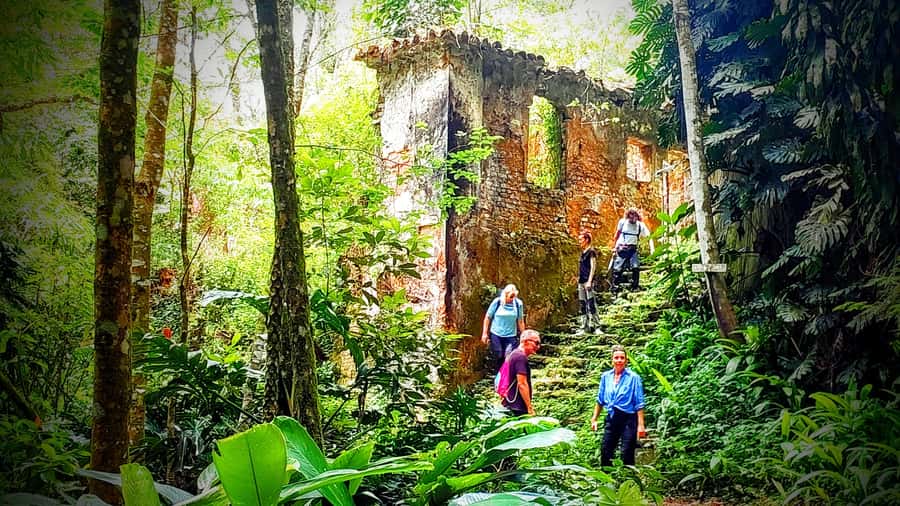
One of the easiest stops to miss if you’re only focused on photos is Capela Mayrink. This small chapel is from 1850, and the stop works because it interrupts the “just trees and rocks” feel. It reminds you this place wasn’t always a protected rainforest.
You’ll also get story context for the way the area was managed over time. For many people, this is the moment when the park’s coffee era history stops feeling like a distant fact and starts feeling connected to real objects you can stand next to.
Cova da Onça: a suspension bridge with a jungle vibe
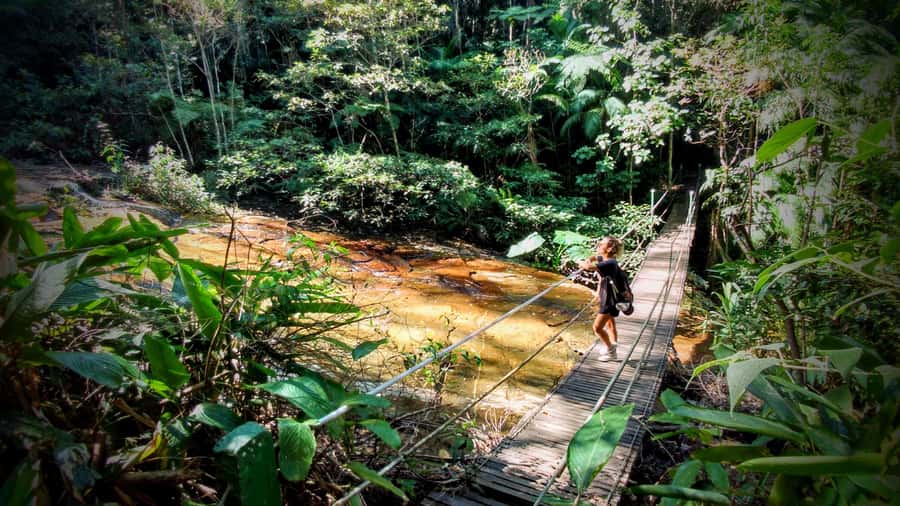
Next comes Cova da Onça, a suspension bridge stop. It’s brief, but it’s exactly the kind of feature that makes you notice the rainforest as a system. From bridge level, you get different sightlines through the canopy and the ravine shape changes how sound carries.
For me, it’s also a nice pacing break. You can look, pause, and reset your footing before the next walking stretch. Just be aware it’s still part of a hiking day, so don’t plan to linger like you’re at a museum.
More Rio trails worth the boots:
- Pedra da Gávea hike, your best experience in Rio★ 5.0 · 476 reviews
- Pedra do Telégrafo Hike and Beach Full-Day Tour★ 4.5 · 417 reviews
- Jeep tour 18 beaches, Telegraph Stone hiking & amazing sunset + photographer★ 5.0 · 363 reviews
- Hiking Tour to Pedra do Telégrafo (Telegraph Rock/Stone)★ 5.0 · 315 reviews
- Pedra da Gavea: Full Day Jungle Adventure Trek★ 5.0 · 197 reviews
Morcego’s Grotto and the bat cave visit
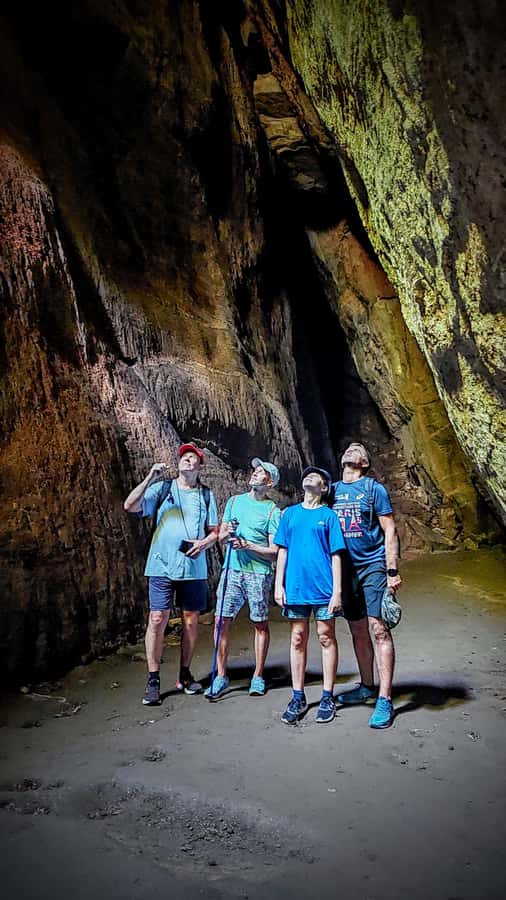
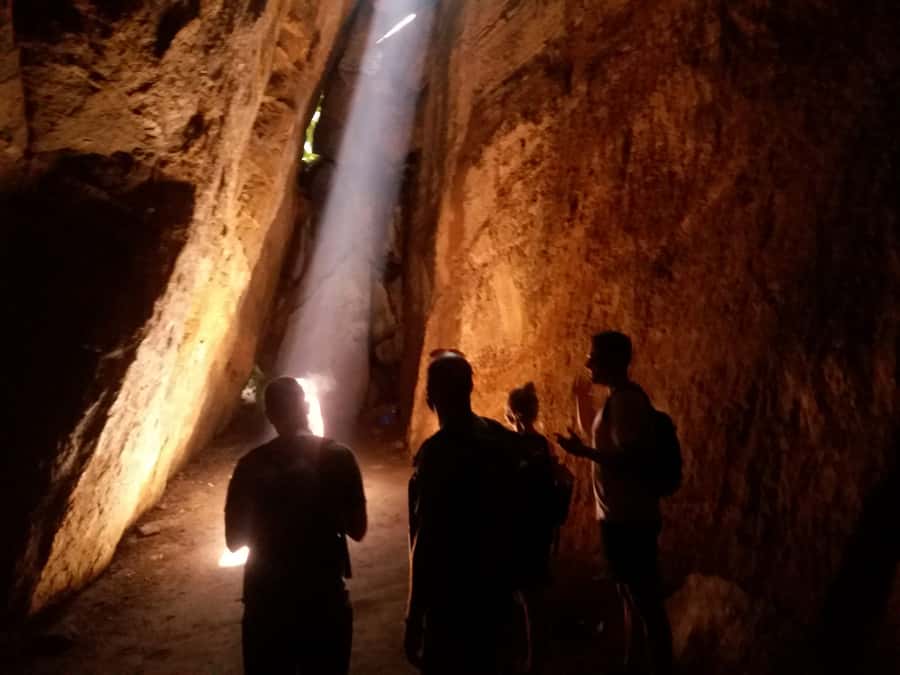
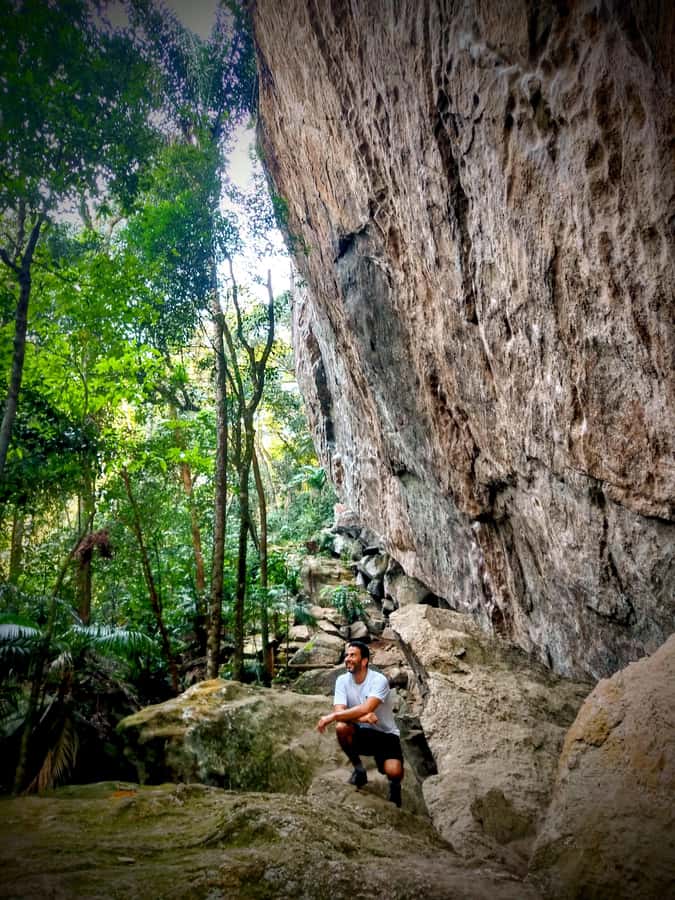
The tour includes Morcego’s Grotto, described as the largest gneiss cave in Brazil, plus a visit to the bat grotto area. In practice, this is one of those moments where the “wildlife” experience can be seasonal.
Some guides on this route have led people in ways that respect the bats’ routines, and there are times when the bats are hibernating, so you may not see them active. That said, you’ll still get the geology and the cave setting, which is the main value here.
If you’re the kind of person who enjoys rock formations and cave atmosphere more than you’re chasing a guaranteed animal sighting, you’ll probably like this stop a lot.
Baronesa cascade: the waterfall shower moment
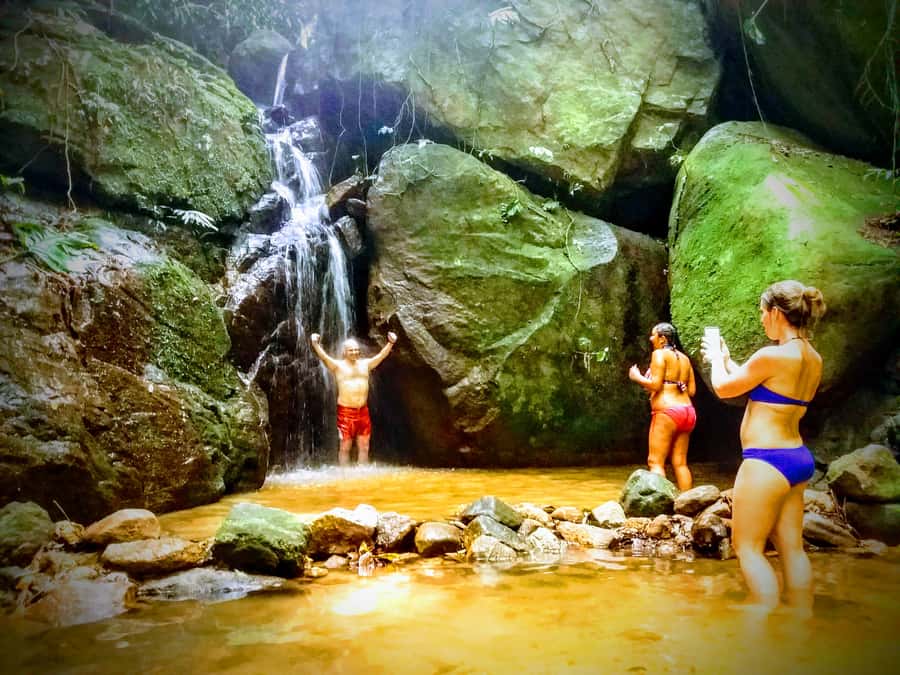
Then you reach the highlight people talk about: Cascata da Baronesa. The best part is the waterfall shower vibe. You cool off in a way that feels like part of the hike, not an add-on, and after climbing through humid forest, it can feel like instant relief.
This is also where you can best appreciate why the day is structured as it is. You’re not just doing a scenic walk, you’re earning a payoff. The shower landing at the right time makes the whole afternoon feel worth the effort.
Return route: viewpoints and history stops
On the way back toward the pickup area, you pass additional park features and a couple of “you didn’t think you’d see this here” stops. One is the former residence of Barão d’Escragnolle, now The Esquilos restaurant. Even if you just view it from the route, it reinforces the theme: people lived, worked, and managed this area long before the modern forest protections.
You also stop at places tied to city connections, including the Wallace Fountain. This is a famous donation from English philanthropist Richard Wallace to Brazil, produced in France in 1870, and it includes a sculpture representing goodness, charity, sobriety, and simplicity. That kind of detail helps the tour feel more like Rio than just a forest outing.
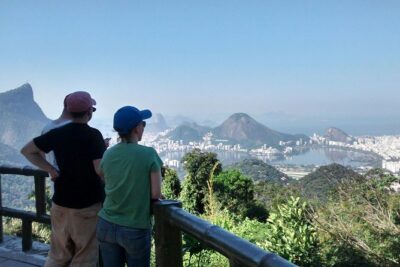
Finally, you reach viewpoints like Mirante da Palmira and another look-out photo stop. These are the moments you’ll want to slow down. If the light is good, you’ll understand why Tijuca is so visually dramatic even from viewpoints rather than only from ground level.
Wildlife: set expectations, and you’ll enjoy more
I’m going to be blunt here because it helps you choose wisely. Wildlife is a bonus, not a promise. The tour focuses heavily on plants, geology, waterfall scenery, and the human history of the park.
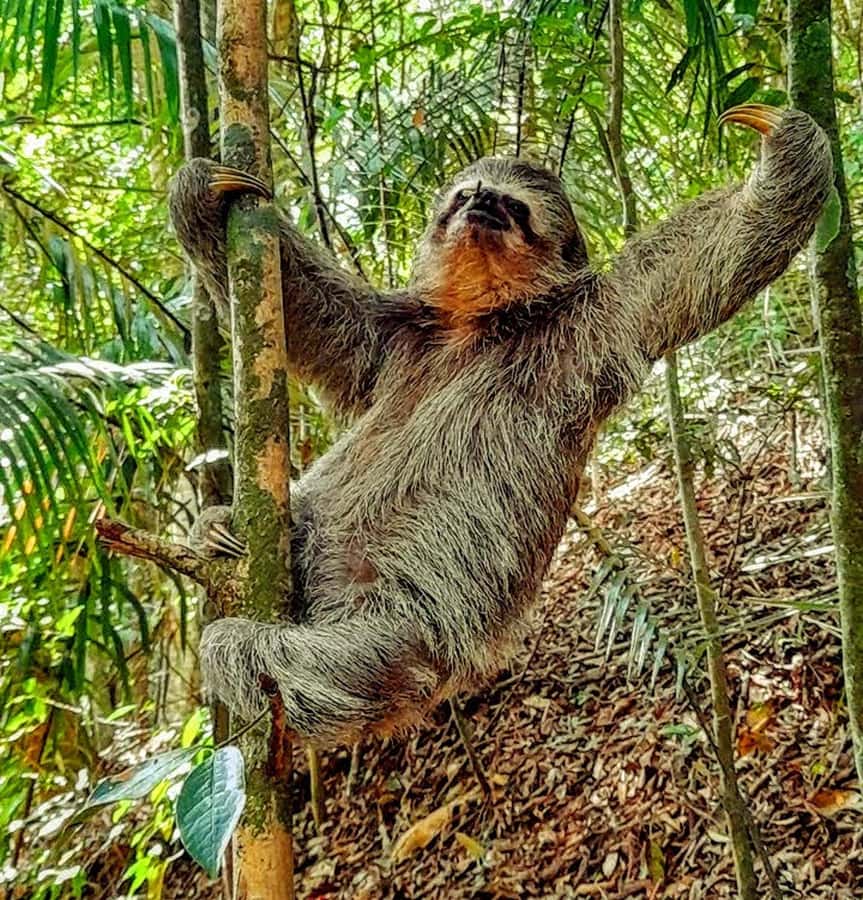
That said, when wildlife does appear, it’s memorable. People have reported seeing animals like sloths, coatis (Brazilian raccoons), and capuchin monkeys. You might also hear about animal sightings that are lucky rather than scheduled.
The best way to enjoy this tour is to treat animal spotting like a bonus card. If you’re patient and curious, you can still have a strong day even with fewer mammals. The forest itself offers constant visual material, leaf textures, bark patterns, cave structures, and flowing water.
One more practical note from the real-world experience of this route: some days feel calm with almost no insects, and other days might be more active. That’s why insect repellent belongs in your daypack.
Guides make or break the day, and this one is strong
Small groups help, but the guide matters most. Many people on this route praised how guides like Pietro, Vinnie, Riccardo, and Luiza mixed practical storytelling with forest observation. You’re not just moving between points, you’re learning how to look.
What stands out in the best versions of this tour is the combination of:
- plant and wildlife explanation
- geology and geography context
- a steady, safe hiking pace for the terrain
You’ll feel the difference most when the guide answers questions without rushing. Several people also noted that they felt safe on steeper sections, and that matters because rainforest hiking has a different footing feel than city sidewalks.
One small trade-off to know: transport can be tight in the van. A person mentioned it felt cramped for taller riders, even though the transfer is short. If you’re tall or carry a narrow daypack, sit smart and bring a bit of patience.
Price and value: is $69 worth it?
At $69 per person for a 6-hour experience, the value is mainly in three areas: guided access, route variety, and pickup support.
First, you get a bilingual guide plus insurance, and that’s hard to replicate if you hike on your own. You’d need to know where to go inside Tijuca, how to connect the right waterfalls and cave areas efficiently, and how to interpret what you’re seeing.
Second, the route includes multiple high-effort features in one day: a major waterfall visit, a cave experience, a suspension bridge, and the Mayrink Chapel stop tied to the 1850 period. You also get history and geography explanations, which turns the hike into a learning walk rather than a simple trek.
Third, hotel pickup from the South Zone makes the day easier than DIY. If you’re staying in Copacabana, Ipanema, Leblon, Leme, Flamengo, Santa Teresa, Gloria, Catete, Praia de Botafogo, or Urca, pickup is available from designated hotels and hostels. That saves you time, planning stress, and the hassle of figuring out transit while wearing hiking shoes.
The only “value risk” is your personal priority list. If you’re only after wildlife action, you might feel like the day is more about scenery and education than animal encounters. If you like waterfalls, caves, and rainforest context, you’ll likely see the $69 as a fair price for a full, guided half-day.
What to bring so you feel comfortable on the trail
This hike asks for basics, and you should pack them like you mean it.
Bring:
- food and drinks (food and water are not included)
- snacks
- sunscreen
- water
- insect repellent
- sports shoes and sportswear
- a daypack
You should also know what not to bring: no large luggage or big bags, no pets, and no alcohol or drugs. Bare feet are not allowed either.
And here’s the practical truth: even if you’re not drenched by the waterfall shower, rainforest humidity makes you feel sweaty faster. Water and snacks keep your energy steady for the up and down sections.
Who this hike is best for (and who should skip it)
This is a good fit if you:
- want a moderate workout on a short timeframe
- enjoy guided stops with history and nature lessons
- like waterfalls and caves more than beach-style sightseeing
- prefer a small-group experience with a bilingual guide
It’s not a good fit if you have heart problems or if you need wheelchair accessibility. The terrain and elevation gain make that clear.
It can also be a mixed fit if your main goal is guaranteed animal viewing. The forest is full of life, but sightings vary.
Should you book the Rio Tijuca Forest caves and waterfalls hike?
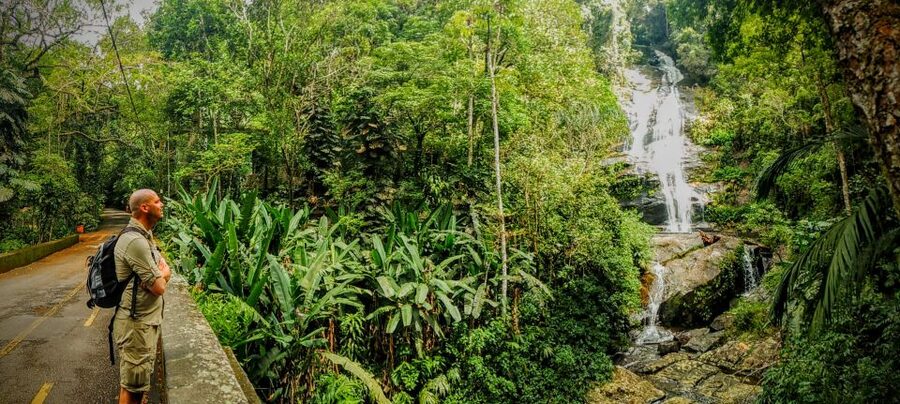
I’d book it if you want a structured rainforest day that feels like a real hike, not a rushed checklist. The waterfall shower at Baronesa cascade, the cave stop at Morcego’s Grotto, and the coffee-era park story make it a smart way to spend about half a day in Rio’s lungs.
I’d pause before booking if you’re traveling with tight hiking tolerance, or if you strongly need frequent animal sightings to feel like your day was successful. This tour can still be wonderful, but it’s not an animal safari schedule.
If you’re on the South Zone side and you like guided hiking with history stops, this one is a strong value at $69. Bring your water, wear grippy shoes, and give the forest your attention, the best moments tend to come from slow observation, not frantic searching.
FAQ
How long is the Tijuca Forest hike?
The total experience time is about 6 hours, with roughly 2.5 to 3 hours of hiking on the trail.
Is the hike difficult?
It’s rated moderate, covering about 6.2 km (3.8 mi) with 448 meters (1,469 ft) of elevation gain. You should have good fitness for uphill and downhill rainforest terrain.
Is hotel pickup included, and from where?
Yes. Pickup and drop-off are included from designated hotels and hostels in Rio’s South Zone, including neighborhoods like Copacabana, Ipanema, Leblon, Leme, Santa Teresa, Gloria, Catete, Flamengo, Praia de Botafogo, and Urca. If pickup is not available at your address, a nearby meeting point is provided.
What’s included in the price?
You get a bilingual tour guide (English and Portuguese), insurance, and transportation from designated South Zone hotels.
What’s not included?
Food and water or drinks are not included.
What languages are available for the guide?
The tour guide is available in English and Portuguese.
Is it wheelchair accessible or safe for people with heart problems?
The tour is not suitable for wheelchair users and it is not recommended for people with heart problems.
Recently added around Rio





Tijuca Rainforest Tours, compared.
Rio de Janeiro Tijuca Rainforest Hike with Waterfalls and Caves
Read our review →
Explore the Best of Tijuca Forest – Hike to Peaks, Caves & Falls
Read our review →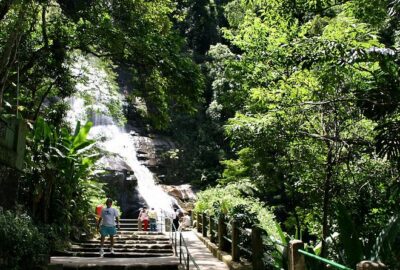
Jeep Adventure: Guided Tour through Tijuca Rain Forest
Read our review →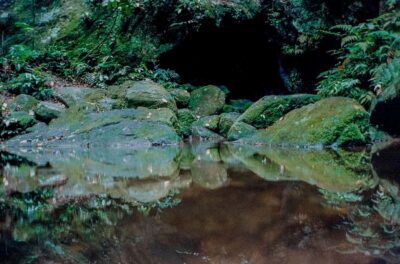
Tijuca Forest Half-Day Hike (Small Group or Private)
Read our review →More of this kind of Rio day