
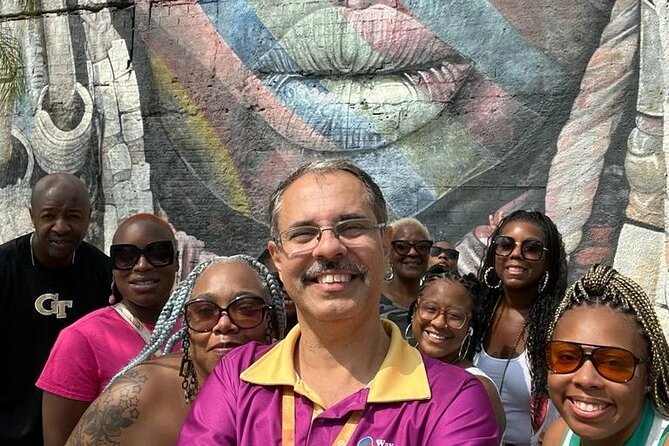
Reviewed · GUIDED FAVELA TOURS
2 in 1: Private Favela & Little Africa- The Full African History!
Rio has a second story.
This private 7-hour route links Rio’s African roots to major landmarks, from the docks where ships arrived to murals that keep the memory visible. I love the private pace that helps you dodge big tour crowds, and I love how the guide turns stops into an African history walkthrough instead of a checklist. The only drawback is that optional extras, like a favela guide (and a Carnival add-on if you want it), can increase your day’s total cost.
What makes it feel personal is the human factor. Guides from Way to Know Rio, including Andre and Ulysses, come with strong storytelling and a friendly, do-your-thing attitude. One review even praised how Ulysses and driver Junior handled weather and adjusted the plan. If you choose the version with transportation, you’ll ride in a private air-conditioned vehicle for easier timing in Rio traffic.
In This Review
- The Big Idea: Private Favela + African History, Without the Noise
- Key Stops That Give This Tour Its Punch
- Sliding Around Rio Traffic in Your Own Air-Conditioned Bubble
- The Urban Park, Founder Monument, and WWII Memorial: Setting the City Context
- Mirante Dona Marta: The View and the Optional Favela Visit
- Cais do Valongo: Where the Story Starts at the Docks
- Porto Maravilha Murals: Public Art That Keeps Memory Visible
- Pedra do Sal: A Short Stop With a Big Historical Weight
- IPN Museum, Pretos Novos Memory: The Moment to Sit and Absorb
- Price and Value: What $171.43 Gets Your Group
- Who This Tour Fits Best (and Who Might Want Something Else)
- Small Planning Tips So the Day Feels Easy
- Should You Book This Private African History and Favela Tour?
- FAQ
- Is this a private tour?
- How long is the tour?
- Is transportation included?
- What costs are not included?
- Are there admission fees for the main stops?
- Do I need special fitness or mobility?
- What is the cancellation policy?
The Big Idea: Private Favela + African History, Without the Noise
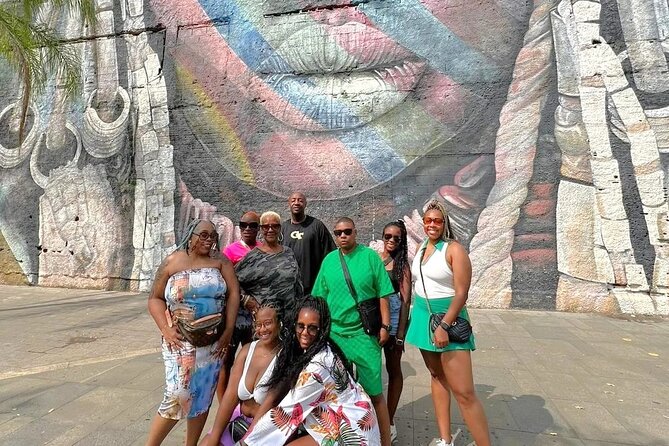
This isn’t just a “see Rio” day. You’re seeing Rio through a specific lens, where the city’s present makes sense only after you understand what happened on its shores and in its communities.
I like that the day mixes meanings, not just famous names. You start with big-city context, then move into the parts of Rio that explain why African culture is not a side note here, it is a foundation. And because it is private, you can move at your group’s rhythm. If you want more time at a stop or a slightly different photo angle, your guide can usually work with it.
There is also a smart balance between emotional sites and practical viewing. Some stops are quick but powerful, like the port area where the African slavery story is told through murals. Others give you a short breather, like the museum time. It keeps the day moving, without turning history into homework.
More walks through Little Africa:
- Discover Rio Little Africa: A Cultural and Historical Journey
★ 5.0 · 238 reviews - Rio de Janeiro: Little Africa Heritage Walking Tour
★ 4.9 · 177 reviews - Explore Little Africa : Unveiling Afro Heritage in Rio de Janeiro
★ 5.0 · 97 reviews - Little Africa Unveiled: Vibrant Afro-Brazilian Heritage in Rio
★ 5.0 · 12 reviews
Key Stops That Give This Tour Its Punch
- Mirante Dona Marta viewpoint with an optional favela visit for a closer look at local life
- Cais do Valongo as a direct sightline to where ships disembarked and African history began
- Porto Maravilha murals that connect slavery in Rio to visible public storytelling
- Pedra do Sal a historically important pause point with big meaning for a short stop
- Instituto de Pesquisa e Memoria Pretos Novos (IPN) a focused museum stop that grounds the story in names and memory
Sliding Around Rio Traffic in Your Own Air-Conditioned Bubble
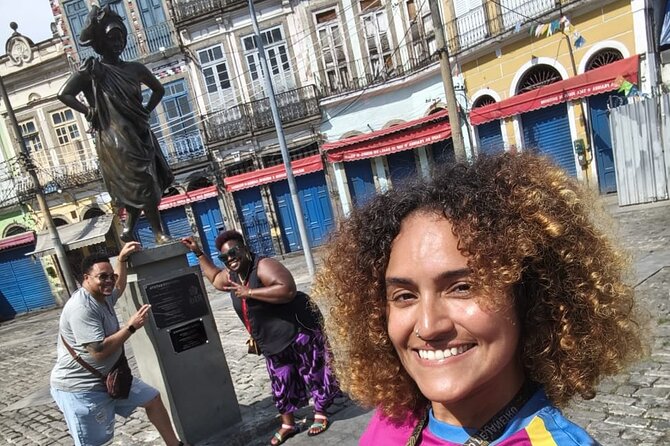
Timing in Rio can be chaotic. This is why I think the transportation option matters. With your own air-conditioned vehicle, you spend less time negotiating buses or hailing rides, and more time doing the actual sightseeing.
If you choose the tour without transportation, you’ll still get the guide and the stops, but you’ll need to handle getting between them. That might work if you’re already staying in a central area and you’re comfortable with Rio transit. For most people, especially if you’re doing a full day, the comfort of private transport is the value booster.
The other practical win is the crowd control. Even the best famous spots feel calmer when you are not sharing your photos and your guide’s attention with everyone else. You also get more freedom for “tiny changes,” like lingering one extra minute where the guide points out an important detail.
The Urban Park, Founder Monument, and WWII Memorial: Setting the City Context
The tour opens with a stop at the largest urban park in the world. You get the sense that Rio’s scale is not just about beaches and viewpoints. This is the backdrop of the city itself, and it helps your brain start thinking geographically, not only postcard-style.
Next comes a monument honoring the city’s founder. This kind of stop can feel quick, but it does something important. It tells you the official city narrative, the one people learn first, before you layer it with the African story that the rest of the day keeps returning to.
Then you stop at a monument honoring the dear militaries on the second world war. This might seem like a detour if you only expected African-history stops, but that’s the point. Rio’s modern identity is shaped by many historical waves, and the guide’s job is to help you connect them without losing the thread.
I like this opening structure because it builds context before you hit the emotional sites. You spend less time saying, Wait, what am I looking at, and more time saying, Yes, now I see why this matters.
Mirante Dona Marta: The View and the Optional Favela Visit
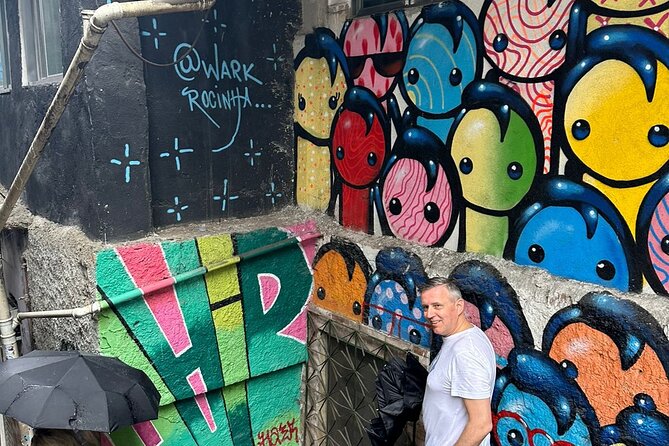
Mirante Dona Marta is the kind of place where Rio suddenly makes sense as a layered city. From a viewpoint like this, you see how neighborhoods rise up against the hills, and you understand why “location” in Rio isn’t a simple map line.
This stop includes up to 2 hours, and the favela visit is optional. The tour data is clear that a favela guide is not included, with a cost listed as R$150.00 per person. That matters for planning. If you want the deeper, inside-the-community perspective, budget for the extra guide.
Also, admission tickets are noted as not included for the favela experience. If you’re doing the optional visit, wear shoes that handle uneven ground and bring water. This is where moderate physical fitness comes into play, even if the time is limited.
One practical note I’d give you: treat this as a human encounter, not a photo mission. When a favela visit is run with the right local guide, the payoff is understanding daily life, not just getting a scenic shot. Guides like Andre and Ulysses are praised for being personable, and that personality usually helps a lot in moments that require respect and context.
Cais do Valongo: Where the Story Starts at the Docks
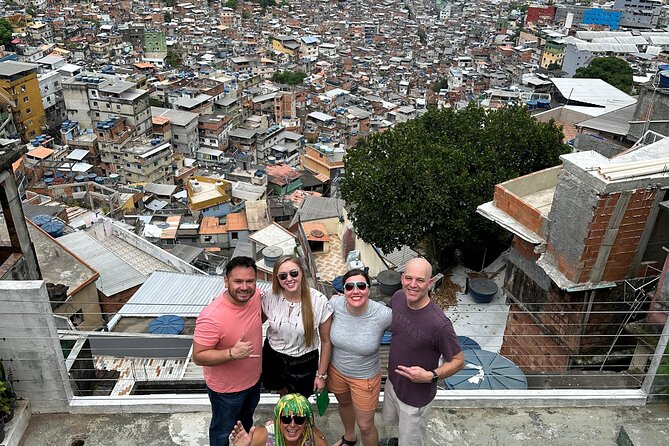
Then you move to Cais do Valongo, with a short stop of about 15 minutes. It’s also marked as free admission, so you can spend your energy on the meaning, not logistics.
This is one of those Rio stops that changes how you interpret the rest of the city. You’re seeing the place tied to where the ships would disembark, basically where African history began in Rio. Even if the visit is brief, it lands because the site is direct and specific.
If you’re used to museums where history is sealed behind glass, this feels different. It’s history in the open, in a place shaped by arrivals and forced displacement. Let the guide lead the interpretation. Don’t rush. The value here is in understanding how the physical location connects to the larger story you’re hearing all day.
Other guided walks through the favelas:
- Rio de Janeiro: Rocinha Favela Walking Tour with Local Guide★ 4.8 · 3,052 reviews
- Rio De Janeiro: Half-Day Rocinha Favela Walking Tour★ 4.7 · 2,272 reviews
- 3 Hour Rocinha Favela Walking Tour with a Local Guide★ 5.0 · 833 reviews
- Favela Tours★ 5.0 · 660 reviews
- Rio de Janeiro: Favela Santa Marta Top Tour with Local Guide★ 4.9 · 488 reviews
Porto Maravilha Murals: Public Art That Keeps Memory Visible
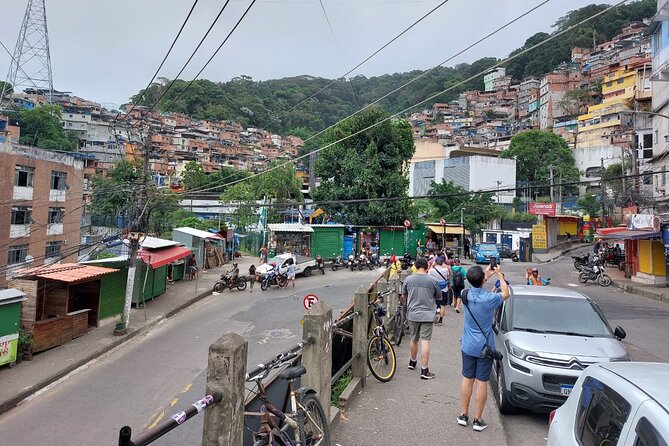
Next is Porto Maravilha, in the port area, with about 1 hour for murals and storytelling. Admission is listed as free.
This is a brilliant kind of stop for people who like learning through visuals. The murals tell the story of African slavery at Rio de Janeiro, and they do it in public, where you can read them as you walk instead of sitting through a lecture.
Here’s what makes it especially worthwhile: you’re not only hearing history, you’re watching how communities express it in daily space. Public art can be easier to remember than dates on a page, and it helps you carry the story beyond the tour.
If you like photography, this is a section to slow down. You may want a few minutes just to read details your camera might otherwise miss. Your guide can point out what to focus on, and that is how you get more out of the hour than a quick snapshot.
Pedra do Sal: A Short Stop With a Big Historical Weight
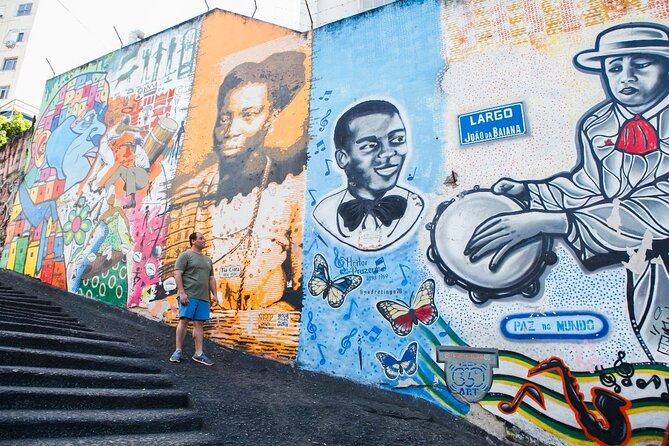
Pedra do Sal gets about 15 minutes. It’s another free admission stop, and it’s described as historically important.
This is the kind of place that works best when you treat it like a pause, not a destination. You take in the setting, listen to the guide’s framing, and let it connect to what you saw at Valongo and the port murals.
Because your time here is limited, I’d suggest you do two things. First, pay attention to the specific historical point your guide makes. Second, take one photo, then look up again. The point is to absorb the meaning while it is fresh.
IPN Museum, Pretos Novos Memory: The Moment to Sit and Absorb
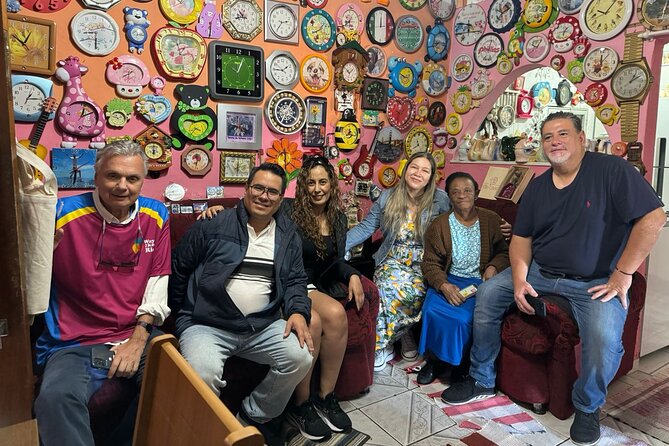
After the streets and murals, you get a museum stop: Instituto de Pesquisa e Memoria Pretos Novos, known as IPN. The time is about 30 minutes, and admission is listed as free.
If you only do quick, outdoor stops all day, history can stay floating in the air. This museum time brings it down into grounded interpretation. Even with only half an hour, it’s enough to shift from seeing to understanding.
My advice is simple: don’t rush through the exhibits as if you’re scanning. Use the guide’s pacing and let the museum explain the human scale of the story. This is also where you can ask questions, since the guide can tie what you just saw outdoors to what the museum helps you understand.
Price and Value: What $171.43 Gets Your Group
The price is $171.43 per group, up to 4 people, for an approximate 7-hour tour. That means the cost per person drops fast if you split it with friends or family.
So what are you really buying?
- Private time and your own guide attention
- A structured route through African-history landmarks and key Rio sites
- Optional air-conditioned private transportation
- The chance to include an optional favela visit if you want that deeper local perspective
What you are not buying is also important. Entrance for a Carnival experience is listed as R$100.00 per person, drinks and dessert are not included, and lunch is not included. Most notably, the favela guide is R$150.00 per person, and favela entry notes admission tickets as not included.
I see this as good value if you treat it as a full-day education plus a couple of optional add-ons. It becomes less of a bargain if you end up skipping the optional parts you paid for in your own plan. My sweet spot advice: decide in advance whether you want the favela visit. If yes, budget for the favela guide. If no, you can still get the strong history stops.
Who This Tour Fits Best (and Who Might Want Something Else)
This tour is a strong fit for you if:
- you want a private day in Rio and dislike crowd chaos
- you care about African history in Brazil and want context, not just sightseeing
- you like guides who tell stories and adapt to your pace
- you’re interested in seeing Rio from viewpoint areas like Mirante Dona Marta, and possibly in adding an inside favela visit
It may be less ideal if:
- you’re only looking for quick, effortless photo stops with zero extra costs
- you have very limited mobility, since the day includes a favela option and notes moderate physical fitness
- you hate the idea of adding optional paid components, like the favela guide
I also think this tour is excellent for first-time Rio visitors who want a “meaning-first” day. Many people come for scenery. This day helps you understand what shaped the city behind the scenery.
Small Planning Tips So the Day Feels Easy
Because this is a full 7 hours, plan for comfort. Bring water, wear comfortable shoes, and use sunscreen. If you add the favela visit, treat it like time outdoors with uneven ground.
Since lunch and drinks are not included, decide how you’ll handle food. You can plan to grab something near the route, or bring a simple strategy like a snack plan so you do not get hungry at the museum stop.
Also, if you’re doing any optional Carnival experience, note that ticket cost is R$100.00 per person. That is not a small add-on, so consider whether it fits your interests. If your main goal is African history, you may find your day already feels complete without extra events.
Finally, this tour is private, so you can ask questions. If you want the guide to explain how one stop connects to another, say so early. Guides like Andre and Ulysses get praised for being friendly and flexible, so use that advantage.
Should You Book This Private African History and Favela Tour?
I’d book it if you want Rio with meaning and you value privacy. The best reason is that this tour ties together places that many people see as separate attractions. Here, they become one story, from the docks at Cais do Valongo to port murals in Porto Maravilha and the museum grounding at IPN.
If your budget allows and you’re open to a thoughtful favela visit, this is a high hit-rate choice. The praise for guides like Andre and Ulysses also matters. When a day like this is guided well, it feels like time with a friend who knows the city deeply, not a rushed tour.
If you are unsure, make your decision around one question: do you want history explained by a real guide, with a route designed for understanding? If yes, book it. If you only want pure beaches and postcard views, you might prefer a lighter, less context-heavy day.
FAQ
Is this a private tour?
Yes. It is private, and only your group participates.
How long is the tour?
It runs for about 7 hours.
Is transportation included?
Private transportation is offered as an option. You can choose the tour with or without transportation.
What costs are not included?
Entrance tickets for the Carnival experience are not included (R$100.00 per person). Drinks and dessert, lunch, and a favela guide (R$150.00 per person) are also not included.
Are there admission fees for the main stops?
Some stops are marked free, including Cais do Valongo, Porto Maravilha, Pedra do Sal, and the IPN museum. Mirante Dona Marta and any favela experience admission are noted as not included.
Do I need special fitness or mobility?
The tour asks for a moderate physical fitness level.
What is the cancellation policy?
You can cancel for a full refund up to 24 hours in advance of the experience start time.
Rio's Older Story on Foot
- Rio de Janeiro Historical Center Walking Tour
★ 4.5 · 336 reviews - Private Walking and Cultural Tour Rocinha-Rio de Janeiro
★ 5.0 · 239 reviews - Rio de Janeiro: Historic Rio and Santa Teresa Half-Day Tour
★ 4.4 · 228 reviews - Rio Gastronomy: Culture & History Through The Art Of Food – Walking Group Tour
★ 5.0 · 164 reviews
Recently added around Rio


Guided Favela Tours, compared.


3 Hour Rocinha Favela Walking Tour with a Local Guide
Read our review →
Favela Tour Rio de Janeiro – Vidigal Walking Tour by Russo Guide
Read our review →
More of this kind of Rio day