
Reviewed · LITTLE AFRICA WALKS
Little Africa – Walking tour from the passed to the future
Rio has an Afro-Brazilian doorway of memory. This Little Africa walking tour in downtown Rio traces how the area welcomed arrivals from Africa, then connects those stories to art, culture, and the future. You get a focused 3-hour walk through alleys where history is still in the street layout, and the guide’s commentary makes it feel immediate, not textbook.
Two things I love: the way the tour spotlights Black history and heritage with real place-based context, and how guides bring it to life with emotion and human detail. One thing to consider: English quality can vary by guide, and you may face an extra museum entry cost during the walk.
In This Review
- Key highlights you will actually notice
- Why Little Africa matters in Rio de Janeiro
- The 3-hour walk, from past arrivals to the future
- Timing and pacing tip
- What you will see along the alleys and why each stop sticks
- A respectful heads-up
- Art and culture, plus the “future” thread
- Practical benefit for you
- Guides, language, and what to expect from English delivery
- What I recommend for your choice
- Price and logistics, what the numbers really mean
- Is it good value?
- Also note the group minimum
- What to bring, and how to handle the emotional content
- Food and transportation
- Who this tour suits best, and who might skip it
- Good to know for families
- Should you book this Little Africa past-to-future walking tour?
- FAQ
- Where does the tour meet?
- How long is the Little Africa walking tour?
- What languages are offered?
- What is the cost, and how does the payment work?
- Do children get discounts?
- Are food and transportation included?
- Is there free cancellation?
- What if I’m the only person booking?
Key highlights you will actually notice

- You walk the alleys where Rio’s African arrival story began, not just read about it.
- Black history, heritage, and cultural identity stay central, with moments that often feel emotional.
- Art and culture are part of the “past to the future” theme, so you end with context for today.
- Your guide matters a lot, and named guides like Larissa, Gabriela, Luana, and Rafael are cited for strong storytelling.
- Budget for a possible extra museum ticket, since not every stop is handled the same way for everyone.
More walks through Little Africa:
- Discover Rio Little Africa: A Cultural and Historical Journey
★ 5.0 · 238 reviews - Rio de Janeiro: Little Africa Heritage Walking Tour
★ 4.9 · 177 reviews - Explore Little Africa : Unveiling Afro Heritage in Rio de Janeiro
★ 5.0 · 97 reviews - 2 in 1: Private Favela & Little Africa- The Full African History!
★ 5.0 · 21 reviews
Why Little Africa matters in Rio de Janeiro
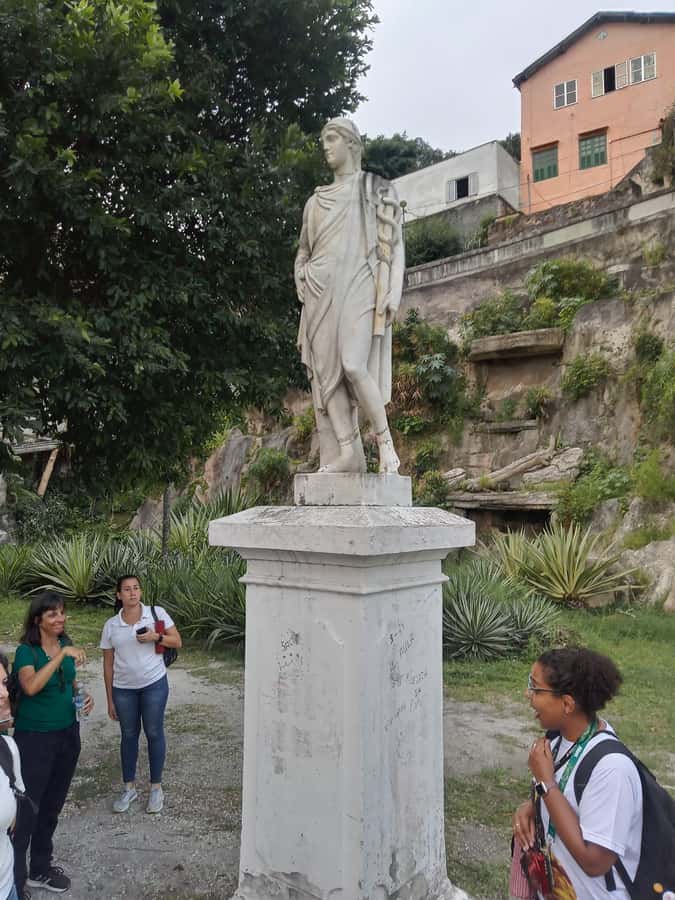
If you only see Rio as postcard beaches and football, you miss a big part of the city. Little Africa is where you start to understand how African people, families, and communities shaped Brazil, and how those roots still echo through neighborhoods, art, and cultural life.
The heart of this tour is its place-based approach. You are not asked to imagine history from afar. You are guided through an area described as an important entrance zone in Rio for men, women, and children coming from the African continent. You learn that the zone used to function as a slave open market area, with stores, houses, and graveyards. Even without turning every stop into a “museum label,” the walk gives you a sense of how survival, labor, trade, and community were interwoven.
This matters because it changes how you read the city. After this kind of walking tour, you’ll notice how modern Rio sits on top of older layers, and you’ll understand why people feel strongly about memorial spaces and cultural traditions.
The 3-hour walk, from past arrivals to the future
This tour is built for a 3-hour rhythm. It is long enough to cover multiple historical points and still slow down for the guide’s remarks. It is also short enough that you can pair it with other Rio plans the same day.
The overall arc follows the theme stated in the tour name: from the past to the future. In practice, that means you will spend time on what this area represented historically, then shift toward how African heritage shows up in Brazilian culture today. The result is not just “what happened,” but “why it still matters.”
Most people get emotional during the walk. That is not a gimmick. You are dealing with history tied to forced migration, slavery, and community loss, and the tour asks you to stay respectful while listening closely. If you enjoy tours where the guide takes the subject seriously, you’ll likely feel the impact.
Timing and pacing tip
Since it is a walking tour, plan around your energy. Bring comfortable shoes and expect some stop-and-start movement as the guide explains each place you pass. If you are the type who likes to take photos every ten seconds, balance that with listening time, because the details are the point.
What you will see along the alleys and why each stop sticks
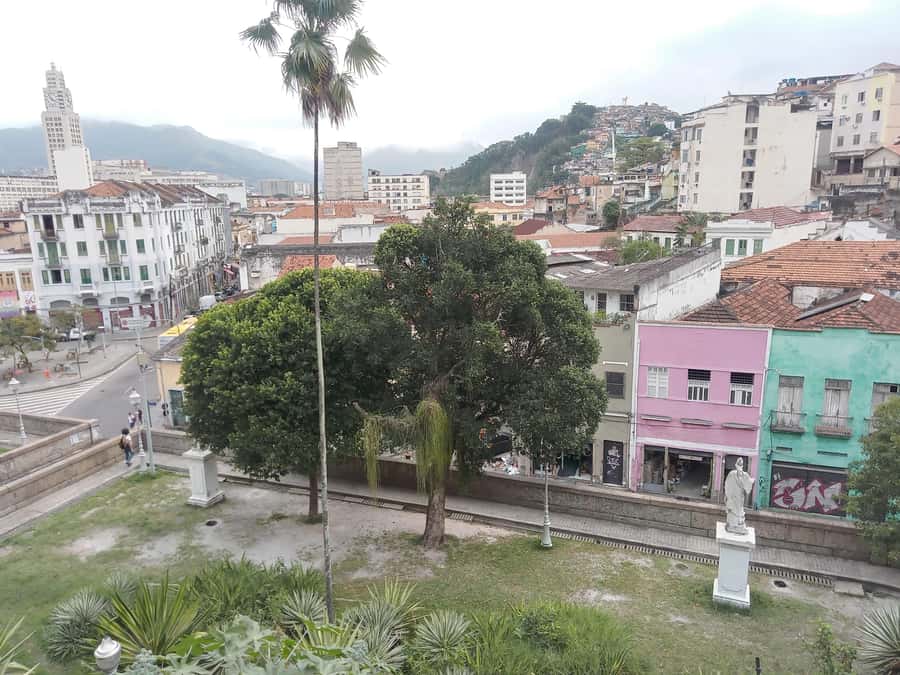
Even with no flashy “grand monument” promise, this experience has strong value because it teaches you how to look at a place. The setting is described as a large zone with historical remnants from that era, including elements tied to markets, housing, and graveyards.
Here is what that usually looks like in the field, based on the way the tour is described and the consistent tone in the guide feedback:
- You track the old route of movement.
Walking through narrow alleys helps you understand how people would have moved through the area. You start connecting the geography to the story of arrival, trade, and daily life.
- You learn the meaning of specific remnants.
The tour includes visiting remains of an important part of Brazilian history. That could mean physical traces, memorial-type stops, or places where the guide can explain what once stood there and what that meant.
- You follow guided commentary in real time.
A major part of the value is how the guide points out what to notice. In guides like Larissa, Gabriela, and Luana, the praise is consistent: passionate storytelling, strong knowledge delivery, and a pace that helps you visualize the scene.
- You connect heritage to culture and future identity.
The theme is not only historical. It also guides you toward understanding the lasting cultural imprint, especially through art and culture mentioned as tour highlights.
A respectful heads-up
Because the content can be emotional, you’ll get the best experience if you treat it like a memorial walk, not a sightseeing sprint. Keep your phone use thoughtful. Listen first, shoot second.
More of Rio covered on foot:
- Rio de Janeiro: Rocinha Favela Walking Tour with Local Guide★ 4.8 · 3,052 reviews
- Rio De Janeiro: Half-Day Rocinha Favela Walking Tour★ 4.7 · 2,272 reviews
- 3 Hour Rocinha Favela Walking Tour with a Local Guide★ 5.0 · 833 reviews
- Favela Tour Rio de Janeiro – Vidigal Walking Tour by Russo Guide★ 5.0 · 377 reviews
- Rio de Janeiro Historical Center Walking Tour★ 4.5 · 336 reviews
Art and culture, plus the “future” thread

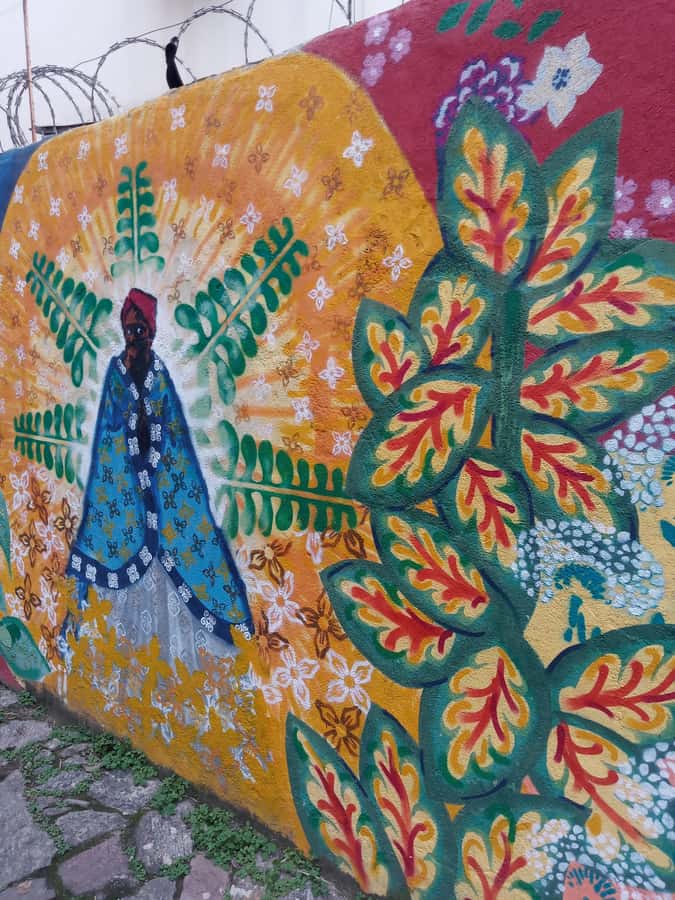
The tour highlights art, culture, and future, which is a clever way to avoid the classic trap of “history as tragedy only.” Instead, the framing encourages you to see African heritage as a living force in Brazil.
You’ll likely hear explanations that connect past arrival and community survival to today’s cultural expressions. That connection is part of why people say the tour gives a foundation for experiencing Brazil’s history and culture more deeply. When the guide is strong, you’ll leave with a clearer mental map of how identity, creativity, and community memory work together.
Practical benefit for you
This is especially useful if you plan to do other Rio activities afterward. Many people leave not just enlightened but better prepared to interpret what they see in museums, neighborhoods, and cultural spaces later. You’ll know what questions to ask yourself as you move around the city.
Guides, language, and what to expect from English delivery
In a tour like this, the guide is not a side feature. They are the difference between a tour that feels like a walk with context and one that feels like disconnected facts.
You’ll meet a live guide, and the tour lists English, Portuguese, and Spanish as available languages. The reviews point to big variability in English delivery. One guide, Danielo, was described as having poor English articulation, with the group struggling to understand. That same feedback suggests the tour would be better in Portuguese.
On the other hand, other named guides are praised for strong engagement. People highlight guides such as:
- Larissa for passion and storytelling that helps you visualize everything.
- Gabriela for being knowledgeable and personable and for building a real foundation.
- Luana for being informative and thoughtful.
- Rafael for being great, with the company also being accommodating when a flight delay caused a missed start time.
What I recommend for your choice
If you need English, you’ll want to confirm the language fit before you lock in. If you are comfortable with Portuguese or Spanish, consider choosing one of those options. When the guide language clicks, this kind of tour tends to feel powerful for the right reasons.
Price and logistics, what the numbers really mean
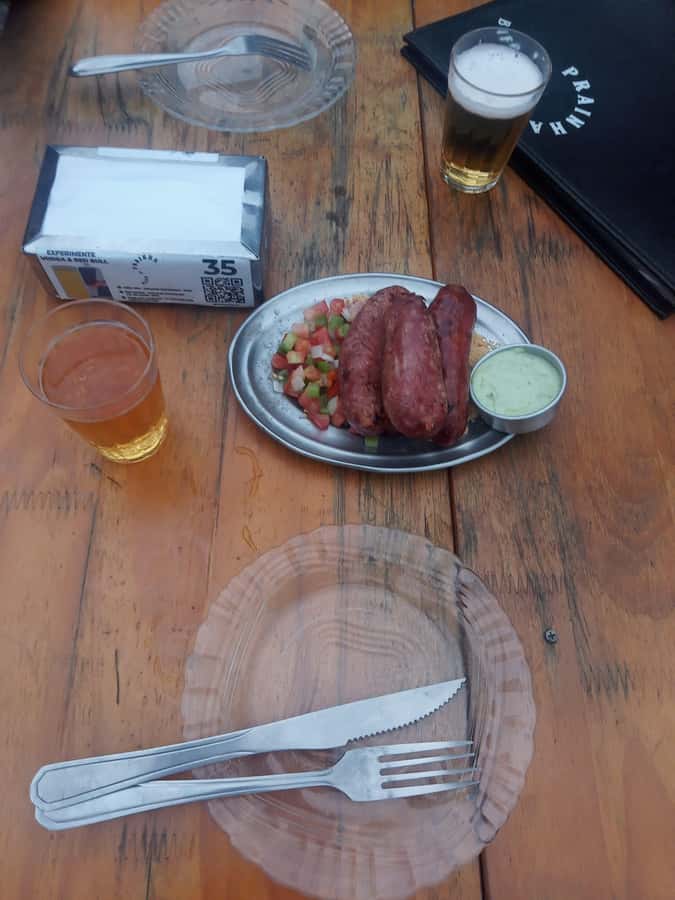
Let’s talk money plainly, because this tour uses a two-part payment setup.
- You pay US$32 per person through the booking platform for the reservation.
- Then you pay an additional R$160 per person directly with the tour guide.
- The total payment is shown as R$310 per passenger in the provided info.
- Children ages 3 to 10 pay half the price for the additional part.
- Children 0 to 4 are free on the parent’s lap.
- Payment by credit or debit card includes 5% taxes.
That second payment is the key. So when you evaluate value, you should treat the tour as costing the total amount, not just the US$32 reservation portion.
Is it good value?
At US$32 for the reservation, it looks approachable. But the best way to judge value is to add the additional R$160 and consider what you’re getting: a guided, place-based walk tied to Black history and heritage, with art and future context, plus an English-speaking guide option depending on assignment.
One more cost consideration: there can be an extra museum entry fee during at least one museum stop. One person said this was not expected, and another mentioned a museum exhibit that was not part of the tour. I can’t confirm which stop will be involved for your specific run, so I suggest you ask what is included in your exact language and date.
Also note the group minimum
There is a minimum of 2 customers, and if you are alone you are told to contact the company before making a reservation.
What to bring, and how to handle the emotional content
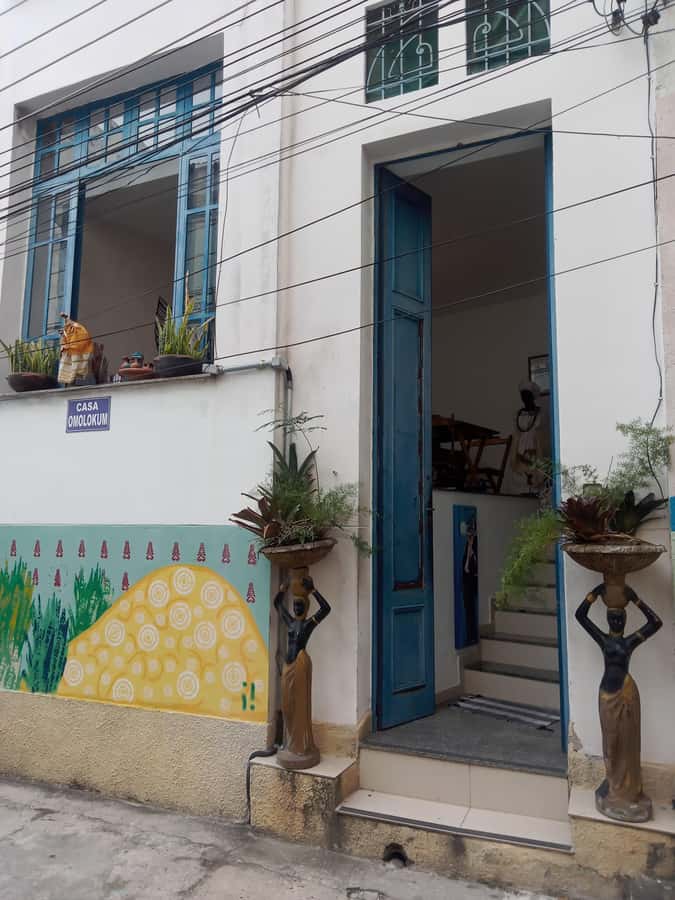
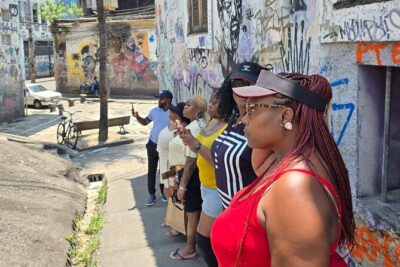
This is a walking tour, so wear comfortable shoes. You are walking through alleys, and time gets spent pausing for explanations at historical points.
Beyond that, bring a calm mindset. You are dealing with slavery-era history, including references to markets and graveyards. The tour guidance emphasizes being respectful, and many people get emotional. That is normal. If you need a “light and funny” tour, this may not be the best match. If you want a meaningful historical experience that asks you to pay attention, it fits well.
Food and transportation
Food and beverage are not included, and transportation is not included either. So plan to eat before or after, depending on your day. Since the meeting point is in downtown Rio de Janeiro, give yourself time to get there without rushing.
Who this tour suits best, and who might skip it
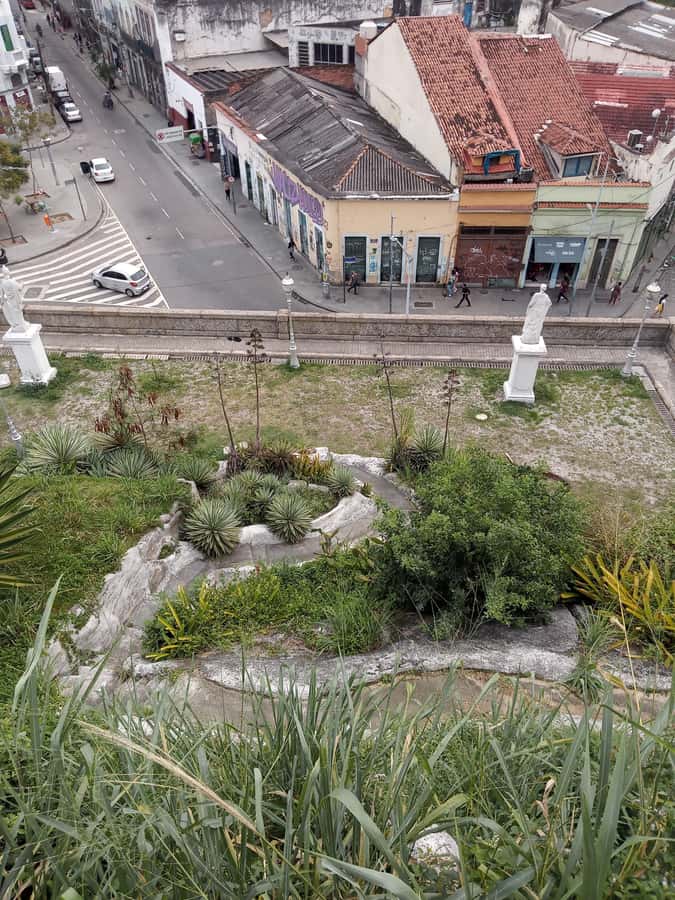
This tour is a great fit if you want:
- A walk focused on Black history and heritage in Rio.
- A guide-driven explanation tied to real places, alleys, and remnants.
- A tour that connects the past to art, culture, and the future, not only dates and facts.
- A 3-hour experience that can fit neatly into a day schedule.
It may be a weaker fit if:
- You strongly rely on clear English and cannot tolerate misunderstandings. The English articulation can vary by guide.
- You are not prepared for potential extra costs at a museum stop.
- You prefer tours that avoid emotional or heavy subjects.
Good to know for families
The info notes child pricing and free lap time:
- Ages 5 to 10 get a 50% discount.
- Ages 0 to 4 are free on the parent’s lap.
So families can consider it, but only if your kids can handle a respectful history-focused walk.
Should you book this Little Africa past-to-future walking tour?
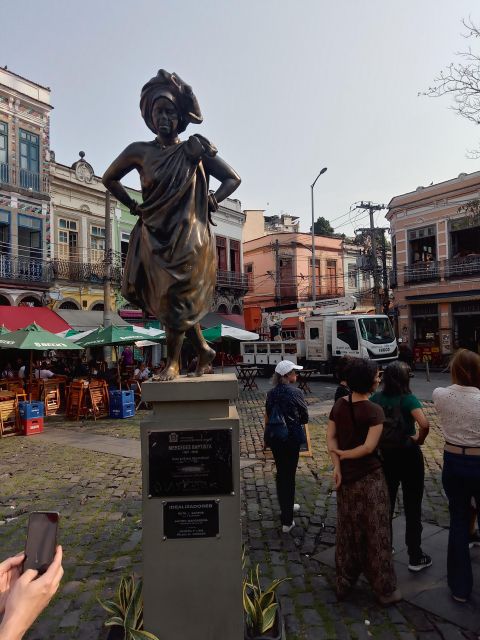
I think you should book it if you want a meaningful, guided walk through Rio’s African-rooted history, and you like learning by moving through the neighborhood. The strongest signal here is guide quality when it clicks. People specifically praise guides like Larissa, Gabriela, Luana, and Rafael for passionate, engaging storytelling, and that is exactly what makes this kind of tour work.
Before you reserve, do three practical checks:
- Choose the language you can understand best. If English clarity is crucial to you, verify your guide assignment.
- Budget for the two-part payment, and ask whether any museum entry fee is expected in your exact tour.
- Wear walking shoes and plan for emotional history, not background sightseeing.
If you want Rio with context, this tour is one of the better ways to get it in just a few hours.
FAQ
Where does the tour meet?
The meeting point is in the downtown area of Rio de Janeiro.
How long is the Little Africa walking tour?
It lasts about 3 hours.
What languages are offered?
The tour offers a live guide in English, Portuguese, and Spanish.
What is the cost, and how does the payment work?
You pay US$32 per person for the reservation through the booking platform. Then there is an additional R$160 per person paid directly with the tour guide. The info also states the total payment shown is R$310 per passenger. Payment by credit or debit card includes 5% taxes.
Do children get discounts?
Yes. Children ages 3 to 10 pay half the price for the additional part. Children 0 to 4 are free on the parent’s lap.
Are food and transportation included?
No. Food and beverage are not included, and transportation is not included.
Is there free cancellation?
Yes. You can cancel up to 24 hours in advance for a full refund.
What if I’m the only person booking?
There is a minimum of 2 customers. If you are alone, you are asked to contact the tour before making your reservation.
Recently added around Rio






Little Africa Walks, compared.
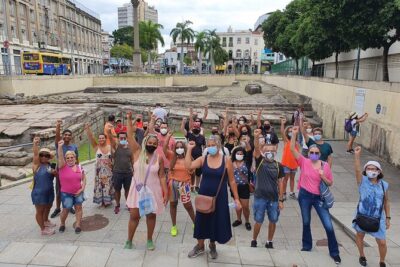
Discover Rio Little Africa: A Cultural and Historical Journey
Read our review →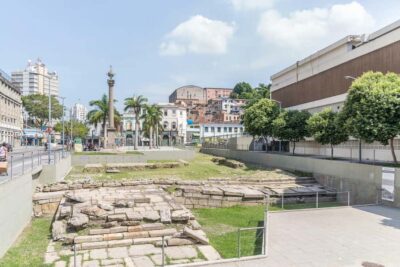
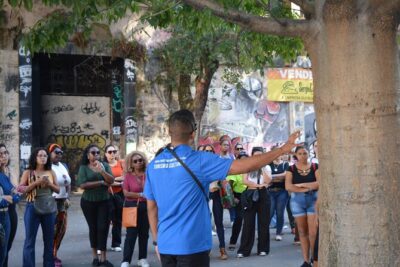
Explore Little Africa : Unveiling Afro Heritage in Rio de Janeiro
Read our review →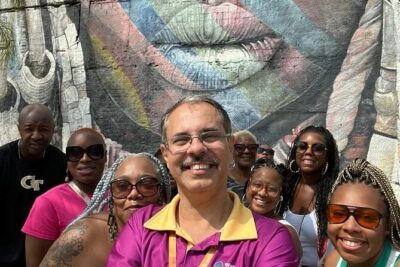
2 in 1: Private Favela & Little Africa- The Full African History!
Read our review →
Little Africa Unveiled: Vibrant Afro-Brazilian Heritage in Rio
Read our review →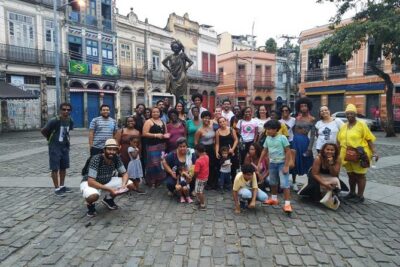
Little Africa: Historical & Heritage Tour of Rio de Janeiro
Read our review →
More of this kind of Rio day