

Reviewed · LITTLE AFRICA WALKS
Little Africa Guided Tour with Transfer
Little Africa hits hard in the best way. I really liked the small-group setup that keeps the guide’s stories clear, and I loved how the commentary is delivered with care and empathy at Cais do Valongo and the Pretos Novos museum. The one possible drawback is that this tour is emotionally heavy, and English clarity can depend on the guide, so it helps to go in with the right expectations.
This 4-hour experience connects key spots tied to the forced arrival and lives of enslaved Africans in Brazil, then brings you to a preservation-focused museum. Pickup plus an air-conditioned vehicle makes it easier than figuring out transport on your own, especially if you are staying in Copacabana, Ipanema, Leblon, Flamengo, Centro, or nearby.
The walking time is manageable, but it is still a proper guided stroll. Wear comfortable shoes, and be ready for an itinerary that may shift order while keeping the same major stops.
In This Review
- Key highlights worth marking on your map
- Why this Little Africa tour feels different in Rio
- Cais do Valongo: the harbor you walk over, and the story behind the stones
- Casa da Tia Ciata: listening for details, not just the big picture
- Pedra do Sal: why the name matters and what work looked like
- Pretos Novos museum stop: IPN and the mission of preserving memory
- Walking route, timing, and transfer: what to plan for
- Price and value: how $60 fits what you get
- Guide quality and English: what I would check before you go
- Who should book this Little Africa guided tour
- Should you book this tour?
- FAQ
- How long is the Little Africa Guided Tour with Transfer?
- Where does the tour start, and where does it end?
- Is hotel pickup included?
- What language is the tour offered in?
- What stops are included in the itinerary?
- Are admission tickets included?
- Is lunch included?
- How big is the group?
- What should I bring?
- Do I need ID?
- What happens if the weather is bad?
Key highlights worth marking on your map
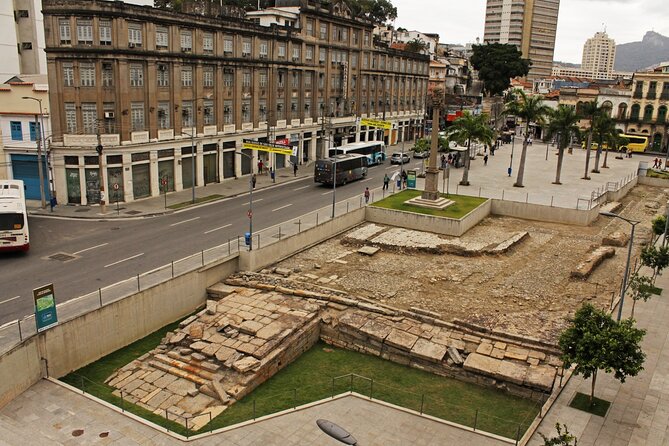
- Cais do Valongo, the former harbor site where enslaved people arrived, with the guide explaining how the place changed names over time.
- Casa da Tia Ciata stop that focuses on noticing specific details the guide points out, not just taking photos.
- Pedra do Sal in a tight, 30-minute visit where you learn the truth behind its name and the hard work around it.
- Instituto de Pesquisa e Memoria Pretos Novos (IPN) with admission included, built to protect memory and history.
- Small group pacing designed so the story stays understandable for everyone, with the guide adjusting tempo when needed.
More walks through Little Africa:
- Discover Rio Little Africa: A Cultural and Historical Journey
★ 5.0 · 238 reviews - Rio de Janeiro: Little Africa Heritage Walking Tour
★ 4.9 · 177 reviews - Explore Little Africa : Unveiling Afro Heritage in Rio de Janeiro
★ 5.0 · 97 reviews - 2 in 1: Private Favela & Little Africa- The Full African History!
★ 5.0 · 21 reviews
Why this Little Africa tour feels different in Rio
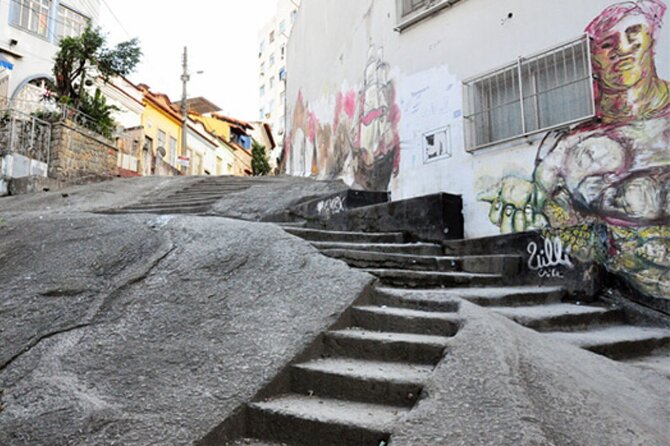
Rio is famous for beaches and nightlife, but it also has places that force you to look straight at the past. This tour walks you through Little Africa areas tied to forced migration and survival, then lands at a museum that exists for remembering, not forgetting.
I like that the approach is structured and respectful. You get stops with a clear purpose: where people arrived, where culture formed, how everyday work shaped life, and why preservation matters today. That flow helps you make sense of what you are seeing, instead of treating the neighborhood like a backdrop.
One more thing I appreciate is the tone. The tour is described as emotional, and the guide’s job is to keep the atmosphere grounded. The guide also stays attentive to the group, which matters when you have different walking speeds and comfort levels.
Cais do Valongo: the harbor you walk over, and the story behind the stones
Your first stop is Cais do Valongo, described as the former harbor where stones used for the harbor were carried by the same enslaved population that arrived here. The guide also explains how the place took different names throughout history, shaped by the intentions of powerful people.
What you can expect in real terms is a shift from generic sightseeing to something more direct. Instead of just hearing a timeline, you get a place-based lesson. You are looking at a physical site, and the guide helps connect the ground under you to human lives that were brutalized by the system.
This is also where the UNESCO angle shows up in at least one guide experience you can plan around. If you care about global recognition of historical sites, this stop is a key reason people choose the tour.
A practical tip: this is the kind of stop where you might want to slow your pace and really listen. Photos are fine, but the value is in the guide’s explanation of the harbor’s role and why the naming and memory of the site changed over time. Admission is free, which is always a nice bonus.
Casa da Tia Ciata: listening for details, not just the big picture
Next comes Casa da Tia Ciata for about an hour. The focus here is not just buildings and streets as scenery. You are encouraged to admire the setting and pay attention to certain details mentioned by the tour guide.
This is the stop that can feel like it shifts gears, in a good way. After a heavy arrival-and-harbor start, Casa da Tia Ciata moves you toward community and cultural roots, still connected to the realities of the people whose lives shaped Little Africa. Even when you are not from Brazil, the guide’s callouts help you read what you are seeing.
Because the tour is designed as small group walking, the hour works well. You should be able to ask questions, and the guide can keep the explanations at a pace the whole group can follow.
If you are the type who likes to get your bearings fast, this is a great time to do it. You learn which details matter, so later stops feel less like random points on a map.
Pedra do Sal: why the name matters and what work looked like
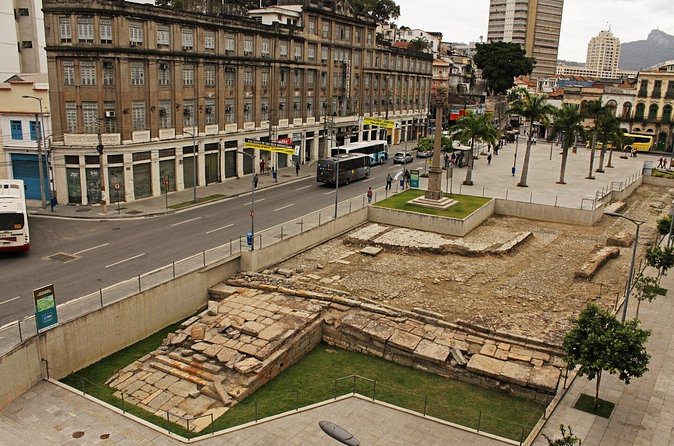
Pedra do Sal is next for about 30 minutes, and the tour promises a clear point of view: find out the truth behind its name, then learn about the hard-working conditions of people in this area.
Short stop, big purpose. This is not a long museum moment. Instead, it is a focused interpretation of a named place and the daily reality around it. If you prefer your history with a little narrative momentum, you will likely enjoy how quickly the guide moves you through what the site means.
The best way to get value here is simple: listen for the link between the name and the lived experience the guide describes. When the guide explains what the name hides or reveals, the stop stops being a quick photo stop and becomes a meaning stop.
Admission is also free at this location, so you do not feel like you are paying extra for every single segment of the tour.
Pretos Novos museum stop: IPN and the mission of preserving memory
The last main stop is the Instituto de Pesquisa e Memoria Pretos Novos (IPN), around 1 hour, with admission included. The focus is how the institute was built and the importance of preserving memory and history of Africans in Brazil.
This part is a strong value move. You get a dedicated museum visit with included admission, which tends to be where guided tours feel most “worth it” because you are not just walking past things. The guide can point out why the institute matters, and the museum space gives you time to absorb what you have learned earlier in the route.
One guide experience specifically notes a small African heritage museum and Afro-Brazilian cultural center aspect tied into the stop. Even if your stop feels slightly different depending on guide choices and day-to-day flow, the core mission is consistent: preserving the memory of Africans in Brazil so the story stays visible.
If the morning or afternoon light is strong when you arrive, consider taking a moment to steady yourself before you start the museum portion. This is another stop where the guide’s empathetic tone can make a big difference in how you experience the content.
A few more Rio outings to weigh up
- Rio de Janeiro: Rocinha Favela Walking Tour with Local Guide★ 4.8 · 3,052 reviews
- 3 Hour Rocinha Favela Walking Tour with a Local Guide★ 5.0 · 833 reviews
- Rio de Janeiro: Guided Jeep Tour through Tijuca Rainforest★ 4.3 · 740 reviews
- Jeep Adventure: Guided Tour through Tijuca Rain Forest★ 4.0 · 554 reviews
- Rio de Janeiro: Favela Santa Marta Top Tour with Local Guide★ 4.9 · 488 reviews
Walking route, timing, and transfer: what to plan for
The tour runs about 4 hours and is offered twice a day, morning or afternoon. The itinerary order can change, but the highlights stay the same. That flexibility is useful when the operator adjusts based on practical conditions, without abandoning the key sites.
Pickup is available from most hotels in Leblon, Ipanema, Copacabana, Flamengo, and Centro. If you are staying in Barra da Tijuca or Recreio dos Bandeirantes, pickup is available but costs extra. The tour also states that you meet at Hotel Rio Othon Palace in Copacabana, and the activity ends back at that meeting point.
Vehicle details matter. The tour notes a maximum vehicle capacity of 19 people, and the overall activity has a maximum of 100 travelers. In a perfect world, that means you are not stuck in a giant crowd. In the real world, your comfort will depend on how many people are in your specific vehicle.
Wear comfortable shoes. The stops are a walking route, and you will enjoy the tour more when your feet feel fine. Bring sunglasses and sunscreen, and a hat can help if you are in the sun for any extended moments.
One practical heads-up: because this is a guided walk with multiple sites, you should plan your day to avoid a hard deadline right after the tour. The visit ends back where you started, but you still want buffer time to decompress afterward.
Price and value: how $60 fits what you get
The price is $60 per person. For Rio, that is not a bargain price, but it is also not inflated for what you receive. Here is why it can feel like fair value:
- Air-conditioned vehicle is included, which reduces the hassle of getting to multiple sites.
- The IPN admission is included, which saves you from paying separately for the museum portion.
- The first three stops are free for admission (Cais do Valongo, Casa da Tia Ciata, Pedra do Sal).
Also, the “small group so the guide’s commentary is easy to follow” is a real value driver. If you have ever been on tours where you spend more energy trying to hear than learning, you know why this matters.
The one cost you will likely still face is food. Lunch is not included. If you like to eat before you go, you can do that. If you prefer to plan dinner later, just know you are on your own for meals after the 4-hour window.
Guide quality and English: what I would check before you go

The biggest variable you should consider is the human factor: guide style and language clarity. In one excellent experience, Monica is praised as experienced and knowledgeable, with a pace adjustment for older participants and even brief additional stops. That kind of flexibility can turn a good tour into a great one.
In contrast, there is also a negative account involving a guide named Antonio. The complaint was that his English was not great for the group, and it affected understanding. That same account also describes pickup confusion and a cramped vehicle, plus extra taxis and an incident related to expecting samba dancers that did not happen.
What does that mean for you? Not that the tour is unreliable, but that you should be proactive:
- If English matters a lot, confirm that your tour is actually listed as English-speaking for your departure.
- If you have mobility needs or discomfort with tight seating, message in advance and ask about vehicle size for your group size.
- If pickup matters, double-check that your hotel is in the pickup coverage area or that you understand any extra cost for Barra or Recreio.
This tour is built around listening and interpretation. So language clarity is not a small detail, it is central to whether you get full value.
Who should book this Little Africa guided tour
Book this tour if you want more than photos. You should enjoy it if you:
- Like guided storytelling that connects named places to the human realities behind them.
- Want a structured route through Cais do Valongo, Casa da Tia Ciata, Pedra do Sal, and IPN in one half-day.
- Prefer a group size that keeps the guide’s voice and explanations easy to follow.
It may be less ideal if you:
- Prefer light, entertainment-first sightseeing.
- Are very sensitive to emotionally heavy themes and would rather do a different type of Rio tour.
Also, it is described as suitable for most travelers. If you are traveling with kids, note that ID or a copy is mandatory, including children. Children under age 4 are free and must sit on a parent’s lap in the vehicle, and children must be accompanied by an adult.
Should you book this tour?
I think this is a strong choice when you want a respectful, place-based look at Little Africa in Rio, not just a checklist of landmarks. The stop sequence is built for understanding: arrival at Cais do Valongo, community and meaning at Casa da Tia Ciata, the named reality at Pedra do Sal, and finally the preservation mission at IPN.
Before you book, do one smart thing: confirm your pickup details and be clear about English needs. If you get a guide like Monica, it can be a moving, well-paced experience with thoughtful adjustments. If you know language clarity is critical for you, take a moment to message the operator with your concerns so you start the tour on the right foot.
If you are ready for an emotional walk through Rio’s past, this one is worth putting on your schedule.
FAQ
How long is the Little Africa Guided Tour with Transfer?
It is about 4 hours (approx.).
Where does the tour start, and where does it end?
It starts at Hotel Rio Othon Palace, Av. Atlântica, 3264 – 5º andar, Copacabana, Rio de Janeiro – RJ, 22070-001, Brazil. It ends back at the meeting point.
Is hotel pickup included?
Pickup is available from most hotels in Leblon, Ipanema, Copacabana, Flamengo and Centro. Pickup in Barra da Tijuca or Recreio dos Bandeirantes costs extra.
What language is the tour offered in?
The tour is offered in English.
What stops are included in the itinerary?
The tour includes Cais do Valongo, Casa da Tia Ciata, Pedra do Sal, and the Instituto de Pesquisa e Memoria Pretos Novos (IPN).
Are admission tickets included?
Admission is free for the first three stops. Admission to IPN is included.
Is lunch included?
No, lunch is not included.
How big is the group?
The tour notes a maximum vehicle capacity of 19 people, and a maximum of 100 travelers for the activity.
What should I bring?
Comfortable shoes, sunglasses, sunscreen, and hats are recommended.
Do I need ID?
Yes. ID or a copy is mandatory, including children.
What happens if the weather is bad?
The experience requires good weather, and the tour may be canceled due to poor weather, with options depending on the situation.
Recently added around Rio



Little Africa Walks, compared.
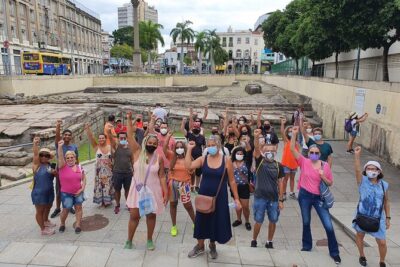
Discover Rio Little Africa: A Cultural and Historical Journey
Read our review →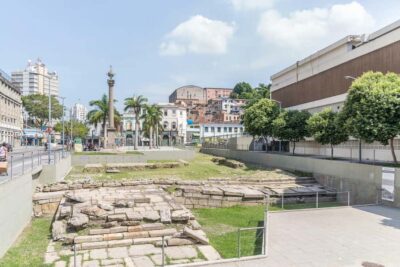
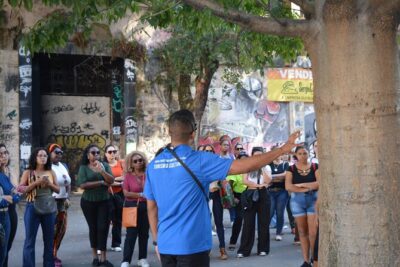
Explore Little Africa : Unveiling Afro Heritage in Rio de Janeiro
Read our review →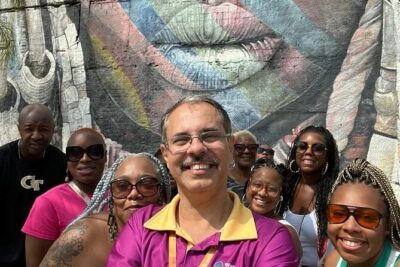
2 in 1: Private Favela & Little Africa- The Full African History!
Read our review →
Little Africa Unveiled: Vibrant Afro-Brazilian Heritage in Rio
Read our review →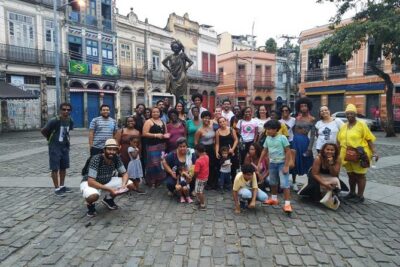
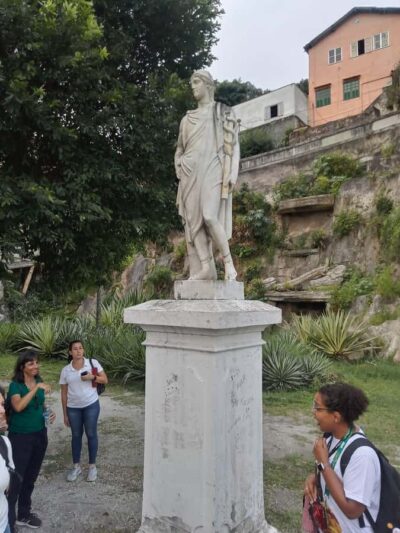
Little Africa – Walking tour from the passed to the future
Read our review →
Little Africa: Historical & Heritage Tour of Rio de Janeiro
Read our review →More of this kind of Rio day