
Reviewed · LITTLE AFRICA WALKS
Rio de Janeiro: Little Africa Heritage Walking Tour
Samba history starts with a rooftop view. I love the way the guide sets the colonial-era story so the neighborhoods make sense fast. I also love the rooftop pause over Mauá Square and Guanabara Bay, before you head out on foot toward the Pedra do Sal area tied to samba’s origins.
One catch: this is a proper outdoor walk for about 2.5 hours. It runs rain or shine, so plan for sun, heat, and wet pavement.
In This Review
- Key moments worth showing up for
- Why Little Africa and this walking format work
- Meeting at Museu de Arte do Rio, then learning Brazil the hard way
- Morro da Conceição: walking the slopes with context
- Largo de São Francisco da Prainha: gastronomy with African roots
- Mercedes Baptista statue: Afro dance history in public space
- Pedra do Sal: where samba is tied to place and people
- Jardim Suspenso do Valongo and Cais do Valongo: the ending that hits
- How long it really takes, and how to handle the weather
- Price and value: why $40 can be a fair deal
- Who this tour suits best (and who might want something else)
- Should you book the Rio Little Africa Heritage Walking Tour?
- FAQ
- Where is the meeting point for the tour?
- How long is the Rio Little Africa Heritage walking tour?
- Is the tour in English?
- Is hotel pickup included?
- Does the tour run in bad weather?
- Is there a break during the walk?
- What stops are included during the walk?
- What should I bring?
- Is the tour suitable for children?
Key moments worth showing up for
- Rooftop views of Mauá Square and Guanabara Bay from the Rio Art Museum area
- Morro da Conceição for a guided walk up and around the port-side hills
- Largo da São Francisco da Prainha and the African influence in Brazilian food culture
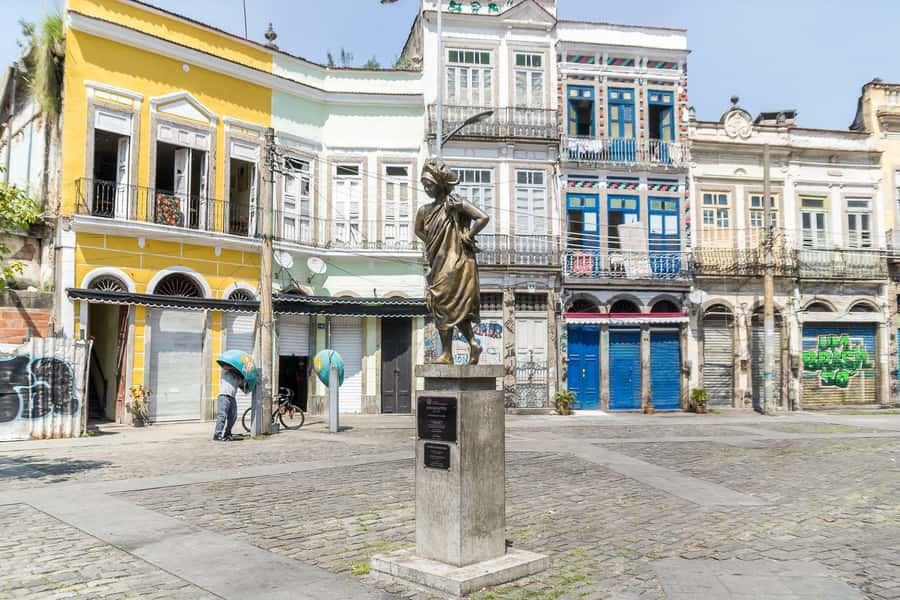
- Mercedes Baptista statue, honoring Afro-Brazilian dance history
- Pedra do Sal as the place associated with samba being born, in the oldest continuously inhabited Black neighborhood in the country
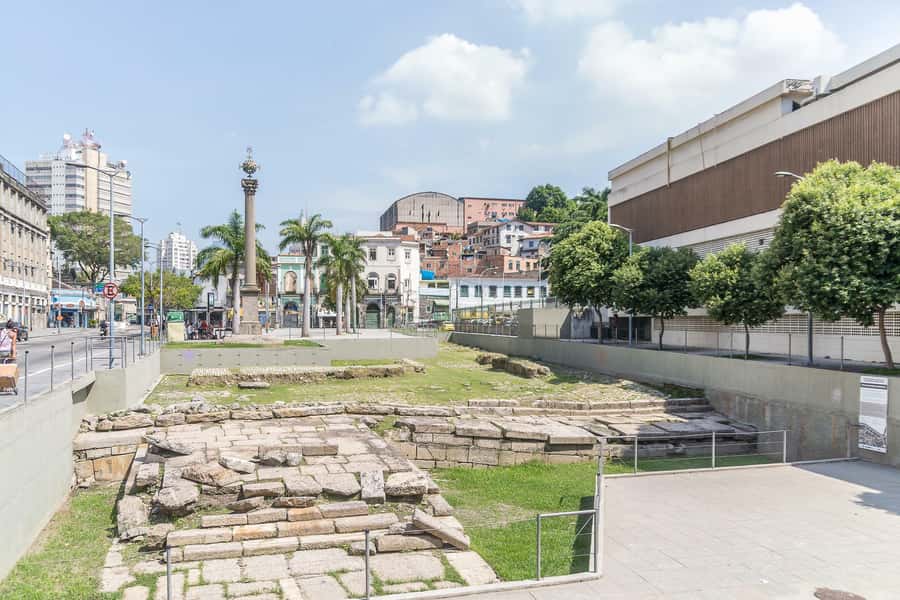
- Jardim Suspenso do Valongo and Cais do Valongo as the ending focus on Valongo
More walks through Little Africa:
- Discover Rio Little Africa: A Cultural and Historical Journey
★ 5.0 · 238 reviews - Explore Little Africa : Unveiling Afro Heritage in Rio de Janeiro
★ 5.0 · 97 reviews - 2 in 1: Private Favela & Little Africa- The Full African History!
★ 5.0 · 21 reviews - Little Africa Unveiled: Vibrant Afro-Brazilian Heritage in Rio
★ 5.0 · 12 reviews
Why Little Africa and this walking format work
Rio’s port district is where a lot of Brazil’s tangled African story is written into street names, monuments, and daily life. This tour works because it does not treat that story as a museum exhibit. You walk the same kind of urban “route logic” that connects the waterfront to the communities that formed there.
The pacing also matters. You get context up front, then you hit the key stops while it is still fresh in your head. That is why people leave saying it changed how they see the city. I like tours where the guide gives you a mental map, then points out the details that most people miss when they are just looking at buildings.
Meeting at Museu de Arte do Rio, then learning Brazil the hard way
You meet in front of Museu de Arte do Rio. Arrive about 5 minutes early, because the guide can only wait 15 minutes if you are delayed. Right away, the tour starts with a colonial-period framing. That matters more than you might expect. Without this setup, the stops can feel like separate photo points.
You also get a rooftop moment linked to Mauá Square and Guanabara Bay. It is brief, but it gives you orientation. Suddenly you understand why this part of Rio became a magnet for labor and community life as the centuries shifted. The view also helps you picture the port area as more than scenery, it is the engine of movement, work, and cultural blending.
Morro da Conceição: walking the slopes with context
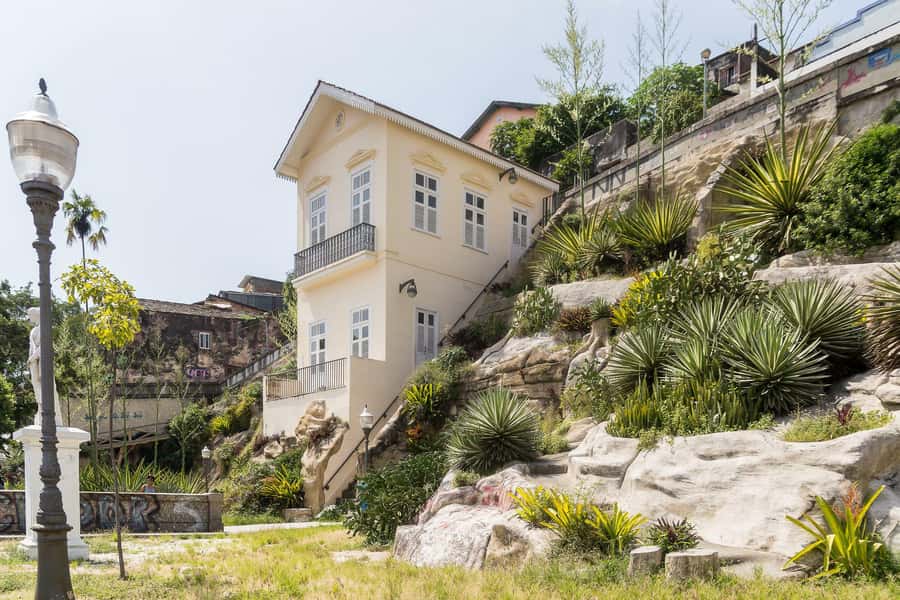
Next you head to Morro da Conceição for a guided walk that takes about 20 minutes. This is one of those neighborhoods where the geography is part of the lesson. Hills and sightlines shape how communities gather, travel, trade, and protect themselves.
What I like about this stop is that it shifts you from the waterfront mindset to the neighborhood mindset. You start to feel how the port region connects to daily life. You are not only learning names. You are learning why people stayed, built community, and carried culture through generations.
Largo de São Francisco da Prainha: gastronomy with African roots
From Morro da Conceição you move toward Largo de São Francisco da Prainha for a guided visit (about 20 minutes). This is where the tour brings up African influence in Brazilian gastronomy. That is more than trivia. Food is one of the easiest ways to trace cultural continuity, especially when official records erase people.
You will also slow down enough to look around. The goal is not just to pass through squares and streets, it is to notice what the landscape is telling you. If you care about how culture survives, this stop is a strong one because it connects heritage to something you can actually taste later.
Mercedes Baptista statue: Afro dance history in public space
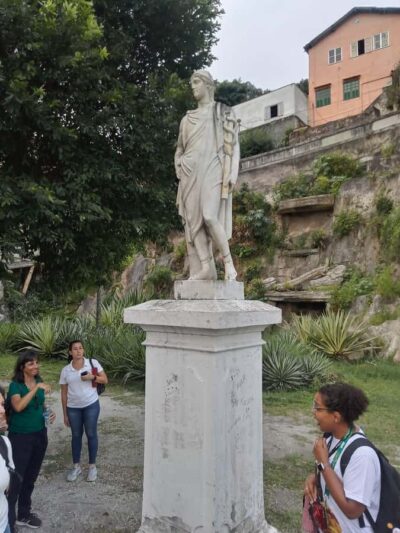
The tour also includes a stop at a statue erected in honor of Mercedes Baptista. She is recognized as a forerunner of Afro dance in Brazil, and the first Black dancer at the Municipal Theater in Rio de Janeiro.
This is one of the most meaningful moments in the whole experience because it pulls Afro-Brazilian cultural history into the open where everyone can see it. It is not hidden. It is placed in the city. And the guide’s job here is to help you understand why a figure like this matters beyond one performance.
In recent experiences, guides have handled these topics with care and kept discussions grounded in real outcomes for real people. If you expect a respectful, human tone, you are in the right place.
More of Rio covered on foot:
- Rio de Janeiro: Rocinha Favela Walking Tour with Local Guide★ 4.8 · 3,052 reviews
- Rio De Janeiro: Half-Day Rocinha Favela Walking Tour★ 4.7 · 2,272 reviews
- 3 Hour Rocinha Favela Walking Tour with a Local Guide★ 5.0 · 833 reviews
- Favela Tour Rio de Janeiro – Vidigal Walking Tour by Russo Guide★ 5.0 · 377 reviews
- Rio de Janeiro Historical Center Walking Tour★ 4.5 · 336 reviews
Pedra do Sal: where samba is tied to place and people
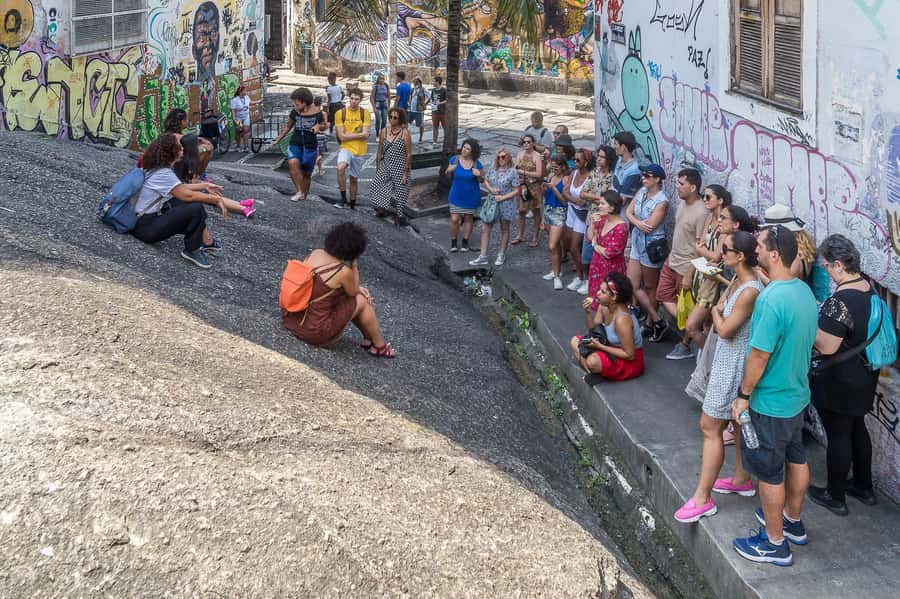
Then comes Pedra do Sal, considered the place where samba was born. You will also hear that this area is the oldest continuously inhabited Black neighborhood in the country. That combination, a specific cultural birth story plus a specific neighborhood timeline, is powerful.
You will be standing in a spot where history is not abstract. It is about community presence over time. And that helps you understand why samba is more than a music genre. It is a social story, born from shared life, creativity, and resilience.
In the guide style on this tour, you will usually get a mix of place-based description and explanation. People often highlight how the storytelling stays engaging, and how guides like Luana, Nathalia, and Ryane made the history feel real instead of distant.
Jardim Suspenso do Valongo and Cais do Valongo: the ending that hits
The last major area is Jardim Suspenso do Valongo (the Hanging Garden of Valongo), followed by Cais do Valongo. These stops matter because they shift the focus to Valongo and the physical reality of where people arrived and where lives were reshaped.
You will visit Jardim Suspenso do Valongo first (about 20 minutes guided). Then you continue to Cais do Valongo. The tour ends back at Museu de Arte do Rio.
If you want a takeaway, here it is: this is where the tour connects culture with consequence. samba and dance did not appear in a vacuum. They formed in a world shaped by forced migration, labor, and the long fight to keep identity alive.
How long it really takes, and how to handle the weather
The tour runs about 150 minutes total, including a break. There is a 10 minute break at Museu de Arte do Rio. After that, you are on the move through multiple stops.
Because it happens rain or shine, you should dress like it is going to be outdoors the whole time. Bring comfortable shoes. Bring water. Add sunscreen if the sun is out. This tour is not built around sitting in the shade for long stretches.
Also, think about pace. One of the most repeated notes from people doing this walk is that it is worth it, but you should treat it like an outdoor activity, not a casual stroll.
Price and value: why $40 can be a fair deal
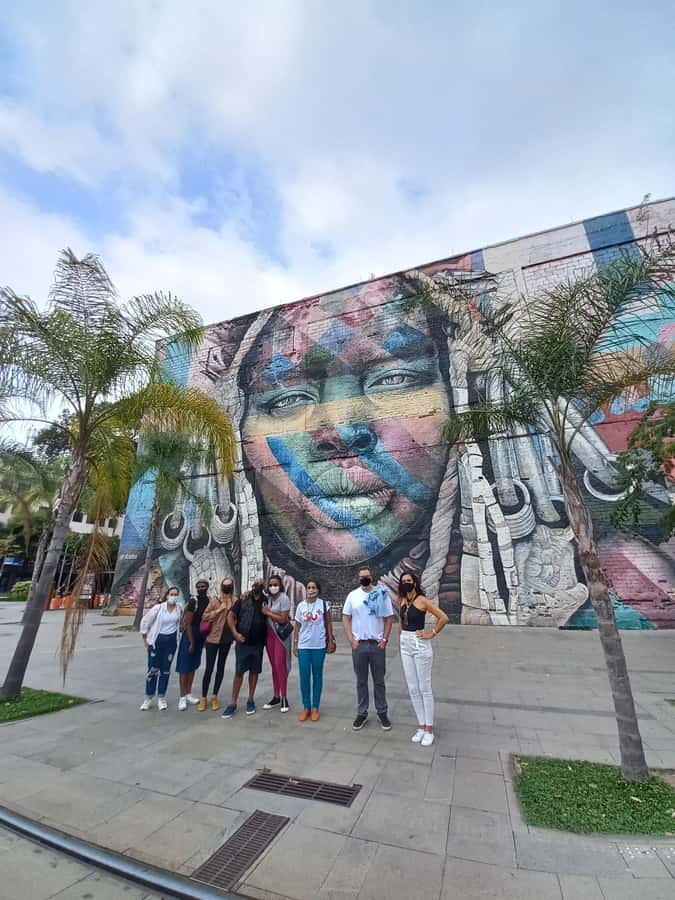
At $40 per person for about 2.5 hours, the value is in what you get for your attention span: a guided narrative that connects major landmarks to an African heritage thread.
A lot of city walks in Rio focus on skyline photos or broad city facts. This one spends its time on the parts that change how you understand Brazil’s racial and cultural history. The guide input is the real “ticket” here. When people mention how much they learned, they usually mean it in the practical sense: it helped them interpret murals, monuments, and neighborhood names during the rest of their trip.
You are also choosing an experience with a track record. The tour shows a 4.9 rating from 177 reviews in the info you provided, and many of those notes praise the guide’s energy and the way they answer questions.
One small consideration on value: there is no hotel pickup or drop-off. So you should plan to reach Museu de Arte do Rio on your own, then arrange your return transport afterward.
Who this tour suits best (and who might want something else)
This is a great fit if you want:
- a guided understanding of Rio beyond the postcard version
- a focus on African heritage and how it shaped culture in Brazil
- a walking route that ties major historical places to cultural outcomes like samba
It is less of a fit if you:
- need a mostly indoor experience (this is outdoors)
- travel with very young kids, because it is not suitable for children under 5
If you are already deep into Rio, you can still get value because the tour helps you reframe what you see afterward. If you are new to Brazil, even better. That colonial-era setup helps you catch the meaning behind the neighborhood.
Should you book the Rio Little Africa Heritage Walking Tour?
Yes, if your goal is understanding. This tour is built to turn the port area into a coherent story, with a real focus on Afro-Brazilian heritage and why samba is tied to place like Pedra do Sal and to people across time.
Book it if:
- you enjoy guided walking tours and can handle about 2.5 hours outdoors
- you want English narration and a structured route that hits the key sites
- you want a narrative approach, not a checklist of photos
Skip it or look for another option if:
- you are not comfortable walking rain or shine
- you need hotel pickup service
- English-only is a problem for your group
If you do book, do yourself a favor and arrive early at Museu de Arte do Rio. Then go in ready to ask questions, because the most praised guides on this route, from Luana to Nathalia to Ryane and Eddie, tend to keep the story moving and make the history feel personal and clear.
FAQ
Where is the meeting point for the tour?
Meet your guide in front of Museu de Arte do Rio. Arrive about 5 minutes before the start time.
How long is the Rio Little Africa Heritage walking tour?
The tour lasts about 150 minutes.
Is the tour in English?
Yes. This tour is offering only in English.
Is hotel pickup included?
No. Hotel pickup and drop-off are not included.
Does the tour run in bad weather?
Yes. The tour takes place rain or shine.
Is there a break during the walk?
Yes. There is a 10-minute break at Museu de Arte do Rio.
What stops are included during the walk?
You’ll visit places including Morro da Conceição, Largo de São Francisco da Prainha, Pedra do Sal, Jardim Suspenso do Valongo, and Cais do Valongo.
What should I bring?
Bring comfortable shoes, sunscreen, water, and comfortable clothes.
Is the tour suitable for children?
It is not suitable for children under 5 years.
Rio's Older Story on Foot
- Private Walking and Cultural Tour Rocinha-Rio de Janeiro
★ 5.0 · 239 reviews - Rio de Janeiro: Historic Rio and Santa Teresa Half-Day Tour
★ 4.4 · 228 reviews - Rio Gastronomy: Culture & History Through The Art Of Food – Walking Group Tour
★ 5.0 · 164 reviews - Adventure & History at Tijuca Forest (small group or private)
★ 5.0 · 161 reviews
Recently added around Rio




Little Africa Walks, compared.
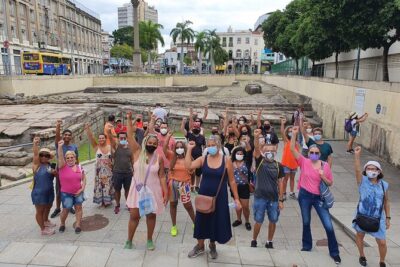
Discover Rio Little Africa: A Cultural and Historical Journey
Read our review →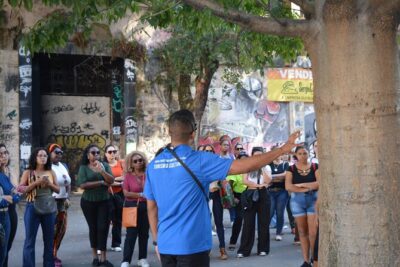
Explore Little Africa : Unveiling Afro Heritage in Rio de Janeiro
Read our review →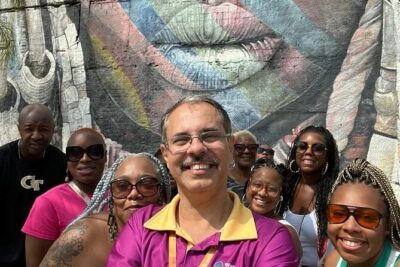
2 in 1: Private Favela & Little Africa- The Full African History!
Read our review →
Little Africa Unveiled: Vibrant Afro-Brazilian Heritage in Rio
Read our review →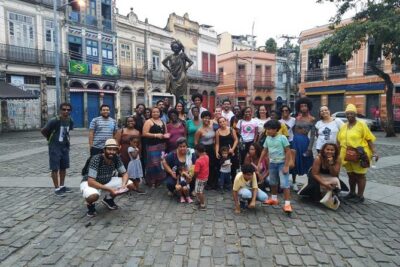
Little Africa – Walking tour from the passed to the future
Read our review →
Little Africa: Historical & Heritage Tour of Rio de Janeiro
Read our review →
More of this kind of Rio day