
Reviewed · LITTLE AFRICA WALKS
Rio: Little Africa Unveiled: vibrant Afro-Brazilian Heritage
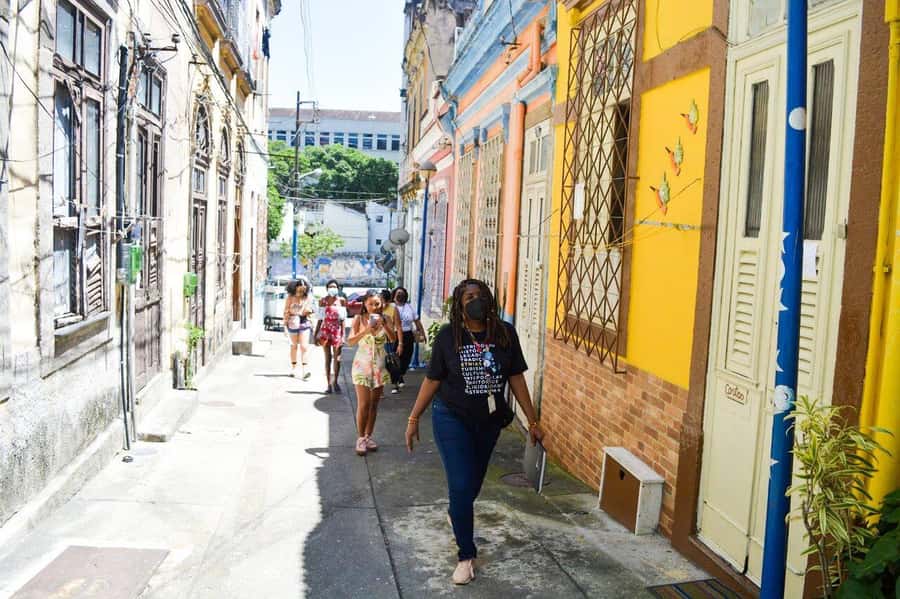
Street history hits harder with footsteps. This 4-hour Rio walking tour, called Little Africa Unveiled, focuses on Afro-Brazilian heritage and the real people behind Rio’s culture, not just postcard explanations. You’ll follow a carefully chosen route through places tied to national identity, where the guide connects slavery to the rhythms of samba.
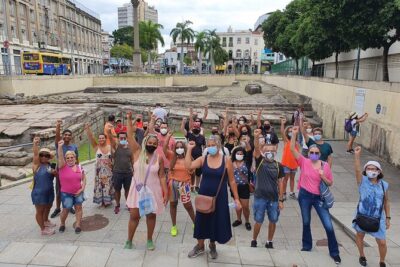
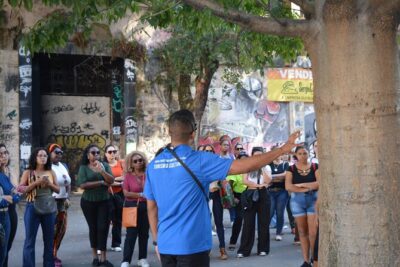
I especially like the storytelling approach, guided by Carolina (Carol), who brings clear, passionate detail and even draws parallels to US history in a way that helps it land. I also like the small group size, limited to 10, because it makes it easier to ask questions and keep the pace human on a walking tour.
One possible consideration: it is a walking experience with no food or drinks included, so plan on bringing water and staying comfortable for a full 4 hours, even when the topics turn heavy.
In This Review
- Key things that make this tour work
- Why Rio calls this area Little Africa
- 4 hours on foot: what the walking format gives you
- Meeting at Windsor Guanabara and getting oriented fast
- Carolina (Carol) and the storytelling approach
- Stops built around slavery, resistance, and samba rhythms
- The Vaccine Revolt and religiosity: politics meets daily life
- Value check: $107 for a 4-hour small-group history lesson
- Who should book, and who might feel mismatched
- Should you book Rio: Little Africa Unveiled?
- FAQ
- How long is the tour
- Where do I meet the tour group
- Is hotel pickup or drop-off included
- What language is the tour in
- How big is the group
- Is food and drinks included
Key things that make this tour work
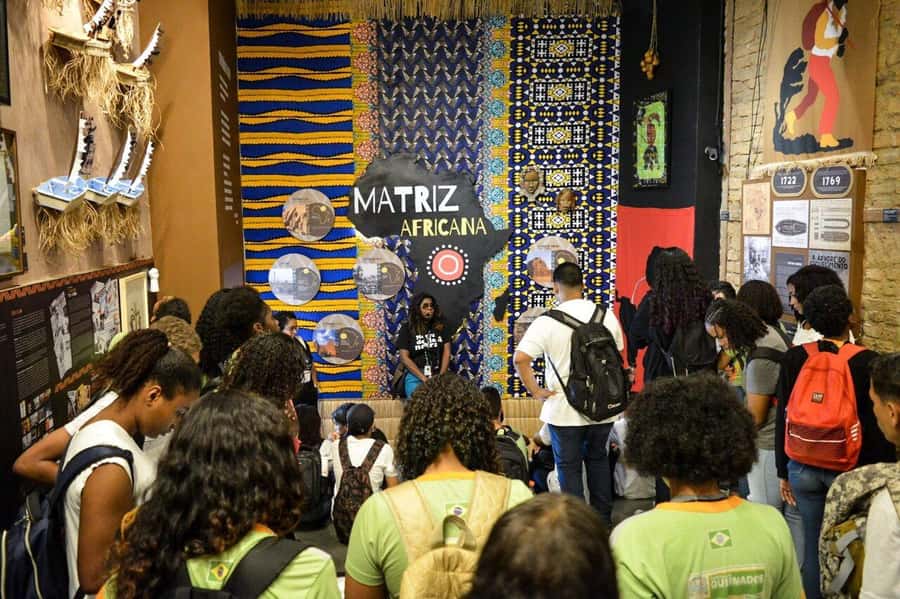
- Carolina (Carol) leads the walk, with passionate, informative explanations that make the connections feel personal.
- Small group of up to 10 means you get more back-and-forth instead of just listening to headphones.
- Afro-Brazilian influence on national identity is treated as central, not a sidebar.
- Slavery, resistance, and samba rhythms are linked as part of one story, not separate themes.
- The Vaccine Revolt and religiosity bring in politics and faith, showing how communities endured and organized.
More walks through Little Africa:
- Discover Rio Little Africa: A Cultural and Historical Journey
★ 5.0 · 238 reviews - Rio de Janeiro: Little Africa Heritage Walking Tour
★ 4.9 · 177 reviews - Explore Little Africa : Unveiling Afro Heritage in Rio de Janeiro
★ 5.0 · 97 reviews - 2 in 1: Private Favela & Little Africa- The Full African History!
★ 5.0 · 21 reviews
Why Rio calls this area Little Africa
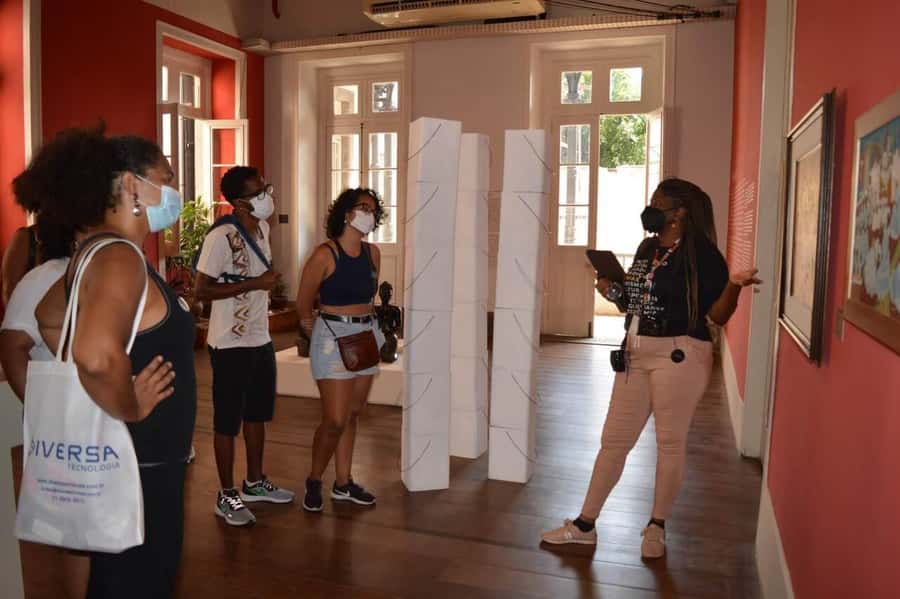
This tour’s whole premise is that Afro-Brazilian life shaped Rio in direct, lasting ways. You are not just learning that Black people were present, you are learning how Black communities contributed to Brazil’s economy, society, culture, and sense of self. That is the lens that makes it feel different from the usual highlights shuffle.
Rio’s history is often told through politics and monuments. This experience shifts the focus toward everyday culture and community memory, including themes of slavery and its aftermath. The guide also connects those themes to samba rhythms, which matters because samba is not treated like background music. It is treated like a living result of history, creativity, and survival.
You should also know that the tour is designed to be emotionally serious. The themes include slavery, and it also covers the historic Vaccine Revolt and religiosity. If you want a light walk with jokes only, this may not match your mood. If you want meaning and context, it is a strong fit.
4 hours on foot: what the walking format gives you
A walking tour can sound basic, but here it helps more than usual. On foot, you get time to absorb atmosphere and changes in the urban fabric without rushing past every building. The guide can point out connections between history and place as you move, which is harder to do in a bus window.
The timing also works. At 4 hours, you have enough time for real narrative arcs, like moving from slavery to cultural expression, then into resistance events tied to the Vaccine Revolt, and finally toward religiosity. You are not cramming 12 hours of content into two, so the guide can slow down where it counts.
The small group element matters too. With a maximum of 10 participants, you are more likely to get clarification when something feels confusing. You will also feel less like a number, which keeps the tour from turning into a lecture.
Quick practical note: since food and drinks are not included, bring water and plan a snack strategy before you start. Comfortable shoes matter because 4 hours of walking can feel longer when the conversation is intense and you keep stopping.
Meeting at Windsor Guanabara and getting oriented fast

Your meeting point is Windsor Guanabara Hotel, in front of the hotel main entrance, at Av. Presidente Vargas, 392, Centro, Rio de Janeiro. The route starts with you getting there early, ideally about 20 minutes before the tour begins.
The tour is convenient to reach from Cinelândia Metro Station (Line 1). The walk from the metro station is about 15 minutes, so you can aim for that as your planning baseline. Building in extra time is smart because Centro can feel busy, and you do not want to arrive flustered right before the first storytelling beat.
Getting oriented early also gives you a second advantage: you settle your brain before the tour starts talking about slavery and resistance. When you start calm, the themes land better, instead of feeling like a sudden emotional wall.
No hotel pickup or drop-off is included, so you will want to treat this like an on-your-feet city experience. If you like structured start points, you will appreciate how clear the meeting location is.
Carolina (Carol) and the storytelling approach
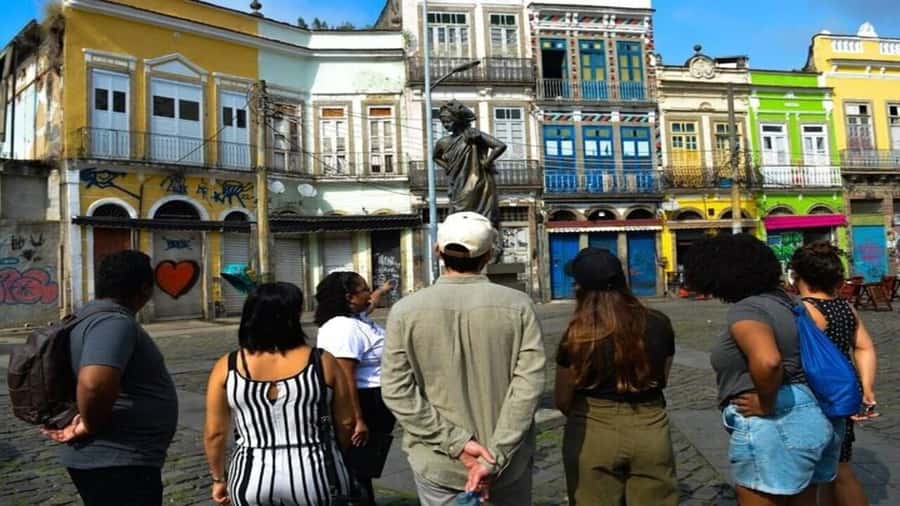
The review you have here highlights one name again and again: Carolina (Carol). The key thing is not just that the guide is friendly, it is that she is passionate and informative in a way that makes history feel threaded, not random.
A standout detail in the feedback is how the guide made the history feel recent and connected, including parallels to US history. That matters if you are arriving with only a surface-level understanding of slavery and racial history. The guide’s approach can help you place what you are learning into frameworks you already recognize, then complicates them with Brazil-specific context.
The tour is led in English, and the guide is described as bilingual. In practice, that usually means clear communication and an ability to handle different kinds of questions without your language becoming the problem.
Because this is a small group, you are not just following a script. You are listening to how the guide explains connections between culture and power, and you have a better chance to ask for clarification when you want it.
Stops built around slavery, resistance, and samba rhythms
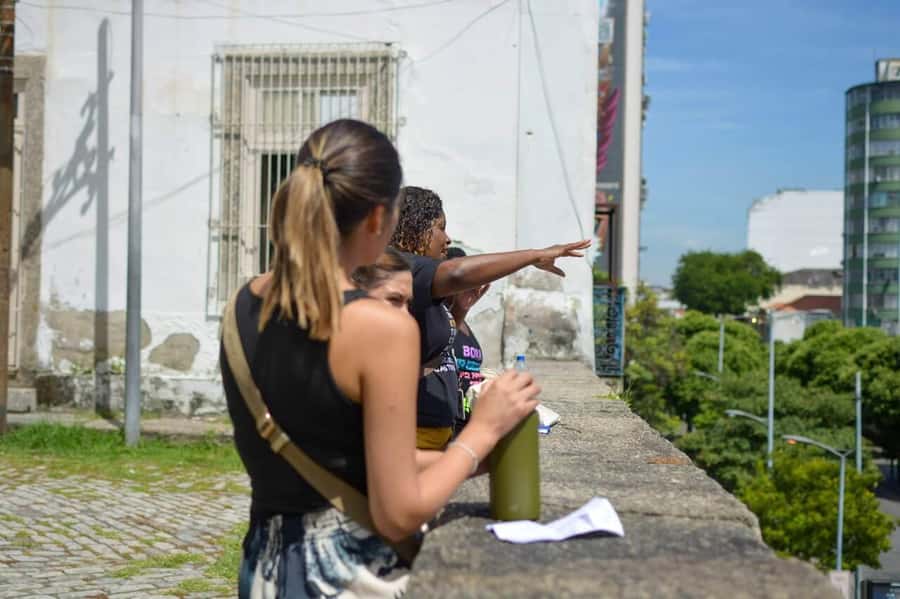
I like how the tour’s themes are organized like a story with cause and effect. It does not treat samba as a separate entertainment topic. It treats samba as part of how people lived, expressed identity, and carried memory forward even under extreme pressure.
The slavery theme is handled as more than dates and facts. The tour is specifically described as one that explores the themes of slavery and its rhythms of samba. That pairing is the point: you learn to hear cultural expression as something shaped by history, not something that appeared out of nowhere.
At the historically and culturally significant sites along the route, you should expect the guide to connect what you see with how Afro-Brazilians influenced Brazilian life. The tour description frames these places as living proof of Black contributions to economy, society, culture, and collective identity. Even without a formal museum setting, that idea turns street corners and landmarks into context.
What I recommend you do during these segments is listen for the guide’s links, not just the facts. Ask yourself: how does the place relate to the people, and how does the culture carry the memory forward? If you do that, the walk will feel more meaningful than a checklist.
A realistic caution: because it covers slavery, the mood may shift. If you are sensitive to heavy topics, plan your day so you have time to decompress after.
More of Rio's older story on foot:
- Rio de Janeiro Historical Center Walking Tour★ 4.5 · 336 reviews
- Private Walking and Cultural Tour Rocinha-Rio de Janeiro★ 5.0 · 239 reviews
- Rio de Janeiro: Historic Rio and Santa Teresa Half-Day Tour★ 4.4 · 228 reviews
- Rio Gastronomy: Culture & History Through The Art Of Food – Walking Group Tour★ 5.0 · 164 reviews
- Adventure & History at Tijuca Forest (small group or private)★ 5.0 · 161 reviews
The Vaccine Revolt and religiosity: politics meets daily life
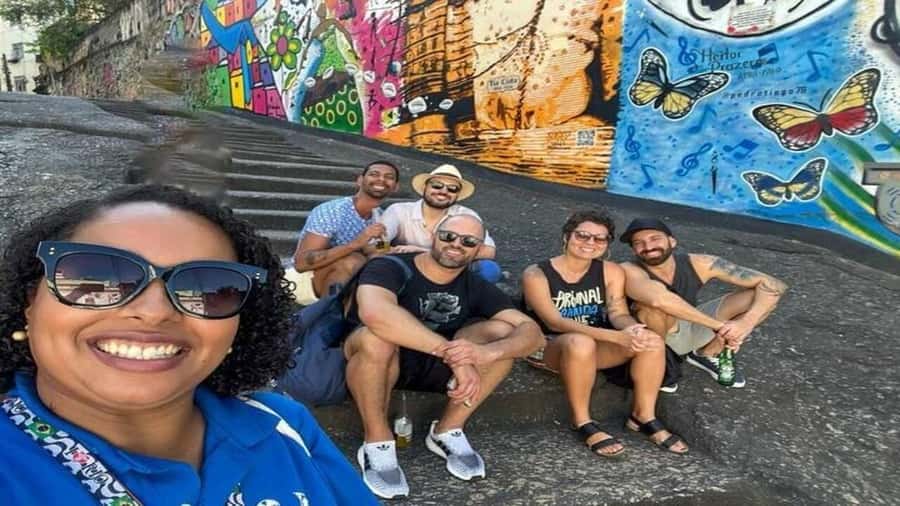
Not every history tour in Rio includes the Vaccine Revolt, so it is a key reason to consider booking if you like the idea of seeing how public events connect to specific communities. This tour includes the historic Vaccine Revolt and places it within a broader story that also includes religiosity.
That combination is important. Politics can sound abstract until you see how policies hit real lives, especially in communities dealing with inequality and long-term oppression. Religiosity, on the other hand, often gets treated like folklore on regular sightseeing walks. Here, it is presented as part of how people survived, organized, and maintained identity.
As you move through the route, pay attention to how the guide frames these topics as part of one lived reality. The goal is not to turn faith into a debate. The goal is to show how belief systems and community rituals relate to resilience and continuity.
If you are the type who likes understanding how culture, protest, and belief interact, you will probably leave with a stronger sense of why Afro-Brazilian history is not separate from Brazilian history. It is built into it.
Value check: $107 for a 4-hour small-group history lesson
At $107 per person for a 4-hour walking tour, the value depends on what you want from your time in Rio. If you want only a few photos and some general context, you can usually find cheaper group tours. But if you want interpretation, connection, and a story that centers Afro-Brazilian influence, this price starts to make sense.
Here is why the cost feels reasonable based on what is included:
- You get a live guide in English, and the tour is described as having a bilingual tour guide.
- The group is small, capped at 10 participants, which usually improves the quality of questions and discussion.
- The content is focused, not broad. Slavery, samba rhythms, the Vaccine Revolt, and religiosity are not random add-ons.
What you should factor in: food and drinks are not included. So your true daily cost is the tour fee plus whatever you spend on water and snacks. If you arrive hungry, you will spend time thinking about food instead of absorbing the story.
For first-time visitors who want depth, the price can feel like a good trade. For repeat visitors, it can still be worth it if you like cultural history that goes beyond the usual monuments.
Who should book, and who might feel mismatched
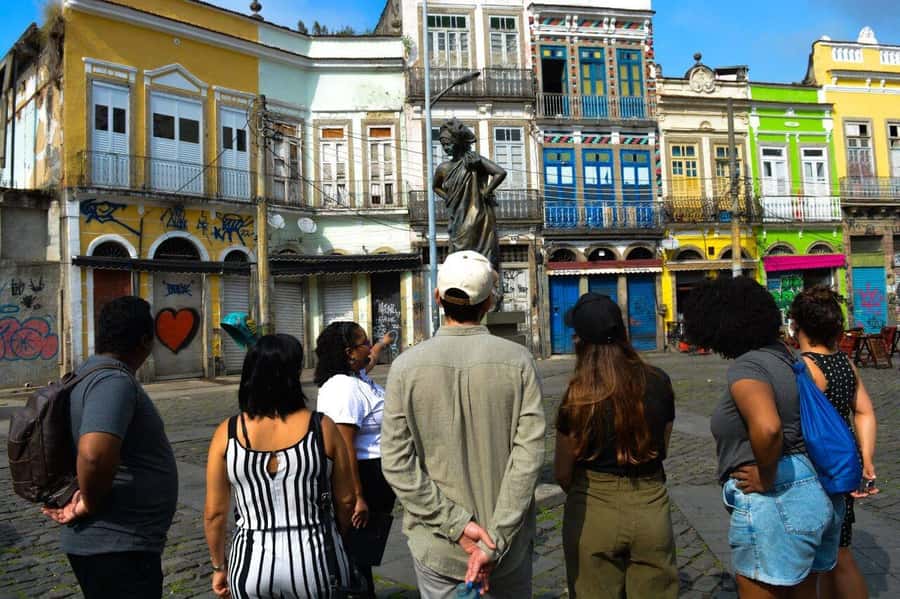
This tour is a strong match if you:
- Want a walking history experience focused on Afro-Brazilian heritage in Rio
- Like tours with discussion and a small group setting
- Are curious about how samba rhythms connect to history, not just performance
It might be less ideal if you:
- Prefer purely upbeat sightseeing without heavy historical themes
- Need frequent stops for rest breaks or have limited stamina for 4 hours on foot
- Expect food included or a sit-down style tour
The best way to think about it: this is not a background history lesson. The guide is trying to make you moved and thoughtful, especially with slavery as a central theme and the Vaccine Revolt and religiosity added for context.
If you like to pair learning with walking, this kind of tour fits perfectly into a first or second day in Rio, when you are still building your mental map.
Should you book Rio: Little Africa Unveiled?
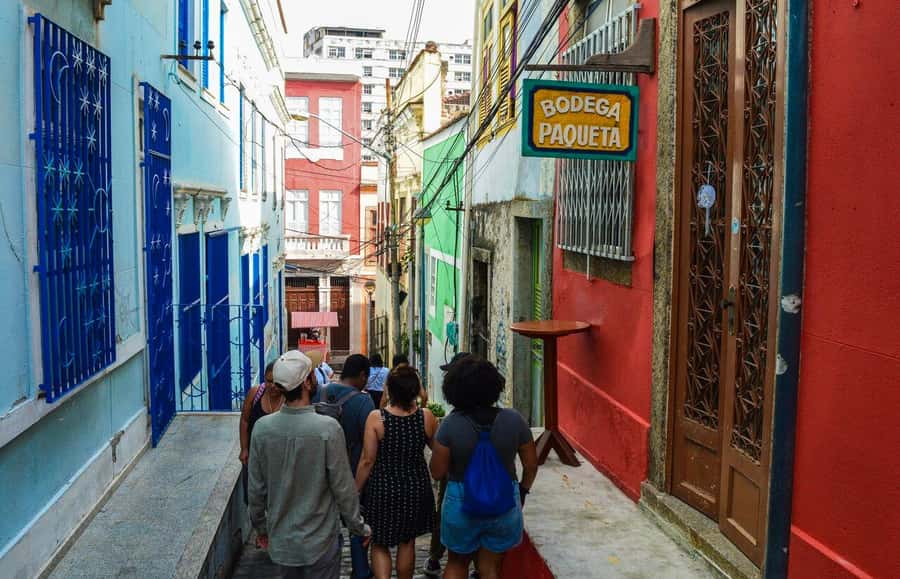
I would book it if you want Rio history with a point of view and you are ready to sit with serious themes. The strongest selling points in the information you have here are the focus on Afro-Brazilian impact, the pairing of slavery with samba rhythms, and the inclusion of the Vaccine Revolt and religiosity. Add a small group size capped at 10 and a guide like Carolina (Carol) who brings passionate, detailed explanations, and the experience has a real chance of feeling personal, not generic.
I would skip it if you are only looking for quick highlights, or if you want food included and a lighter tone. Also, plan ahead for walking and bring water.
If you are trying to understand Rio beyond the obvious, this is one of those tours that helps you connect culture to history, and history to the streets you are walking.
FAQ
How long is the tour
It runs for 4 hours.
Where do I meet the tour group
Meet in front of the Windsor Guanabara Hotel main entrance at Av. Presidente Vargas, 392, Centro, Rio de Janeiro. Aim to arrive at least 20 minutes early.
Is hotel pickup or drop-off included
No, hotel pickup and drop-off are not included.
What language is the tour in
The live tour guide is English. The tour is also described as having a bilingual tour guide.
How big is the group
It is a small group limited to 10 participants.
Is food and drinks included
No. Food and drinks are not included.
Recently added around Rio





Little Africa Walks, compared.
Discover Rio Little Africa: A Cultural and Historical Journey
Read our review →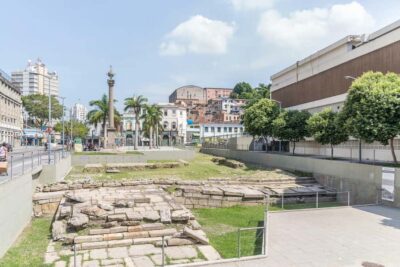
Explore Little Africa : Unveiling Afro Heritage in Rio de Janeiro
Read our review →
2 in 1: Private Favela & Little Africa- The Full African History!
Read our review →
Little Africa Unveiled: Vibrant Afro-Brazilian Heritage in Rio
Read our review →
Little Africa – Walking tour from the passed to the future
Read our review →
Little Africa: Historical & Heritage Tour of Rio de Janeiro
Read our review →More of this kind of Rio day