
Reviewed · HISTORICAL TOURS
The landscaper Burle Marx and its site – cultural heritage
Rio has a secret garden brain. This guided, small-group trip to Sitio Roberto Burle Marx turns Burle Marx’s ideas into something you can walk through, and the route also threads in Barra de Guaratiba beach time. I especially loved the genetic bank of major tropical species and the fact that the tour stays small-group sized, so you can ask real questions instead of shouting over the crowd.
You do, however, need to plan for bugs. One review called out that mosquitoes were a major annoyance, so I’d treat repellent like a must, not a maybe.
In This Review
- Key things I’d watch for on this tour
- Entering Sitio Roberto Burle Marx, and why this is a smart Rio detour
- The genetic bank: Atlantic Forest to Amazon in one visit
- How Burle Marx used tropical flora for modern garden design
- Barra de Guaratiba: beaches as part of the Burle Marx story
- The UNESCO-linked credits, plus art objects and a restored 17th-century church
- Barra da Tijuca to Barra de Guaratiba: seeing how Rio grows outward
- Guides, pace, and small-group comfort, with Camilo as a standout
- Price and what you’re really paying for
- Weather, mosquitoes, and how to be comfortable
- Who this tour fits best in Rio
- Should you book this Roberto Burle Marx Site tour?
- FAQ
- Where does this tour take place?
- How long is the tour?
- What time does the tour start?
- How large is the group?
- What is included in the price?
- Is lunch included?
- What areas does the tour cover besides the main site?
- Do I need good weather for this tour?
- Are children allowed?
- Is there a fitness requirement?
- Booking note
Key things I’d watch for on this tour
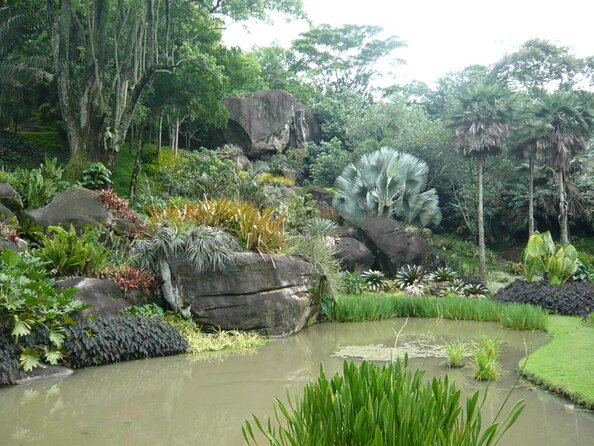
- Genetic bank across biomes: Atlantic Forest, Cerrado, Amazon, and other tropical regions represented in one place
- Tropical plants + modern garden design: you’ll see how Burle Marx broke from traditional European garden formulas
- Beach time included: Barra de Guaratiba gets built into the day, not tacked on at the end
- Beyond plants: there’s a collection of plants and objects of art and design, plus a 17th-century church restoration
- Garden design credits: you’ll connect his work to major Rio public spaces and even UNESCO headquarters
More of Rio's older story on foot:
- Rio de Janeiro Historical Center Walking Tour
★ 4.5 · 336 reviews - Private Walking and Cultural Tour Rocinha-Rio de Janeiro
★ 5.0 · 239 reviews - Discover Rio Little Africa: A Cultural and Historical Journey
★ 5.0 · 238 reviews - Rio de Janeiro: Historic Rio and Santa Teresa Half-Day Tour
★ 4.4 · 228 reviews
Entering Sitio Roberto Burle Marx, and why this is a smart Rio detour
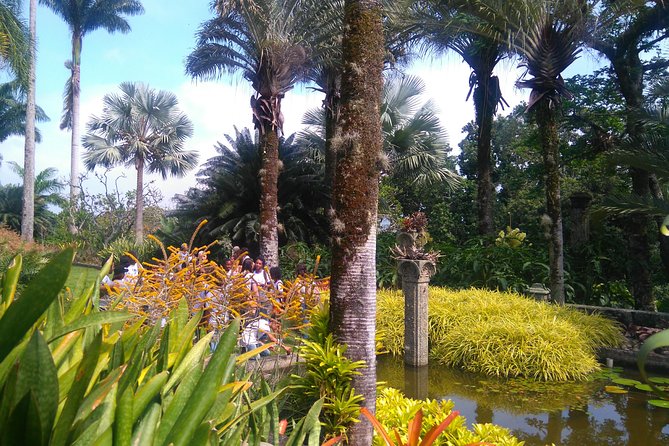
If your Rio plan is all beaches and city views, this tour adds something different. You head out to Sitio Roberto Burle Marx, a place built around Burle Marx’s big idea: tropical nature is not second best. It can be the foundation for serious, modern garden design.
What makes this trip practical is the timing and format. It starts at 8:00 am and runs about 5 hours, with a private-vehicle ride and hotel or port pickup and drop-off. The group size is capped at 15, so the guide can keep the day moving without turning it into a rushed slideshow.
The heart of the experience is about seeing plants in context. You are not just looking at scenery. You’re learning how Burle Marx thought, selected, tested, and arranged tropical species as design elements. That’s a huge part of why the site feels more like a living classroom than a quick photo stop.
The genetic bank: Atlantic Forest to Amazon in one visit
One of the most memorable parts is the true genetic bank of important species from multiple biomes. At Sitio Roberto Burle Marx, you’ll see plants tied to the Atlantic Forest, Cerrado, Amazon, and other tropical regions. That mix matters because it frames the site as more than pretty gardens.
A genetic bank is basically nature’s paperwork, the living material needed to preserve species variety. In practical terms for you, it means the tour focuses on plant diversity, not just appearance. If you enjoy botany, conservation ideas, or simply understanding why certain plants thrive in Rio’s conditions, this section pays off.
It also helps you connect Burle Marx’s design choices to reality. His gardens were not just art set dressing. They were built from an understanding of what tropical plants can do, and how they can be arranged for structure, texture, and long-term growth.
Tip: when the guide points out species or patterns, take a moment to look for repeated shapes and colors. Burle Marx was translating tropical growth into garden form.
How Burle Marx used tropical flora for modern garden design
Here’s the design story you’ll hear and see: Burle Marx found the potential of tropical flora and applied it to modern garden design. He didn’t rely on the usual European garden look. The tour explains how he broke with those traditions and built a new approach that fits tropical environments.
I like this angle because it explains the “why” behind what you’re seeing. When a garden feels cohesive, it’s often because someone made choices about spacing, layering, and plant behavior. This tour helps you notice those choices instead of treating the place like random greenery.
You’ll also get reminders that Burle Marx worked as a serious artist. One review highlighted how the guide told stories about Brazil, and that matters here. The story turns into sight. You start recognizing design logic, like how plant textures can create boundaries without fences, or how height variation guides your attention across the grounds.
Drawback to keep in mind: plant talk can move fast on a timed visit. If you’re the type who wants to read every label, you might want to slow down in the spots where the guide has you stop, and ask for a second explanation.
Barra de Guaratiba: beaches as part of the Burle Marx story
This day isn’t only inland. The itinerary includes time around Barra de Guaratiba and its lush beaches. That matters because Burle Marx’s work is tied to the tropical setting. You’re not just learning in a museum-like way. You’re also seeing how the coast and surrounding greenery shape daily life.
Expect the vibe to shift from garden paths to coastal atmosphere. You’ll likely appreciate the contrast: cultivated plantings and design decisions versus the free-form feeling of beach landscape. Even if you don’t spend hours on the sand, the stop helps you understand how the region’s natural character influences the work.
Practical note: this is Rio, and the weather can change. The tour is subject to favorable weather conditions. If conditions are bad, the experience may be canceled and rescheduled or refunded, so you should treat an 8:00 am start as the kind of plan that depends on what the day brings.
And yes, plan for mosquitoes, especially in green areas. One review straight up said they were very bothersome. Pack repellent, and consider wearing long sleeves if the timing lands you near dusk or thick vegetation.
The UNESCO-linked credits, plus art objects and a restored 17th-century church
One of the most interesting moments is when the tour connects Burle Marx’s garden vision to public projects beyond the site. The tour includes his connection to gardens tied to UNESCO headquarters, Parque do Flamengo, and the Copacabana boardwalk. Seeing a small garden site is one thing. Seeing how the same thinking scales to major Rio spaces is a bigger “aha.”
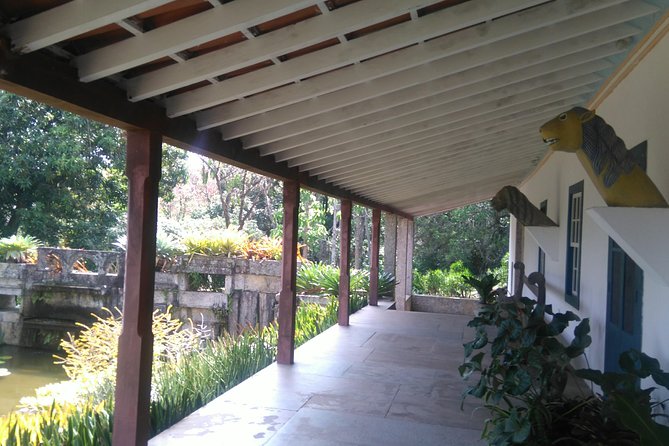
Then the tour moves beyond plants into a collection of plants and objects of art and design. That part is worth paying attention to if you like design details. It helps you understand Burle Marx not only as a garden planner, but as an artist using materials and objects as part of the visual language.
A major bonus: you also visit a 17th-century church restored by him. This is where the day feels especially layered. It stops being only about plants and turns into a story about restoration and reuse, with Burle Marx’s eye for aesthetics applied to older architecture too.
What I’d watch: this portion can feel like several topics in one sequence. If you want to keep it coherent, focus on the connections the guide makes. The best guides will show how design principles carry across plants, objects, and restored space.
If this one is full, Rio has these as well:
- Rio de Janeiro: 6-Stop Highlights of Rio with Lunch★ 4.4 · 5,157 reviews
- Christ the Redeemer Entry Ticket by Corcovado Train★ 4.4 · 4,476 reviews
- Rio’s City Tour – Tickets for Christ, Sugar Loaf & Lunch included★ 5.0 · 4,389 reviews
- Full Day: Christ Redeemer, Sugarloaf, City Tour & Barbecue Lunch★ 4.5 · 3,142 reviews
- Rio de Janeiro: Rocinha Favela Walking Tour with Local Guide★ 4.8 · 3,052 reviews
Barra da Tijuca to Barra de Guaratiba: seeing how Rio grows outward
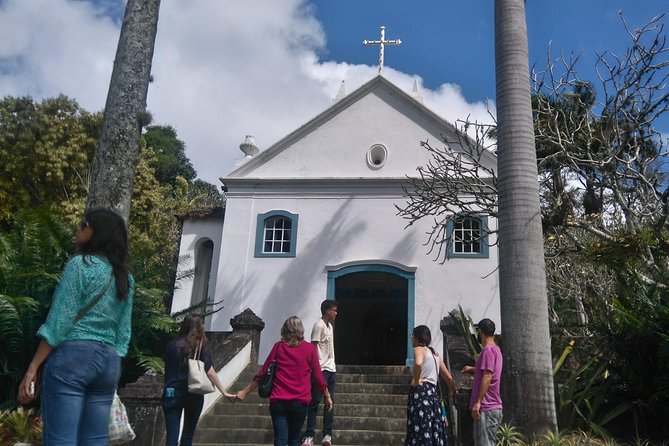
After the core site time, you’ll spend time visiting Barra da Tijuca and Barra de Guaratiba. Think of this as a “context ride” that helps you place the Burle Marx site within Rio’s geography.
Barra da Tijuca is about Rio’s wide-open feel. Barra de Guaratiba leans more coastal and lush. Even with limited time, the contrast helps you understand why tropical plant choices matter. In a city that mixes nature, coastline, and urban planning, garden design becomes one more tool for shaping how people move through place.
You’ll also likely come away with a better mental map of what you want to do on other days. For example, if you like coastal walking routes, you’ll know which direction to explore. If you prefer shaded areas and plant-focused sightseeing, the day nudges you toward that kind of itinerary.
This is also where the timing matters. At around 5 hours total, you’re not meant to cover all of Rio. You’re meant to get a specific, high-value slice that feels different from a standard city tour.
Guides, pace, and small-group comfort, with Camilo as a standout
The biggest strength here is not just what you see. It’s how you see it. Reviews praise the guide experience, and one name pops up again and again: Camilo Sequeira.
People liked that Camilo kept things at their pace, told strong stories, and answered questions without making you feel rushed. One review also mentioned that he took videos and pictures during the visit, which is a nice extra when you want more than just your phone photos.
I also value when a guide is both informative and practical. Safety and driving style came up in reviews, which matters because you’re in a private vehicle doing a morning departure, and you want the day to feel controlled.
With small group size (max 15), you’re more likely to get specific attention. You can ask, Where does this plant come from? Why would Burle Marx choose this texture? How does this connect to his public projects? That’s the kind of back-and-forth that turns “a tour” into actual learning.
Suggestion for you: bring a couple of questions ahead of time. Simple ones work, like what tropical plants are native versus adaptable, or what design features create structure in a tropical setting.
Price and what you’re really paying for
At $202.94 per person for about 5 hours, this tour is priced like a guided half-day with serious extras. Here’s what makes the value feel real, not just marketing.
First, you get hotel or port pickup and drop-off, plus transport by private vehicle. That saves time and hassle, especially with an 8:00 am start.
Second, bottled water is included, and you have guide coverage that includes driver/guide, a local guide, and a professional guide. That combination suggests more than one person is there to keep the day flowing and explain details.
Third, the admission ticket is included for the Sitio Roberto Burle Marx portion, and that’s a core part of the experience rather than an optional add-on.
What is not included is lunch. So if you want food energy afterward, plan to eat either before you go or afterward on your own.
If you care about authenticity and design thinking, the price starts to make sense. You’re paying for guided access to a place that is more than scenic, it’s interpretive. You’re also paying for a smaller group and transport convenience.
Weather, mosquitoes, and how to be comfortable
This experience is subject to favorable weather conditions. If it’s canceled due to poor weather, you’ll get a different date or a full refund, so you’re not stuck, but you should still plan around variability.
Bring repellent because mosquitoes can be a real issue at the site, especially in greener areas. One review made that point clearly. Don’t rely on chance.
For your clothing, think light layers plus something that covers your arms if needed. You’ll be outside for parts of the morning, and beach areas can mean wind changes and sudden shifts in comfort.
Physical fitness wise, the tour requests a moderate level. That’s usually code for some walking and standing, not intense hiking, but you should still bring comfortable shoes.
A small planning tip: since lunch is not included, it helps to bring a snack if you’re the type who gets hungry early. The tour provides bottled water, but it does not replace food.
Who this tour fits best in Rio
This is a great fit if you:
- like garden design ideas with real-world connections
- want a quieter, less obvious Rio stop than the usual must-dos
- enjoy learning from guides who can tell stories, not only recite facts
- want a small-group experience with time to ask questions
It’s also smart for design-minded travelers who appreciate restoration, public works, and how an artist’s choices scale from a private site to major city projects.
If you only want beach time, this may feel more balanced than you expect. Beaches are included, but the main focus is the Sitio Roberto Burle Marx experience and its botanical and design story.
Should you book this Roberto Burle Marx Site tour?
I think you should book it if you want a Rio day that feels personal and grounded in design, plants, and place. The small group size, the included admission, and the way the tour connects tropical species to modern garden design add up to a strong value for a half-day.
You should skip or rethink if you get bothered easily by bugs, or if you dislike outdoor walking in green areas. In that case, repellent planning becomes non-negotiable.
My final take: this is the kind of tour that leaves you seeing Rio differently. You’ll still love the city beaches, but you’ll also start noticing the garden thinking behind the views.
FAQ
Where does this tour take place?
This tour is in Rio de Janeiro, Brazil, with hotel or port pickup and drop-off.
How long is the tour?
It runs for about 5 hours.
What time does the tour start?
The start time is 8:00 am.
How large is the group?
The maximum group size is 15 travelers.
What is included in the price?
Included are bottled water, driver/guide, local guide, professional guide, transport by private vehicle, and hotel or port pickup and drop-off. Admission for the Sitio Roberto Burle Marx visit is also included.
Is lunch included?
No, lunch is not included.
What areas does the tour cover besides the main site?
You also visit Barra da Tijuca and Barra de Guaratiba, including the lush beaches area of Barra de Guaratiba.
Do I need good weather for this tour?
Yes. The tour is subject to favorable weather conditions. If it is canceled due to poor weather, you will be offered an alternative date or a full refund.
Are children allowed?
Children must be accompanied by an adult.
Is there a fitness requirement?
You should have a moderate physical fitness level.
Booking note
If you want this one, I’d plan ahead. On average, it gets booked about 13 days in advance.
Recently added around Rio




Historical Tours, compared.
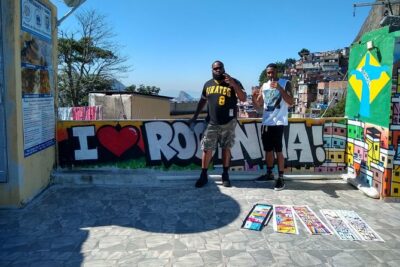
Private Walking and Cultural Tour Rocinha-Rio de Janeiro
Read our review →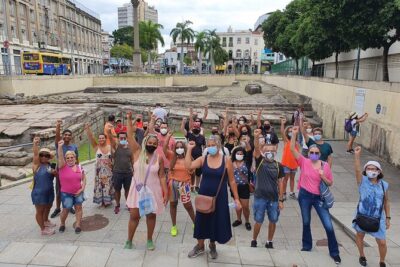
Discover Rio Little Africa: A Cultural and Historical Journey
Read our review →
Rio Gastronomy: Culture & History Through The Art Of Food – Walking Group Tour
Read our review →
Adventure & History at Tijuca Forest (small group or private)
Read our review →
From the Past to the Present: A Historical Walking Tour of Rio
Read our review →More of this kind of Rio day