
Reviewed · HISTORICAL TOURS
Rio Culture and History & Traditional Foods
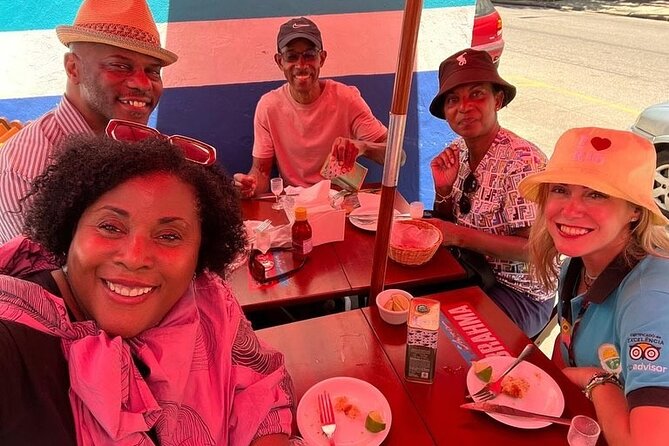
Rio tastes better on this food and culture loop. I love the expert guide Camila and how she keeps the day moving with clear explanations, and I love the traditional food tastings that show up again and again at smart stops. One drawback to consider is that the tour depends on good weather.
This is a 6-hour, guided Rio combo that mixes big sights with smaller, very edible stops. You start in Copacabana, hop between neighborhoods, and get a pace that feels designed for sampling, not rushing.
The group size is capped at 15 people, and the tour runs in English. That small size helps, especially if you have specific questions about what you’re eating or seeing.
In This Review
- Key highlights I think you’ll care about
- Why this Rio food-and-culture pairing works
- Meeting in Copacabana and how the day is paced
- Confeitaria Colombo: sweets, salty snacks, and a heritage setting
- Lapa arches tram views, Ruinas Park overlooks, and that old-city connection
- Santa Teresa and Escadaria Selarón: the bohemian switch you feel fast
- Lunch buffer and why the buffet stop is the smart move
- Parada de Copa Restaurante: classics you can actually taste and compare
- Adega Pérola: how ingredients link Indigenous, Afro-Brazilian, and immigrant influence
- Price and value: what $141.14 buys in a 6-hour experience
- Who should book this Rio culture and traditional foods tour
- Should you book this Rio food and history day?
- FAQ
- How long is the Rio Culture and History and Traditional Foods tour?
- What time does the tour start, and where does it meet?
- Is pickup available?
- Is the tour offered in English?
- How big is the group?
- What’s included for food during the tour?
- Are admission tickets included?
- What if the weather is bad?
Key highlights I think you’ll care about
- Confeitaria Colombo, a heritage showpiece with sweets and salty bites plus quick entry
- Lapa Arches tram ride for breezy city views and a real sense of how Rio connects districts
- Selarón steps and Santa Teresa energy with a short stop at the famous tiled staircase
- Buffet lunch included with food that fills you up without breaking the day’s rhythm
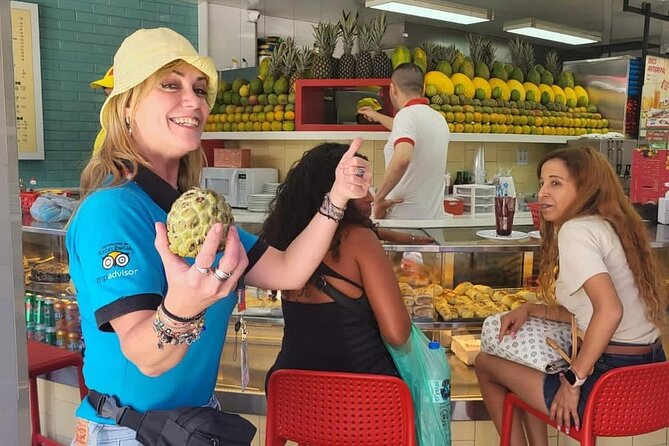
- Two dedicated tasting stops focused on classic Carioca snacks and Brazilian ingredients
- Camila’s flexible approach to timing and interests, including for families
More of Rio's older story on foot:
- Rio de Janeiro Historical Center Walking Tour
★ 4.5 · 336 reviews - Private Walking and Cultural Tour Rocinha-Rio de Janeiro
★ 5.0 · 239 reviews - Discover Rio Little Africa: A Cultural and Historical Journey
★ 5.0 · 238 reviews - Rio de Janeiro: Historic Rio and Santa Teresa Half-Day Tour
★ 4.4 · 228 reviews
Why this Rio food-and-culture pairing works
Rio can feel like it has two speeds. There’s the postcard speed, where you’re sprinting between landmarks. Then there’s the everyday speed, where people linger over snacks, coffee, and casual conversation.
This tour tries to respect both. You get the headline sights that most people come for, like viewpoints associated with Pão de Açúcar and Corcovado, plus iconic city spots along the way. At the same time, you’re never just looking. You’re tasting. That’s a smart way to learn Rio culture because food gives you a shortcut to how locals think about ingredients, comfort, and celebration.
What I like is that the day is structured enough to feel satisfying, but the guide can steer the details based on what you care about. In practice, that often means better pacing, fewer awkward pauses, and more of the good stuff rather than a long list of photos.
Meeting in Copacabana and how the day is paced
You meet at the JW Marriott Hotel Rio de Janeiro on Av. Atlântica in Copacabana, right in front of the main entrance. Start time is 11:00 am, and the activity ends back at the meeting point.
Pickup is offered, and the tour is listed as near public transportation. That matters in Rio, because it’s one less stress factor when you’re planning your morning and trying to coordinate rides.
Duration is about 6 hours. Each stop is time-boxed, including a short Selarón stop and longer eating windows at Colombo and the tastings. The benefit is that you’ll try plenty without spending the whole day sitting. The trade-off is that the experience is more “sample and see” than “slow exploration.”
The tour is in English and has an upper limit of 15 people. Smaller groups tend to mean the guide can answer questions without the whole group losing patience.
Confeitaria Colombo: sweets, salty snacks, and a heritage setting
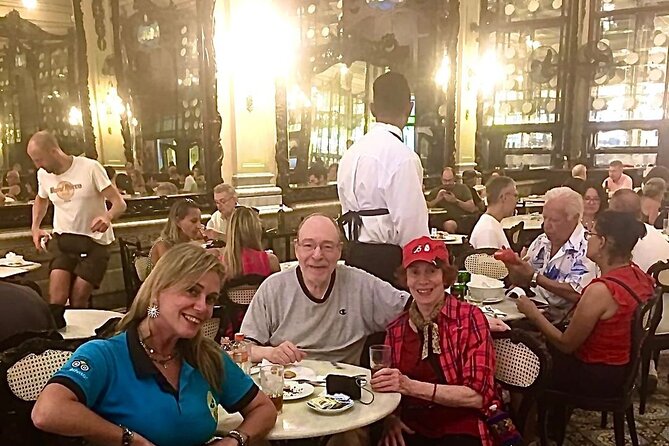
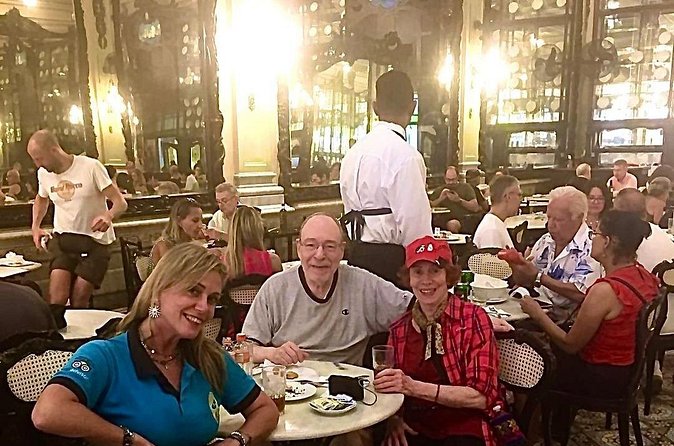
The first tasting stop is Confeitaria Colombo. This is one of those Rio places where the building itself feels like part of the menu. You’re not just grabbing a pastry. You’re stepping into a confectionery with history and an officially recognized cultural heritage status.
You’ll go with an expert food guide, and the time here is set for getting the balance right. That includes both sweets and salty snacks, so you can taste more than one kind of Carioca comfort food in a short window.
Practically, this is a strong opener. Starting with a classic confectionery sets expectations for what the rest of the day will be. You also ease into the tour rhythm, because you’re eating early, before you hit the viewpoint and tram segments.
One thing to keep in mind, since this stop is about 1 hour: it’s not a museum tour. You’ll learn through the tasting and the explanations tied to what you’re eating, not through a long, quiet walkthrough.
Lapa arches tram views, Ruinas Park overlooks, and that old-city connection
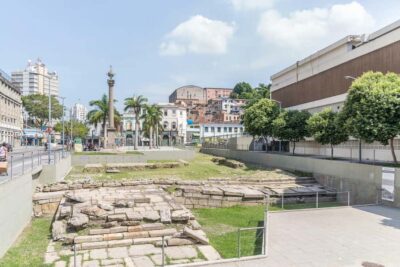
Next you head toward Lapa, with a cool tram ride from downtown over the Lapa Arches, the famous aqueduct. This part is valuable because it gives you a moving perspective. Instead of only looking up at Rio from a viewpoint, you’re seeing how neighborhoods sit relative to each other.
During this segment, you also get a sense of city life around cultural stops like Ruinas Park, which overlooks the city and delivers a strong view. The emphasis here is “understand the geography,” because Rio’s hills and districts can be hard to picture once you’re only walking around on your own.
The tour’s route also includes other major sights and passes, such as Copacabana and Ipanema beaches, Maracanã viewed from the outside, the historic center, and the big-name viewpoints tied to Pão de Açúcar and Corcovado with Cristo Redentor. Even when you’re not spending a long time at each, having a guide connect the dots helps you feel less like you’re collecting random stops and more like you’re learning the logic of the city.
This portion also carries the “how Rio moves” feel. You’re riding, looking, and then heading back toward the more bohemian streets later. It’s a good arc.
Santa Teresa and Escadaria Selarón: the bohemian switch you feel fast
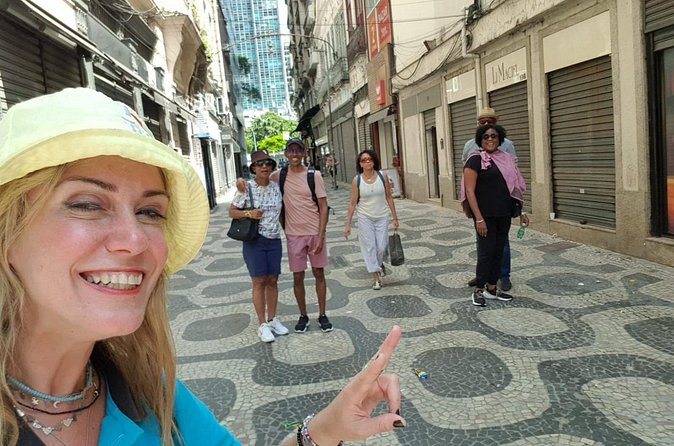
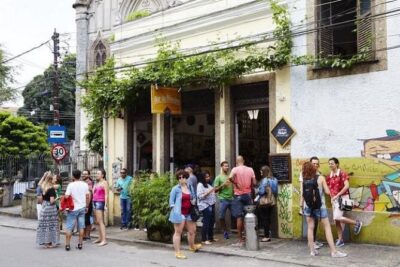
From the aqueduct area it’s a short hop to Escadaria Selarón, the famous staircase covered in colorful tiles. The stop here is brief, about 5 minutes, but it’s timed for maximum effect, because this is one of those places where the vibe hits immediately.
Selarón is more than a photo wall. It connects Santa Teresa to Lapa, and that link matters in Rio because those neighborhoods feel different in mood and texture. Santa Teresa is described as a bohemian area with boutiques and local galleries, and that artistic side is part of why the steps became famous.
You’ll also move through or see elements of the historic center and the broader sights included on the route. So even with a short stop at Selarón itself, the day’s overall story still feels coherent: Rio’s beauty isn’t only in the viewpoints. It’s in street-level creativity too.
If you hate crowds, keep expectations realistic. This is a popular photo spot. The guide’s timing helps, but you’ll still be sharing it with other people.
If this one is full, Rio has these as well:
- Rio de Janeiro: 6-Stop Highlights of Rio with Lunch★ 4.4 · 5,157 reviews
- Christ the Redeemer Entry Ticket by Corcovado Train★ 4.4 · 4,476 reviews
- Rio’s City Tour – Tickets for Christ, Sugar Loaf & Lunch included★ 5.0 · 4,389 reviews
- Full Day: Christ Redeemer, Sugarloaf, City Tour & Barbecue Lunch★ 4.5 · 3,142 reviews
- Rio de Janeiro: Rocinha Favela Walking Tour with Local Guide★ 4.8 · 3,052 reviews
Lunch buffer and why the buffet stop is the smart move
After the sightseeing beats, you get a pause to eat lunch at a restaurant buffet, described as buffet with food at your discretion. It’s included, labeled as Tudo Incluído.
This buffet moment is more than just a meal. It’s a pressure-release valve. You get a break from “look, ride, look again,” and you get energy so the tasting portion later makes sense.
It also helps with variety. If you’re the kind of person who likes trying a little of everything, a buffet is often a better fit than a fixed menu. Just plan your pace. If you go heavy at lunch, later tastings will feel more like a challenge than a tour highlight.
Also, the timing matters. The day is built around multiple short segments plus longer food windows. That structure is why lunch stops well in the middle rather than at the very end.
Parada de Copa Restaurante: classics you can actually taste and compare
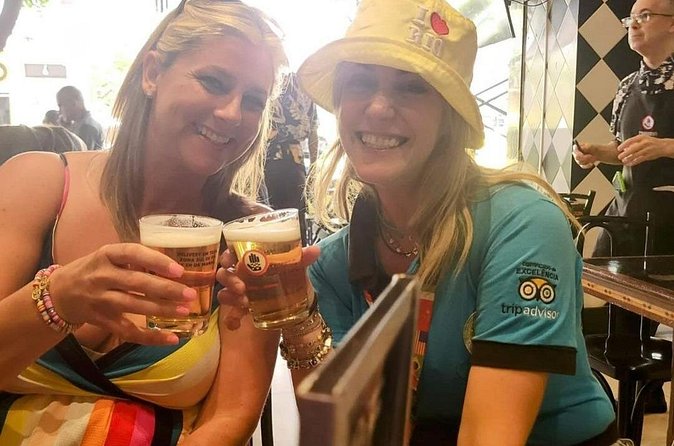
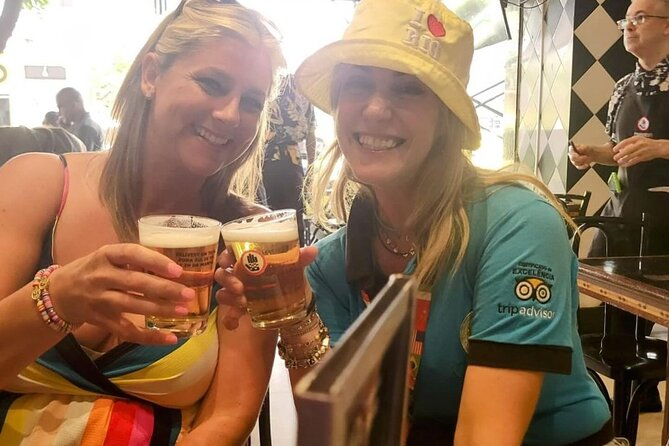
Next comes Parada de Copa Restaurante, another stop built around tasting. Expect a series of small samples of authentic local products, with items like pão de queijo, coxinha, brigadeiro, guaraná, açaí, pastel, beer, and cachaça.
This is one of the most useful parts of the day for first-time visitors. It’s not just “try Brazilian food.” It’s more like, taste the classics, then understand what each one is doing. Pão de queijo gives you that cheesy, tapioca-based crunch. Coxinha shows how comforting and practical street snacks can be. Brigadeiro is dessert energy in bite form.
The drinks are part of the lesson too. Guaraná is a signature Brazilian flavor, and açaí connects Rio to a wider Brazilian fruit tradition. Beer and cachaça also appear, so you can sense where Rio’s food culture overlaps with its drink culture.
One caution: tastings pile up quickly. If you’re sensitive to alcohol, pace it. You can always skip one of the drink samples and keep your focus on the food.
This stop is listed as about 1 hour, so you’ll have time to try multiple items without feeling rushed.
Adega Pérola: how ingredients link Indigenous, Afro-Brazilian, and immigrant influence
The final tasting stop is Adega Pérola. Here the emphasis shifts from snack-by-snack to ingredient stories. You’ll discover Brazil’s diversity through aromas, flavors, recipes, and typical dishes shaped by Indigenous traditions, Afro-Brazilian communities, and immigrant currents from around the world.
That theme matters because it turns food into context. When you understand that multiple cultural streams shaped what ends up on a plate today, Rio starts to feel less like a single culture. It becomes a crossroads.
Even if you don’t memorize every explanation, the tasting format makes the story stick. Each sample becomes a clue. You start noticing flavors and textures and connecting them back to the guide’s talk.
Like the other tasting stop, this one is around 1 hour. By this point in the day, you’ll either feel proudly satisfied or slightly worried you didn’t bring enough stretchy waistband. Both reactions are normal.
Price and value: what $141.14 buys in a 6-hour experience
At $141.14 per person for about 6 hours, you’re paying for three things at once: guided context, transport between multiple neighborhoods, and food that’s included across several stops.
What makes this feel like good value is that the cost isn’t only paying for sights. A big chunk of the experience is built around tastings and a lunch buffet. And admission tickets are listed as free on the stops in the itinerary, with quick entry noted.
Is it a bargain? Not in the cheap sense. But it can be a good deal compared to paying separately for guide time, multiple attraction tickets, and then still trying to design your own food route. You’re getting a plan that’s already sequenced, with a guide explaining what you’re eating and seeing.
Small group size, English service, and a named guide, Camila Tour, also support the value side. With a cap of 15, the day tends to feel more personal than mass-tour style.
Who should book this Rio culture and traditional foods tour
This tour is a strong fit if you want Rio with structure. You’ll like it if you:
- Want food tastings built into the itinerary, not as an afterthought
- Enjoy a guided explanation while you try local classics
- Prefer a small group setting
- Want to see major highlights, including Copacabana and Ipanema areas, plus big viewpoints tied to Cristo Redentor
It’s also a good match for families and mixed groups. In the experience notes, the guide approach is described as adaptable, including for children and even a very young baby. That tells me the tour is run with attention to pacing and comfort.
Where it might not fit is if you only care about one type of travel, like pure museum time or pure beach time. This day is a balanced blend. It gives you samples and viewpoints, but it isn’t a slow, deep, single-neighborhood immersion.
Should you book this Rio food and history day?
I’d book it if your goal is to leave Rio with real flavor memories, not only landmark photos. The standout strengths are clear: Camila’s energy, the way the pacing stays thoughtful, and the fact that you eat at multiple stops with a mix of sweets, savory bites, and classic Brazilian drinks.
If you’re sensitive to weather changes, build flexibility into your plans, because the tour requires good weather. And if you’re picky about trying lots of small items, you’ll still get to choose what to sample, but the format is intentionally tasting-heavy.
Overall, this is a practical way to get Rio’s culture and traditional foods into one day, with a guide who seems to actually care that you understand what you’re eating.
FAQ
How long is the Rio Culture and History and Traditional Foods tour?
The tour is about 6 hours.
What time does the tour start, and where does it meet?
It starts at 11:00 am. The meeting point is in front of the main entrance of the JW Marriott Hotel Rio de Janeiro, Av. Atlântica 2600 in Copacabana, and the tour ends back at the meeting point.
Is pickup available?
Pickup is offered. You’ll also meet the guide at the JW Marriott main entrance in Copacabana.
Is the tour offered in English?
Yes, the tour is offered in English.
How big is the group?
The tour has a maximum of 15 people.
What’s included for food during the tour?
You’ll have tastings at multiple stops and a lunch break at a buffet restaurant described as Tudo Incluído. The tastings include items such as pão de queijo, coxinha, brigadeiro, guaraná, açaí, pastel, beer, and cachaça.
Are admission tickets included?
Admission tickets are listed as free for the stops included in the itinerary, and there is mention of quick entry with tickets.
What if the weather is bad?
The tour requires good weather. If it’s canceled due to poor weather, you’ll be offered a different date or a full refund.
Recently added around Rio






Historical Tours, compared.


Private Walking and Cultural Tour Rocinha-Rio de Janeiro
Read our review →
Discover Rio Little Africa: A Cultural and Historical Journey
Read our review →
Rio Gastronomy: Culture & History Through The Art Of Food – Walking Group Tour
Read our review →
Adventure & History at Tijuca Forest (small group or private)
Read our review →
From the Past to the Present: A Historical Walking Tour of Rio
Read our review →More of this kind of Rio day