
Reviewed · HISTORICAL TOURS
African Heritage: Gastronomy and Musicality Experience
Rio can feel loud, but this tour gets personal. In 5 hours, you move through key sites that explain Afro-Brazilian life and music, not through stereotypes, but through lived culture and hard history. Along the way, your guide, Isabella, keeps the connections clear between ancestry, forced migration, and today’s streets.
I especially love how the Morrinho Project at Museu de Arte do Rio (MAR) forces you to see favela life as community and daily rhythm, not a one-note media story. I also love the food and rhythm portion at Pedra do Sal, where you get Afro-Brazilian and Yoruba tastings and then learn percussion with an instructor from the African continent.
One possible drawback: this experience is not suitable if you have food restrictions, since a tasting is part of the included time. Also note it requires good weather, because a chunk of the experience happens outdoors.
In This Review
- Key highlights worth your time
- Why this tour tells the story the usual way misses
- Morning start: MAR and the Morrinho Project, a favela you can understand
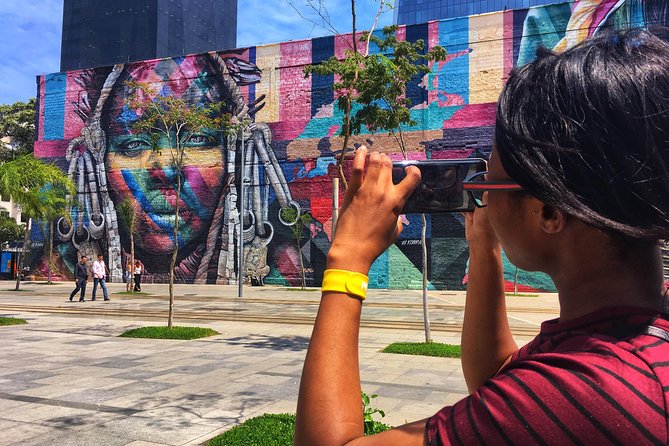
- Eduardo Kobra mural stop: graffiti as ancestry on a giant scale
- Instituto Pretos Novos (IPN): the archaeology you can’t ignore
- Cais do Valongo and Little Africa: the human history behind a local neighborhood
- Quilombo Pedra do Sal: community resistance, weekly samba energy, and Yoruba-meets-Brazil flavors
- Food tasting: Afro-Brazilian and Yoruba cuisine in real practice
- Percussion workshop: learn rhythms instead of only hearing about them
- Largo de São Francisco da Prainha at sunset: where samba, funk, jazz, and chorinho overlap
- Price and value: what you pay, and what you actually get
- Who should book this tour, and who should skip it
- Should you book African Heritage: Gastronomy and Musicality in Rio?
- FAQ
- How long is the African Heritage: Gastronomy and Musicality experience?
- Where does the tour start and where does it end?
- What is included in the price?
- Is the tour admission included for every stop?
- Are drinks included?
- Is it suitable for people with food restrictions?
Key highlights worth your time
- The Morrinho Project at MAR shows the Pereira da Silva favela in detailed miniature, pushing back on simple stereotypes.
- Eduardo Kobra’s huge graffiti mural connects Brazil’s visual culture to ancestral African roots and very old cultures.
- Instituto de Pesquisa e Memoria Pretos Novos (IPN) centers an archaeological site and bones discovered there, tightening the story of slavery in Brazil.
- Cais do Valongo and Little Africa links local tradition to a larger human history.
- Pedra do Sal includes Yoruba and Afro-Brazilian tastings plus a percussion workshop led by an instructor from Africa.
- Largo de São Francisco da Prainha at sunset is a sound-and-city moment, with samba, funk, jazz, and chorinho vibes.
More of Rio's older story on foot:
- Rio de Janeiro Historical Center Walking Tour
★ 4.5 · 336 reviews - Private Walking and Cultural Tour Rocinha-Rio de Janeiro
★ 5.0 · 239 reviews - Discover Rio Little Africa: A Cultural and Historical Journey
★ 5.0 · 238 reviews - Rio de Janeiro: Historic Rio and Santa Teresa Half-Day Tour
★ 4.4 · 228 reviews
Why this tour tells the story the usual way misses
This is not a “see a monument, take a photo, move on” kind of day. You’re walking through Rio’s African heritage from multiple angles: art, archaeology, community memory, food, and music. The result is a clearer picture of why Afro-Brazilian culture is not a side chapter in Brazil, but a core engine of identity.
You also get a guide who clearly cares about perspective, including what it means to be Black in Brazil. Reviews point to Isabella’s passion for giving people an Afrocentric viewpoint that feels practical and grounded, not like a school lecture. And that matters here, because some stops challenge what you think you already know.
The timing works well for a first or second day in the city, since it starts in the Centro area and ends back in a lively historic neighborhood.
Morning start: MAR and the Morrinho Project, a favela you can understand
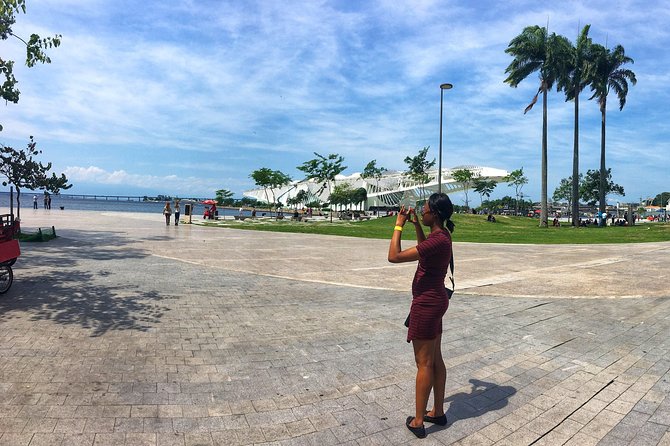
Your day kicks off near Praça Mauá at Museu do Amanhã, and the first major stop is Museu de Arte do Rio (MAR). Inside, you’ll see the Morrinho Project, a permanent installation that reproduces the Pereira da Silva favela in fine detail. It’s not just an artistic model, it’s a way of teaching you how to look.
What I like about this stop is the way it reframes the question. Instead of asking only what favelas are, you’re guided to notice daily life, people, and streets, which is exactly where stereotypes fall apart. A tiny scale model can still communicate scale of meaning, and Morrinho does that.
The tour time here is about 25 minutes, so you’re not stuck in a museum marathon. You’ll get focused attention on what you’re seeing, and it sets the tone for the rest of the walk: community first, complexity always.
Eduardo Kobra mural stop: graffiti as ancestry on a giant scale
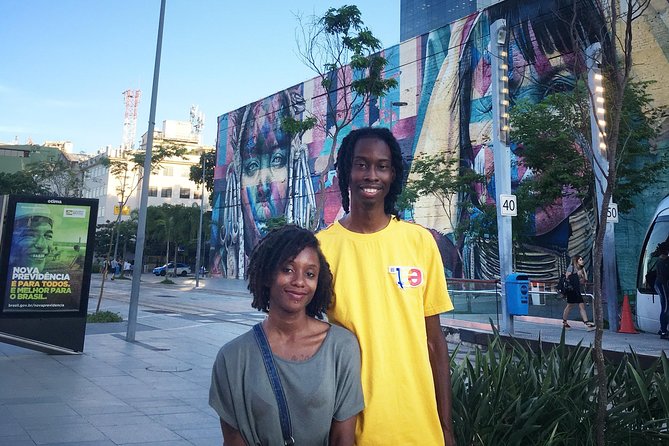
After MAR, you shift from miniature streets to massive public art. You’ll contemplate Eduardo Kobra, known for creating one of the largest graffiti murals in the world. This part of the experience is about symbolism and cultural memory.
The tour framing connects the mural’s themes to ancestral ethnic groups and very old cultures that feed into Brazilian history, directly and indirectly. In other words, you’re not just looking at a pretty wall. You’re learning how modern urban art can act like a bridge between generations.
One practical consideration: murals and street art are visual, but the story depends on your guide’s explanation. If you like learning through visuals, this fits your style. If you prefer quiet, independent museum time, you may want to lean in and listen closely during the stop.
Instituto Pretos Novos (IPN): the archaeology you can’t ignore
Next comes Instituto de Pesquisa e Memoria Pretos Novos (IPN), tied to one of the most serious, human parts of Brazil’s slave history. You visit the archaeological site and the permanent exhibition connected to bones of Africans discovered there.
This stop is about 40 minutes, and it’s designed to do something important: put the slave period into sharper understanding, not as a distant concept, but as evidence in the ground. Standing in an archaeological context changes the way you process the subject. Facts get heavier, but also clearer.
I like that the tour doesn’t treat this as shock value. It’s presented as a key to understanding, and it connects directly to why many Afro-Brazilian traditions exist today, including religion, community memory, and music.
If you’re sensitive to mortality or human remains-related exhibits, plan your mindset before you go. You’ll be fine if you can handle serious history, but this isn’t a light stop.
Cais do Valongo and Little Africa: the human history behind a local neighborhood

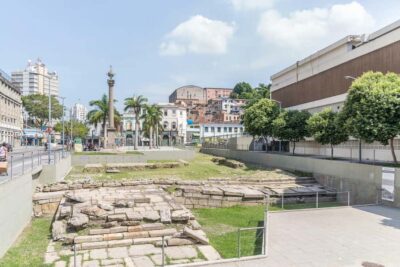
From IPN, you move toward Cais do Valongo, a Historical Site of the Pier of Valongo and the surrounding area often known as Little Africa. This is where the story broadens again. You’re learning not only what happened in Rio, but why that port matters for the history of humanity.
You’ll spend around 15 minutes here. That may sound short, but the value is in the sequence you already built earlier. By now you’ve seen how African heritage is visible in community life (Morrinho), public art (Kobra), and documented archaeological evidence (IPN). Valongo ties those threads into movement, arrival, survival, and long-term cultural shaping.
One helpful way to think about this stop: you’re watching how geography becomes memory. A pier can be more than a place. It can be a record.
If this one is full, Rio has these as well:
- Rio de Janeiro: 6-Stop Highlights of Rio with Lunch★ 4.4 · 5,157 reviews
- Christ the Redeemer Entry Ticket by Corcovado Train★ 4.4 · 4,476 reviews
- Rio’s City Tour – Tickets for Christ, Sugar Loaf & Lunch included★ 5.0 · 4,389 reviews
- Full Day: Christ Redeemer, Sugarloaf, City Tour & Barbecue Lunch★ 4.5 · 3,142 reviews
- Rio de Janeiro: Rocinha Favela Walking Tour with Local Guide★ 4.8 · 3,052 reviews
Quilombo Pedra do Sal: community resistance, weekly samba energy, and Yoruba-meets-Brazil flavors
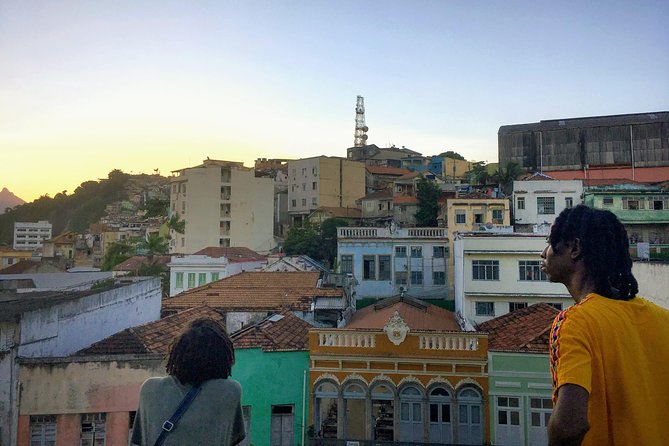
The tour’s most sensory portion happens at Pedra do Sal and the surrounding area linked to Quilombo Pedra do Sal. You’ll meet the remaining community tied to this tradition of cultural resistance, and you’ll learn why it’s considered fundamental for the survival of Afro-descendants and preservation of heritage.
The neighborhood connection is important here. You’re not just visiting a site, you’re encountering a living culture, including outdoor samba sessions that happen weekly. The tour frames this as pride and continuity, not nostalgia.
Then comes the centerpiece of the included experience: gastronomy and music.
Food tasting: Afro-Brazilian and Yoruba cuisine in real practice
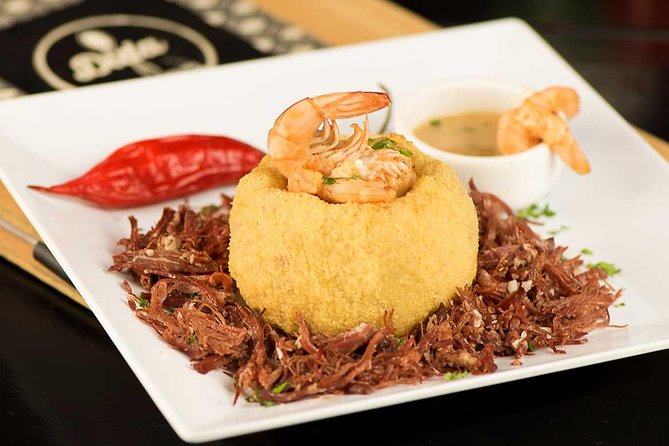
At Pedra do Sal, the tour includes tastings of typical dishes from Afro-Brazilian and Yoruba cuisine. The tour context ties the food to everyday religious practice connected to African-origin religions. That’s a key difference from generic “try some local snacks” tastings.
If you’re a foodie who also likes cultural context, this is where the tour earns its price. The included time is about 3 hours at this stage, so you’re not rushed. And since drinks are not included, plan to have water ready and budget a little extra if you want a beer during the later neighborhood moments.
Food note: the experience is not suitable for people with food restrictions, which is one of the only clear downsides listed. If you eat with restrictions, you’ll want to skip or find an alternative that offers substitutions.
Percussion workshop: learn rhythms instead of only hearing about them
After the tastings, you join a percussion workshop. The format includes an instructor and drummer from the African continent. The goal is hands-on: focus on a musical culture that still influences people today.
This part is often what people remember most because it’s participatory. You’re not just listening from the sidelines, you’re learning how rhythm carries meaning. Even if you’re not a “music person,” percussion can be surprisingly accessible when someone teaches you clearly.
It’s also a good bridge to the final stop, where Rio’s street sounds show up again at sunset.
Largo de São Francisco da Prainha at sunset: where samba, funk, jazz, and chorinho overlap
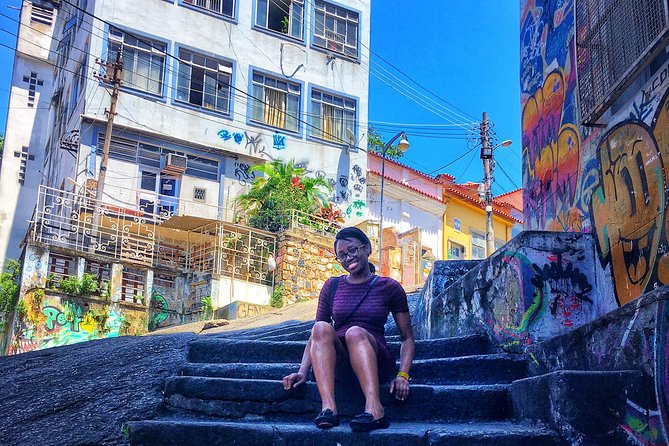
The tour ends at Largo de São Francisco da Prainha, around 15 minutes. This is the payoff moment for the musical side of the day. When the sun drops behind Morro da Conceição, the square comes alive with sounds that can include samba, funk, jazz, and chorinho.
This is also where you get the “feel the neighborhood” aspect. The square has outdoor seating, and local bars nearby provide cold beers and snacks, so you can keep the evening going at your own pace.
If you like Portuguese-era architecture in Rio, you’ll notice it around the square. It helps the place feel layered, not just like a music stop. The tour frames this area as an authentic-soul kind of Rio moment, and it fits because the sound is part of how the city lives.
Practical note: this area is outdoors, and the overall experience requires good weather. If rain hits, plan for the possibility of schedule adjustments or alternative dates as offered by the operator.
Price and value: what you pay, and what you actually get
The tour costs $110 per person and runs about 5 hours. For Rio, that’s not a bargain price, but it’s also not a “sky-high” experience if you look at what’s included.
Most of the core stops have free admission tickets listed, including the Morrinho Project time at MAR and the historical sites like IPN and Cais do Valongo. The one major paid-included component is the Pedra do Sal segment, which includes the gastronomy tastings and the percussion workshop time. Drinks are not included, so you’re mostly paying for teaching, guided interpretation, and the structured food-and-music portion.
You also get privacy, meaning only your group participates. If you’re traveling as a couple or a small group, that makes the price feel more reasonable because the guide can tailor attention and keep the pace comfortable.
In plain terms: you’re paying for a guided storyline and cultural access, not for ticket-heavy sightseeing.
Who should book this tour, and who should skip it
This tour fits best if you want Afro-Brazilian heritage explained in a way that connects locations to meaning. I think it’s especially strong for people who:
- Want a diasporic perspective on Brazil, not a one-sided version of history
- Care about how community and culture show up in both art and daily life
- Like food and music experiences that are taught, not just sampled
You might skip it if:
- You have food restrictions, since the tasting is included and the tour is not suitable for that
- You strongly prefer purely museum-style stops with minimal outdoor time, since the program includes outdoor neighborhood listening moments
- You expect a light, comedy-leaning “fun facts” tour. This day includes serious history, and it deserves that tone.
Should you book African Heritage: Gastronomy and Musicality in Rio?
Yes, if you want Rio’s Afro-Brazilian story told with both context and participation. The combination of MAR’s Morrinho model, IPN’s archaeological evidence, Valongo’s global significance, and then the Pedra do Sal tastings plus percussion workshop makes the day feel cohesive instead of scattered.
If you’re the kind of traveler who likes when a guide names what you’re looking at and why it matters, you’ll probably love this. And if you care about getting the music and food side in a way that connects to history, the Pedra do Sal segment is the reason to book.
FAQ
How long is the African Heritage: Gastronomy and Musicality experience?
It lasts about 5 hours.
Where does the tour start and where does it end?
It starts at Museu do Amanhã, Praça Mauá, 1, Centro, Rio de Janeiro, and ends at Largo de São Francisco da Prainha in Saúde, Rio de Janeiro.
What is included in the price?
The price includes Afro-Brazilian gastronomy tastings and IPN tickets.
Is the tour admission included for every stop?
Most stops list free admission tickets, while the Pedra do Sal portion includes admission.
Are drinks included?
No. Drinks are not included.
Is it suitable for people with food restrictions?
No. The experience is not suitable for people with food restrictions.
Recently added around Rio


Historical Tours, compared.
Private Walking and Cultural Tour Rocinha-Rio de Janeiro
Read our review →
Discover Rio Little Africa: A Cultural and Historical Journey
Read our review →
Rio Gastronomy: Culture & History Through The Art Of Food – Walking Group Tour
Read our review →
Adventure & History at Tijuca Forest (small group or private)
Read our review →
From the Past to the Present: A Historical Walking Tour of Rio
Read our review →More of this kind of Rio day