
Reviewed · BOTANICAL GARDEN WALKS
Visit Rio’s Botanical Garden: Nature, History, and Wildlife
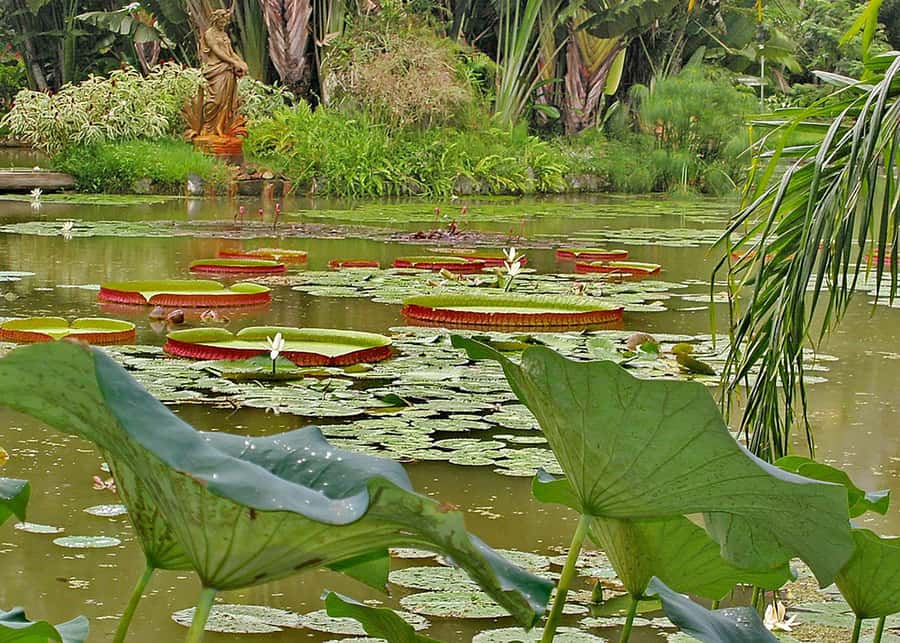
A walk at the base of Corcovado is a special kind of sightseeing. This guided half day turns the Rio de Janeiro Botanical Garden into a real experience, mixing plant science, history, and wildlife with an easy round trip pickup.
I especially like how the tour gives you both big highlights and context, from the garden founded in 1808 by King John VI of Portugal to research happening on site. I also like the wildlife odds, you are in the right place for capuchin monkeys, marmosets, and 140+ bird species. One thing to plan for: since it is a shared tour and only 4 hours, you will focus on the main sections rather than seeing every path at a slow, wandering pace.
In This Review
- Key points to know before you go
- Entering the Rio de Janeiro Botanical Garden, where Corcovado sets the tone
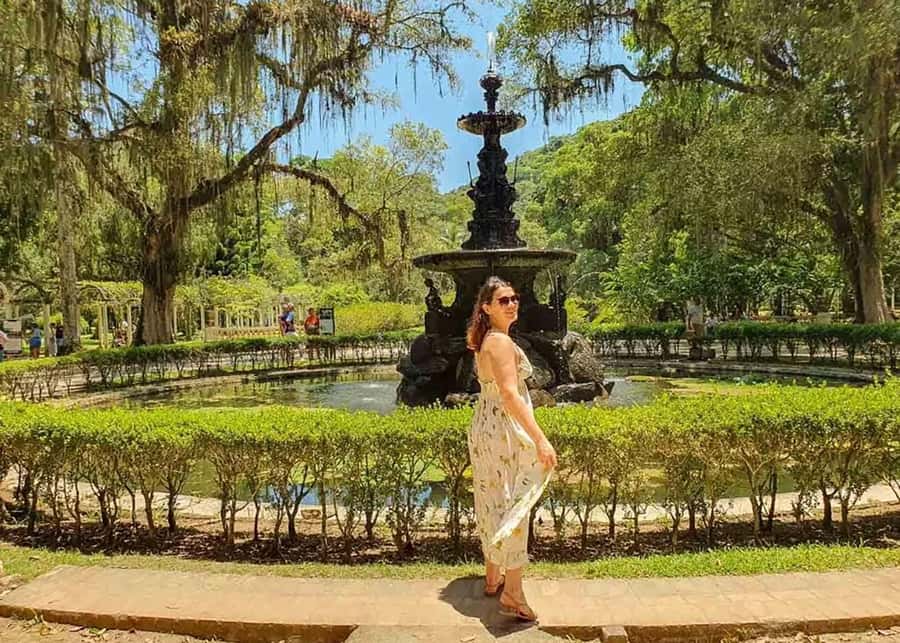
- The 1808 foundation, plus the gunpowder factory and Chafariz das Musas
- Your guided route through 6,000+ plants and 900 palm varieties
- Wildlife stops that feel real, not forced
- Japanese Garden, koi ponds, and bonsai trees
- Orchidarium time, plus the joy of details
- Sensory Garden, science, and why this place is more than a photo stop
- How the 4 hour shared format really affects your day
- What the $86 price buys, and when it feels like good value
- A note on pickup smoothness, based on Carlos’ performance
- Who this tour is best for
- Planning tips for your visit
- Should you book this Botanical Garden tour?
- FAQ
- How long is the Rio de Janeiro Botanical Garden experience?
- What is included in the price?
- Is food and drink included?
- Where do pickups start?
- What languages is the live guide available in?
- What do I need to bring?
- Is this tour wheelchair accessible?
- Can I cancel and get a full refund?
Key points to know before you go
- 6,000+ plant species across 140 hectares makes it feel like a living textbook
- Wildlife watching is part of the route, including monkeys, marmosets, and 140+ birds
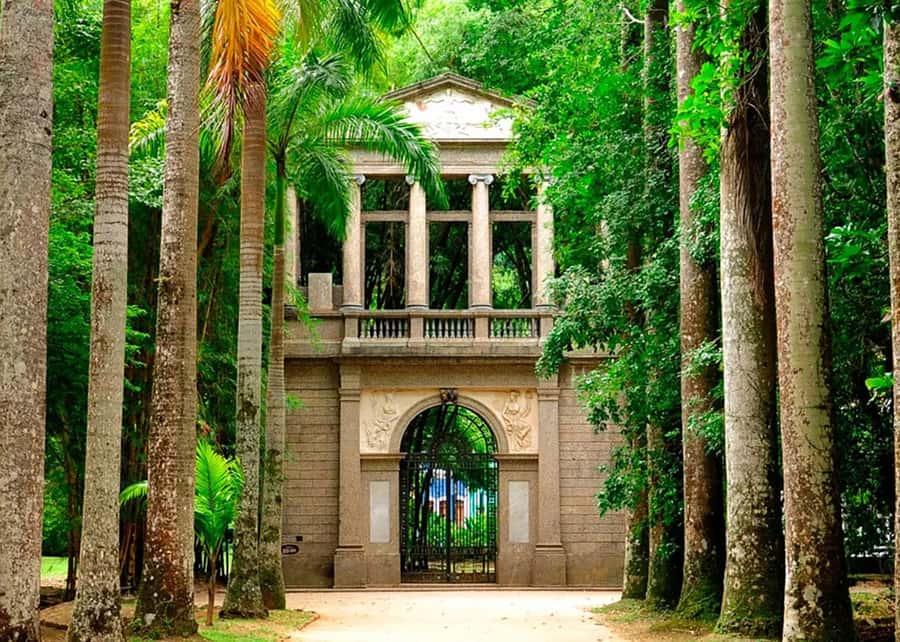
- Historic landmarks inside the garden like the old gunpowder factory and Chafariz das Musas
- Japanese Garden and Orchidarium add two very different mood swings in one visit
- Research and conservation focus helps you understand why the garden matters beyond photos
- English, Portuguese, or Spanish guide means you can get real explanations, not just signage
Other mornings in the botanical garden:
- Rio de Janeiro: 4-Hour Botanical Garden & Tijuca Forest Tour
★ 4.3 · 275 reviews - Rio de Janeiro Botanical Garden & Tijuca Forest Tour
★ 4.5 · 168 reviews - Jeep’n’Green: Rio Botanical Garden and Tijuca Rainforest Tour
★ 4.0 · 65 reviews - Rio de Janeiro Botanical Garden Tour
★ 4.5 · 40 reviews
Entering the Rio de Janeiro Botanical Garden, where Corcovado sets the tone
Your day starts with a pickup from Copacabana, then you head to the South Zone and the garden at the base of Corcovado. The setting is part of the magic: Christ the Redeemer sits above you, and the garden feels like a green transition between city bustle and rainforest energy.
The tour is designed as a focused 4 hour block. That is useful in Rio, where traffic and weather can change your plans fast. You will not be left guessing where to go, and the guide helps you connect the dots between plants, history, and animal life.
The 1808 foundation, plus the gunpowder factory and Chafariz das Musas
One of the best things about this visit is that it does not treat the garden like a flat list of flowers. The Rio de Janeiro Botanical Garden was founded in 1808 by King John VI of Portugal, and that early purpose still shapes what you notice as you walk.
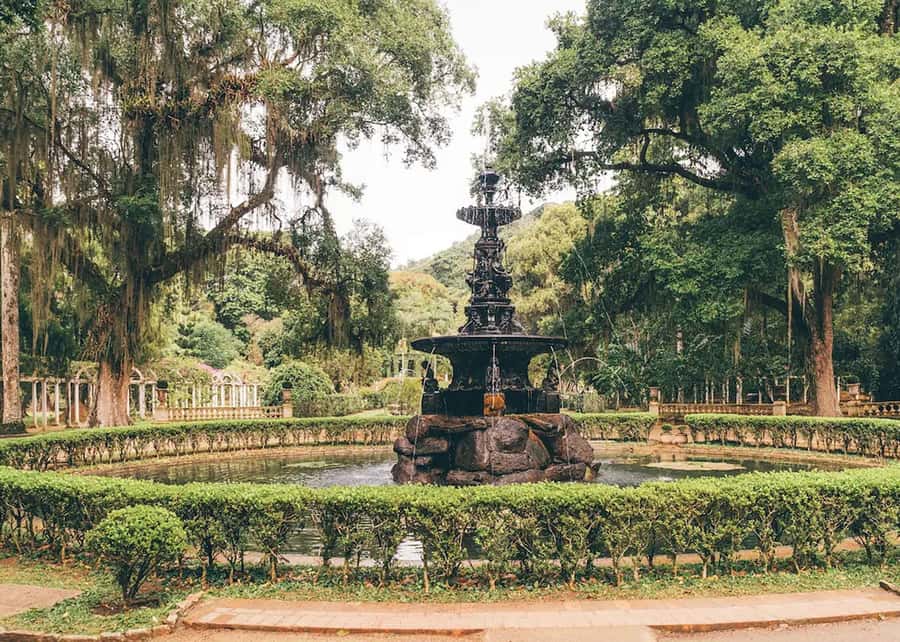
Inside, you will also come across historic features that break up the pure nature sightseeing. A standout is the old gunpowder factory, a relic of the garden history that adds a real sense of how people used this space over time. Another key stop is Chafariz das Musas, the Fountain of the Muses, which gives you an artistic pause inside all that greenery.
For me, the value here is that history is not separate from nature. It is woven into the grounds, so you get a richer sense of place than a quick stroll would deliver.
Your guided route through 6,000+ plants and 900 palm varieties
The headline is huge: you can explore 6,000+ plant species in a 140 hectare park. That scale matters because it explains why the garden feels like more than a city park. You are in a conservation and research site, not just a pretty backdrop.
You will also hear the kind of numbers that help you aim your attention. For example, the collection includes 900 varieties of palms. Even if you are not trying to memorize species names, that palm detail changes how you look. Instead of seeing a random cluster of greenery, you start noticing structure, variety, and how plants are grouped by theme and type.
The guide role is important here. With a professional guide, you are more likely to understand what you are seeing, not just that it is green. That is also why the garden feels rewarding if you are a nature lover, a curious traveler, or someone who simply wants something calm and different from the usual Rio highlights.
Wildlife stops that feel real, not forced
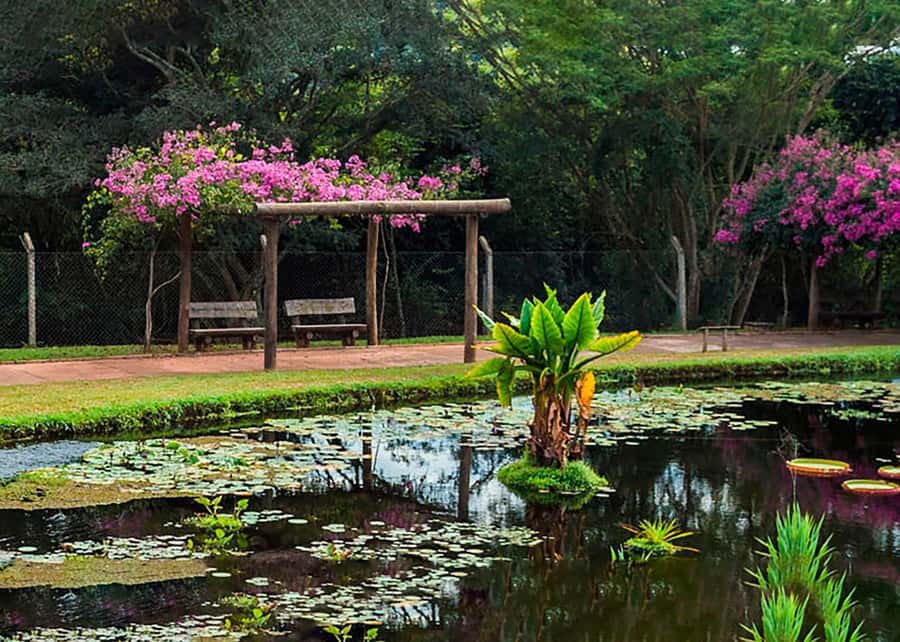
Wildlife is one of the main reasons to choose this tour. The garden is a habitat that animals have become accustomed to, which means your chances are not just based on luck. You should expect opportunities to spot capuchin monkeys and marmosets, plus 140+ bird species.
A practical tip: keep your eyes moving between tree level and mid level branches. Birds can be visible before you notice them, and monkeys often show up in the same zones where people are looking. The guide can help you focus your attention quickly, which is a big help when you are sharing space with other visitors on a path.
Do not plan on guaranteed sightings of every animal every day. Still, this is a garden built for plants and animals together, so you are in the right environment for wildlife moments that feel natural.
Japanese Garden, koi ponds, and bonsai trees
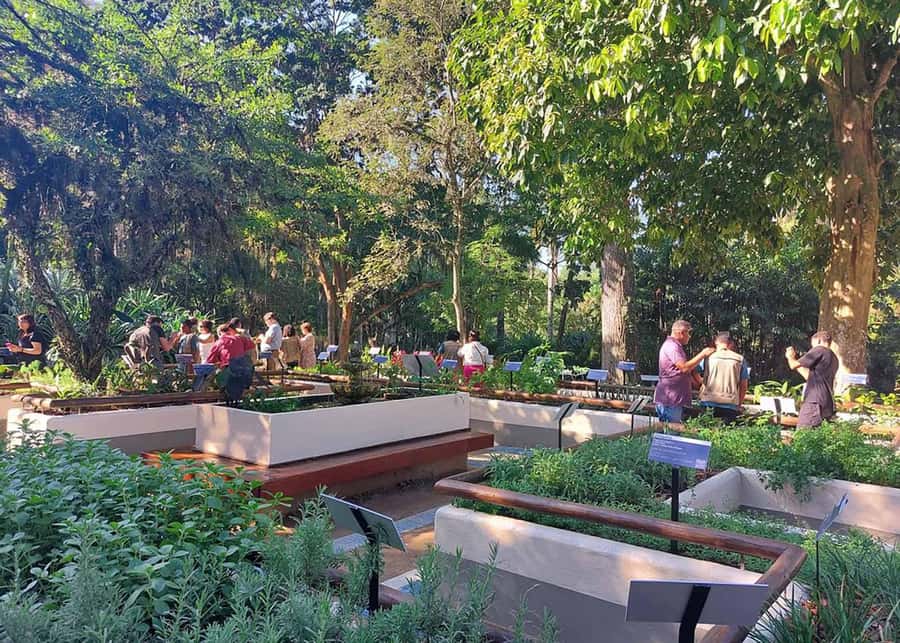
One of the smoothest changes of pace is the Japanese Garden. It is not just decoration. You get a different rhythm with koi ponds and bonsai trees, a calmer mood after the broader forest feel.
This section is great if you like contrast. Rio can be loud and fast outside the garden, so having a quieter pocket inside the park gives you a mental reset. Even if you do not know much about bonsai, you can still appreciate the careful scale, the trimmed shapes, and the way the space seems built for slow looking.
More of Rio's older story on foot:
- Rio de Janeiro Historical Center Walking Tour★ 4.5 · 336 reviews
- Private Walking and Cultural Tour Rocinha-Rio de Janeiro★ 5.0 · 239 reviews
- Discover Rio Little Africa: A Cultural and Historical Journey★ 5.0 · 238 reviews
- Rio de Janeiro: Historic Rio and Santa Teresa Half-Day Tour★ 4.4 · 228 reviews
- Rio de Janeiro: Little Africa Heritage Walking Tour★ 4.9 · 177 reviews
Orchidarium time, plus the joy of details
Orchids are a major draw for a reason: they are easy to miss if you are rushing, and they reward close attention. The Orchidarium gives you a dedicated space for orchid displays, so you can spend time without needing to hunt all over the garden.
In a half day, dedicated indoor or controlled displays are efficient. You get a lot of visual payoff in a shorter time window, and orchids are one of those plant groups where diversity is obvious once you start comparing shapes and colors.
If you have limited time in Rio, this stop is a smart use of your hours. It is also a good way to enjoy the garden even if the weather shifts during your visit.
Sensory Garden, science, and why this place is more than a photo stop
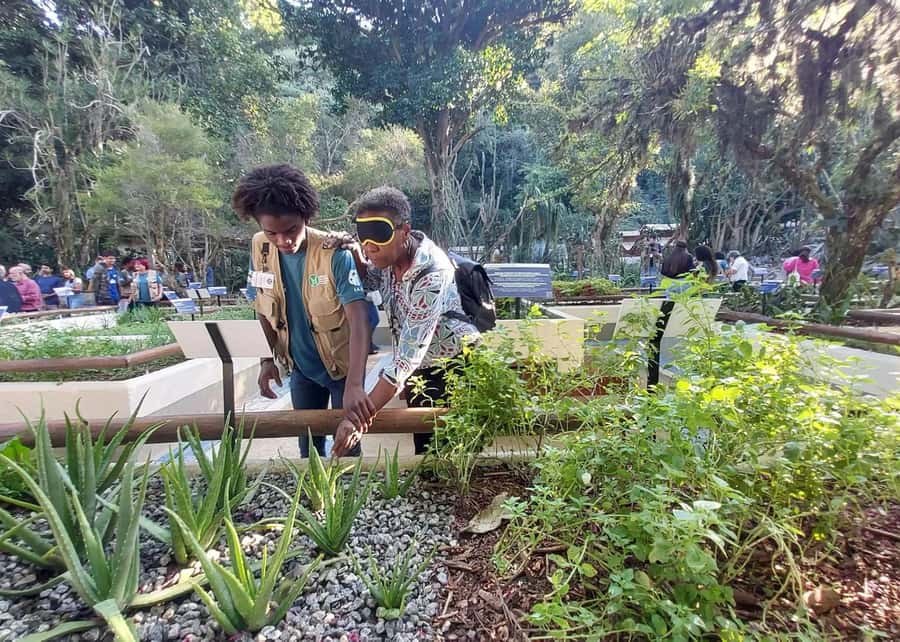
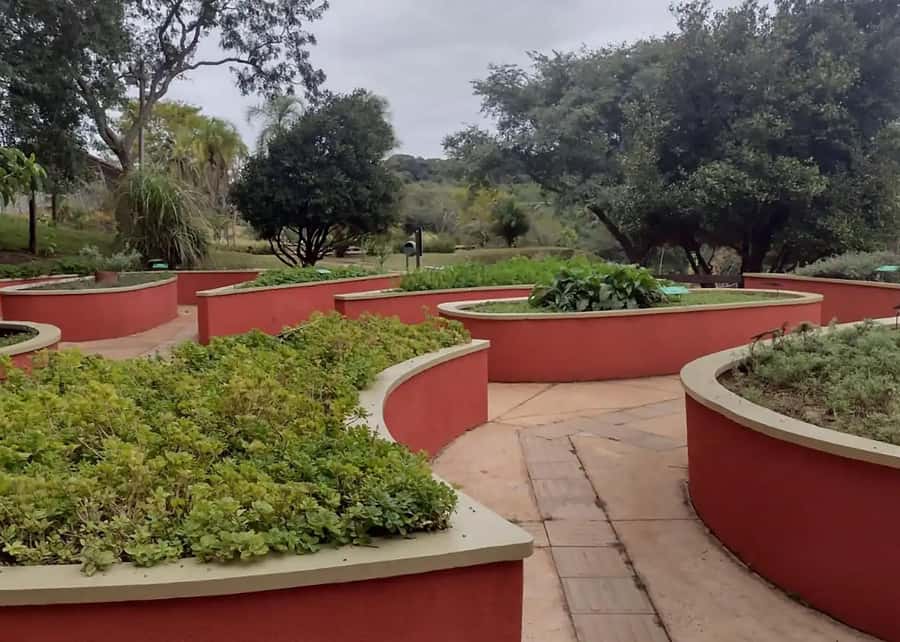
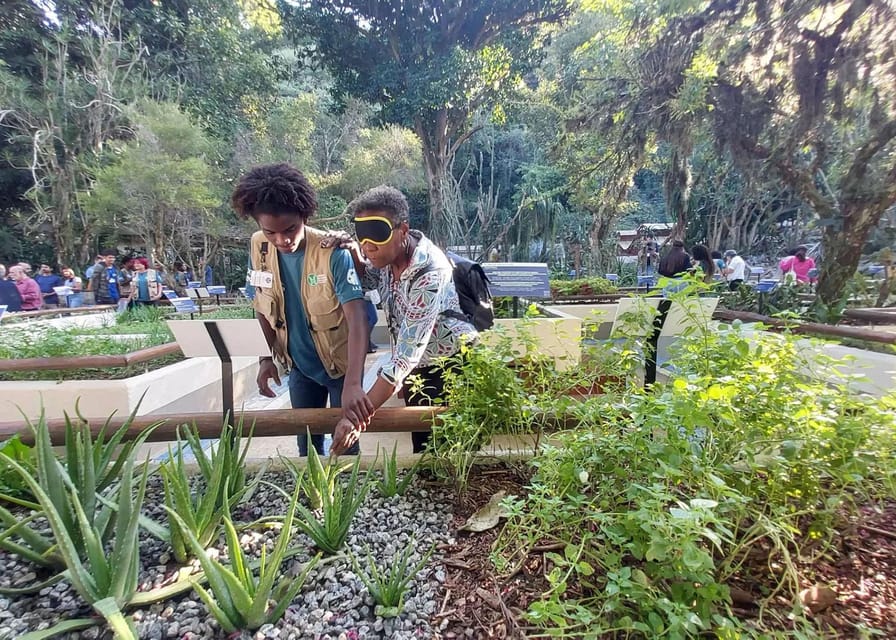
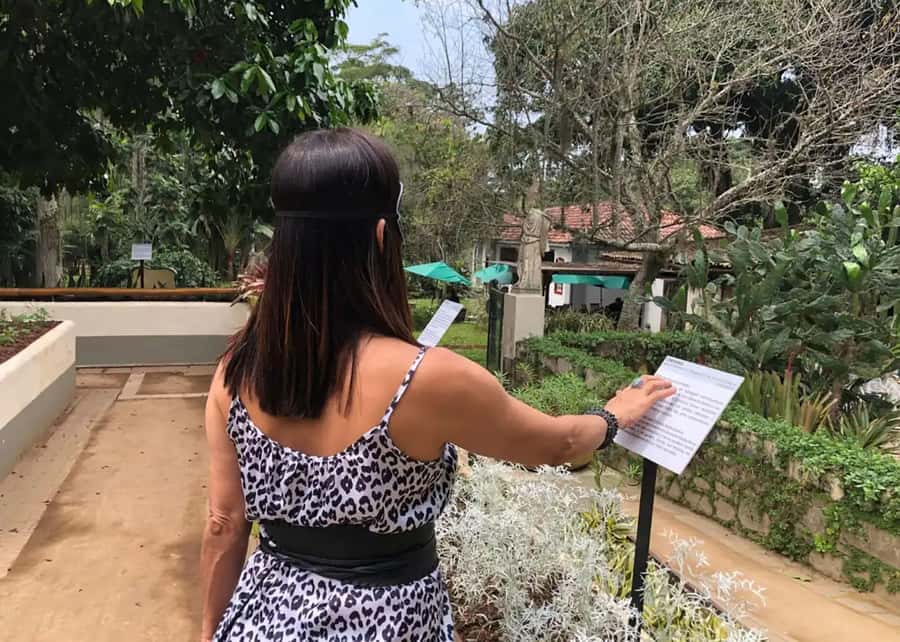
The Sensory Garden is designed to engage more than your eyes. It is meant to pull in other senses, so you get a different kind of experience than typical sightseeing. Even without getting too technical, you should find yourself paying attention in a more mindful way.
Just as important, this garden is tied to scientific research. It is home to a prominent research institute that conducts botanical studies in Brazil. That matters because it turns your visit into more than scenery. You start to understand that plant collections like this one are part of how species are studied, protected, and preserved.
You will also learn that the garden hosts workshops, guided tours, and educational programs throughout the year. That is a clue to the mindset on site: the staff are focused on conservation and biodiversity awareness, not only display.
And yes, a lot of the garden’s plant life supports preservation efforts. That is the behind the scenes reason the garden feels so carefully maintained. It is not just about aesthetics, it is about keeping living collections alive and healthy.
How the 4 hour shared format really affects your day
This tour is shared, and that is a real factor in your timing. A shared group usually means you get picked up along a route, rather than a straight, private transfer. In return, you get a professional guide and round trip transport value.
Duration is only 4 hours. That is ideal if you want a strong overview of the garden highlights, without turning it into a full day commitment. If you love plant details and could happily spend hours in one section, you might still feel a bit speeded through. Still, the garden is huge, so a guided highlights route is a sensible approach for most schedules.
For best results, keep your expectations aligned with a half day. Think of it as a guided best of with enough context to make the place meaningful. If you want the kind of slow, solitary wandering where you read every plaque, you may want to add independent time after.
What the $86 price buys, and when it feels like good value
At $86 per person for a 4 hour guided visit, the value is in the package. You get a professional guide, a ticket, and round trip transport. That combination can add up quickly if you try to do it on your own with multiple tickets and transit time.
The guide is the key cost lever here. Without guidance, you might enjoy the garden a lot, but you would miss the connections between history, plant collections, research, and wildlife. With a guide, you are paying for explanation and route efficiency.
Also, the price makes more sense if your time in Rio is limited. Rio is expensive when you start adding separate tours and separate rides. This one bundles the big pieces into a single half day block, centered on a location that is naturally worth visiting.
A note on pickup smoothness, based on Carlos’ performance
One detail that really stood out from a previous guide experience is the smoothness of the pickup and the clarity of explanations in English. The guide name mentioned was Carlos, and the pickup was described as punctual with no waiting. Inside the garden, the explanations were delivered in English, which can matter if you want to understand the context behind what you see.
That is exactly the kind of benefit you want from a guided day in a large park. Less time waiting, more time looking, and better understanding once you are on site.
Who this tour is best for
I think this tour fits best if you want a calm nature break with structure. It is a strong choice for families who like animals and gardens, couples who want something different from city sightseeing, and solo travelers who appreciate guided direction.
It is also a good match if you care about history and science, not just photos. The garden is not only about looking pretty. You will walk through historic sites like the gunpowder factory and Chafariz das Musas, and you will connect the dots to research and conservation.
Planning tips for your visit
Bring your passport or ID card. Wear comfortable shoes, because you are walking across themed areas in a large park. And if you get motion sensitive or tired easily, plan to pace yourself during the more crowded parts, especially near popular sections like the Japanese Garden.
If food is part of your day plan, plan ahead. Food and drink are not included. This matters because 4 hours can pass faster than you expect once you are looking at plants, watching birds, and stopping for the fountains and thematic gardens.
Should you book this Botanical Garden tour?
Book it if you want a guided half day that balances plants, wildlife, and history in one organized route. The $86 price feels fair when you factor in the guide, ticket, and round trip transport, and the garden itself is one of Rio de Janeiro’s most rewarding places to slow down and pay attention.
Skip it only if you need full accessibility for wheelchair users, or if you want an unstructured, long self guided wandering day with no time pressure. For most people on a Rio trip, this tour is an efficient way to experience the garden’s main highlights while understanding why they matter.
FAQ
How long is the Rio de Janeiro Botanical Garden experience?
It lasts 4 hours.
What is included in the price?
The tour includes a professional guide, the ticket, and round trip transport.
Is food and drink included?
No, food and drink are not included.
Where do pickups start?
Pickup is listed from Copacabana. If no pickup address is provided, the default meeting point is Socialtel Lapa, Rua Visconde de Maranguape, 9.
What languages is the live guide available in?
The guide is available in English, Portuguese, and Spanish.
What do I need to bring?
Bring your passport or ID card.
Is this tour wheelchair accessible?
No, the tour is not suitable for wheelchair users.
Can I cancel and get a full refund?
Yes, you can cancel up to 24 hours in advance for a full refund.
Recently added around Rio





Botanical Garden Walks, compared.


Rio de Janeiro Botanical Garden & Tijuca Forest Tour
Read our review →
Jeep’n’Green: Rio Botanical Garden and Tijuca Rainforest Tour
Read our review →

Tijuca National Park and Botanic Garden Guided Tour & Transfer
Read our review →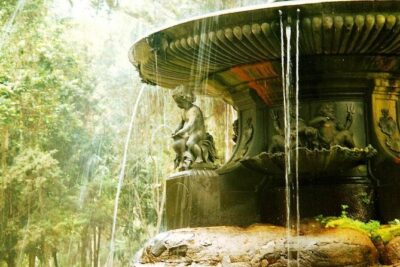
Botanic Garden and Parque Lage Guided Tour & Transfer
Read our review →
Botanical Garden, Tijuca Forest, and Parque Lage Tour
Read our review →More of this kind of Rio day