
Reviewed · SAMBA NIGHTS
The History of Samba in Rio de Janeiro – Oswaldo Cruz
This self-guided audio walk turns Rio de Janeiro’s samba story into an easy-to-follow route through Madureira, with audio tied to real places. I like two things most: the interactive map that keeps you from getting lost, and the low price for an experience that focuses on learning without needing a live guide.
One thing to consider, though: it is strictly audioguided. If you like face-to-face explanations, you may miss that human back-and-forth.
In This Review
- Key moments you will hear about along the Madureira route
- Why this audio tour feels practical in Rio de Janeiro
- Price and logistics for a 1 hour 35 minute self-guided route
- Start at Oswaldo Cruz Station: get your bearings fast
- Hole of the Galo: a small stop with big story value
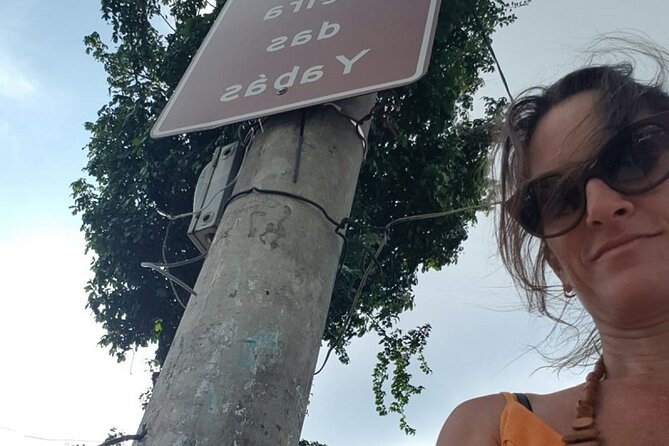
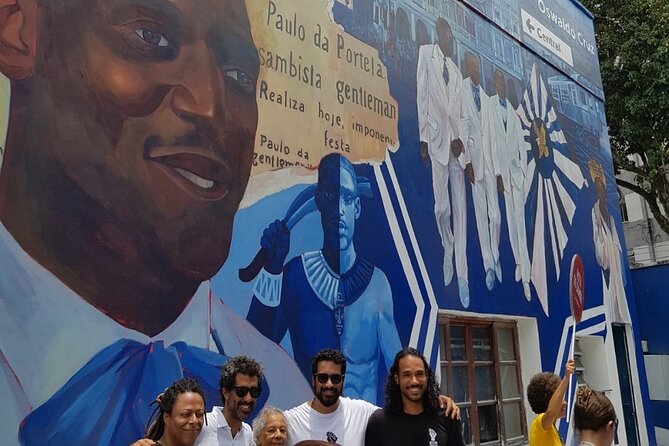
- Plaza Paulo da Portela and Feira das Yabas: learning gets social
- Quilombo Agbara Dudu: connecting place names to identity
- Portelinha and House of Samba Madureira: where names become locations
- GRES Portela (Portela): the route’s major anchor
- Home of the woman Carioca Tia Doca: the emotional center
- GRES Serrano Empire and Samba da Serrinha: continuing the story
- Viaduto de Madureira and the finish near Tia Doca
- The audio map is the real star
- What you will walk away with, based on the tour’s learning focus
- Who this tour is best for in Rio
- Should you book this History of Samba in Rio de Janeiro tour?
- FAQ
- How long is the tour?
- What is the meeting point and where does it end?
- Is there a live tour guide?
- What do I need to bring?
- Is it available in English?
- Is it refundable if I cancel?
Key moments you will hear about along the Madureira route
- Oswaldo Cruz Station to Hole of the Galo as your first chapter of the walk
- Plaza Paulo da Portela and Feira das Yabas for context around community spaces
- Quilombo Agbara Dudu and Portelinha to connect neighborhood identity with samba culture
- House of Samba Madureira and GRES Portela (Portela) for key stop points in the audio storyline
- Home of Tia Doca and Tia Doca Cultural Center which anchor the route in one of the most important names on the itinerary
- GRES Serrano Empire, Samba da Serrinha, and Viaduto de Madureira to round out the walk’s later stops
Other samba nights around Rio:
- Rio de Janeiro: Beginner Samba Lesson in Ipanema
★ 4.9 · 1,071 reviews - Rio: Pub Crawl in Lapa with Cachaça Tasting and Live Samba
★ 4.7 · 881 reviews - Rio: Carnival Backstage Tour at Samba City with Cocktail
★ 4.6 · 520 reviews - Hop-ON Hop-OFF Sightseeing Bus in Rio de Janeiro – Rio Samba Bus
★ 3.5 · 457 reviews
Why this audio tour feels practical in Rio de Janeiro
Rio’s samba can be big, loud, and sometimes overwhelming if you only catch it in the form of a show. This experience is built for a calmer goal: you walk, you listen, and you connect names to places.
You start at Oswaldo Cruz and end at Pagode da Tia Doca, with a route that strings together a dozen named stops. The length is about 1 hour 35 minutes, which is long enough to feel like a real experience, but short enough that it does not chew up your whole afternoon.
The logistics are also refreshingly simple. You get an app-based tour with an online ticket, and you can keep the access for 1 year. That is useful if you want to replay audio later when you are back home, or if you get halfway through on one day and plan to finish with more attention another time.
Price and logistics for a 1 hour 35 minute self-guided route
At $6.90 per person, the big value is not just the price tag. It is the way the cost buys structured learning with tools that reduce friction.
Here is what you should plan around:
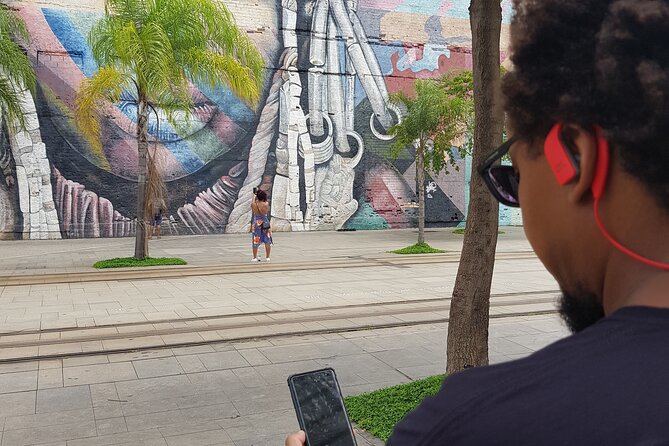
- You will need your own smartphone and headphones. The tour includes the app access, maps, and audios, but not the device or listening gear.
- This tour is offered in English, so it is easier to follow than many audio options in Rio.
- It is near public transportation, which matters because the end point is in Madureira rather than the most central tourist zone.
- It is a private tour/activity, meaning only your group participates. If you are traveling with friends or family, the route works well without people mixing you up mid-walk.
If you want to squeeze the most out of the experience, do a quick pre-flight check. Download the app before you arrive. Keep your phone charged. Then use the interactive map rather than guessing where the audio will pick up next.
Start at Oswaldo Cruz Station: get your bearings fast
The tour begins at Oswaldo Cruz Station (Oswaldo Cruz, Rio de Janeiro). That is a smart first step because a station gives you a clear landmark to stand on, and it is the kind of place you can return to later if you need to.
From the start, the route is designed as a steady walk rather than a jumpy set of stops. You will follow audio prompts tied to what you are looking at, which helps you stay oriented even if you are not fully fluent in the local geography.
Practical tip: if you know you will be taking photos, pause the audio briefly rather than trying to do everything at once. The route is built for listening, so treat the audio like the main event.
Hole of the Galo: a small stop with big story value
After Oswaldo Cruz Station, the route points you toward Hole of the Galo. Even if you have never heard the phrase before, the name signals that you are stepping into local lore, not just generic sightseeing.
This is one of those stops where the audio format really works. Instead of you trying to figure out the significance from signage alone, you let the recorded guidance explain why the name matters and how it connects to samba’s development around the city.
What to watch for here is pacing. Do not rush. Read the area quickly, look around, then hit play again. That rhythm is what makes audio tours feel worth it.
Plaza Paulo da Portela and Feira das Yabas: learning gets social
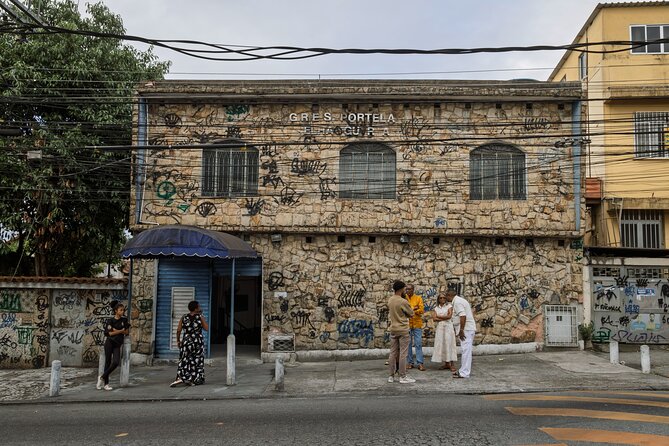
Next you will move toward Plaza Paulo da Portela and Feira das Yabas. This is a good mid-route moment because it shifts the focus from landmarks to social spaces.
You are still walking, but the audio guidance gives you a chance to think about samba as something connected to daily community life. Places like plazas and market settings tend to be where music, conversation, and informal cultural learning overlap.
If you are the type who likes to understand the setting, you will enjoy this part. If you are only chasing quick photo stops, you might feel a little under-stimulated, because the audio needs your attention.
More of Rio's older story on foot:
- Rio de Janeiro Historical Center Walking Tour★ 4.5 · 336 reviews
- Private Walking and Cultural Tour Rocinha-Rio de Janeiro★ 5.0 · 239 reviews
- Discover Rio Little Africa: A Cultural and Historical Journey★ 5.0 · 238 reviews
- Rio de Janeiro: Historic Rio and Santa Teresa Half-Day Tour★ 4.4 · 228 reviews
- Rio de Janeiro: Little Africa Heritage Walking Tour★ 4.9 · 177 reviews
Quilombo Agbara Dudu: connecting place names to identity

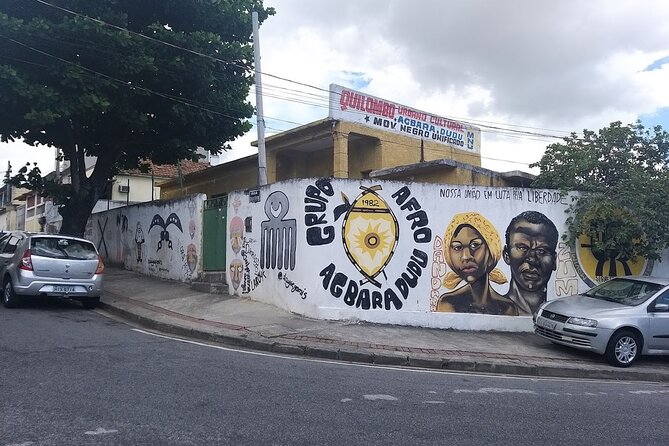
The itinerary includes Quilombo Agbara Dudu. A quilombo stop is especially meaningful in a tour about cultural history because it is tied to identity, community memory, and roots.
I like how this audio route does not keep everything in the abstract. It treats place names as signals that you can stand near and revisit with listening cues. Even without a live guide, that approach helps you avoid the common problem of audio tours turning into a blur.
A consideration: this part can feel like it takes more mental effort than some of the earlier stops. Slow down. Let the audio finish before you move on.
Portelinha and House of Samba Madureira: where names become locations
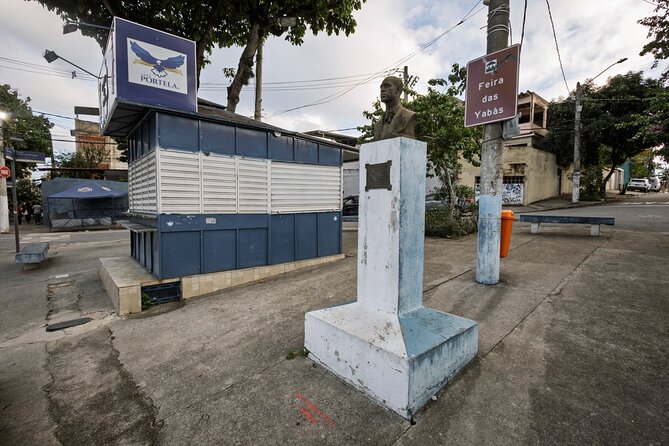
Two stops that follow are Portelinha and House of Samba Madureira. These kinds of names often mean more than just geography. They usually refer to places where samba culture is practiced, taught, or discussed within the neighborhood.
The value here is that you are not just collecting big samba names. You are also seeing how the story is distributed across smaller “anchors,” which can feel more real than a single monument-style stop.
If you do one thing to improve your experience, it is this: when the audio mentions a name, look for cues around you. Even basic surroundings can help your brain store what you are hearing.
GRES Portela (Portela): the route’s major anchor

Then the walk brings you to GRES Portela (Portela). You can think of this as a core anchor point in the itinerary. Big name, big reputation, and an audio segment designed to connect that recognition to its place in the route.
One benefit of an audioguided approach here is that the recording can set the context in small chunks while you are standing at the right location. You do not need to guess what you are looking at. The audio gives you the thread.
Because you are self-guiding, you control your pace. If you want extra time, linger near the spot just long enough for your ears to catch up with what is being said.
Home of the woman Carioca Tia Doca: the emotional center
A standout named stop is the Home of the woman Carioca Tia Doca. This is the part of the route where the tour’s tone can shift toward personal impact and legacy, not just names and dates.
In practice, this kind of stop often becomes the moment you remember later when you hear the same names referenced again in Rio. It is one thing to hear about a figure. It is another to stand at a place tied to her, even from the outside.
If you want a respectful, low-stress way to experience this part, keep your phone brightness down a bit and focus on listening. It is easy to get distracted by the street scene, but the audio is doing the heavy lifting.
GRES Serrano Empire and Samba da Serrinha: continuing the story
Later, you will reach GRES Serrano Empire and Samba da Serrinha. This is where the route moves beyond one major figure and keeps tracing how samba culture maps across different parts of the area.
I like that the itinerary includes more than one named samba-related point. It makes the experience feel less like a single-figure spotlight and more like a route through connected cultural spaces.
If you are a music fan, this is the section that can feel most rewarding because you start to recognize patterns in what you hear, even while you are walking through ordinary streets.
Viaduto de Madureira and the finish near Tia Doca
The final stretch includes Viaduto de Madureira, then you finish at Tia Doca Cultural Center and near Pagode da Tia Doca.
Finishing on a cultural center is helpful because it gives you an end point that feels intentional, not abrupt. It is a clear place to stop your walk, reset your phone, and decide what you want to do next in the neighborhood.
A practical note: plan your post-tour time. You do not want to reach the end with no idea where you will go for food or a drink, because the tour itself does not include any food or beverage.
The audio map is the real star
Most tours sell you the list of stops. This one also uses an interactive map with all points and audios. That matters because in a place like Rio, finding the next exact spot can be the difference between an enjoyable stroll and a frustrating scramble.
Here is how to use the map to get more value from your money:
- Keep the map open at key transitions between stops.
- Use headphones so you can hear prompts clearly even with street noise.
- Let the audio finish before you fully relocate, so you do not miss the context.
This is also where the app’s 1-year valid access becomes useful. If you pause and have to step away, you can come back to the audio sequence later without needing to buy another ticket.
What you will walk away with, based on the tour’s learning focus
One review summed it up with a clear idea: samba is not taught in school, so people often learn it indirectly. This tour leans into that gap, using listening and named locations so the learning sticks.
Even with only one written review, the theme is consistent: the experience helps you connect dots quickly. In a short time, you get a sense that samba is more than a performance. It is a network of names, places, and community signals that you can follow on foot.
If you like cultural context, you will leave feeling more oriented. If you only want entertainment value, you may find it a bit quieter than a live music outing, but that is also what makes it work.
Who this tour is best for in Rio
This fits best if you are:
- Curious about samba culture in Rio but short on time
- Comfortable exploring on your own with a phone-based guide
- Traveling in a group and want something structured without booking a face-to-face guide
- Interested in Madureira and the named samba landmarks on the route
It may not be the best fit if you:
- Hate listening tours and prefer live commentary
- Do not want to rely on a smartphone for navigation
- Need built-in food stops or a guided plan for meals
Also, it is available daily with wide hours for 2026 (00:00 to 23:30). That gives you flexibility when your energy levels change.
Should you book this History of Samba in Rio de Janeiro tour?
Book it if you want a low-cost, self-paced way to learn samba through real place names in Madureira. At $6.90 and about 1 hour 35 minutes, it is an efficient use of time, and the app tools make it easier than most walking audio tours.
Skip it if you want a live guide, built-in food, or a tour that feels like a show. This experience is about listening and learning on foot, so bring the right mindset, charge your phone, pack headphones, and let the route do the work.
FAQ
How long is the tour?
The tour lasts about 1 hour 35 minutes.
What is the meeting point and where does it end?
It starts at Oswaldo Cruz, Rio de Janeiro, and ends at Pagode da Tia Doca R. João Vicente, 219, Madureira, Rio de Janeiro.
Is there a live tour guide?
No. This is an audioguided tour, and you use your smartphone to follow the instructions.
What do I need to bring?
The tour does not include a smartphone or headphones. You will need both to listen and follow the audio.
Is it available in English?
Yes, the tour is offered in English.
Is it refundable if I cancel?
No. It is non-refundable and cannot be changed for any reason.
Recently added around Rio




Samba Nights, compared.


Pub Crawl in Lapa with Cachaça Tasting and Live Samba
Read our review →
Carnival Backstage Tour at Samba City with Cocktail
Read our review →
Hop-ON Hop-OFF Sightseeing Bus in Rio de Janeiro – Rio Samba Bus
Read our review →
Carnaval Experience: Backstage Tour at Samba City with Cocktail
Read our review →

More of this kind of Rio day