
Reviewed · STREET ART
Rio Street Art Tour
Street art in Rio is political, personal, and fun to watch. This 3-hour walk and transit ride turns murals into a guided story of neighborhoods, architecture, and Afro-Brazilian culture.
I especially liked how the tour links each artwork to the city around it, so you stop seeing graffiti as random color. I also like the private-group feel, with a guide who keeps the pacing friendly and the history understandable.
One thing to consider: it is weather-dependent and you will be on your feet for several stops. If you get uncomfortable with walking in busy city areas, plan to take breaks when your guide suggests them.
In This Review
- Key highlights you should know first
- Why this Rio street art tour feels different
- Meeting at the Municipal Theater, then getting moving fast
- Stop 1: Glória and Boulevard Olímpico, legalized graffiti and big-city contrasts
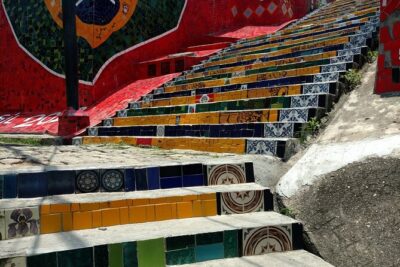
- Stop 2: Escadaria Selarón, Rio’s color staircase with meaning
- Stop 3: Cinelândia, theaters and libraries in the middle of it all
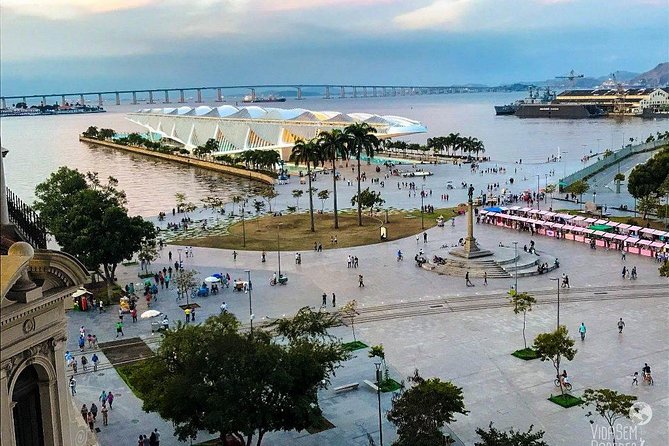
- Stop 4: Olympic Boulevard and the museum cluster feel
- Stop 5: Porto Maravilha and the world-scale finish
- How the guide turns walls into a city lesson
- Price and value, what you actually get for $68.61
- Getting value without getting tired: what to bring and expect
- Who should book this Rio Street Art Tour
- Should you book it?
- FAQ
- How long is the Rio Street Art Tour?
- What is the price per person?
- Is this tour private?
- Where do we meet for the tour?
- Does the tour use public transportation?
- Are admission tickets included?
- What happens if the weather is bad?
- Can I cancel and get a full refund?
Key highlights you should know first
- A route built around rail and foot travel, so you get multiple districts without wasting time
- Selarón Staircase plus major Rio art zones, not just one famous spot
- Museum of Tomorrow area and Olympic Boulevard, adding modern Rio context to street-level art
- Porto Maravilha finish, including the world-scale Etinia mural stopping point
- Context that covers culture and politics, not only style or famous artists
- Strong guiding reputation, with Wellington frequently praised for clear English and stories
A few more Rio outings to weigh up
- Rio Street Art Tour
★ 5.0 · 76 reviews - Private Tour of Rio de Janeiro Street Art
★ 5.0 · 1 review - From Graffiti to History: Exploring Rio’s Street Art and Culture
★ 5.0 · 1 review - Rio de Janeiro Street Art Private Walking Tour with a Guide
★ 5.0 · 1 review
Why this Rio street art tour feels different
Rio’s street art is not just decoration. It is a loud public language, and the walls are often where the city discusses identity, power, and community.
What I like about this tour is that the route is designed to connect images to place. You are not stuck only in the obvious photo hubs, and you are not stuck only in graffiti either. You get architecture, public transit, and cultural stops folded into the same flow.
Also, the guide matters. Wellington is repeatedly praised for being well informed and for turning murals into a story you can actually follow. One review also mentioned a guide named Gabriel, and the common thread was the same, clear explanations and a friendly pace.
Meeting at the Municipal Theater, then getting moving fast
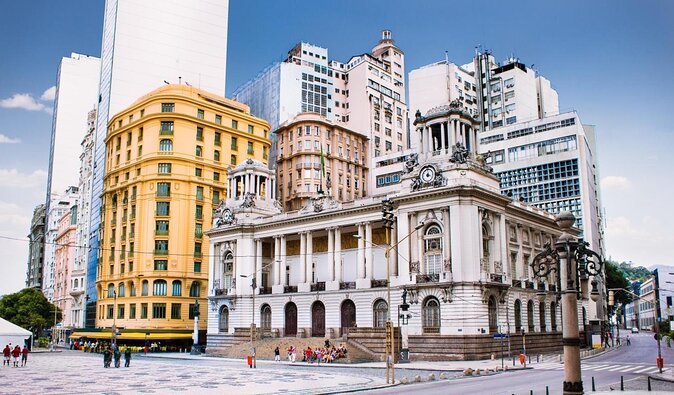
Your tour starts at the Municipal Theater of Rio de Janeiro, in Praça Floriano, in Centro. It is a smart meeting point because it sits in a central area where you can actually navigate your day.
From there, the tour uses public transportation. You take the subway to Glória, then later rides the VLT for key transitions. That matters, because Rio distances can be tricky, and the rail plan keeps the afternoon from turning into a long waiting game.
One more practical point: this tour is booked about 30 days in advance on average. If you are traveling in a popular window, plan early so you have the time slot you want.
Stop 1: Glória and Boulevard Olímpico, legalized graffiti and big-city contrasts
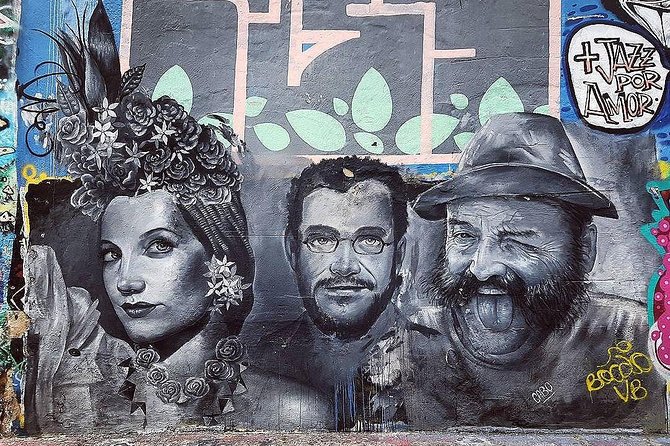
The first section starts in Glória with contemplation of the first legalized graffiti in Rio. That is a fascinating angle, because it frames street art as something that has moved through local rules and public debate, not only rebellion.
From there, the route builds visual context. You pass architectural influences linked to Europe, and you get the kind of city details that usually get missed when people rush from one landmark to the next.
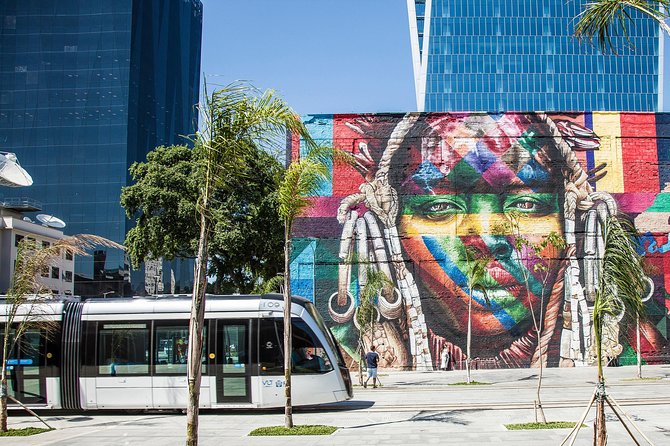
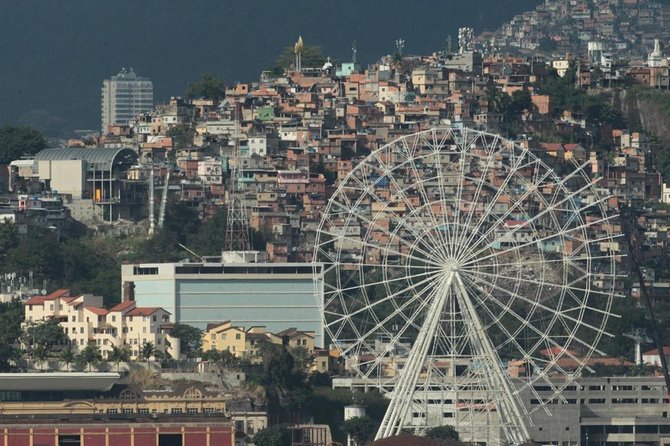
The stop also references the Selaron Staircase as part of the transit and viewpoint flow. Then you move by VLT to the Etinia panel, described as the largest graffiti mural in the world. Ending up at the Museum of Tomorrow area gives you a modern counterpoint to the older neighborhoods.
What this first stop does well for you: it teaches you how to read street art as a system. Color and style are the surface, but the meaning shows up through the neighborhood, the city planning, and who gets to control the walls.
A minor caution: the pace between transit points can feel quick. If you want long photo time at every wall, you might need to rely on the guide’s timing and ask briefly if there is a moment for a slower look.
Stop 2: Escadaria Selarón, Rio’s color staircase with meaning
Next up is Escadaria Selarón, often treated like a must-see because it is one of the city’s best-known public art statements. The tour frames it as the third most visited tourist spot in Rio, which helps explain why it draws crowds.
The upside is that it is so recognizable that you understand what you are looking at right away. And because this tour connects it to the broader story of street art in Rio, it does not become just a landmark selfie session.
The downside is also predictable. Selarón can be crowded, so your experience depends on timing and on how your guide manages the group. If you prefer quieter viewing, consider arriving in the middle of the day rather than the peak early evening crowds, and let your guide lead the pace.
Stop 3: Cinelândia, theaters and libraries in the middle of it all
Cinelândia is where the tour shifts from stairs and murals into civic culture. You see main libraries and the main theater of the city, which is a useful reminder that Rio’s art life is not only street-level.
Then you ride the VLT again to Olympic Boulevard. That transit segment is not just travel time, it is part of the lesson, because you are literally moving through how the city is organized.
This stop is valuable because it helps you compare two kinds of public culture. One is built and institutional, like libraries and theaters. The other is painted onto walls, often by artists responding to their lived reality.
If this one is full, Rio has these as well:
- Rio de Janeiro: 6-Stop Highlights of Rio with Lunch★ 4.4 · 5,157 reviews
- Christ the Redeemer Entry Ticket by Corcovado Train★ 4.4 · 4,476 reviews
- Rio’s City Tour – Tickets for Christ, Sugar Loaf & Lunch included★ 5.0 · 4,389 reviews
- Full Day: Christ Redeemer, Sugarloaf, City Tour & Barbecue Lunch★ 4.5 · 3,142 reviews
- Rio de Janeiro: Rocinha Favela Walking Tour with Local Guide★ 4.8 · 3,052 reviews
Stop 4: Olympic Boulevard and the museum cluster feel
The tour reaches Boulevard Olímpico, where Olympic Boulevard is described as home to the city’s main museums. Even if you are not spending all your time inside museums, the area works as a “big picture” moment.
It is an excellent place to ask yourself a question: how does street art fit next to mainstream cultural institutions? A good guide will help you connect dots, and the best versions of this tour do that with clear explanations about art, architecture, and city identity.
The main drawback here is more about your own expectations. If you are arriving hoping for wall-to-wall graffiti at every second, you might feel the museum-zone transition is more about atmosphere and context than a new mural every few minutes.
Still, it is a smart segment because it avoids the classic tourist trap of seeing only one type of art space in one neighborhood.
Stop 5: Porto Maravilha and the world-scale finish
The final stop is Porto Maravilha. This is where the tour finishes with the largest graffiti mural in the world, the world-scale finish that gives the afternoon a strong ending beat.
Porto Maravilha is also where the tour experience can connect to deeper Afro-Brazilian context. In the tour story, you get attention to areas often referenced as Little Africa, including discussions that link the neighborhood’s visual culture to the history of enslaved Africans in Brazil.
That connection is what makes this tour more than a photo walk. You are learning to connect art to the city’s human history, not just its aesthetic trends.
One of the most practical takeaways from the guide approach is that it can lead you toward local places to eat. Some guiding mentions include tips for a lunch stop among locals after the tour, which is exactly what I want from a walking tour. It helps you continue the experience without hunting around blindly.
How the guide turns walls into a city lesson
This tour is repeatedly praised for the way the guide explains meaning, not only how murals look. Wellington is highlighted for English that is easy to follow, and for explaining the significance of the graffiti murals in a way that feels grounded.
The tour also leans into the broader Rio picture: politics, architecture, Carnival, and samba school culture show up as part of how you interpret the art. That matters because Rio street art often references local events, social tensions, and community pride.
Another detail I think you will appreciate: the guide approach is interactive. One account mentioned practicing Portuguese during the tour, which is a fun way to make the city feel less like a showroom and more like an exchange.
There is also a practical moment that says a lot about the guide. One review described the guide handling train ticket needs to help avoid a potential fine. I cannot promise every situation will play out the same, but it is evidence that the guide pays attention to real-world problems, not just storytelling.
Price and value, what you actually get for $68.61
At $68.61 per person for about 3 hours, this is not a bargain version of “random streets with a map.” The value comes from combining several things you would otherwise piece together yourself:
- Multiple neighborhoods in one pass, including Glória, Cinelândia, Olympic Boulevard, and Porto Maravilha
- Public transportation used as part of the route, not as an afterthought
- Context-heavy explanations that connect art to Rio’s culture and history
- Stops planned around sights marked as free in the route, including the Selaron Staircase and the Museum of Tomorrow area
There are free alternatives if you just wander. But you lose the structure, and you lose the meaning. With this tour, you are paying to get your bearings fast and to understand what the murals are saying.
You should also factor in the private-tour setup. This is listed as private, meaning only your group participates. That tends to make it easier for you to ask questions and keep your pace comfortable.
Getting value without getting tired: what to bring and expect
The tour is built for transit and walking. Expect some time on your feet, especially around the Selaron Staircase area.
Pack practical stuff:
- Water, especially if it is warm
- Comfortable shoes, because you will be moving between districts
- A phone with battery, because you will want to refer back to the guide’s points while you look at details
Because the experience requires good weather, aim for a day with stable conditions. If weather turns, the tour may be rescheduled or refunded.
How much walking is “too much” is personal. The route sounds manageable for most travelers, but if you know you struggle with continuous standing and city steps, plan on taking your breaks when the guide stops.
Who should book this Rio Street Art Tour
This is a strong fit if you want more than a classic highlights sweep.
Book it if you:
- Like street art but also care about the social and political context
- Want to cover several Rio neighborhoods in one short afternoon
- Prefer a guide who explains meaning and ties landmarks together
- Enjoy using public transportation like locals, including subway and VLT rides
It is also a good choice if you are the type who likes to understand why a place matters, even when it is not “the big ticket museum” day.
Where it may not fit:
- If you need a mostly seated experience
- If you only want ultra-famous graffiti spots with minimal history
- If you dislike crowds, since the Selarón area can be busy
Should you book it?
Yes, I think you should book this Rio Street Art Tour if you want a compact, high-meaning way to understand street art in Rio. The price makes sense when you consider how much ground the route covers, how much context the guide provides, and the private-group feel.
Do it especially if you like art that carries messages. If you are more of a “show me the most famous murals only” person, you might still enjoy it, but you should be ready for the tour’s extra lessons about culture, architecture, and Carnival-linked themes.
If you are deciding between days, pick your best weather window and bring good shoes. This is the kind of tour where the guide can turn what looks like random color into a clear picture of Rio.
FAQ
How long is the Rio Street Art Tour?
The tour lasts about 3 hours.
What is the price per person?
The price is $68.61 per person.
Is this tour private?
Yes. It is listed as a private tour or activity, with only your group participating.
Where do we meet for the tour?
The meeting point is the Municipal Theater of Rio de Janeiro, Praça Floriano, S/N – Centro, Rio de Janeiro – RJ, 20031-050, Brazil.
Does the tour use public transportation?
Yes. The tour includes public transportation, including subway and VLT rides, along with walking between stops.
Are admission tickets included?
Admission is listed as free for the tour’s key stops, including time at Boulevard Olímpico, Escadaria Selarón, Cinelândia, and Porto Maravilha.
What happens if the weather is bad?
The experience requires good weather. If it is canceled due to poor weather, you will be offered a different date or a full refund.
Can I cancel and get a full refund?
Yes, you can cancel up to 24 hours in advance for a full refund. If you cancel less than 24 hours before the start time, the amount paid is not refunded.
Recently added around Rio




Street Art, compared.


Rio de Janeiro Street Art Private Walking Tour with a Guide
Read our review →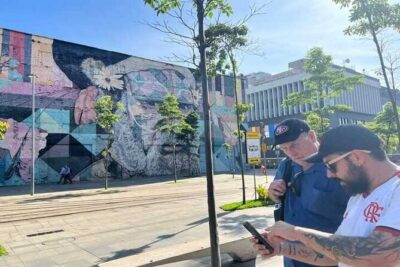
From Graffiti to History: Exploring Rio’s Street Art and Culture
Read our review →More of this kind of Rio day