
Reviewed · WALKING TOURS
Rio de Janeiro: Afrobrazilian Heritage & Black History Walk
Rio changes when you follow its African roots. This 150-minute walk traces Portuguese slavery and the culture built afterward, with Valongo Warf at the center as a UNESCO World Heritage Site. I like how the story connects the forced arrival of Africans to the music, religion, and names people still live by today.
You’ll also get the cultural heartbeat at Pedra do Sal, tied to early samba gatherings and continuing rodas de sambas today. The religion portion is handled with care, including how candomblé and umbanda developed and how they syncretized with Christianity. One drawback: it’s rain or shine outdoors, so plan for weather and bring what you need.
In This Review
- Key highlights you’ll actually remember
- Why this heritage walk hits harder than a typical tour
- Meeting at MAR Museum and getting oriented fast
- Valongo Warf UNESCO: the transatlantic slave trade, shown through place
- Santé, downtown corners, and Largo São Francisco da Prainha
- Pedra do Sal: samba origins and the living tradition of rodas
- Afrobrazilian religions: candomblé, umbanda, and syncretism
- The art stop at Estúdio Kobra: Etnias on the wall
- Price and value: is $64 worth 150 minutes?
- What the group experience feels like in practice
- Practical tips so you enjoy the walk more
- Who should book this walk, and who might want a different option
- Should you book Rio de Janeiro: Afrobrazilian Heritage & Black History Walk?
- FAQ
- How long is the Afro-Brazilian Heritage & Black History Walk?
- Where do I meet the guide?
- What stops are included on the route?
- Is food included?
- What does the tour cost?
- What languages are available for the guide?
- Is the tour wheelchair accessible?
- What should I bring, and what is not allowed?
Key highlights you’ll actually remember
- UNESCO Valongo Warf as the Atlantic slave trade memory stop, not just a photo opportunity
- Pedra do Sal and Little Africa plus the samba tradition that keeps running through the neighborhood
- Candomblé and umbanda origins and how syncretism formed new spiritual paths
- Orishas and other African-derived spirits such as nkisis and voduns, tied to everyday belief
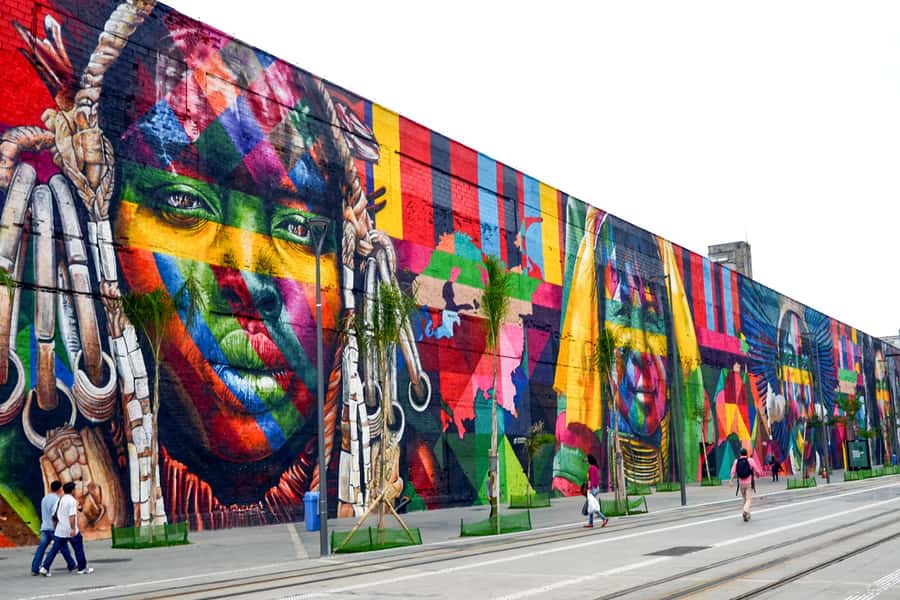
- A downtown route through Largo São Francisco da Prainha, Praça Mauá, and graffiti at Estúdio Kobra (Etnias)
More of Rio covered on foot:
- Rio de Janeiro: Rocinha Favela Walking Tour with Local Guide
★ 4.8 · 3,052 reviews - Rio De Janeiro: Half-Day Rocinha Favela Walking Tour
★ 4.7 · 2,272 reviews - 3 Hour Rocinha Favela Walking Tour with a Local Guide
★ 5.0 · 833 reviews - Favela Tour Rio de Janeiro – Vidigal Walking Tour by Russo Guide
★ 5.0 · 377 reviews
Why this heritage walk hits harder than a typical tour
This is the kind of Rio walk that changes how you look at the city once you learn what happened here. You start in the downtown zone around Praça Mauá, and the route gradually turns from streets and landmarks into a timeline you can see and feel. The focus is Afro-Brazilian heritage, including the Portuguese slave trade that lasted over 380 years and the cultural legacies left by Africans and their descendants.
Two things make it especially worthwhile. First, it goes beyond monuments. It ties the Valongo Warf story to what survived: music practices, neighborhood community, and spiritual systems. Second, it leans on an expert guide who is African descent from Rio, so you’re not just getting dates and definitions. You’re getting the human meaning behind them.
The tone matters, too. The tour deals with human trafficking and forced displacement, so it is not a “light” stroll. Still, the pace is built for walking and conversation, and it stays focused on understanding.
Meeting at MAR Museum and getting oriented fast
You meet under the trees in front of the MAR Museum (Rio Art Museum) at Praça Mauá. That’s a smart starting point because it puts you right in the downtown landscape where the tour’s themes took shape. The tour is also listed as having two possible starting options, including the Museu de Arte do at R. Pedro Ernesto, 32, and a Saúde start point for a short guided walk.
What I’d do as you arrive: get your basics ready before the group starts moving. This walk is 150 minutes, and it’s rain or shine, so comfortable clothes and a hat help more than you think. You’ll also want a reusable water bottle and rain gear, because the route is outdoors and you don’t want to be hunting for supplies mid-walk.
Language options are practical here. The guide speaks English, Spanish, or Portuguese, so you can pick the one that lets you follow details without straining.
Valongo Warf UNESCO: the transatlantic slave trade, shown through place
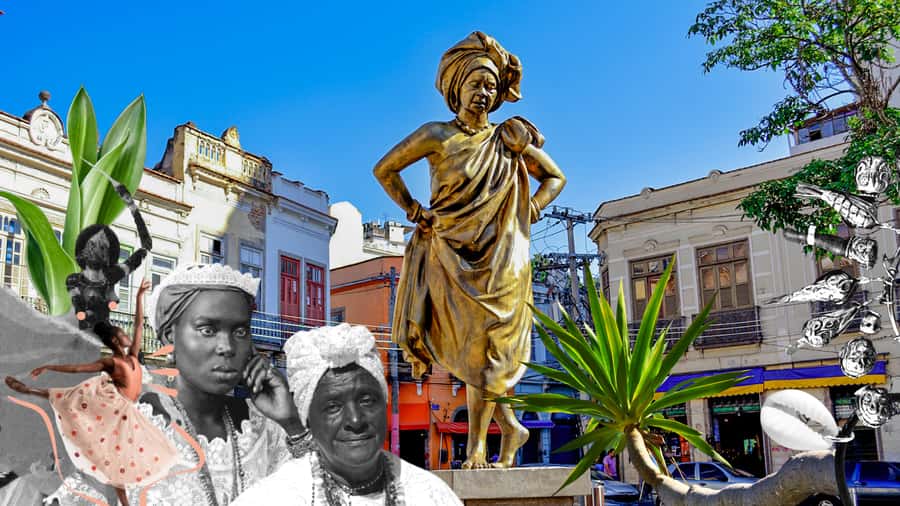
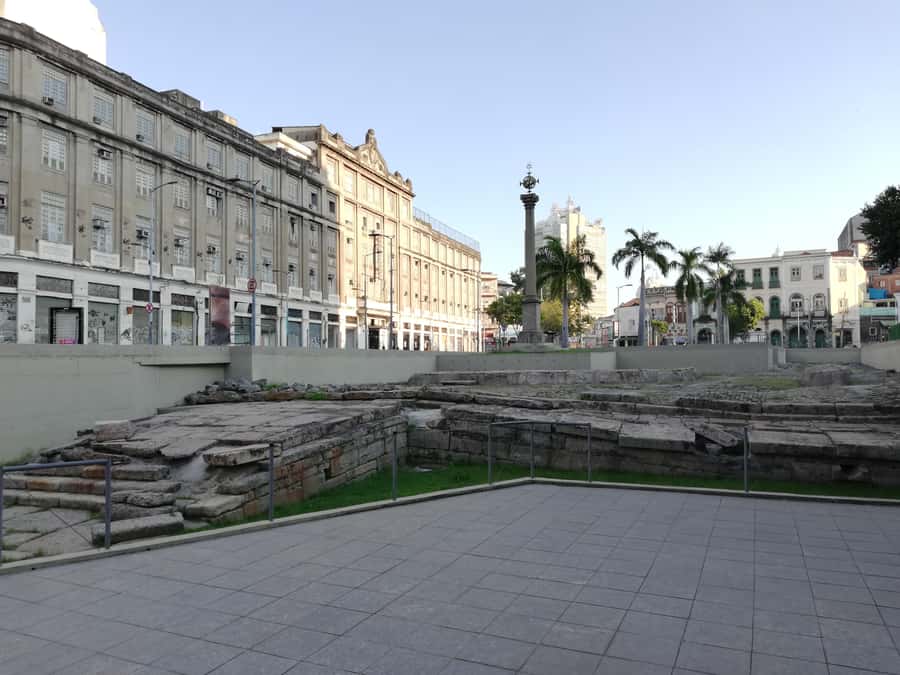
The big anchor stop is Cais do Valongo, the UNESCO World Heritage Site tied to the transatlantic slave trade. This is where the story stops being abstract. Instead of only hearing about a system that happened somewhere else, you see the kind of location where millions of Africans arrived to be sold.
The tour frames this history in a grounded way, including:
- how enslaved Africans arrived to Rio
- what the biggest slave market of the Atlantic meant in human terms
- how that forced arrival connects to African cultural survival in Rio afterward
If you care about context, this is the heart of the experience. You get the bridge between atrocity and legacy. It’s not “just sad facts.” The meaning continues, because the route then moves into the neighborhoods and spiritual traditions shaped by African descendants.
One practical note: because this is an official UNESCO site, you’ll likely want your attention fully on the guide and the area around you. This isn’t the tour to multitask or treat as a quick “walk-by.”
Santé, downtown corners, and Largo São Francisco da Prainha
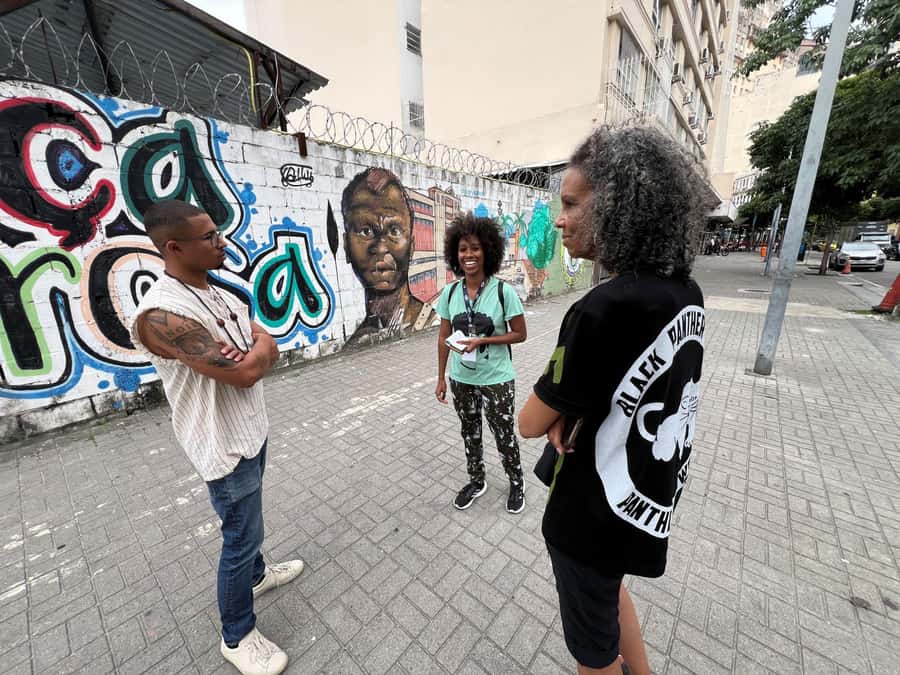
After starting around Praça Mauá, the tour moves through the downtown streets and areas tied to African heritage. One segment includes Saúde with a guided walk for about 15 minutes. That short stretch matters because it’s part of building the mental map you need for the rest of the story.
You also visit historically relevant sites in the downtown zone, including Largo São Francisco da Prainha. In a lot of cities, old buildings are treated like scenery. Here, the tour makes them part of the narrative: where people gathered, where culture formed, and where memory lives in the urban fabric.
By the time you reach the Prainha area, you’re no longer just learning about the slave trade. You’re learning how Afro-Brazilian life took shape after it, and how communities turned survival into identity. Even if you’ve seen Rio postcards, this part helps you notice what those images usually skip.
Pedra do Sal: samba origins and the living tradition of rodas
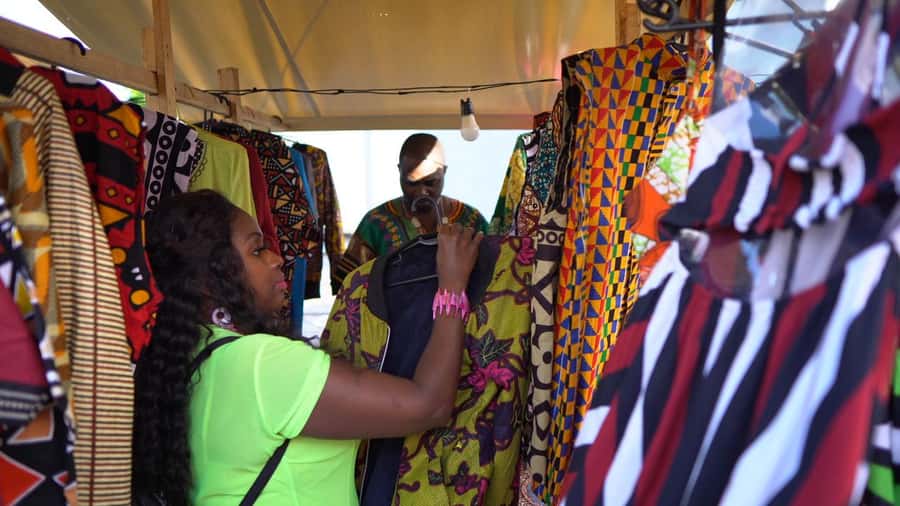
Then you arrive at Pedra do Sal, a neighborhood area strongly associated with “Little Africa.” The tour explains it as a center of African heritage in the city and as a place tied to the origins of samba.
What makes Pedra do Sal stand out on this walk is that it isn’t presented as a museum topic. The tradition is described as continuing today, including lively rodas de sambas every week. The tour also links Pedra do Sal with the earliest Carnival bloco parties and parades, showing how neighborhood music rhythms grew into citywide celebration.
There’s also a built-in stop connected to regional food at Pedra do Sal. Food is listed as not included, so don’t assume you’ll be eating on the house, but the stop is there for the cultural context. You can use the moment to grab something local if the timing works for you, then get back to the group.
If samba is your Rio entry point, this is a strong way to learn it. You don’t just hear that samba exists. You learn why it makes sense here, and how African-descendant culture took root in public space.
More of Rio's older story on foot:
- Rio de Janeiro Historical Center Walking Tour★ 4.5 · 336 reviews
- Private Walking and Cultural Tour Rocinha-Rio de Janeiro★ 5.0 · 239 reviews
- Discover Rio Little Africa: A Cultural and Historical Journey★ 5.0 · 238 reviews
- Rio de Janeiro: Historic Rio and Santa Teresa Half-Day Tour★ 4.4 · 228 reviews
- Rio de Janeiro: Little Africa Heritage Walking Tour★ 4.9 · 177 reviews
Afrobrazilian religions: candomblé, umbanda, and syncretism
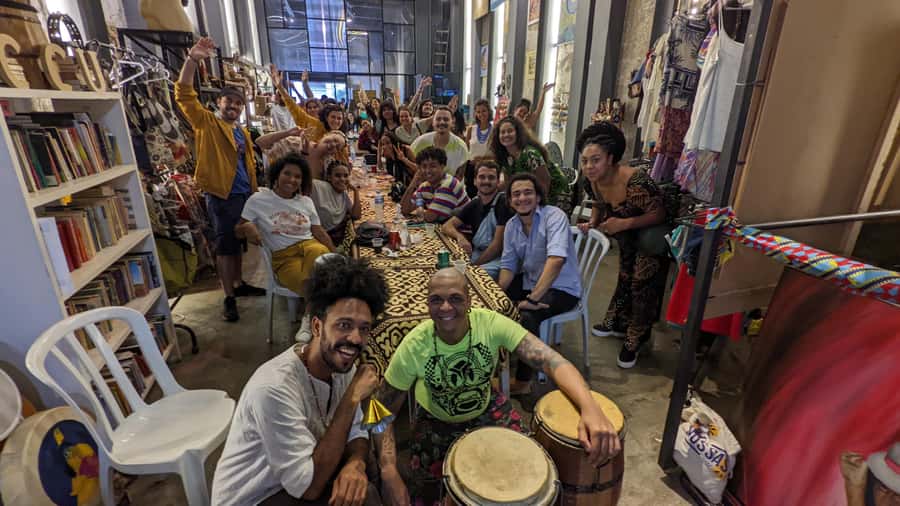
The spiritual section is one of the most distinctive parts of the walk. The tour covers the origins of candomblé and umbanda and explains how these traditions connect with Christian religions through syncretism.
This is where you learn that African-derived spiritual systems did not vanish under oppression. They evolved, adapted, and continued through belief, ritual, and community knowledge. You’ll hear about Brazilian ancestral gods and goddesses of nature, and you’ll also learn about the legacies of deities connected to Orishas, plus nkisis and voduns.
The tour keeps the focus practical for understanding. Instead of throwing names at you without context, it builds a sense of how the belief system relates to life and community. That matters because religion here is not only about worship. It also supports cultural continuity.
If you want to be respectful and get more from the guide, come in with a mindset of listening. These are living traditions, not just historical topics.
The art stop at Estúdio Kobra: Etnias on the wall
One of the drop-off points includes Etnias, a graffiti mural connected to Estúdio Kobra. It’s a good reminder that Afro-Brazilian heritage is not trapped in the past. It’s still showing up in visual culture, in public storytelling, and in what the city chooses to paint and remember.
This doesn’t need to be “your thing” for it to be useful. Even if you’re not a street art person, it helps connect themes across the walk: memory, identity, and expression.
Price and value: is $64 worth 150 minutes?
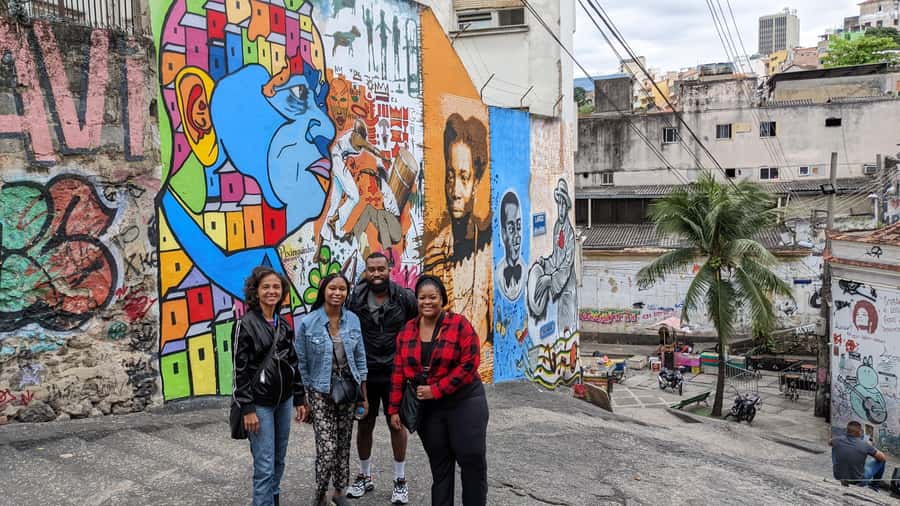
At $64 per person for about 150 minutes, the value depends on what you want from Rio. If you’re chasing only quick sights, this might feel like a focused niche. But if you want meaning and local context, the price makes more sense.
Here’s why. You’re paying for:
- A guided walking tour with an expert guide (English, Spanish, or Portuguese)
- A visit to the Valongo Warf UNESCO site
- Deep thematic coverage, including samba origins and Afro-Brazilian religions
- Local programming tips, including music, art, museums, restaurants, and the local scene
- A route that includes key downtown heritage points like Pedra do Sal and Largo São Francisco da Prainha
Also, the tour includes a wheelchair accessible listing, which is a real consideration for many short city tours.
If you want to compare, think of it like this: you’re not just buying entry. You’re buying interpretation, and that is what turns downtown locations into something you can carry home.
What the group experience feels like in practice
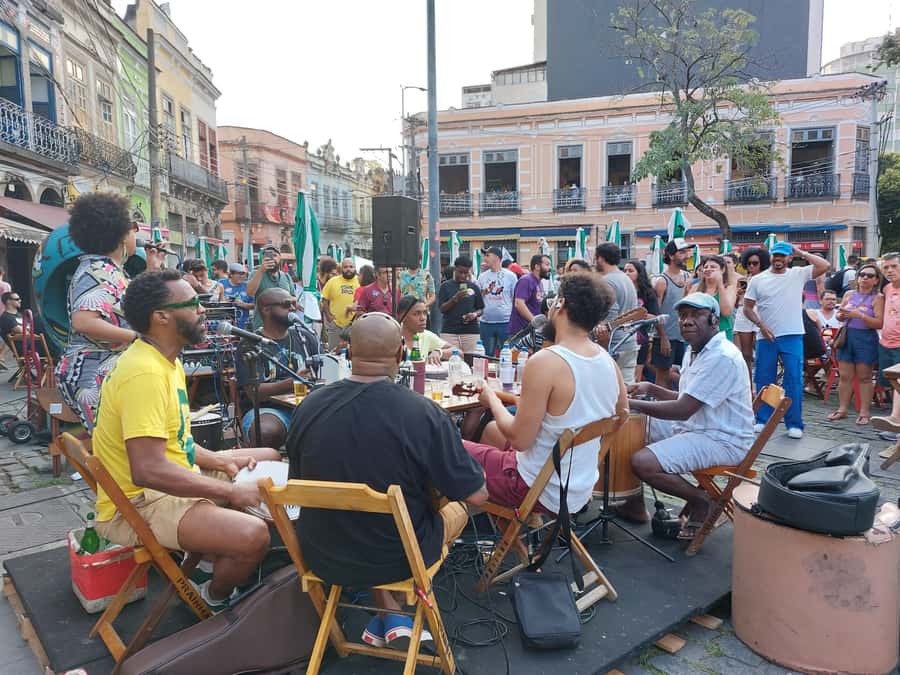
The walk is designed as a guided downtown route with walking time and short segments. You can expect the story to move at a human pace, with time to ask questions when you have them.
The guide options you might encounter are real names, like Kelly, who was praised for passion and extensive research, and Jaíse, who was credited for making the history come alive and adding suggestions for authentic samba experiences after the walk. That matters because the best outcome of this tour is not only knowing what happened, but knowing what to do next in Rio with better instincts.
Group size isn’t specified in the data you provided, so you should treat it as an active walk and be ready to stay with the group.
Practical tips so you enjoy the walk more
This experience stays outdoors and runs rain or shine. That’s the biggest “plan ahead” point. I recommend packing:
- a reusable water bottle
- a hat
- rain gear
- comfortable clothes
Also, the tour notes that you should send a WhatsApp message for faster communication. If you’re prone to fumbling with your phone, set yourself up at the start. Have your travel insurance number and operation details handy in case anything comes up on an outdoor day. It is not mandatory, but it’s smart.
Pets are not allowed, but assistance dogs are allowed.
Who should book this walk, and who might want a different option
This is ideal if you want Afro-Brazilian heritage in Rio with strong place-based context. It’s also a great fit if you care about how samba and spiritual traditions connect to history, not just to performance.
You’ll likely enjoy it most if you:
- like walking tours that teach you how to read a city
- want UNESCO context tied to daily cultural legacies
- prefer guided explanation over self-guided browsing
If you’re looking for a purely entertainment-led tour, this might feel heavier than you expect. The content includes the realities of human trafficking and slavery. It’s not graphic for the sake of shock, but it is not a “skip past the hard parts” experience either.
Should you book Rio de Janeiro: Afrobrazilian Heritage & Black History Walk?
If you’re in Rio and you want one activity that gives you a deeper lens, I’d book this. The combination of Valongo Warf UNESCO, Pedra do Sal, and the religion-to-music connections makes it a high-impact use of 150 minutes. Plus, guides like Kelly and Jaíse show up with real passion and serious research, which is exactly what you want when the subject is complex and sensitive.
Skip it only if you strongly dislike historical topics tied to oppression, or if you are unprepared for an outdoor rain or shine walk. Otherwise, this is one of the best ways to understand why Rio’s culture sounds the way it does, and why it carries memory in more than one form.
FAQ
How long is the Afro-Brazilian Heritage & Black History Walk?
The tour duration is listed as 150 minutes.
Where do I meet the guide?
Meet under the trees in front of the MAR Museum (Rio Art Museum) at Praça Mauá.
What stops are included on the route?
The tour includes the UNESCO World Heritage Site at Cais do Valongo and visits Pedra do Sal. It also includes downtown heritage stops such as Largo São Francisco da Prainha, and a drop-off connected to Etnias at Estúdio Kobra.
Is food included?
Food is listed as not included. The itinerary includes a stop noted as regional food at Pedra do Sal, so you may want to plan to purchase something if you want to eat.
What does the tour cost?
The price is listed as $64 per person.
What languages are available for the guide?
The guide is listed as available in English, Spanish, and Portuguese.
Is the tour wheelchair accessible?
Yes, the activity is listed as wheelchair accessible.
What should I bring, and what is not allowed?
Bring a reusable water bottle, comfortable clothes, a hat, and rain gear. Pets are not allowed, though assistance dogs are allowed.
Recently added around Rio



Walking Tours, compared.

3 Hour Rocinha Favela Walking Tour with a Local Guide
Read our review →
Favela Tour Rio de Janeiro – Vidigal Walking Tour by Russo Guide
Read our review →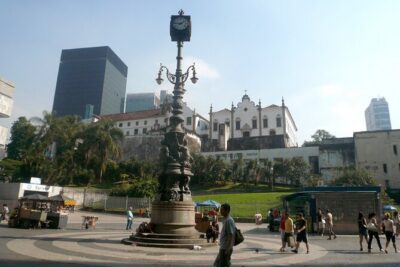
Private Walking and Cultural Tour Rocinha-Rio de Janeiro
Read our review →

Sunrise and Sunrise Walk Two Brothers with Local Guide
Read our review →More of this kind of Rio day