
Reviewed · FOOD
Food Tour Experience in Rio de Janeiro – Private Tour
Your Rio meals come with a map. This half-day food tour links food to neighborhoods, with the guide handling ordering so you do not get stuck with your Portuguese. You also get air-conditioned comfort between stops, which matters in Rio’s heat, but expect a fair amount of walking and standing around markets and viewpoints.
A big plus is the small-group feel, with a maximum of 15 people, plus pickup offered, so the day stays easy and organized. One caution: the farmers market neighborhood can change day to day, so the exact order of food stops may shift while the core experience stays the same.
In This Review
- Key highlights to look forward to
- Price and Logistics: is 175 per person good value?
- Farmers markets in Copacabana and Ipanema, with producers you can taste
- Santa Teresa and Escadaria Selarón: where food meets art and views
- Lapa arches and downtown Praça Floriano Peixoto: eating while you read the city
- Port Area and museums: big art, sustainability themes, and a Kobra moment
- Churches, reading rooms, and the cool-down stops between bites
- Theatro Municipal and the feeling of a full Rio day
- Food variety you can actually plan around
- Who this Rio Alternative Tour fits best
- Should you book this Rio food tour?
- FAQ
- How long is the Food Tour in Rio de Janeiro?
- What is the price per person?
- Is pickup included?
- Is the tour private?
- What language is the tour in?
- Does the itinerary stay the same every day?
- Is there an admission ticket included for any stop?
- Do I need to be comfortable walking?
- Can I bring dietary restrictions or allergies?
- Is a mobile ticket provided?
Key highlights to look forward to
- Farmers markets that rotate neighborhoods, so you see different local producers instead of the same checklist.
- Guide-led ordering to help with menus, preferences, and any language barrier.
- Santa Teresa and Escadaria Selaron, pairing bites with art and seriously scenic streets.
- Lapa arches and downtown squares, where food stops are timed with city landmarks.
- Port Area street art and major museums, including Eduardo Kobra’s mural and the Museum of Tomorrow.
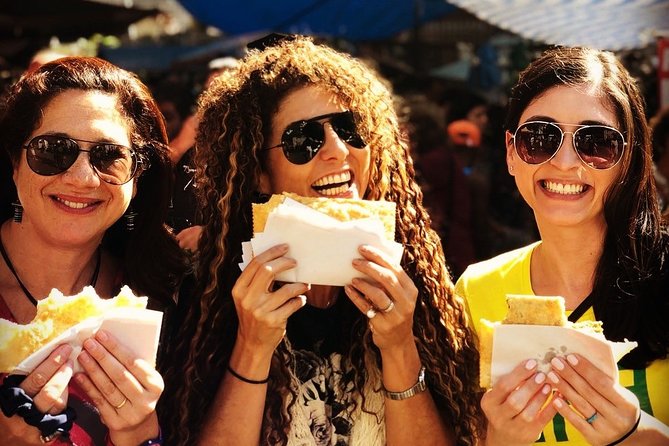
- Real variety in tastes, from tapioca and queijo snacks to fish dishes, açaí, and classic sweets.
A few more Rio outings to weigh up
- Rio: Pub Crawl in Lapa with Cachaça Tasting and Live Samba
★ 4.7 · 881 reviews - Sunset Boat Tour with Beer, Water, Soda and Snacks included
★ 5.0 · 227 reviews - 3-Hour Tasting Session in Rio with 33 Foods Brazilians Love
★ 5.0 · 220 reviews - Rio Gastronomy: Culture & History Through The Art Of Food – Walking Group Tour
★ 5.0 · 164 reviews
Price and Logistics: is 175 per person good value?
At $175 per person for about 5 to 6 hours, you are paying for more than food. You are paying for a guide who can translate menus and keep the day moving, plus transport that lets you cool off between neighborhoods. That is the practical win if this is your first time in Rio, or if you want to spend less time figuring out where to eat and more time actually eating.
The tour also caps at 15 people, which usually keeps things conversational at the tables and helps you actually hear what your guide is pointing out. Pickup is offered, which removes one of the biggest friction points in Rio touring, getting from place to place without wrestling public transport with snacks in hand.
The one thing to keep in mind is that this is not just a restaurant crawl. The schedule includes landmark walking and several cultural stops. If you want a pure, sit-down tasting menu with zero city sights, you might prefer something more food-only.
Farmers markets in Copacabana and Ipanema, with producers you can taste
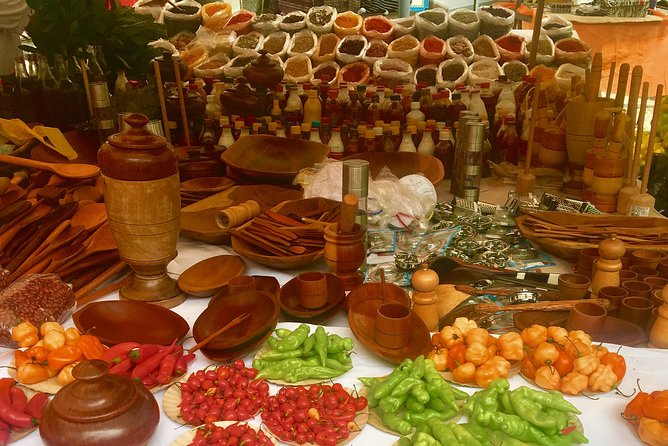
The day often starts with a farmers market stop, and in Rio that is a clever way to get grounded fast. Markets are where local specialties show up in their most honest form, before they get turned into tourist copies. Here, you are not only looking, you are tasting.
One of the most detailed food memories from a guide-led run is the variety of artisanal finds: cheese, coconut treats, and even a tapioca pizza type of snack. That kind of mix is exactly why markets work on day one. You get to sample what is local without needing a long list of Portuguese phrases.
Also, the farmers market neighborhood can change depending on the day, with examples including Copacabana and Ipanema. That means you might see different stalls than another group, which keeps the experience feeling more like a real Rio routine and less like a rigid script.
Practical note: markets mean standing, light walking, and handling small plates. Wear comfortable shoes, and if you have allergies or dietary limits, tell the operator in advance so the guide can steer you correctly.
Santa Teresa and Escadaria Selarón: where food meets art and views

Santa Teresa is known for creative energy and art studios, and it has that uphill, neighbor-to-neighbor feel that you miss if you only stick to the beaches. On this tour, you get there with a clear reason: it is not just a scenic detour, it is part of the food story in Rio.
A highlight here is the famous Escadaria Selarón. Even if you have seen photos before, it hits different when you are close enough to notice the tile work and the scale of the staircase. The tour format adds a guide moment around the steps, which helps you connect the art to the street life around it rather than treating it like a quick photo stop.
From a detailed guest account, the Santa Teresa portion includes a classic snack stop with pao de queijo. That simple cheese bread is one of those foods that looks modest until you taste it. It pairs well with market flavors earlier in the day, and it also makes the climb feel worth it.
If you are planning your day around views, this is a strong segment. Expect photos at overlooks and wandering streets. The staircase area and surrounding streets are where your guide’s pacing matters, because you want time to look without getting swept into a rushed, all-at-once walking pace.
Lapa arches and downtown Praça Floriano Peixoto: eating while you read the city
After Santa Teresa, the tour shifts into central Rio, and it does it in a smart order. Instead of bouncing randomly, you move into historic areas where architecture tells you who built the city and why.
Lapa is one of the big anchors. You see the Carioca Aqueduct, often called Arcos da Lapa by locals. This 18th-century structure was built to bring fresh water into the city, and standing nearby helps you understand how Rio used engineering and public works long before it became a tourism machine.
From there, you work through downtown landmarks, including Praça Floriano Peixoto. This is described as a major public square tied to Brazil’s political and cultural life. Even if you do not go inside every building on your list, the square makes sense as a hub, because you can see how the city’s energy was shaped around big public spaces.
You may not think of downtown as a food zone, but that is where the guide helps. Ordering is handled for you, and the food timing tends to feel natural rather than forced. If your Portuguese is shaky, this part is especially valuable because it keeps your day from slowing down every time the menu gets complex.
Port Area and museums: big art, sustainability themes, and a Kobra moment
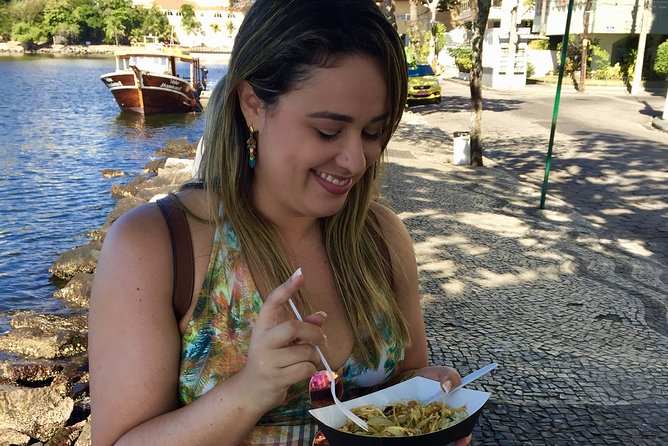
The Port Area segment is where the tour becomes more than eating. You get the chance to connect Rio’s modern cultural identity with its older maritime and port roots.
A standout stop here is the Museum of Tomorrow. It is an applied sciences museum with a focus on sustainability and how humanity will tackle challenges in coming decades. Even if you are not a science museum person, the theme fits the bigger Rio story, because the city has to think forward while dealing with daily realities.
Another museum stop is the Museum of Art (MAR). Its idea is to read the city through art across time, including the social fabric and conflicts that shaped Rio. If you like learning while you travel, this is one of the best ways to do it without turning your vacation into a classroom.
Then there is the street art payoff: a large mural signed by Eduardo Kobra in the Gamboa area. One of the most memorable details in the supplied information is that this Kobra work was linked to a Guinness World Record for one of the world’s largest graphite panels. It is the kind of art that changes how you see the street, because it turns walls into landmarks.
In the port zone you also get cultural context, including Valongo Wharf. The wharf’s rediscovery during revitalization work and the later UNESCO designation are the kind of facts that make Rio feel deeper than postcard culture. Even without a long lecture, having these stops built into a food tour gives you the chance to learn without adding extra hours.
If this one is full, Rio has these as well:
- Rio de Janeiro: 6-Stop Highlights of Rio with Lunch★ 4.4 · 5,157 reviews
- Christ the Redeemer Entry Ticket by Corcovado Train★ 4.4 · 4,476 reviews
- Rio’s City Tour – Tickets for Christ, Sugar Loaf & Lunch included★ 5.0 · 4,389 reviews
- Full Day: Christ Redeemer, Sugarloaf, City Tour & Barbecue Lunch★ 4.5 · 3,142 reviews
- Rio de Janeiro: Rocinha Favela Walking Tour with Local Guide★ 4.8 · 3,052 reviews
Churches, reading rooms, and the cool-down stops between bites
Rio has grand church interiors, and this tour uses them well. Candelária Church is included, built and decorated over a long timeline, with Portuguese colonial Baroque plus later Neoclassical and Neo-Renaissance elements. If you are into architecture, it is a visually rich stop. If you just want a quiet break from the heat, the church can also function as a reset.
You also visit the Royal Portuguese Reading Room, which is a major draw for anyone who loves books or historic interiors. The building was constructed between 1880 and 1887 and holds more than 350,000 volumes, with rare books dating back to the 16th through 18th centuries. The facade is described as influenced by the Jerónimos Monastery in Lisbon, with limestone brought from Lisbon by ship. These details are not random, they help you understand how Rio’s history connected to Portugal in a physical, architectural way.
For more museum time, the National Museum of Fine Art is another stop. It has a large collection, including works by Brazilian masters from the 19th and 20th centuries, plus engravings by Carlos Oswald.
Shopping and sweets show up too, which is useful because you can eat, then rest your feet inside. The Pólo Saara area is an open-air mall with many stores, originally shaped by immigrant families opening small businesses. It is a practical place to browse if you want local goods without heading far out of the route.
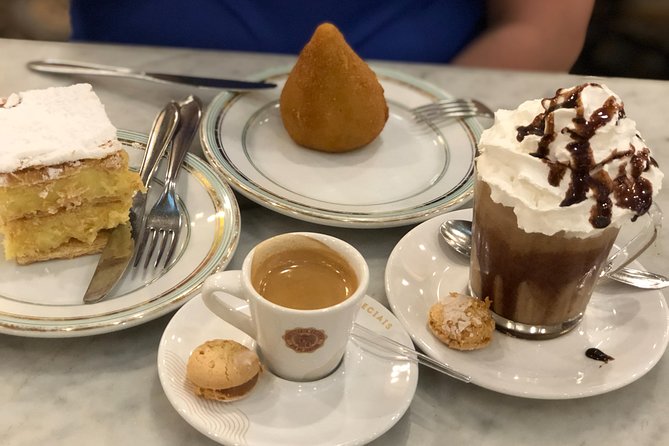
Confeitaria Colombo is also on the schedule. One reason it works here is timing: it lets you sit down with a classic dessert in a beautiful late 19th-century setting. The information specifically calls out pastel de nata as a good order. The point is not just the dessert, it is the break in your day.
Theatro Municipal and the feeling of a full Rio day
The tour includes the Theatro Municipal, and this is where the pacing can surprise you. The theater is described as drawing inspiration from Paris’ Opera Garnier, with construction materials imported from Europe in 1905. It even opened on Bastille Day, which gives the place a built-in international story.
The tour includes a guided tour of spaces like the auditorium, staircase, vestibule, and even the basement. If you like architecture and you enjoy seeing how buildings were made to impress, this is one of the best cultural stops that still feels enjoyable.
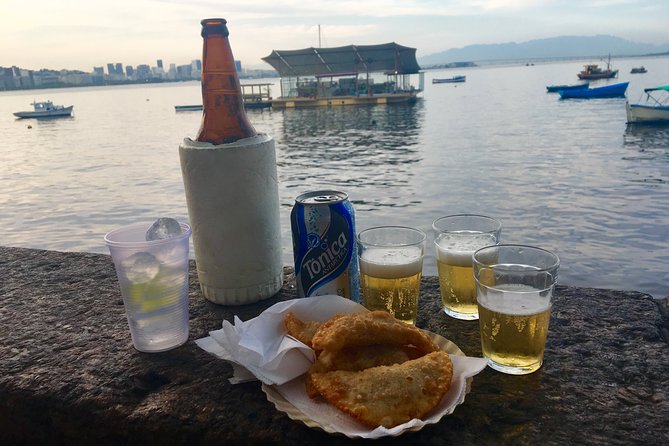
As for food atmosphere, one guest account described a final moment perched near a wall with locals looking out at the bay, with more eating and drinking before the day ended. Even if the exact last bite can vary, the intent is consistent: end with Rio in your peripheral vision, not just inside a dining room.
Food variety you can actually plan around
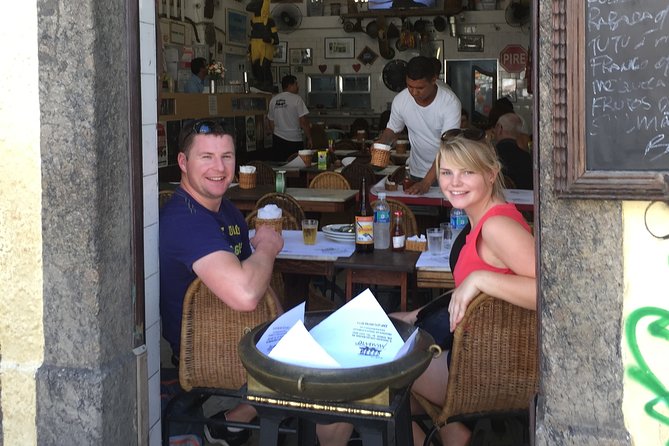
One of the strongest reasons to book this particular Rio food tour is the way it mixes categories. Instead of repeating the same type of snack over and over, you get a spread.
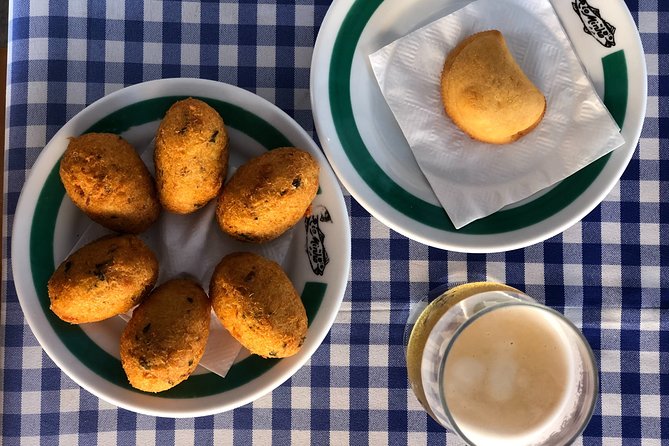
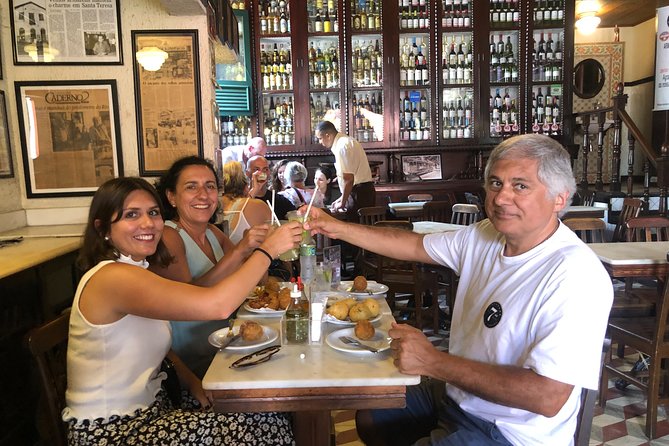
From a detailed guest experience, a typical sequence can include market sampling such as artisanal cheese and coconut treats, then fish market bites like crab stew and cheese stuffed shrimp, plus local draft beer. Later you get classic drinks like caipirinhas, paired with bolinho, which is the kind of street-food comfort you might not order confidently without a guide.
You also get Brazilian staples like pao de queijo in Santa Teresa and açaí as another flavor lane. That is a lot of variety for a half-day, and the ordering help matters because it lets you try things you might not pick on your own.
If you have dietary restrictions, the instruction is clear: inform the operator when booking. That is the best way to make sure your guide can steer you to safe choices and not just hope for the best at the counter.
Who this Rio Alternative Tour fits best
This tour is a great fit if you want a first-time introduction to Rio food and culture, but you do not want to plan everything yourself. The route combines local neighborhoods like Santa Teresa with central landmarks and the Port Area, so you get a sense of how Rio is layered.
It is also a smart choice if language is your main worry. The guide does the ordering and helps you move through menus at a pace that keeps the day pleasant.
The moderate physical fitness note matters too. Expect walking on city streets, time around markets, and climbs near areas like Escadaria Selarón. If you can handle a half-day of steady walking with breaks, you are good.
And because pickup is offered and the day is structured, it suits people who want less stress. You still get spontaneity through changing farmers market neighborhoods, but you are not improvising the whole route.
Should you book this Rio food tour?
I think it is worth booking if you want a structured, guide-led Rio food day that also teaches you what you are looking at. The $175 price feels more justified when you factor in ordering help, transport between neighborhoods, and a route that includes both major landmarks and local neighborhood energy.
Book it if:
- You are visiting Rio for the first time and want food plus city context in one go
- You prefer not to guess on Portuguese menus
- You like art and architecture enough to enjoy church interiors and museums between bites
Skip it if:
- You only want short walking and mostly restaurant seating
- You want a purely food-focused program with no museums or historic landmarks
- Your schedule cannot handle a day that includes varied stops and some time on your feet
If you decide to go, do one thing before you travel, send your allergy and dietary info clearly. Then show up hungry, wear comfortable shoes, and let the guide do the ordering and the map work for you. That is where the tour feels most like a smart shortcut into Rio.
FAQ
How long is the Food Tour in Rio de Janeiro?
It runs about 5 to 6 hours.
What is the price per person?
The price is $175.00 per person.
Is pickup included?
Pickup is offered.
Is the tour private?
It is listed as a private tour experience, and it has a maximum of 15 travelers.
What language is the tour in?
It is offered in English.
Does the itinerary stay the same every day?
The farmers market neighborhood can change, so the exact itinerary may shift a bit.
Is there an admission ticket included for any stop?
Yes, admission ticket is included for Escadaria Selarón.
Do I need to be comfortable walking?
Travelers are advised to have a moderate physical fitness level.
Can I bring dietary restrictions or allergies?
Yes. You should inform the operator about food allergy and dietary restrictions.
Is a mobile ticket provided?
Yes, a mobile ticket is provided.
Recently added around Rio






Food, compared.

Eat, drink, and discover Rio like a local — with a local.
Read our review →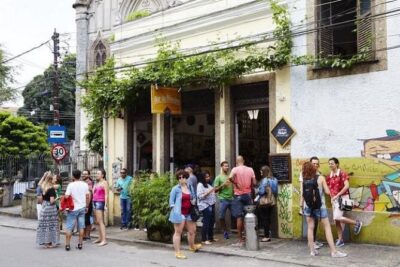
Rio Gastronomy: Culture & History Through The Art Of Food – Walking Group Tour
Read our review →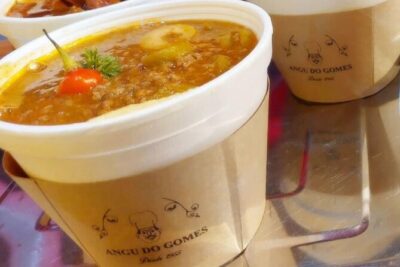
Food Tour Rio de Janeiro – The Best Typical Brazilian Dishes
Read our review →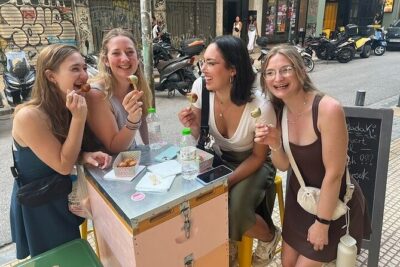
Half-Day Rio Food Crawl with 15+ Traditional Brazilian Tastings
Read our review →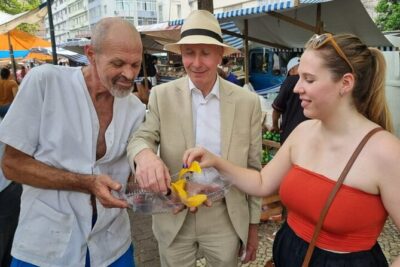
3 Day Food Tour in Rio Cook and Taste Authentic Flavors
Read our review →
Copacabana Food Tour with 7 Tastings and Local Flavors
Read our review →
Rio Carnival Parade from a Prime Box – With Shuttle, Tour Guide, Food & Drink
Read our review →
More of this kind of Rio day