
Reviewed · FOOD
3 Day Food Tour in Rio Cook and Taste Authentic Flavors
Rio tastes better when someone teaches you. This 3-day food tour turns Ipanema into your classroom, with guided tastings plus real cooking time, and it keeps moving from markets to a neighborhood kitchen to classic snack stops. You end up learning what you are eating, not just checking items off a list.
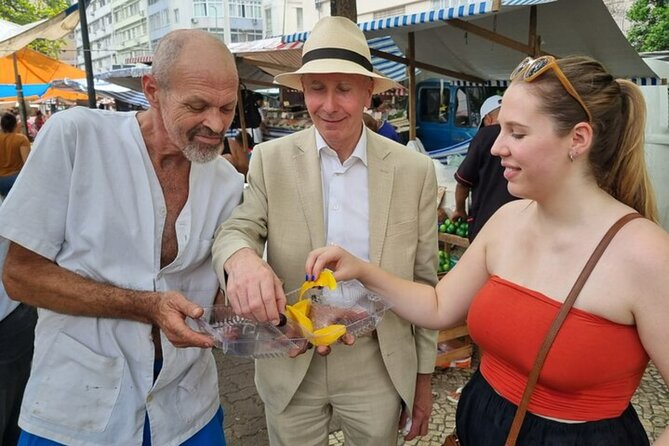
My favorite part is the fruit market morning in Ipanema, where you sample 15-20 tropical fruits you may never have seen before, like acerola, cashew apple, and cupuaçu. I also really like the hands-on cooking studio evening, because you do the work, not just watch, and you get to eat what you make.
One thing to consider: this is a lot of food over three days. Even with a thoughtful pace, you should plan for strong appetites and some walking, and the experience depends on good weather.
In This Review
- Key things to know before you go
- Three days of Rio food, built around real neighborhoods
- Day 1 in Ipanema: farmers market fruit tasting (acerola to cupuaçu)
- Day 1 cooking studio in Ipanema: picanha, moqueca, and caipirinha
- Day 2: Cook in Rio traditional kitchen tastings with 33 bites
- Day 3 from Big Nectar to Largo da Carioca: tropical juices, pizza, Arab bites, and fried sardines
- What the small group size really changes
- Price and value for a 3-day Rio food-and-cooking combo at $195
- Practical tips to get the best from every stop
- Who should book this Rio food tour, and who might not
- Should you book Cook and Taste Authentic Flavors?
- FAQ
- How much does the 3 day Rio food tour cost?
- Where does the tour start, and what time does it begin?
- How many travelers are in the group?
- What happens on Day 1?
- What food stops are on Day 3?
- Does the tour require specific weather?
- What is the cancellation policy?
Key things to know before you go
- Fruit tasting with 15 to 20 tropical varieties at an Ipanema farmers market, guided by a local expert
- Hands-on Brazilian cooking in a small kitchen group, with instructors like Erica, Chef Alex, and Chef Hayza mentioned by previous guests
- A Day 2 tasting that adds up to 33 Brazilian bites, paced so you can actually enjoy each stop
- Day 3’s mix of cuisines in one easy walk, including tropical juices, Margerita pizza, Arabic esfiha and kibe, plus fried sardines and sausage hot-dogs
- Maximum group size of 12, which tends to mean you get more attention while you eat and cook
- Good weather matters, since part of the tour is outdoors and walking
A few more Rio outings to weigh up
- Rio: Pub Crawl in Lapa with Cachaça Tasting and Live Samba
★ 4.7 · 881 reviews - Sunset Boat Tour with Beer, Water, Soda and Snacks included
★ 5.0 · 227 reviews - 3-Hour Tasting Session in Rio with 33 Foods Brazilians Love
★ 5.0 · 220 reviews - Rio Gastronomy: Culture & History Through The Art Of Food – Walking Group Tour
★ 5.0 · 164 reviews
Three days of Rio food, built around real neighborhoods
This tour is designed like a food map of Rio, but without the museum vibe. You start in Ipanema, then spend time learning flavors at a kitchen studio, and finish with a longer chain of snack stops that feels like following your nose through the city.
The best part is how the days connect. Fruit day teaches you what ingredients taste like. Cooking day teaches you how those ingredients show up in real meals. Then snack day tests your new food instincts, from fried sardines to sausage hot-dogs, with a couple of detours into pizza and Middle Eastern classics.
If you like eating with context, this works. If you want one perfect Instagram moment, it might feel more about the steady rhythm of tastings than one big showpiece.
Day 1 in Ipanema: farmers market fruit tasting (acerola to cupuaçu)
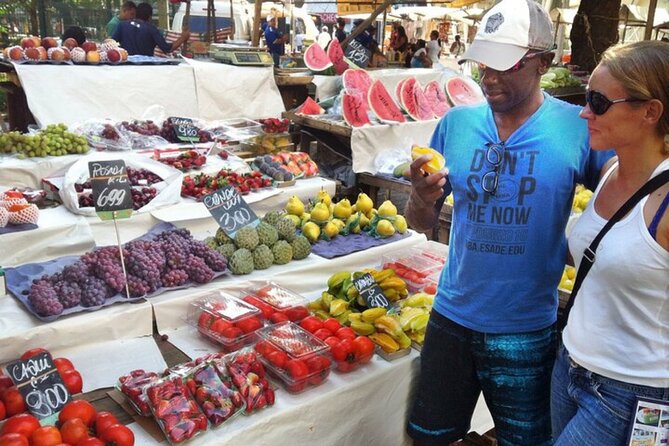
The Ipanema start is a walk with purpose. You meet up and then head to a lively farmers market where your guide selects and opens exotic fruits for you to try. The fruit list is the highlight, because you are not just tasting sweetness, you are tasting how Brazil’s growing regions and ecosystems show up on a plate.
You can expect 15 to 20 tropical fruits, with examples like:
- acerola, a tart fruit that tastes more like bright juice than dessert
- cashew apple, creamy and aromatic
- cupuaçu, a richer, Amazon-linked fruit that feels more like a pudding in flavor
What you actually learn matters. Your guide shares stories, recipes, and cultural context behind the fruit. That turns each bite into a mini lesson, so when you later see these flavors in drinks, sweets, or sauces, you understand what you are tasting.
Practical note: this is a walking and tasting session. Wear comfortable shoes. Plan to slow down and pay attention, because the fruits move fast, and you will want to catch the guide’s notes while your palate is still awake.
Day 1 cooking studio in Ipanema: picanha, moqueca, and caipirinha
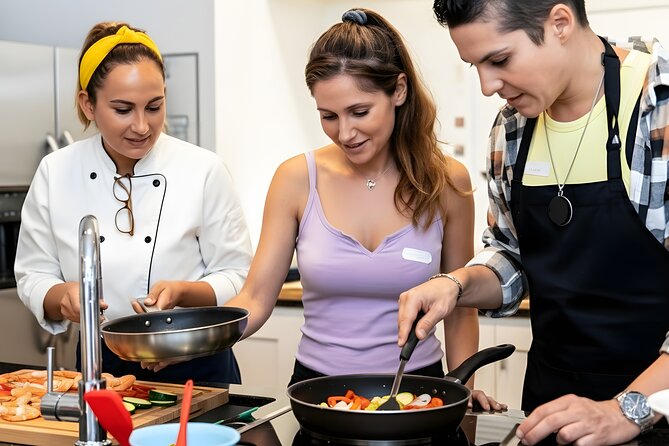
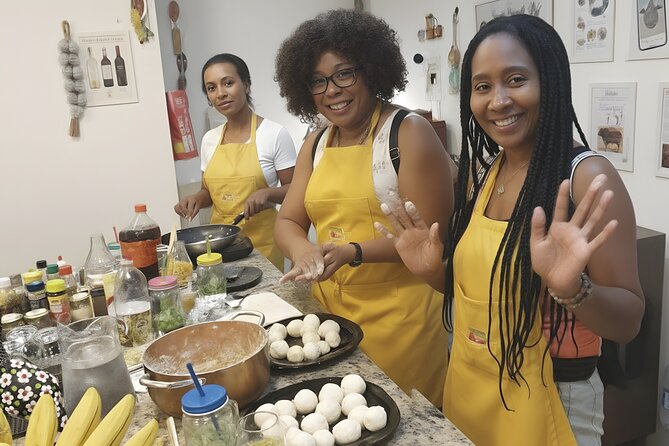
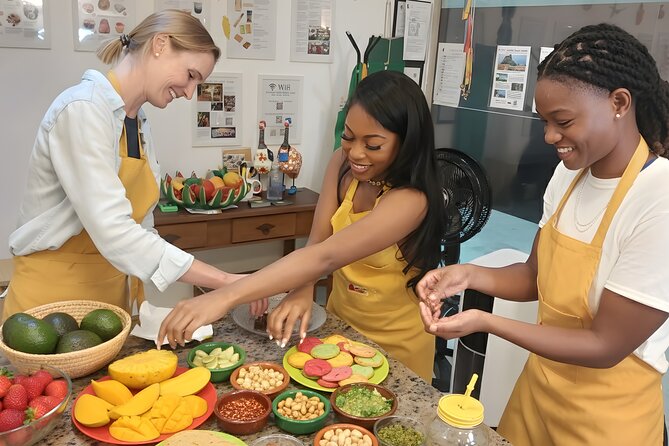
Later, you shift from tasting to doing. You head to an Ipanema-area studio for a hands-on cooking class with a chef-instructor and a small group of fellow travelers. No experience needed is the point here. You do not need to be a kitchen person. The class is set up so beginners can learn, and experienced cooks still pick up techniques and flavor logic.
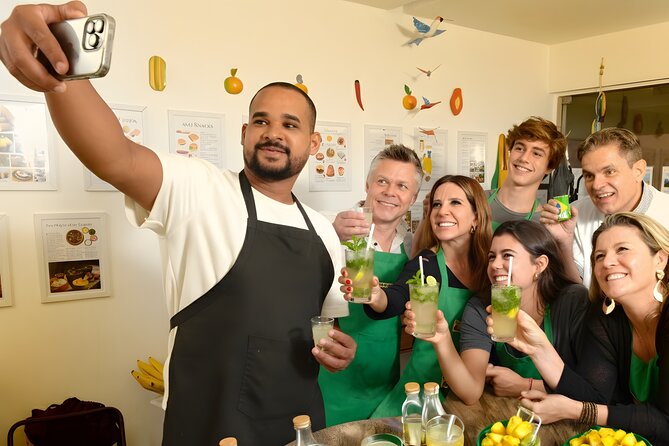
The menu focus is classic Brazilian home cooking. You may prepare dishes like picanha steak and Bahian seafood moqueca, plus appetizers and Brazil’s lime caipirinha. The exact flow can vary by instructor and group requests, but the style stays consistent: hands-on prep, guided instruction, then you eat together what you make.
From past classes, instructors that come up often include Chef Alex, Chef Hayza, and hosts like Erica. Guests have described Chef Alex as interactive and easy to understand, with lots of group participation. Others have mentioned Chef Hayza doing a market-plus-studio flow, including time at a supermarket for local fruit and produce before returning to the studio.
Even if you do not match the menu every time, you can still use the pattern as a travel skill. Notice how Brazilian meals balance salt, fat, citrus, and spice, and how citrus like lime shows up in drinks and seasoning. After you cook it, it sticks.
Day 2: Cook in Rio traditional kitchen tastings with 33 bites
Day 2 shifts gears into a guided “taste-your-way-through” day. You stay with a traditional Brazilian kitchen format, but instead of cooking first, you start eating through a set of snacks, meats, and street favorites.
This is where the tour’s pacing philosophy shows up. You are meant to enjoy without feeling rushed or too full. That sounds like a small detail, but it changes everything. If you have ever been on a food tour where the guide speed-walks you from one heavy bite to the next, you know how fast joy disappears.
The big number here is 33 authentic Brazilian delights. The guide shares the origins, ingredients, and cultural traditions behind every dish. So you are not just collecting flavors, you are learning why each one exists, and what it usually pairs with.
One smart way to approach Day 2: pick a “theme” for yourself. For example, focus on grilled meats and how they are seasoned, then compare that to any bites featuring farofa, rice, or bread-like sides. In past cooking experiences, guests have mentioned ingredients like farofa and seasoned rice as part of the broader Brazilian flavor toolkit, and it helps to recognize those building blocks as you go.
If you get hungry between bites, that is normal. This day is meant to keep you fed, but in a way that still lets you taste.
Day 3 from Big Nectar to Largo da Carioca: tropical juices, pizza, Arab bites, and fried sardines
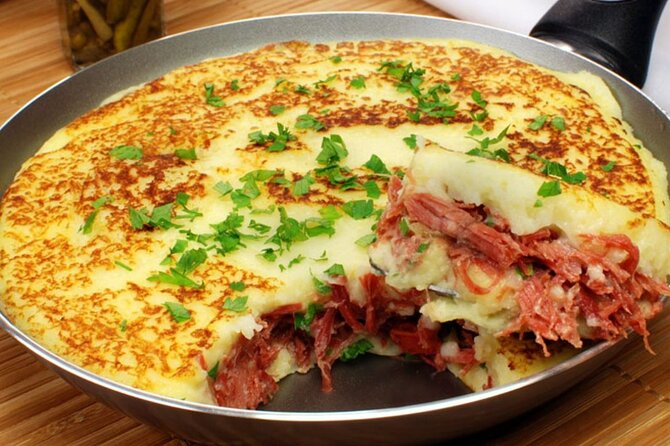
Day 3 is your long tasting walk through several neighborhoods and food styles. Your meeting point is Big Nectar in Ipanema, starting at 10:00 am, and the tour ends back at the meeting point.
You move through five stops, each about an hour. Each one keeps the tour from turning into a single-note parade.
Stop 1: Big Nectar
You start with tropical fruit juices and fried snacks. It is a good warm-up, especially after the more “structured” learning days. The juices also act like palate prep, helping you enjoy the later savory bites more.
Stop 2: Praca General Osorio
Here you get a small, puffy Margerita pizza fresh off the oven. This is the comfort-food reset in the best way. It is a short sit-down feel, even if it is still part of the walking tour rhythm.
Stop 3: Casa Mohamed
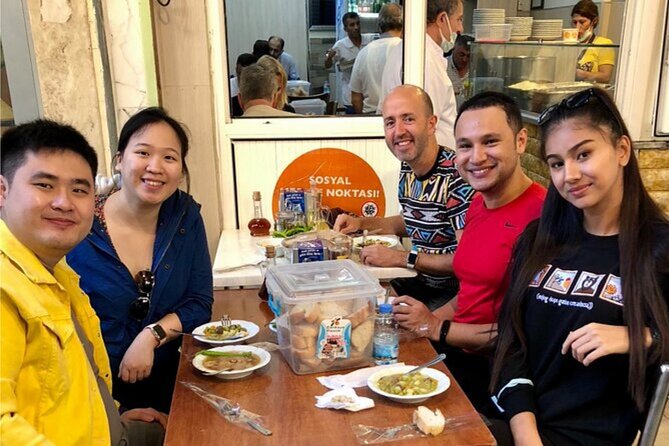
Now you shift into Arabic classics: esfiha (sfiha), kibe, za’atar pita. You also enjoy a draft beer. This stop is valuable because it shows Rio’s food reality, not just one lane of Brazilian cuisine. You get to compare spice profiles and dough textures, then carry that awareness into the next stop.
Stop 4: Beco das Sardinhas
This is fried sardines, paired with the atmosphere of a carioca happy hour. You are watching everyday neighborhood life while you eat. It is less about learning a single fact and more about tasting and observing how locals do a night out.
Stop 5: Largo da Carioca
You finish with hand-made sausage hot-dogs. You also get the street-level rhythm of people heading home from work. It is a fitting closer, because it feels like the city’s snack culture at full volume.
A tip for the whole day: keep water in mind. Drinks like juices and beer are part of the plan, but your body still needs hydration if you are walking for hours. And yes, you should come hungry. The tour is built for it.
If this one is full, Rio has these as well:
- Rio de Janeiro: 6-Stop Highlights of Rio with Lunch★ 4.4 · 5,157 reviews
- Christ the Redeemer Entry Ticket by Corcovado Train★ 4.4 · 4,476 reviews
- Rio’s City Tour – Tickets for Christ, Sugar Loaf & Lunch included★ 5.0 · 4,389 reviews
- Full Day: Christ Redeemer, Sugarloaf, City Tour & Barbecue Lunch★ 4.5 · 3,142 reviews
- Rio de Janeiro: Rocinha Favela Walking Tour with Local Guide★ 4.8 · 3,052 reviews
What the small group size really changes
With a maximum of 12 travelers, this tour avoids the “factory line” problem. In food experiences, group size matters because it affects timing, how often the guide checks in, and how easy it is to ask a question while your food is right in front of you.
In past cooking classes, guests described being actively involved in prep tasks, even in groups around 10 people. That is the kind of structure you want if you want more than just tasting. You learn by doing, and that is exactly how your confidence grows.
Also, the tour feels more conversational. Instead of a lecture, you get quick explanations tied to what you just tasted or cooked. That makes the information usable later when you order in a restaurant or shop for ingredients.
Price and value for a 3-day Rio food-and-cooking combo at $195
At $195 per person for three days, the value comes from the mix of activities. You are paying for:
- multiple guided tasting sessions
- a hands-on cooking class format
- enough stops across three days to sample both “known” Rio favorites and less common ingredients
What makes it feel fair is the coverage. Day 1 gives you fruit knowledge plus a cooking night. Day 2 expands to a large set of tastings, 33 bites. Day 3 adds a full walking day with five distinct food stops that cover fruit, pizza, Middle Eastern bites, fried seafood, and hot-dog culture.
Another value factor is that admissions are listed as free for the stops. In practical terms, you are not spending extra money on entry tickets like you would at some guided attractions. Your spend stays focused on food and instruction.
Still, it is not a bargain if you are a picky eater or someone who hates walking with snacks. This is a “show up with an appetite” experience, and it works best when you are open to trying unfamiliar fruit and street-style bites.
Practical tips to get the best from every stop
Here’s how I’d make this tour go smoothly in real life:
- Go in on Day 1 with a clean appetite. Fruit can be quick and varied, so starting hungry helps you enjoy the full range without getting overwhelmed early.
- Bring comfortable shoes. Day 3 includes multiple walking stops, and even if each stop is about an hour, you are on your feet.
- Pace yourself on the day with the most food. Day 2 is the heavy sampler day with 33 delights. Take small bites, slow down for the guide’s notes, then come up for air between tastings.
- Keep a food memory tool in your head. After the fruit market, you will start noticing flavors elsewhere in Rio. When you can name a fruit or recognize a spice, your entire trip gets easier.
- If you have specific food requests, mention them ahead of time. In cooking experiences with Chef Alex, guests noted the chef could plan the menu per requests and accommodate needs.
Finally, if you are the kind of person who likes to talk while eating, you will have a good time here. The whole format depends on interaction, and the instructors described by previous guests sound comfortable teaching in a human way, not a robotic way.
Who should book this Rio food tour, and who might not
This is a strong fit if you:
- want a Rio de Janeiro food tour that includes real cooking, not just eating
- like local markets and ingredient education, especially tropical fruits
- enjoy street-food style tastings paired with short explanations
- travel with curiosity and want to compare cuisines in one city day, like Brazilian classics plus Arab pastries
You might think twice if you:
- get sick easily from lots of different foods in a short time
- hate walking and prefer private, seated meals only
- expect a single cuisine focus for the entire trip
If you want one culture-heavy Rio experience that teaches you how food works, this hits that need.
Should you book Cook and Taste Authentic Flavors?
If you love food learning with your mouth, I’d book it. The combination of fruit tasting, a hands-on cooking studio evening, and a full Day 3 of neighborhood snack stops is the kind of structure that actually builds skills, not just memories.
The only real warning sign is volume. This is a “come hungry” style tour across three days. If you pace yourself and wear comfy shoes, you will get a lot more than a meal. You will leave with a better sense of what to order, what to look for, and how Rio’s flavors connect.
FAQ
How much does the 3 day Rio food tour cost?
It costs $195.00 per person.
Where does the tour start, and what time does it begin?
The tour starts at Big Nectar, R. Teixeira de Melo, 34 – Sobreloja – Ipanema, Rio de Janeiro – RJ, 22410-010, Brazil. The start time is 10:00 am.
How many travelers are in the group?
The tour has a maximum of 12 travelers.
What happens on Day 1?
Day 1 includes an Ipanema fruit tasting at a farmers market and an evening cooking class in an Ipanema studio, where you prepare Brazilian dishes and eat together.
What food stops are on Day 3?
Day 3 includes Big Nectar for tropical fruit juices and fried snacks; Praca General Osorio for Margerita pizza; Casa Mohamed for esfiha, kibe, za’atar pita, and draft beer; Beco das Sardinhas for fried sardines; and Largo da Carioca for sausage hot-dogs.
Does the tour require specific weather?
Yes, it requires good weather. If poor weather causes cancellation, you are offered a different date or a full refund.
What is the cancellation policy?
You can cancel for a full refund up to 24 hours in advance of the experience start time. If you cancel less than 24 hours before the start time, the amount paid is not refunded.
Recently added around Rio






Food, compared.

Eat, drink, and discover Rio like a local — with a local.
Read our review →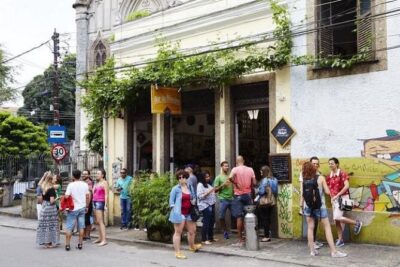
Rio Gastronomy: Culture & History Through The Art Of Food – Walking Group Tour
Read our review →
Food Tour Rio de Janeiro – The Best Typical Brazilian Dishes
Read our review →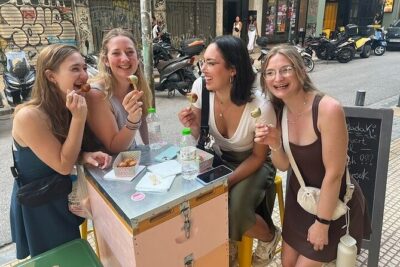
Half-Day Rio Food Crawl with 15+ Traditional Brazilian Tastings
Read our review →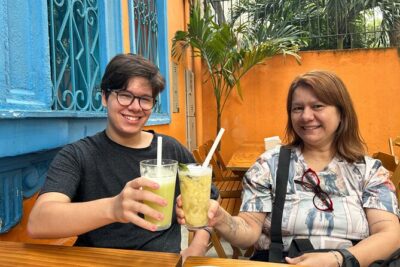
Copacabana Food Tour with 7 Tastings and Local Flavors
Read our review →
Rio Carnival Parade from a Prime Box – With Shuttle, Tour Guide, Food & Drink
Read our review →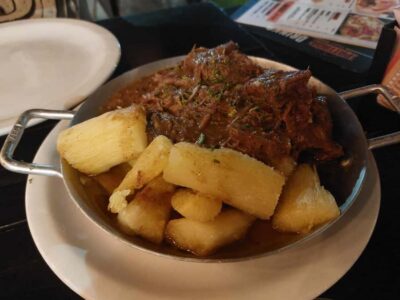

The Best Food Tour: Taste the Most Authentic Flavours of Rio
Read our review →More of this kind of Rio day