
Reviewed · SURF EXPERIENCES
Rio Surf Experience
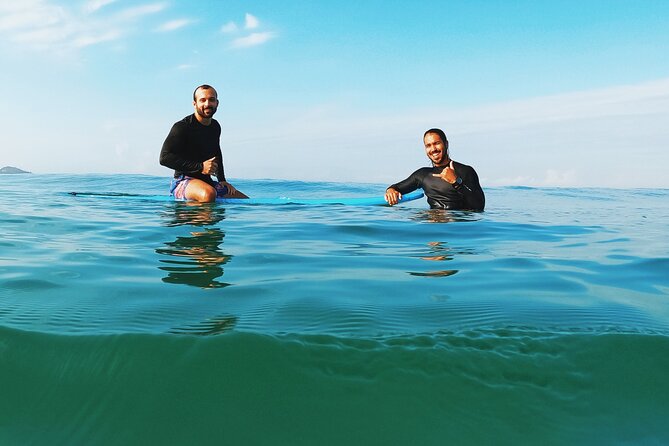
Surfing in Rio sounds simple, until you realize timing and conditions make or break the session. This one is built around getting you on the right waves for your level, plus a scenic add-on after you’re done. You get coaching, not just a board and a prayer.
What I like most is the way the experience is structured: you practice pop-up and sea-safety on the sand first, then you head out to catch waves at a beach chosen for what your body can handle today. A small group also helps, because the instructor can actually correct your technique.
One consideration: wave conditions are not guaranteed, and the guide may drive (or not) depending on what’s happening near the meeting point. Also, the ocean can feel chilly, especially when the waves break close to shore. If you hate cold water, bring your toughest attitude.
In This Review
- Key things to know before you go
- Getting Taken to the Right Waves (Not Just the Nearest Beach)
- The 1.5-Hour Surf Session: Sand Warm-Up, Then Waves
- Small Group Energy, Real Technique Corrections
- Gear and Comfort: What to Bring and What You Get
- Beyond Surf: Exploring Rio’s West Side Coast and a Quiet View Stop
- Price and Value: Is $100 for 4 Hours Worth It?
- Who This Surfs Well With, and Who Should Skip It
- Should You Book the Rio Surf Experience?
- FAQ
- Where is the meeting point for Rio Surf Experience?
- How long does the surfing part last?
- How long is the entire experience?
- What’s included in the price?
- What languages does the instructor speak?
- Is it good for complete beginners?
- Do you provide surf photos or videos?
- Is it suitable for non-swimmers?
- If conditions are good near the meeting point, do you still drive?
- What should I bring with me?
Key things to know before you go
- Surf for 1 hour 30 minutes, with extra time above the standard
- Best spot for your level, whether you are a first-timer or more advanced
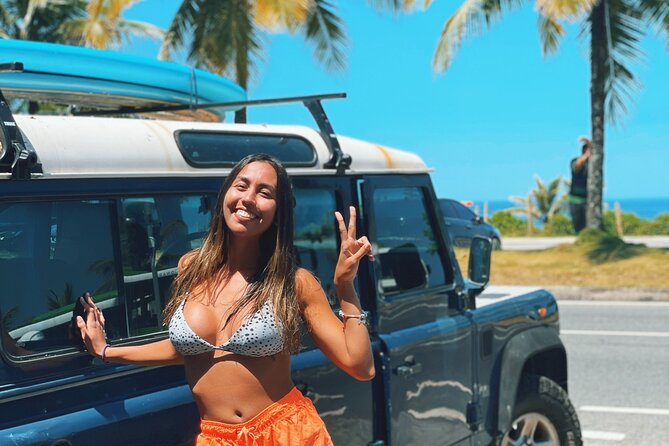
- Small group limit of 6, with a trilingual instructor (Portuguese, Spanish, English)
- Sand practice first, including safety and pop-up movement
- Gear included: surfboard plus wetsuit or rash guard
- Finish with a low-key beauty viewpoint on Rio’s west side
More boards out on the Rio breaks:
- Rio Surf Experience!
★ 5.0 · 85 reviews - Surf lessons: in Arpoador in Ipanema.
★ 4.7 · 35 reviews - Surf lessons with local instructors in Copacabana/ipanema!
★ 3.6 · 31 reviews - Surf Lessons at Arpoador in Ipanema
★ 5.0 · 22 reviews
Getting Taken to the Right Waves (Not Just the Nearest Beach)
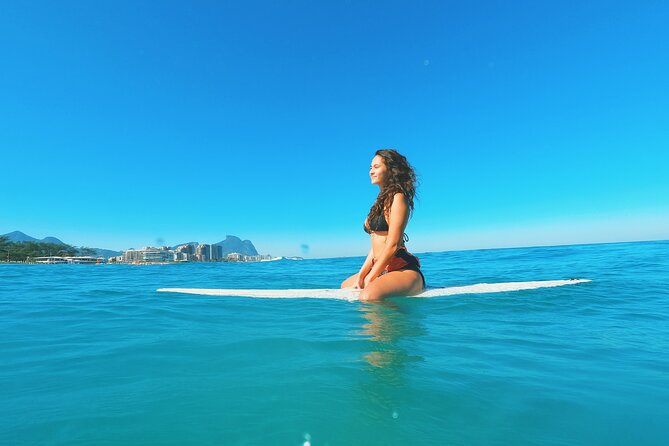
This experience starts around Barra da Tijuca, at the BR gas station meeting point. There’s a café and an açaí spot right there, so you can grab something quick before you go. From that point, the plan is simple: you explore Rio’s coastline to find the beach with conditions that match the day and your level.
Here’s the practical part that makes this tour feel smarter than a generic surf outing. The session is designed to surf at the beach with the best conditions of the day for your level. That matters because surfing is not only about “knowing what to do,” it is also about matching the waves to your balance, timing, and confidence. A great beginner wave beats a perfect advanced wave for a first attempt every single time.
They also explain how it works if conditions are already good near the meeting place: if it’s decent right there, they will not drive. If it’s not, you drive to search. That means your total time is listed as about 4 hours, but it can stretch or shrink depending on travel time to the waves.
For value, I like that you are paying for transportation plus decision-making. It is the difference between showing up hoping for the best and actually being guided to something rideable.
The 1.5-Hour Surf Session: Sand Warm-Up, Then Waves
You spend 1 hour and 30 minutes actually surfing, and the tour notes that this is 30 minutes above the standard. That extra time is where your progress happens.
Before anyone runs into the water, you get safety measures and instructions for being in the sea. Then the coaching turns into action on land. You warm up and practice your pop up movement on the sand, starting with the basics. The goal is to make the movement feel automatic before you add the chaos of wind, foam, and timing.
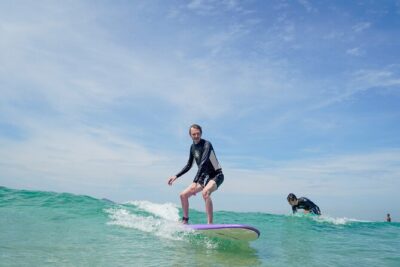
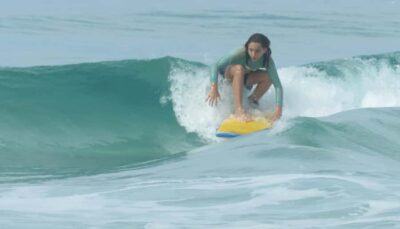
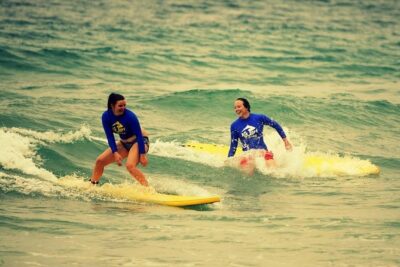
Then you move into the water to catch waves. The “catch waves” part matters. Surf lessons can sometimes get stuck in theory, or you end up spending a lot of time just standing around. The structure here is built to give you real attempts so you can connect the sand practice to what happens on the board.
Whether you are brand new or already riding, the session aims at matching the conditions to your level. The instructors are also trilingual, so you can ask questions in Portuguese, Spanish, or English and get clear feedback.
In multiple sessions, the teaching style that shows up in the feedback is patience paired with very direct technique notes. Names that come up include Gabriel and Emiliano (also spelled as Emilio in one account), and that coaching tone seems consistent: calm guidance, encouragement, and specific fixes.
Small Group Energy, Real Technique Corrections

The group size is kept small, with a maximum of 6 participants. For surf lessons, small group is not just a comfort detail. It changes everything.
With fewer people, the instructor can watch what you are doing, then correct what matters. That shows up in feedback tied to technique improvements, like improving the pop-up movement until you can actually catch waves reliably. It also shows up in how many different coaching moments you get. In one account, the instructor adjusted attention so each person still got time on what to improve, even when the group was more than a couple people.
Also, this isn’t just about corrections. It is about momentum. You are not waiting for someone else to finish your turn. The lesson is paced so you warm up, practice, then go back in quickly and keep trying.
One more detail I appreciate: the instructor team is described as having a long track record, with over 15 years of experience. That kind of experience tends to show up in how quickly they can read conditions and decide what to emphasize, whether that’s stability for beginners or positioning for more advanced surfers.
If you are traveling solo, this format can feel especially nice because you still get shared energy without the chaos of a huge group.
Gear and Comfort: What to Bring and What You Get
You do not need to pack a surf kit. The experience includes the basics: a surfboard and either a wetsuit or a rash guard. That helps a lot because buying gear in Rio can be annoying, and renting without guidance can lead to the wrong fit.
Still, bring your own essentials. The tour lists what to pack:
- Sunscreen
- Towel
- Water
- Change of clothes
A wet towel and cold air are a fast way to end a good mood, so I treat towel plus dry clothes as non-negotiable. And sunscreen is not optional in Rio, even on a “cloudy surf morning.”
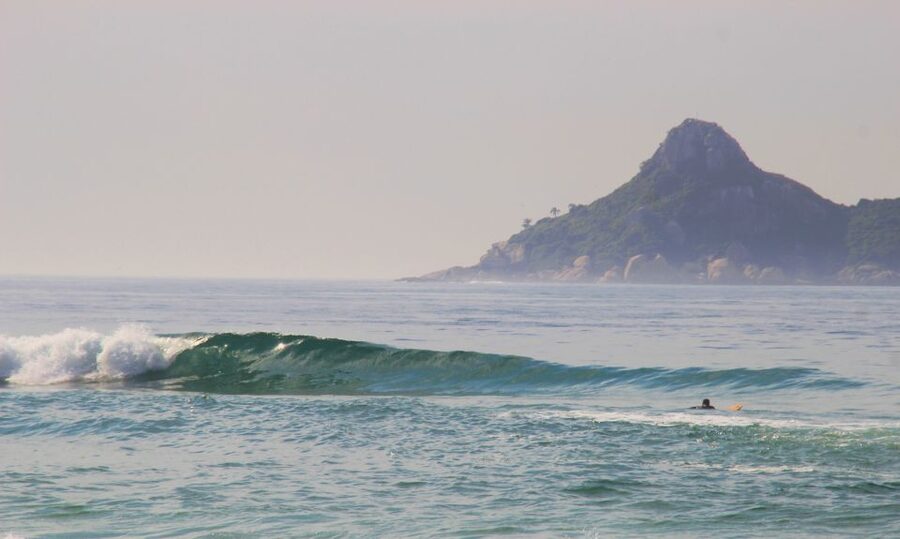
One practical reality: the ocean can be cold on some days, and the waves may break close to shore depending on conditions. If you get uncomfortable easily in chilly water, consider that your wetsuit/rash guard may not make it feel like a warm bathtub.
And if you are a beginner, they specifically recommend sending a message before booking, because not every day’s conditions work for beginner-friendly surfing. That is a fair heads-up, not a dealbreaker.
Beyond Surf: Exploring Rio’s West Side Coast and a Quiet View Stop
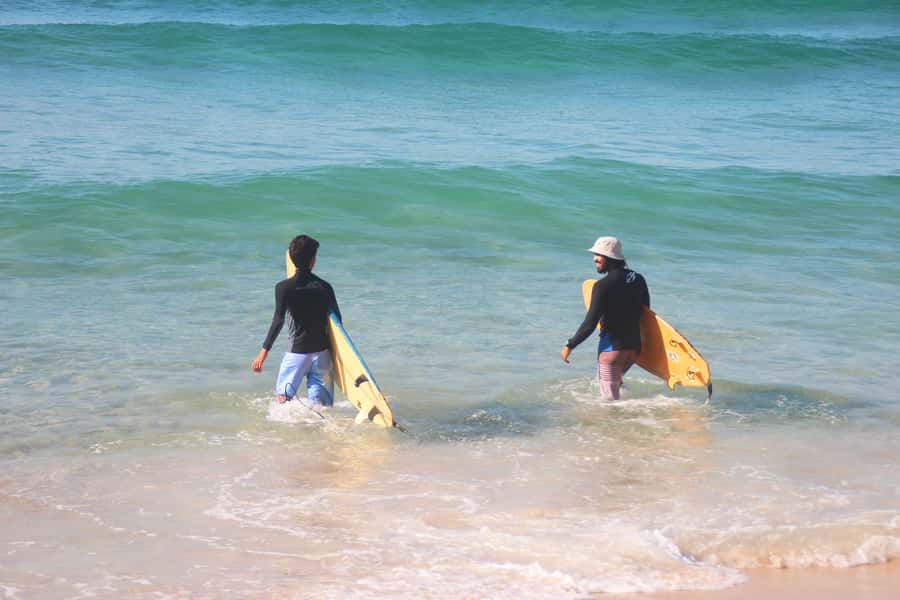
The surf part is the headline, but the full experience is designed as more than just getting wet.
Before and between activities, you explore Rio’s coastline in search of the best waves. The tour description highlights the west side beaches, the kind that can be beautiful but not overly touristy. Translation: you get a more local-feeling coastline rather than sticking to the most over-crowded spots.
After the surf session, you visit a place of unique beauty for a viewpoint. This is the part where you slow down, dry off, and take in Rio from a calmer angle. It is also a smart pacing choice. Surfing works your legs and core hard, and then you get a chance to reset your breathing and enjoy the scenery rather than jumping straight into another intense activity.
If you want pictures, you may be offered the option of a surf photos package for an extra cost. Professional camera photos and GoPro photos are listed as not included. So if you care about photo memories, ask ahead about what’s available that day and how the photo package works.
If this one is full, Rio has these as well:
- Rio de Janeiro: 6-Stop Highlights of Rio with Lunch★ 4.4 · 5,157 reviews
- Christ the Redeemer Entry Ticket by Corcovado Train★ 4.4 · 4,476 reviews
- Rio’s City Tour – Tickets for Christ, Sugar Loaf & Lunch included★ 5.0 · 4,389 reviews
- Full Day: Christ Redeemer, Sugarloaf, City Tour & Barbecue Lunch★ 4.5 · 3,142 reviews
- Rio de Janeiro: Rocinha Favela Walking Tour with Local Guide★ 4.8 · 3,052 reviews
Price and Value: Is $100 for 4 Hours Worth It?
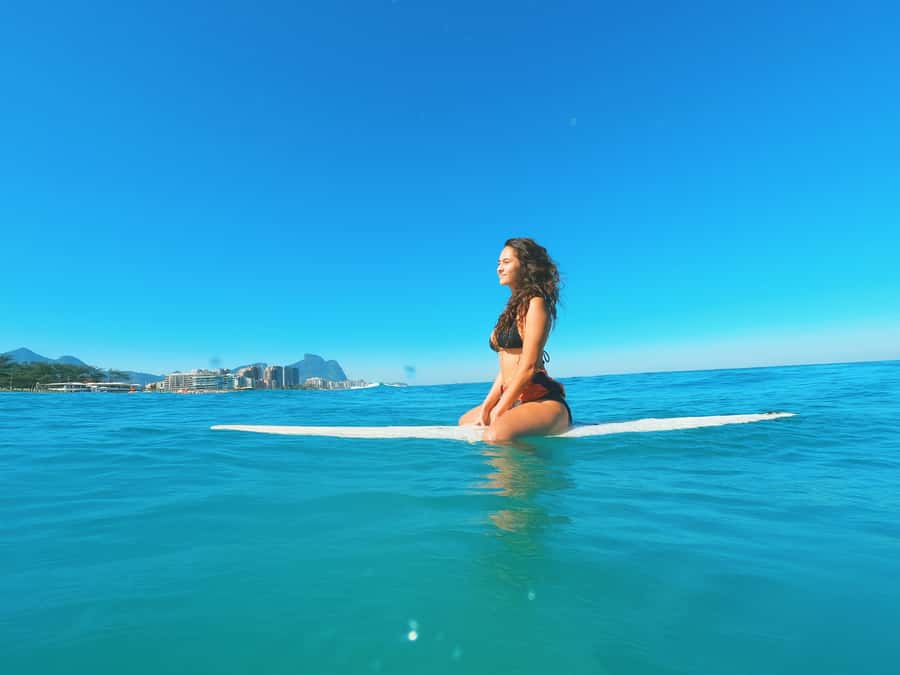
At about $100 per person for a total 4-hour experience, the key question is what you get for that money.
Here is the value math that makes this feel reasonable:
- 1 hour 30 minutes surfing, with extra time compared to a standard lesson
- All core equipment included (surfboard plus wetsuit or rash guard)
- Transportation to the best conditions (or a decision not to drive if it’s already good)
- Safety instruction and technique coaching, not only time in the water
- A scenic stop after surfing
For surfing, coaching quality is where the money can make or break your day. A bargain lesson that leaves you paddling without feedback often turns into a frustrating session. A slightly higher-priced lesson can pay off if you leave the water actually catching waves and understanding what to fix next.
Also, the small group size matters. More personal attention usually means you get more successful rides, not just more time on the board.
So is it worth it? If your goal is real skill improvement and a good day on the water, I’d say yes. If your goal is purely to hang out and treat it like a casual beach day, you might find a cheaper alternative, but you will likely lose the coaching piece that makes this one work.
Who This Surfs Well With, and Who Should Skip It
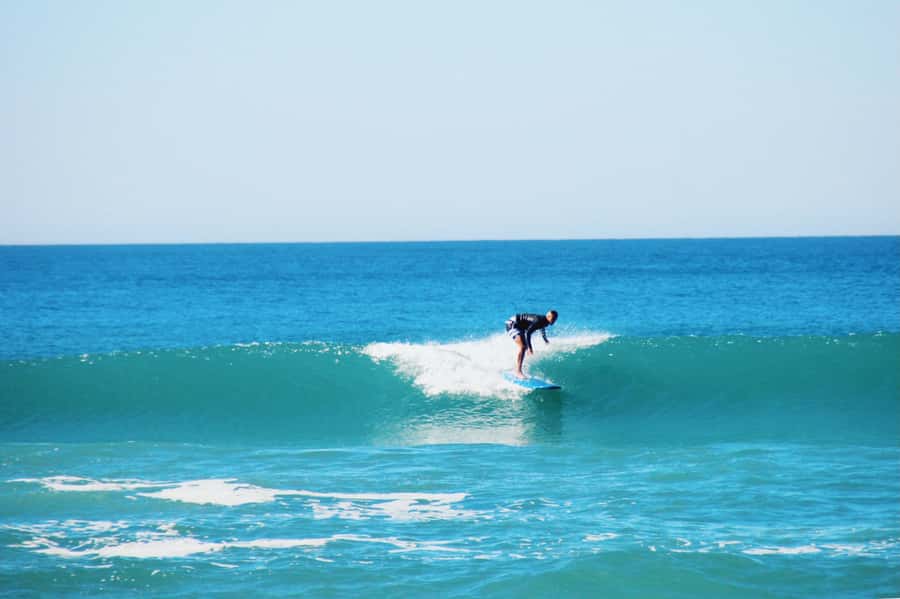
This experience is designed for a range of ability levels. The key promise is that you surf at the beach with the best conditions for your level, whether you are a complete beginner or advanced.
So it is a great match if:
- you want your first surf session to feel structured, not random
- you already surf and want technique input in a short, focused session
- you want Rio’s coastline with a bit of local flavor on the west side
It is not suitable if you are a non-swimmer. That is not negotiable. Surf environments can get unpredictable, even when conditions look friendly.
If you are traveling with friends, the small group format can also make the experience feel social in a good way, especially when the instructor keeps everyone moving and gives individual feedback.
Should You Book the Rio Surf Experience?
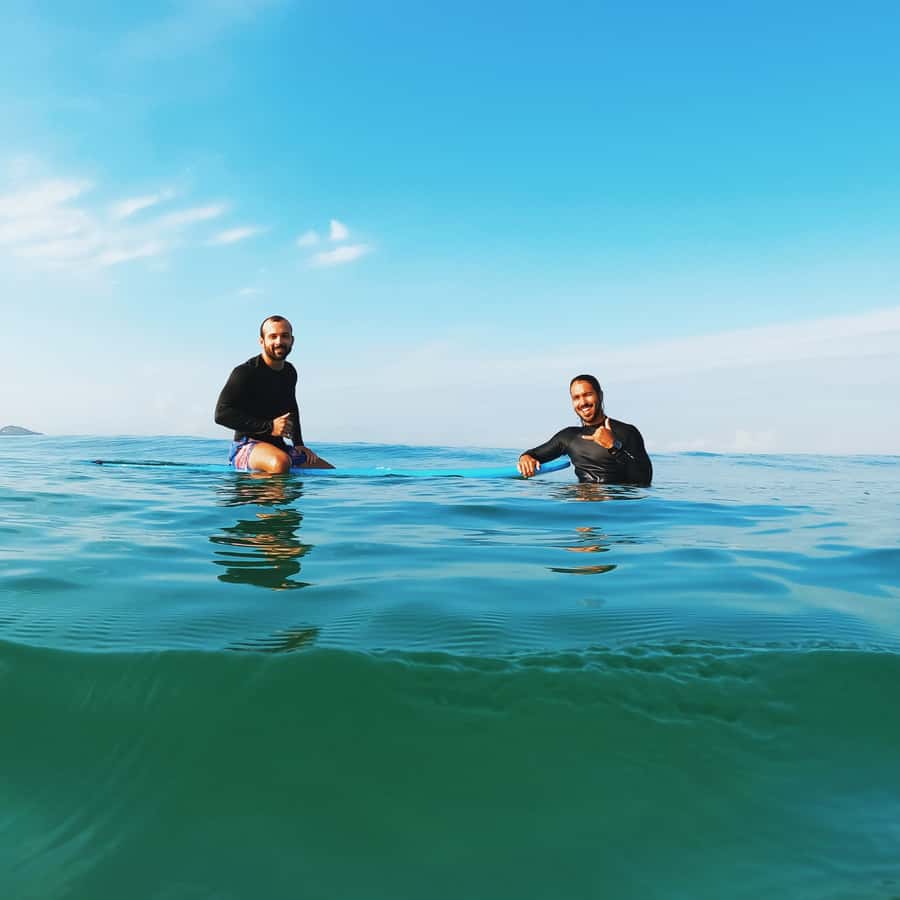
I’d book it if you want the smartest version of a half-day surf plan: correct coaching, a beach chosen for the conditions, and a relaxed viewpoint stop after you surf.
Skip it or message first if you are a beginner who is worried about cold water or if you are relying on a specific day’s wave conditions. The tour itself admits that not every day’s conditions are suitable for beginners, so a quick pre-book message can save you stress.
My final take: for $100, you are buying more than surf time. You are buying better surf time. The combination of sand warm-up, technique coaching, and getting driven to the right conditions is the part that turns an ordinary beach outing into a day with real progress.
FAQ
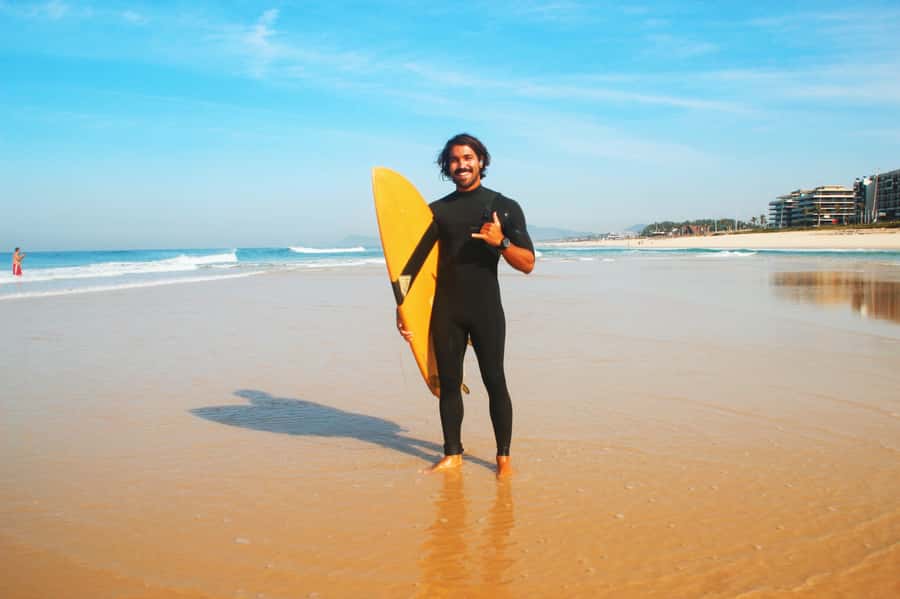
Where is the meeting point for Rio Surf Experience?
You meet at the BR gas station. There is a café and an açaí store at the meeting place.
How long does the surfing part last?
The surf session lasts 1 hour and 30 minutes.
How long is the entire experience?
The total duration is about 4 hours on average, depending on how far you need to drive to find the waves.
What’s included in the price?
Included are the surfboard, wetsuit or rash guard, transportation to the beach with the best conditions, a local trilingual instructor with over 15 years of experience, a 1 hour 30 minutes surf session, and a visit to a place of unique beauty after surfing.
What languages does the instructor speak?
The instructor is available in Portuguese, Spanish, and English.
Is it good for complete beginners?
It is designed for complete beginners and advanced surfers, with the beach chosen based on conditions for your level. The provider recommends sending a message before booking, since not every day’s waves are suitable for beginners.
Do you provide surf photos or videos?
Professional photos and videos with a camera and GoPro photos are not included. You can add a surf photos package for an extra cost.
Is it suitable for non-swimmers?
No. It is not suitable for non-swimmers.
If conditions are good near the meeting point, do you still drive?
If conditions near the meeting place are good, then you won’t drive to search for waves.
What should I bring with me?
Bring sunscreen, a towel, water, and a change of clothes.
Recently added around Rio





Surf Experiences, compared.

Surf lessons with local instructors in Copacabana/ipanema!
Read our review →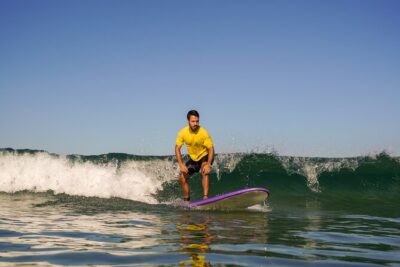
Surf Lesson at Arpoador Beach with Mandala Rio Surf School
Read our review →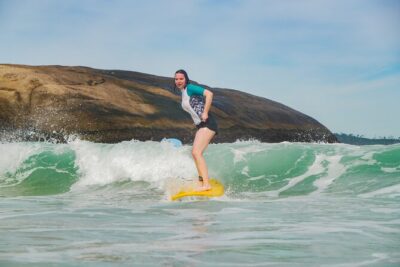
More of this kind of Rio day