
Reviewed · GUIDED FAVELA TOURS
Rio: Favela Walking Tour of Rocinha with a Resident Guide
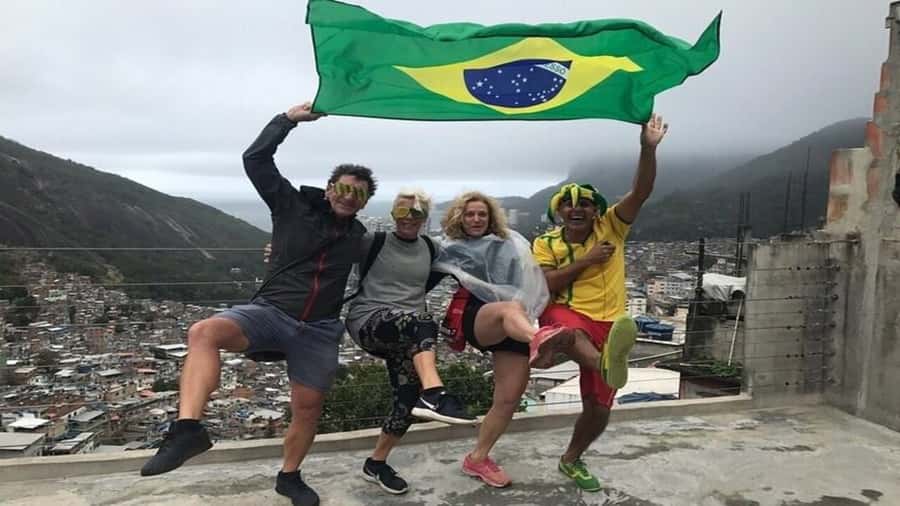
A favela walk changes your Rio map. In Rocinha, you get a resident-led route through alleys and stairs that shows daily life beyond the stereotypes. You’ll also ride a moto-taxi up toward the hilltop views, so the tour doesn’t stay abstract.
What I like most is how human-scale it feels. You’re not stuck watching from a distance, you stop at businesses, chat with locals, and see community spaces like craft and street market areas up close.
One drawback to consider: this is a walking tour with lots of stairs and tight lanes, so you’ll want comfortable shoes and a pace that works for hills.
In This Review
- Key things to know before you go
- Rocinha on foot, the kind of Rio you can’t screenshot
- Meeting at Cardeal Arcoverde, then heading into Rocinha
- The walk itself: alleys, stairs, and conversations that make sense
- Craft fair and street markets: seeing creativity where it lives
- Capoeira performers: culture you can hear on the street
- A resident’s house visit: why this part matters
- Murals and social work stops: the neighborhood shaped by effort
- The moto-taxi ride up: the thrilling contrast moment
- Food after the tour: plan for typical local bites
- Price and value: what your $106 actually buys
- Who should book this Rocinha walking tour
- Is it ethical and socially conscious in how it works?
- Should you book this Rocinha favela walking tour?
- FAQ
- How long is the Rio: Favela Walking Tour of Rocinha?
- What is the meeting point for the tour?
- What is included in the tour price?
- Is hotel pickup or drop-off included?
- Does the tour include food and drinks?
- How many people are in the group?
- What languages are offered for the guide?
- Is there a moto-taxi ride?
- What is the cancellation policy?
Key things to know before you go
- Resident hosting focus: most of the payment goes to the resident guide who hosts and supports the visit
- Small group size: limited to 8 people, so you get time to ask questions
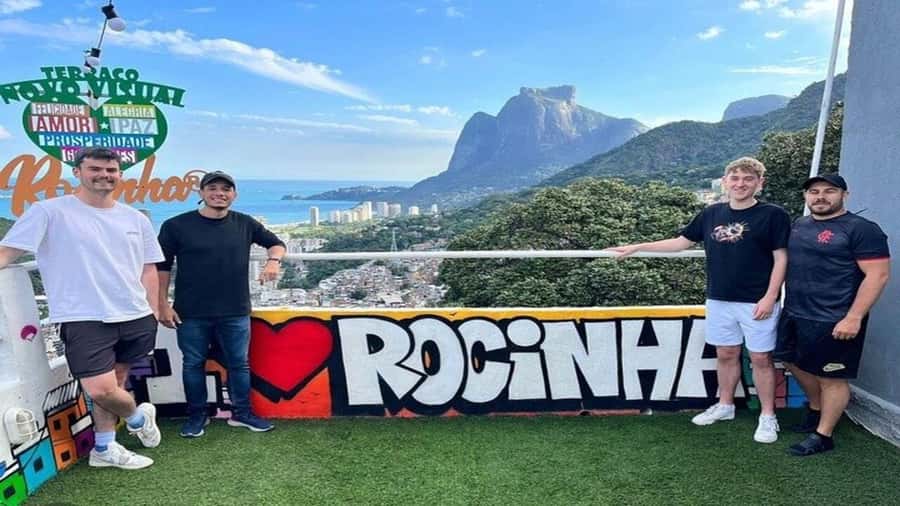
- Moto-taxi hill ride: a short, exciting ride up to the top of Rocinha for big views
- Community stops you can talk about: craft fairs, street markets, capoeira performers, a resident’s house, murals
- You’ll see social work in action: the tour includes places tied to community efforts
- 3 hours feels full: metro, walking, multiple stops, then the view, with a typical food stop on your own after
Other guided walks through the favelas:
- Rio de Janeiro: Rocinha Favela Walking Tour with Local Guide
★ 4.8 · 3,052 reviews - Rio De Janeiro: Half-Day Rocinha Favela Walking Tour
★ 4.7 · 2,272 reviews - 3 Hour Rocinha Favela Walking Tour with a Local Guide
★ 5.0 · 833 reviews - Favela Tours
★ 5.0 · 660 reviews
Rocinha on foot, the kind of Rio you can’t screenshot
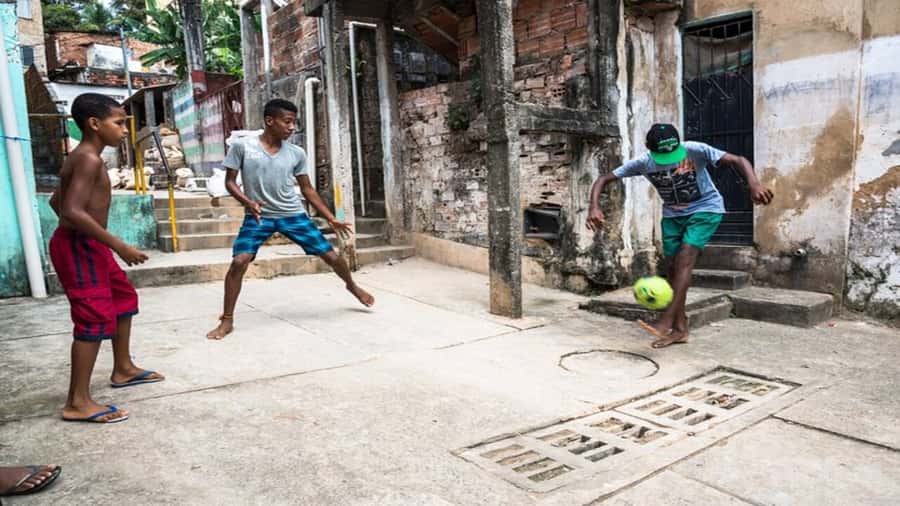
Rocinha is Rio with all the texture turned up. The streets are tight, the stairs keep coming, and daily life happens right next to your path. This tour is built for that reality, with a licensed bilingual guide (English, Spanish, Portuguese) who leads a small group through the neighborhood’s everyday rhythm.
The main idea is simple: you learn by walking and talking. You’ll see businesses, murals, and community spaces, then finish with a moto-taxi ride toward the top where the views remind you why people call Rio beautiful in the first place.
Price-wise, $106 can feel steep at first glance. But the tour includes the metro tickets plus the moto-taxi ride, and the structure is designed so the resident guide benefits directly. For me, that makes it closer to an experience purchase than a sightseeing bargain, which is exactly what you want here.
Meeting at Cardeal Arcoverde, then heading into Rocinha
Your tour meets at Subway Cardeal Arcoverde, Exit A. The key practical move: show up at least 10 minutes early, because you’ll be taking the subway to Rocinha right away.
From a planning point of view, this matters because it keeps the tour schedule realistic. There’s no hotel pickup, so you’re responsible for getting yourself to the meeting point. Once you’re there, though, the metro and the guide are handled, which cuts down on decision fatigue.
Also, because the group is capped at 8 people, the start feels manageable. You’re less likely to be stuck waiting behind a big line, and you can settle into questions quickly rather than later.
The walk itself: alleys, stairs, and conversations that make sense
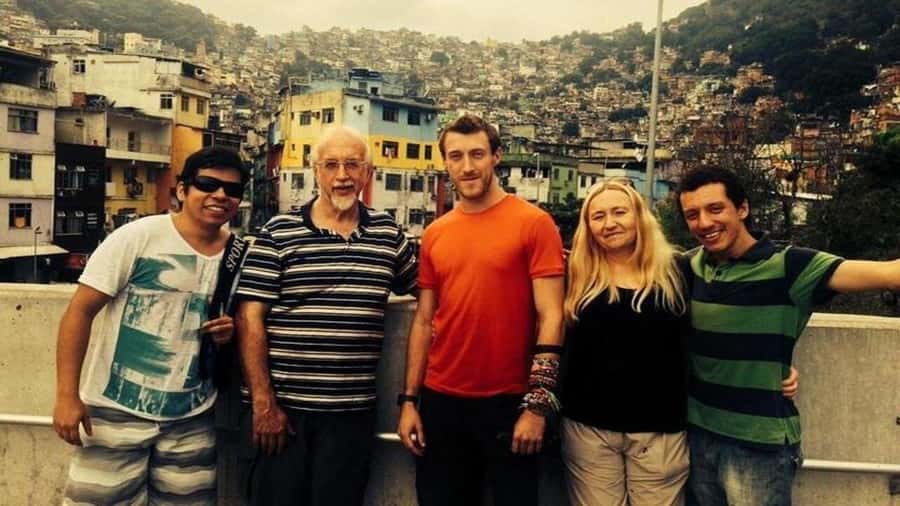
The core of the experience is the resident guide’s route through Rocinha’s labyrinthine alleys and stairs. That sounds like a description, but it’s really the tour’s lesson plan. The neighborhood isn’t laid out like a museum, so you’re shown where people actually go, stop, work, and gather.
As you move, you’ll stop by businesses and community spots, then chat with locals. That’s the part that turns a place into a place you can understand. Instead of treating Rocinha like a backdrop, you learn how residents describe daily routines and how they see their own community.
You should also be ready for the physical side. Even if you keep a relaxed pace, the route is walking plus climbing. Plan to take it slow, and bring water if you like, since drinks are not included.
Craft fair and street markets: seeing creativity where it lives
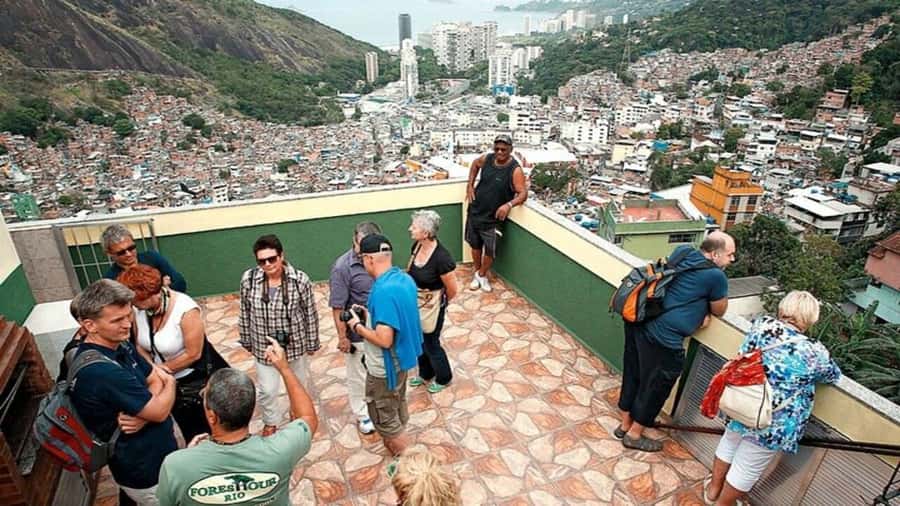
One of the most enjoyable parts is the chance to visit a craft fair and street market areas during the walk. This isn’t shopping as a sales script. It’s more like seeing how commerce and creativity mingle in the neighborhood.
What I like about this stop is that it gives you something concrete to ask about. You can point to items, ask how they’re made or sold, and understand what draws customers locally. You’re also moving with your guide’s context, which is helpful because street markets can be easy to misread if you’re only there for photos.
If you want to buy something, do it with that mindset. Treat any purchase as a direct way to support local vendors, not as a souvenir grab.
Capoeira performers: culture you can hear on the street
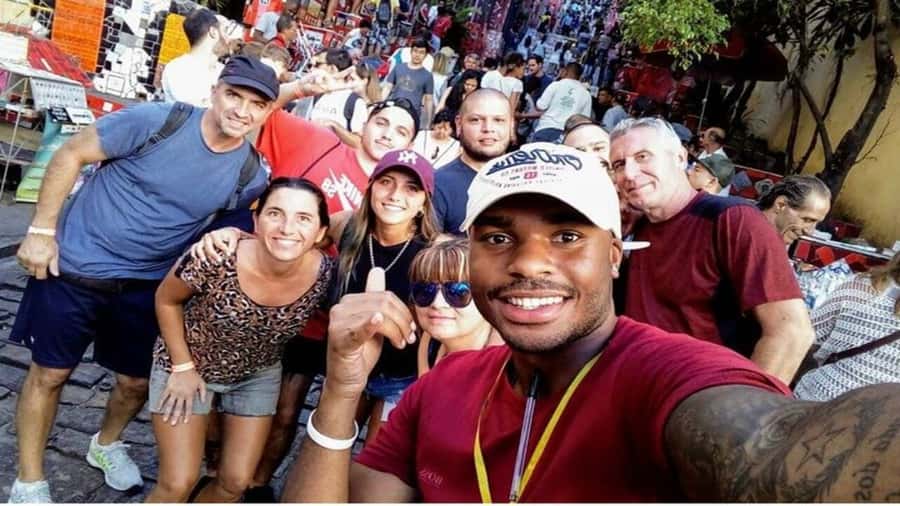
The tour includes capoeira performers. That’s a smart addition because it’s not just visual, it’s rhythmic and social. You’ll see how performance fits into everyday public space.
For you, this is often the easiest moment to connect. People tend to communicate well when the language barrier is lower and the activity is shared. Even if you don’t know much about capoeira, you can still appreciate the energy, the movement, and the way the performers interact with the space around them.
More of Rio covered on foot:
- Favela Tour Rio de Janeiro – Vidigal Walking Tour by Russo Guide★ 5.0 · 377 reviews
- Rio de Janeiro Historical Center Walking Tour★ 4.5 · 336 reviews
- Private Walking and Cultural Tour Rocinha-Rio de Janeiro★ 5.0 · 239 reviews
- Rocinha favela walking tour with a local guide★ 5.0 · 193 reviews
- Sunrise and Sunrise Walk Two Brothers with Local Guide★ 5.0 · 193 reviews
A resident’s house visit: why this part matters
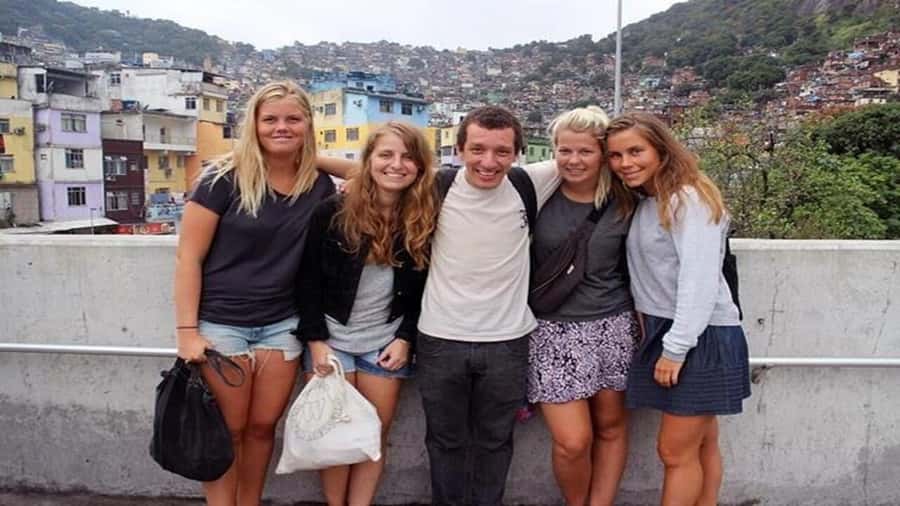
Another stop is a resident’s house. This is where the tour shifts from “seeing sights” to “understanding people.” A house visit can’t be reduced to architecture or decoration, it’s about what daily life looks like when you’re not just passing through.
Because this is hosted by a resident guide, you’re likely to get practical context about community life and how residents navigate the neighborhood. It also tends to make the rest of the walk click, because you’ve already met the setting in a more personal way.
The takeaway for planning: keep your questions respectful and simple. When you ask, aim for clarity, not performance. The point is to listen and learn.
Murals and social work stops: the neighborhood shaped by effort
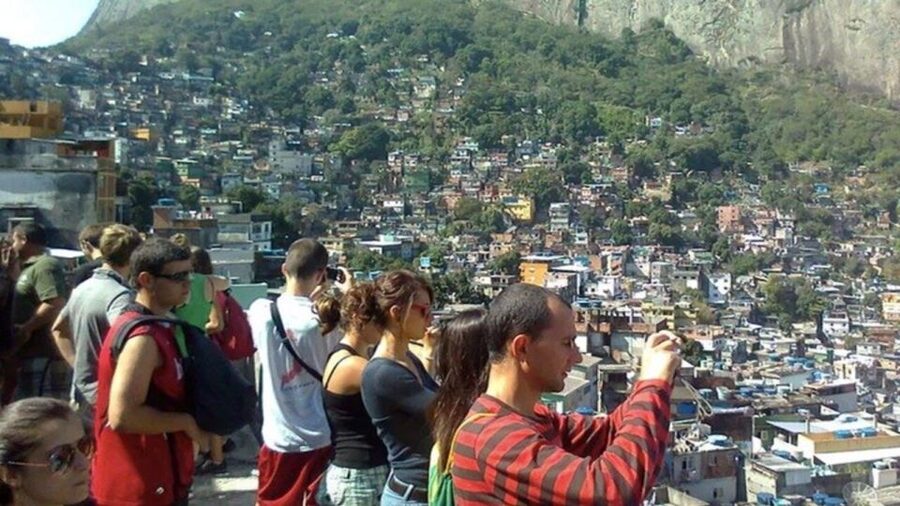
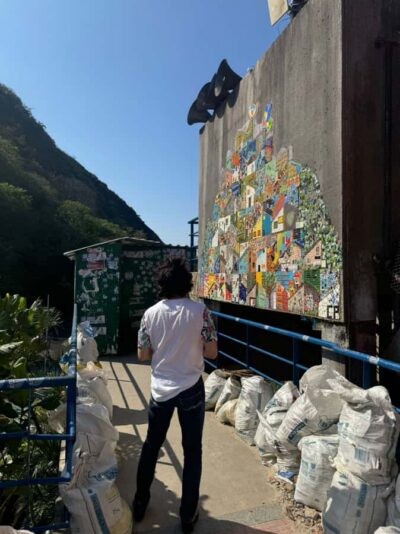
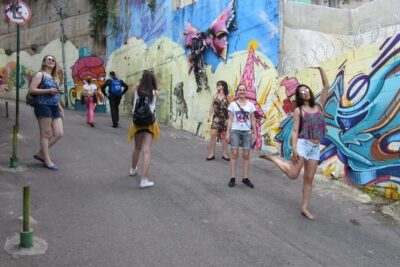
You’ll see painted murals and get acquainted with social works. Those two elements work together. Murals add meaning to the physical space, and social work shows how that meaning translates into action.
I appreciate this part because it avoids the usual tourist shortcut of treating street art as decoration only. Here, murals are connected to stories, identity, and community themes. And social work stops give you a sense of the structures residents rely on, from community initiatives to ongoing support.
If you’re hoping for a single “wow” view, this might not be it. But if you want to understand Rocinha as a living community, these stops deliver.
The moto-taxi ride up: the thrilling contrast moment
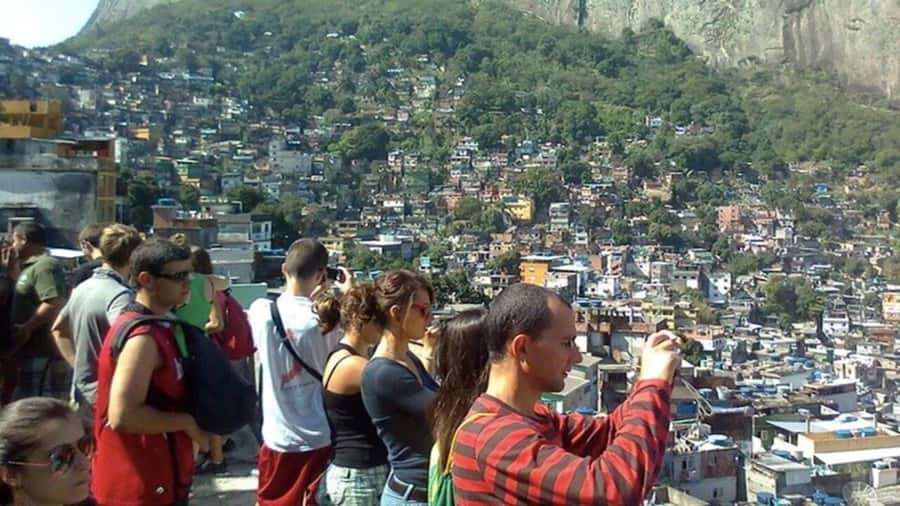
The highlight you’ll probably remember is the motorcycle taxi ride to the top of Rocinha hill. The tour doesn’t just say you’ll get views, it builds you up for them by taking you through the neighborhood first, then switching to a ride that reveals the scale from above.
In practice, this is often the part that feels like a cinematic cut, because you go from walking streets to rising above them quickly. It’s also the moment when you can recognize distant landmarks and coastline, including Christ statue and Rio beaches from the viewpoint.
One more practical note: this is an activity that’s exciting, so mentally plan to hold on and sit comfortably. You’re not told to bring special gear, so just focus on staying steady, and follow your guide’s instructions.
Food after the tour: plan for typical local bites
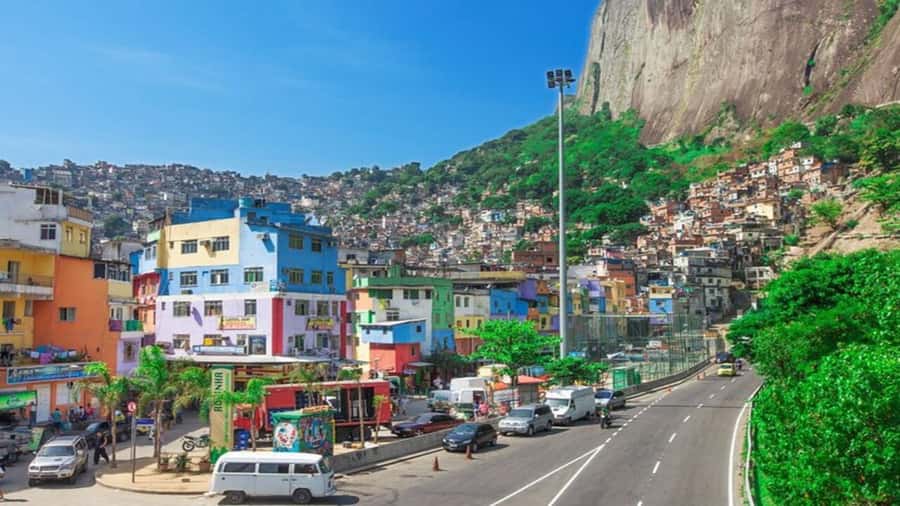
Food and drinks are not included, but after the tour, you might want to taste excellent typical local food. That makes sense because you’ll end the 3-hour experience with real appetite, and you’ll be in the neighborhood where food is part of daily life.
I’d treat food as your flexible add-on. If you find a spot your guide recommends during the walk, that can be a good choice. If not, you can simply look for an area with clear menus and quick service, then eat at an easy pace since your day will likely include more walking elsewhere in Rio.
Price and value: what your $106 actually buys
Let’s break down the value in plain terms.
You pay $106 per person for a 3-hour experience with a small group limited to 8 people. Your guide is licensed and bilingual (English, Spanish, Portuguese). You also get subway or metro tickets included, plus taxes and handling charges. On top of that, the moto-taxi ride up to the top of Rocinha is included.
So the cost isn’t only for guiding and walking. It’s also for transport inside the plan and the paid access to the viewpoint ride. When you compare that to tours that charge extra for key transport moments, this one is relatively structured.
The other big value point is the social design. Most of the payment goes to the resident guide who hosts the visit and offers full support. That’s not a marketing line for me, it’s a reason to feel good about spending money that stays tied to the people you’re visiting.
For who this is worth it: if you want a resident-led experience that includes community stops and a viewpoint ride, the price makes sense. If you only want quick photo opportunities, you might consider a more generic sightseeing option with no walking and no community elements.
Who should book this Rocinha walking tour
This tour is a great fit if you:
- want a small group experience with a resident guide
- like asking questions and learning through daily life stops like markets and murals
- enjoy viewpoint moments but don’t want the trip to be only viewpoints
- can handle walking through alleys and stairs during a 3-hour window
It may not be ideal if you:
- want a mostly flat route
- strongly prefer tours that do not include community visits and conversations
- plan to move very slowly or avoid crowded, narrow spaces
Is it ethical and socially conscious in how it works?
The tour is described as socially conscious, and the practical detail is that most of the payment goes to the resident guide who hosts the visit and offers full support. That’s the kind of structure that matters on the ground.
It means you’re not just paying for a route, you’re supporting the host relationship. In places like Rocinha, that host relationship can change the whole tone of the visit, from how your questions are answered to how the tour respects community boundaries.
Should you book this Rocinha favela walking tour?
I think you should book it if your goal is to understand Rio at street level, not just from above. The combination is strong: community stops (craft fair, markets, capoeira, murals, social work) plus a moto-taxi ride to top-of-hill views with Christ statue and beach scenery.
If you’re the type who learns best by talking, looking closely, and walking where people actually go, you’ll get real value from the resident guide and the small group size. And since metro tickets and the moto-taxi ride are included, you won’t be scrambling to pay extra for the tour’s most distinctive moments.
If you hate stairs or want a low-effort sightseeing day, this one might feel like too much. But if you’re curious and up for walking, it’s one of the more grounded ways to experience Rocinha in a few hours.
FAQ
How long is the Rio: Favela Walking Tour of Rocinha?
The tour duration is 3 hours.
What is the meeting point for the tour?
Meet at Subway Cardeal Arcoverde, Exit A.
What is included in the tour price?
Included are subway or metro tickets, a licensed bilingual private tour guide, VAT and all taxes, and the moto-taxi ride up to the top of Rocinha hill.
Is hotel pickup or drop-off included?
No, hotel pickup and drop-off are not included.
Does the tour include food and drinks?
Food and drinks are not included.
How many people are in the group?
The group is small, limited to 8 participants.
What languages are offered for the guide?
The tour guide is available in English, Spanish, and Portuguese.
Is there a moto-taxi ride?
Yes, the tour includes a moto-taxi ride up to the top of Rocinha hill.
What is the cancellation policy?
Free cancellation is available up to 24 hours in advance for a full refund.
Recently added around Rio





Guided Favela Tours, compared.

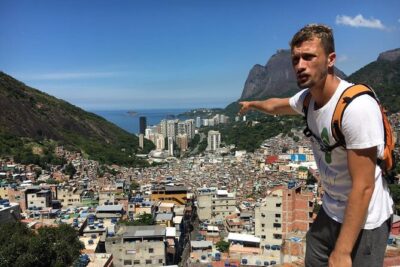
3 Hour Rocinha Favela Walking Tour with a Local Guide
Read our review →
Favela Tour Rio de Janeiro – Vidigal Walking Tour by Russo Guide
Read our review →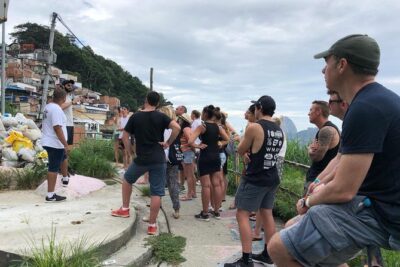
More of this kind of Rio day