
Reviewed · GUIDED FAVELA TOURS
Rio de Janeiro: Favela Santa Marta Tour with Resident Guide
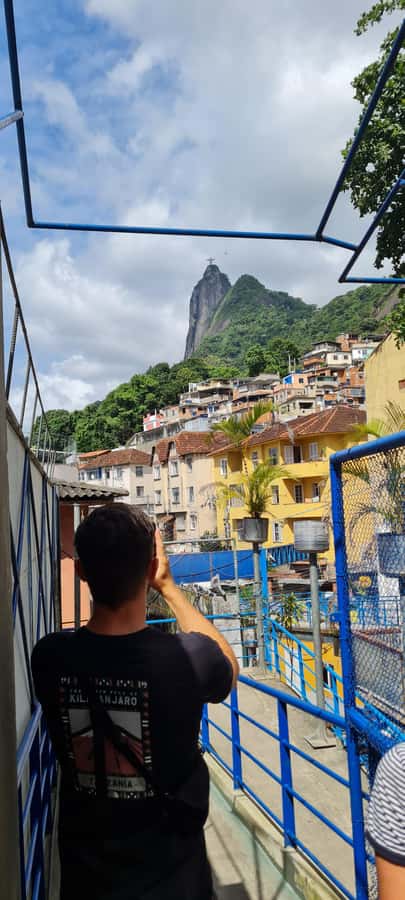
This favela tour felt real, not performative. The big draw is Gilson Fumaça, a longtime Santa Marta resident guide who explains everyday life, local struggles, and community wins up close. You also get the setting Rio fans recognize, from cable car views to the famous Michael Jackson filming references.
I also love that the visit is built around social and cultural purpose, not just photos. You’ll see community education and inclusion efforts, plus stops that connect history and pop culture to the neighborhood’s present. One consideration: this is not an easy walking tour, with steps and uneven ground, so it’s not a good fit for mobility impairments.
In This Review
- Key Reasons This Santa Marta Tour Works
- Meet Gilson Fumaça, the Guide Who Explains the Neighborhood From the Inside
- The Walk Starts With a Safety Briefing and Clear Direction
- Cable Car Time and Viewpoints: Rio’s Icons, Seen Through Santa Marta’s Angle
- Favela Scene Stop: Where Culture Becomes the Point
- Michael Jackson Square and They Don’t Care About Us: Pop Culture With a Local Memory
- Local Restaurant Stop: Eating Where the Day Happens
- Visiting Gilson’s Home and the Clock Collection: Family Life as the Real “Highlight”
- Beyond the Sights: How This Tour Supports Education, Language, and Sustainability
- What You Might Do With the Kids, and Why It Matters
- Price and Value: Why $27 for 2+ Hours Can Be Worth It
- Who Should Book This Santa Marta Tour, and Who Might Skip It
- Should You Book the Rio Santa Marta Favela Tour With Gilson Fumaça?
- FAQ
- How long is the Santa Marta favela tour?
- Where does the tour start?
- What languages is the live guide available in?
- What’s included in the tour price?
- What stops are part of the experience?
- Is the tour suitable for wheelchair users or limited mobility?
- What if my plans change?
Key Reasons This Santa Marta Tour Works
- Resident guide with deep community ties: Gilson is born and raised in Santa Marta and leads tours through the neighborhood he knows well.
- Storytelling that connects past and present: from the 1968 visit by Queen Elizabeth II to the 1996 Michael Jackson They Don’t Care About Us music video.
- Views without the tourist bubble: cable car time plus photo stops with sightlines toward Cristo Redentor and Sugar Loaf.
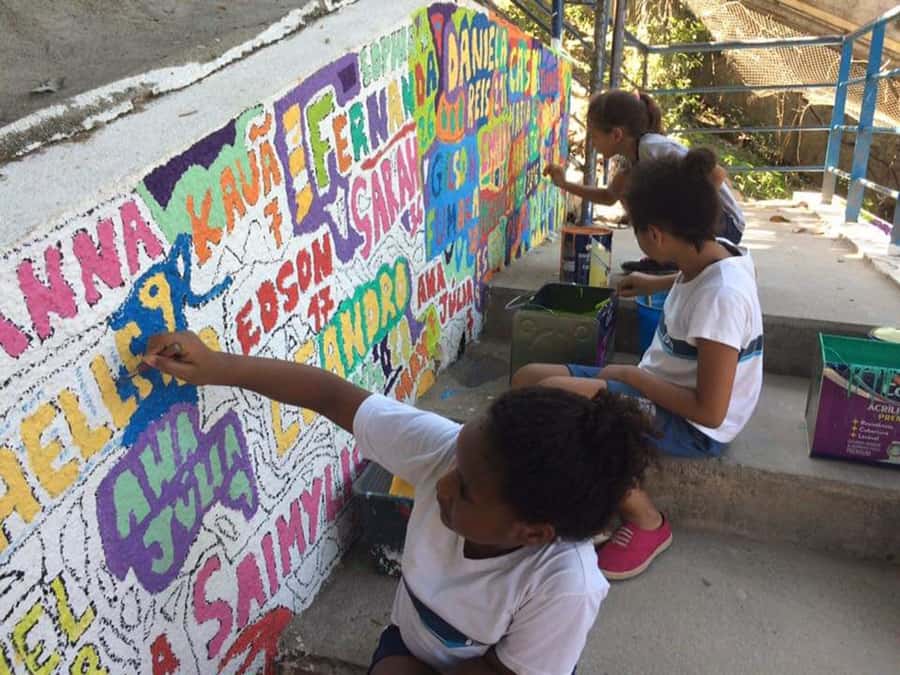
- Cultural projects with an inclusion goal: visits and discussion focus on education, language, and environmental work.
- Hands-on local life, not a museum route: you may get moments that feel like daily recreation, like football and neighborhood games.
- A real home visit element: you’ll be introduced to Gilson’s family setting, including his mother Maria Helena’s home and collection of clocks.
Other guided walks through the favelas:
- Rio de Janeiro: Rocinha Favela Walking Tour with Local Guide
★ 4.8 · 3,052 reviews - Rio De Janeiro: Half-Day Rocinha Favela Walking Tour
★ 4.7 · 2,272 reviews - 3 Hour Rocinha Favela Walking Tour with a Local Guide
★ 5.0 · 833 reviews - Favela Tours
★ 5.0 · 660 reviews
Meet Gilson Fumaça, the Guide Who Explains the Neighborhood From the Inside
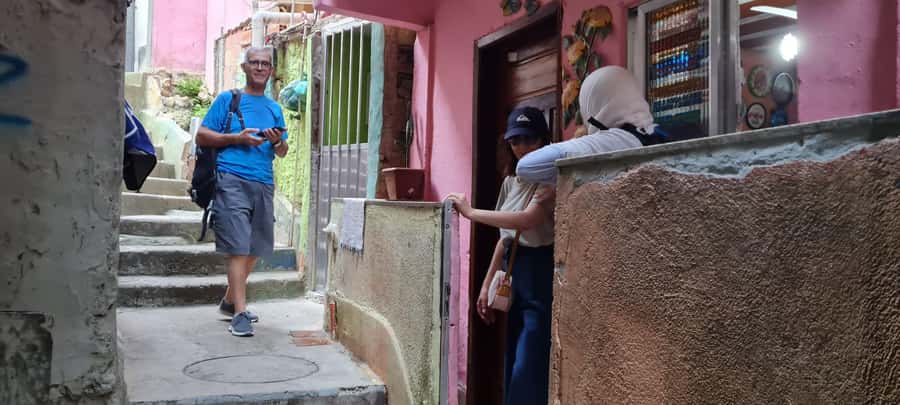
Rio has a habit of splitting itself into two stories. This tour helps you understand the second one by starting with someone who lives it. Gilson Fumaça is described as a community leader and a tourism guide credited through Brazil’s tourism ministry. That matters because you’re not just getting facts from the outside, you’re getting context from the inside.
Expect his approach to be personal. He shares his own journey, from childhood and youth through adulthood, and frames Santa Marta as a place of Luta e Resistência (struggle and resilience). He also connects the dots between global pop culture moments and local community life, which makes the tour feel less like an “activity” and more like a guided conversation.
You’ll also notice how the tour is designed to avoid the worst stereotypes. The point is to show people as neighbors, students, kids playing, and adults building projects. It’s a subtle shift that makes the whole experience easier to take in.
The Walk Starts With a Safety Briefing and Clear Direction
The tour includes a short safety briefing at the beginning, and that’s not just a box-check. It sets the tone that you’re entering a real neighborhood with real routines. You’ll be guided on what to do, where to stand for photos, and how to move through tight streets calmly.
There are two possible start points depending on your booking option. One is at R. São Clemente, 320, Tourist Information. That’s useful if you’re already planning your day around a central Rio base.
In the reviews you’ll see a consistent theme: people feel safe when they’re with Gilson, because he knows residents and because the tour is run with community relationships in mind. It also helps that the route isn’t rushed. You get time for stops, photos, and questions.
Practical note: this is still a walking tour. Even when it’s smooth, you’re on neighborhood streets and likely climbing stairs at points.
Cable Car Time and Viewpoints: Rio’s Icons, Seen Through Santa Marta’s Angle
One of the smartest parts of this tour is that it doesn’t only talk. It shows. You ride the cable car for about 20 minutes, which gives you a bird’s-eye sense of how Santa Marta sits against Rio’s dramatic geography.
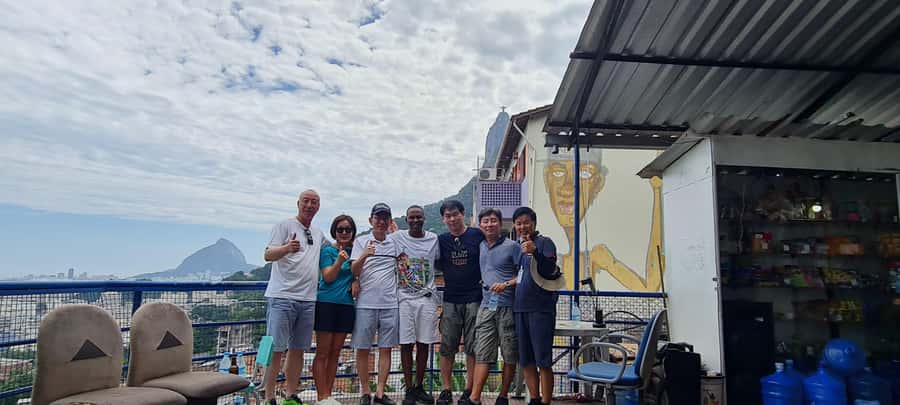
After the cable car, you’ll get a viewpoint photo stop. This is the part where you can line up the postcard angles, and you’ll also see why people mention Sugar Loaf and Cristo Redentor in the same breath here. Even if you’ve already visited those sights from the usual tourist routes, it feels different when you see them framed by a neighborhood that many visitors never get to experience on foot.
Then the day keeps moving with a scenic stop and additional photo moments as you continue through the area, including a stop at R. da Paciência, 4. The tour uses these pauses for what I think is the right reason: to let you look first, before you’re asked to absorb more history and social context.
Favela Scene Stop: Where Culture Becomes the Point
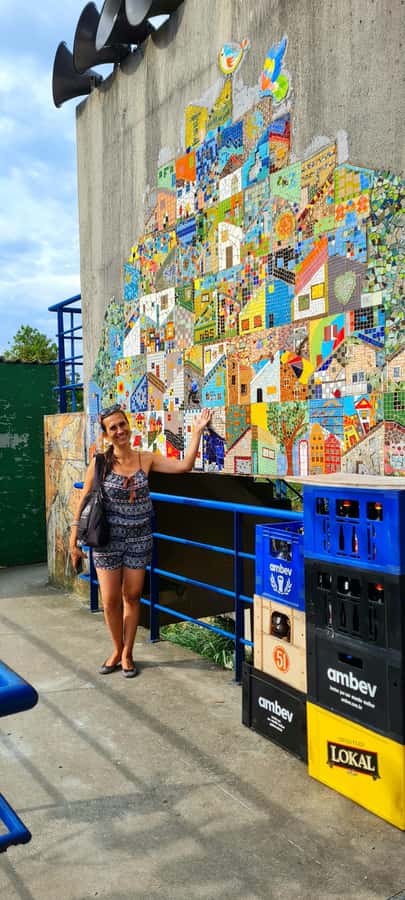
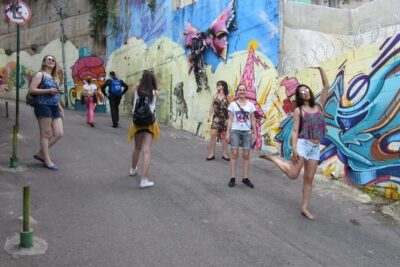
At around the middle of the tour, you’ll reach a stop called Favela Scene for about 15 minutes. This is where the experience leans more cultural than scenic, and it’s a good moment to switch gears in your head.
Santa Marta is known for community initiatives, and this is your chance to connect what you’re hearing to what’s actually happening nearby. The tour focuses on cultural projects with inclusion and sustainability goals, and it’s clear that the neighborhood’s story is not just survival. People are building education programs, language learning, and environmental efforts. You’re not meant to leave thinking only about poverty or crime. You’re meant to leave thinking about solutions.
This is also where the tour’s tone becomes important. Instead of treating the favela as a backdrop, it treats it like a living community with its own identity and priorities. That’s exactly what makes the tour worthwhile for people who want a fuller Rio picture, not just another route.
Michael Jackson Square and They Don’t Care About Us: Pop Culture With a Local Memory
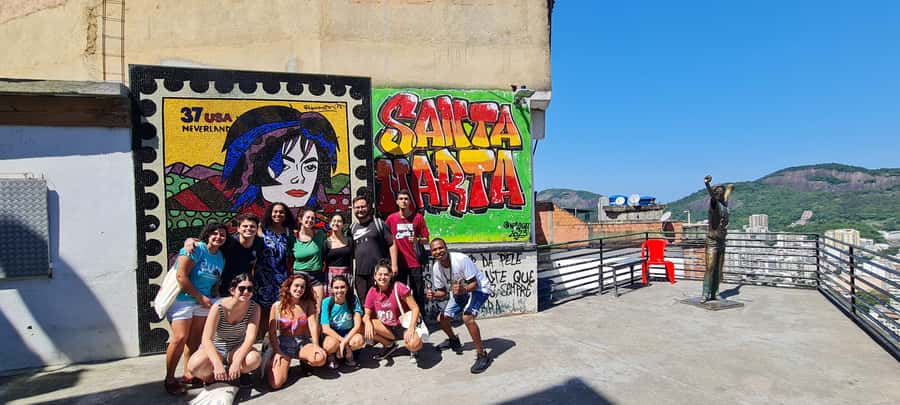
One of the most distinctive stops is Michael Jackson Square, with time for a break and free time plus shopping for about 15 minutes.
If you know the Michael Jackson connection, you’ll recognize the reference to They Don’t Care About Us. The tour info also mentions that the guide Gilson was involved in the context of the 1996 music video filming moment. That kind of local participation turns the song reference into a street-level memory, not just a trivia fact.
The tour also includes a historical thread about the 1968 visit by Queen Elizabeth II. When those stories show up inside a neighborhood tour, you start seeing how outside attention can hit local life in complicated ways. Sometimes it’s visibility. Sometimes it’s distortion. Here, you’re offered a chance to understand how locals interpret and live with those moments.
Practical tip: bring your curiosity. This stop works best when you let the guide answer questions without rushing. The tour time is tight enough that you’ll want to pick a couple of topics you care about most, then stick with them.
A few more Rio outings to weigh up
- Rio de Janeiro: Guided Jeep Tour through Tijuca Rainforest★ 4.3 · 740 reviews
- Jeep Adventure: Guided Tour through Tijuca Rain Forest★ 4.0 · 554 reviews
- Rio de Janeiro: Favela Santa Marta Top Tour with Local Guide★ 4.9 · 488 reviews
- Favela Tour Rio de Janeiro – Vidigal Walking Tour by Russo Guide★ 5.0 · 377 reviews
- Sunrise Mirante dona Marta Specialized Guide and Photos★ 5.0 · 246 reviews
Local Restaurant Stop: Eating Where the Day Happens
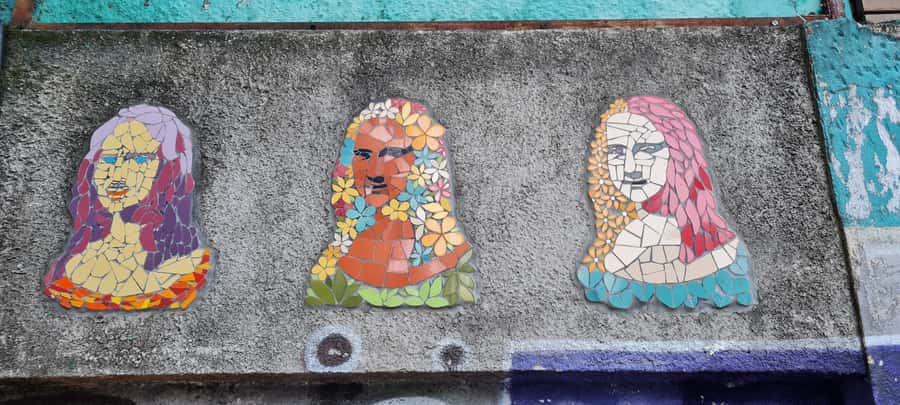
You’ll visit a local restaurant for about 20 minutes. This isn’t positioned as a gourmet event. It’s more like a chance to slow down and experience neighborhood life with a normal rhythm.
Because you’re in a community setting, the best approach is simple: keep an open mind and order something basic you can pronounce. If you’re offered options tied to local cooking, that’s usually the most meaningful souvenir you can bring home.
Also use this time to hydrate. The tour includes bottled water, but Rio can still be humid and warm, especially during hotter parts of the day. Some walkers report doing better when they’re not stuck in high heat and doing lots of stairs. If you’re sensitive to hot weather, pace yourself and ask your guide when you can take breaks.
Visiting Gilson’s Home and the Clock Collection: Family Life as the Real “Highlight”
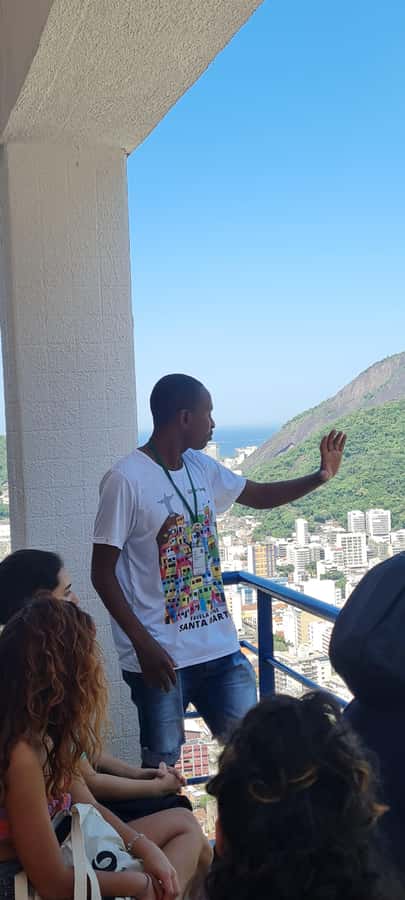
One of the strongest draws, and repeatedly praised in feedback, is the home component. You’ll be invited to visit Gilson’s family space, described as the home of his mother, Maria Helena. The details are specific and memorable: the house has multiple floors and includes a rooftop social space. It’s also described as a collection environment, with Maria Helena collecting more than 400 clocks.
That might sound like a quirky fact until you realize why it lands. It turns the tour from “watching” into “being welcomed.” When someone shares their home, it’s not just architecture, it’s dignity, routine, family pride, and everyday meaning.
The description also mentions the home’s multi-floor setup and a rooftop area with a social gastronomy element. It’s paired with a view that looks toward Cristo Redentor and Pão de Açúcar. That combo, family story plus skyline view, captures the tour’s underlying message: Santa Marta is not a single image. It has texture.
Important: home visits are often the parts that most help you understand the human scale. They can also be the most emotionally intense moments. If you’re prone to feeling overwhelmed by social inequality, take a breath and let your guide guide the pace.
Beyond the Sights: How This Tour Supports Education, Language, and Sustainability
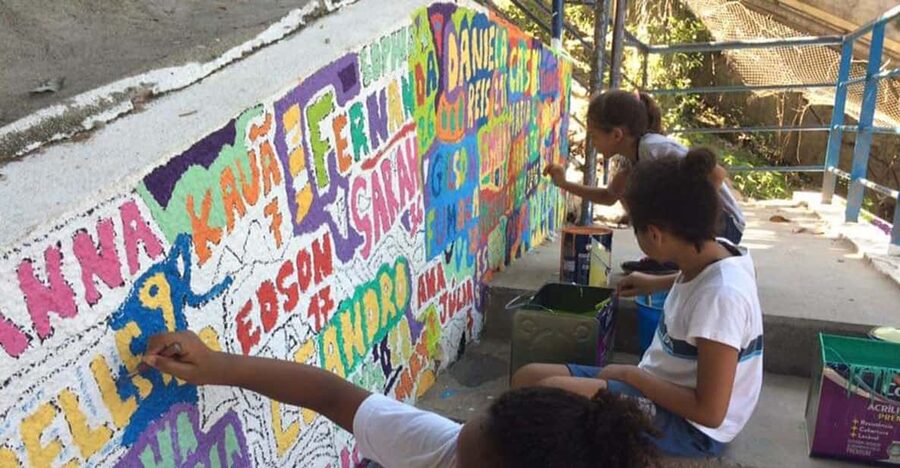
This tour is built with an explicit social purpose. The information and descriptions emphasize inclusion and sustainability goals, plus educational and linguistic projects developed by guides and residents.
There’s also a named educational space: Instituto Gilson Fumaça. Even if you only catch part of the scope during the walk, the message is consistent. This community work is not occasional charity. It’s long-term effort tied to youth opportunity.
In practice, that changes what your ticket “means.” Yes, you’re paying for a guided experience and safe navigation. But you’re also paying for something that locals say has impact. One highlight repeated by visitors is that money from the visit feeds back into community education projects.
If you care about responsible travel, this is where it starts to feel real. You’re not just consuming a story. You’re contributing to local goals.
What You Might Do With the Kids, and Why It Matters
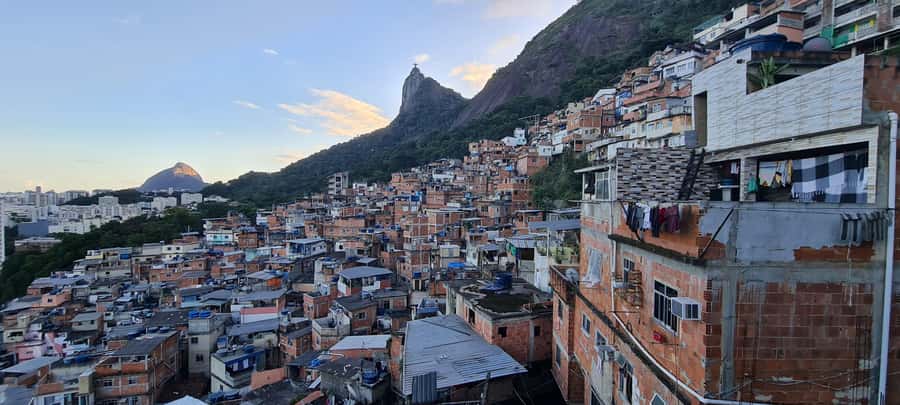
A favela tour can easily become awkward if it turns play into performance. This one is described as focused on everyday leisure and community recreation as part of the experience.
The tour info mentions moments like playing football with children, rodar pião (spinning top games), playing bolinha de gude (marbles), flying kites, and even batucada on rooftops. Even when you don’t get every activity, the intention is clear: you’re meant to see the neighborhood as a place where kids play, families gather, and community life continues.
That’s why feedback repeatedly praises the warmth and kindness in the interactions. When done respectfully, it can feel like a human exchange rather than a staged photo-op.
If you join this tour, go in with the right energy. Smile, listen, ask first before taking photos, and treat any interaction like it’s happening in someone’s home neighborhood, because it is.
Price and Value: Why $27 for 2+ Hours Can Be Worth It
At about $27 per person for roughly 2 hours (noted as up to around 150 minutes), this sits in the affordable range for Rio experiences, especially those that involve local guiding and multiple stops.
Here’s the value logic that makes sense to me. You’re paying for:
- a resident guide who can explain history and daily life in plain language
- a route that includes transport time (cable car) and several organized stops
- bottled water included
- and the social and educational purpose tied to the neighborhood projects
For context, mainstream sightseeing tours can cost much more for far fewer “human connection” moments. This isn’t about luxury. It’s about getting meaning out of the time you spend in Rio. If you’re trying to understand more than just the skyline, this ticket price is easier to justify.
Still, manage expectations. It’s not a theme park. The streets can be steep, the walking can be tiring, and the tone can feel emotional at times.
Who Should Book This Santa Marta Tour, and Who Might Skip It
I think this is a great fit if you want a Santa Marta experience led by a real community figure. It’s ideal for:
- travelers who want context and conversation, not a checklist of landmarks
- people who like social history, street-level culture, and local education projects
- visitors who want Rio’s two-city story, not only the postcard side
It’s not a great fit if you need step-free routes. The activity is not suitable for people with mobility impairments or wheelchair users, and some people also note heat and stairs can be a lot. If that’s you, you’ll likely enjoy Rio more with an alternate sightseeing plan.
Should You Book the Rio Santa Marta Favela Tour With Gilson Fumaça?
Yes, if you can handle some walking and you want the kind of Rio story that most first-time visitors miss. The biggest reason to book is the guide, Gilson Fumaça, and the way the tour connects views, history references, and daily community life to projects aimed at education and inclusion.
If you’re searching for a quick photo stop, pick something else. If you want a thoughtful, human-scale experience with a clear social purpose, this one is hard to beat.
FAQ
How long is the Santa Marta favela tour?
It runs about 2 hours, noted as 150 minutes.
Where does the tour start?
Starting location can vary, with one option at R. São Clemente, 320, Tourist Information.
What languages is the live guide available in?
The live guide offers English, Spanish, and Portuguese.
What’s included in the tour price?
The tour includes a local guide and bottled water.
What stops are part of the experience?
You can expect a cable car ride, viewpoint photo stops, a stop at R. da Paciência, 4, a Favela Scene visit, a local restaurant visit, and a break at Michael Jackson Square.
Is the tour suitable for wheelchair users or limited mobility?
No. It is not suitable for people with mobility impairments or wheelchair users.
What if my plans change?
The listing includes free cancellation up to 24 hours in advance for a full refund, and a reserve now & pay later option.
Recently added around Rio





Guided Favela Tours, compared.

3 Hour Rocinha Favela Walking Tour with a Local Guide
Read our review →
Favela Tour Rio de Janeiro – Vidigal Walking Tour by Russo Guide
Read our review →
More of this kind of Rio day