
Reviewed · GUIDED FAVELA TOURS
Rio de Janeiro 3-hour tour of the Rocinha Favela with local guide
Rocinha tells its own story. This tour is interesting because you do more than look from a distance, you walk with local residents and you get panoramic views that explain Rocinha’s size and geography. I like the mix of everyday alley time, cultural stops, and lookout points, plus the guides who keep the group moving with real context. One drawback to weigh up front: you may be asked to put away your camera or phone in certain stretches, and English support is not always guaranteed during the cultural segments.
You meet at Metrô São Conrado / Rocinha (Exit A) and the experience runs about 2 to 3 hours, with rest stops along the way. Expect stairs, tight lanes, and streets that feel active, not staged. It is also not a low-key stroll, the route can be rough underfoot, and the tour is not suitable for people with temporary mobility problems.
In This Review
- Key highlights you should plan for
- Why a Rocinha Walk Works Best With Local Stories
- Getting There at Metrô São Conrado, Then Into the Stairs
- Salocin Tour: Viewpoints, Street Art, Social Projects
- Moto Taxi Express: The Roller-Coaster Start
- Capoeira at Projeto Acorda Capoeira
- Estrada da Gávea to Laje Bella Vista Views
- Camelódromo da Rocinha Market and Photo Rules
- Visual do Laboriaux: Christ, Sugarloaf, and the Big Picture
- Safety, Water, and Value at $43.35
- Should You Book This Rocinha Favela Tour?
- FAQ
- How long is the Rocinha favela tour?
- What is included in the tour price?
- Where does the tour start and end?
- Is the tour safe and are there photo rules?
- Does the tour provide water?
- Is the tour suitable for people with mobility issues?
Key highlights you should plan for

- Local-run storytelling in Rocinha’s alleys instead of a drive-by look
- Moto taxi Express ride that adds speed and a big view early on
- Capoeira at Projeto Acorda Capoeira, with history plus movement and rhythm
- High-point viewpoints from Estrada da Gávea and Rua Um, with serious panorama time
- Camelódromo da Rocinha market stop to see daily commerce up close
- Photo etiquette matters, with specific places where cameras may be restricted
Other guided walks through the favelas:
- Rio de Janeiro: Rocinha Favela Walking Tour with Local Guide
★ 4.8 · 3,052 reviews - Rio De Janeiro: Half-Day Rocinha Favela Walking Tour
★ 4.7 · 2,272 reviews - 3 Hour Rocinha Favela Walking Tour with a Local Guide
★ 5.0 · 833 reviews - Favela Tours
★ 5.0 · 660 reviews
Why a Rocinha Walk Works Best With Local Stories
Favela tourism can go sideways fast, either by turning real life into a show or by treating a community like a theme park. What makes this experience worth considering is that it is guided by local residents who share how Rocinha works day to day, including social projects, street art, and local entrepreneurship. That framing matters because it gives you context before you start snapping photos.
I also like how the tour spreads out what you see. You are not stuck only with viewpoints, and you are not only in the densest streets either. You get a sequence of moments that help you understand the “why” behind what you are seeing: the topography, the scale of the community, and how culture (like capoeira) sits right inside daily life.
One practical note, based on what people have described: guides can vary. You might have a super-communicative guide like Brian, Antônio, Carlos, Victor, or Leonard, or you might have a less organized day with someone like Gabi. Your best protection is your own preparation, show respect, follow instructions, and don’t assume every segment will be equally explained in English.
Getting There at Metrô São Conrado, Then Into the Stairs
The meeting point is at R. Gen. Olímpio Mourão Filho, 320, near Metrô São Conrado / Rocinha (Exit A), and you finish back at the same place. That simple start and end is helpful, especially if you are coordinating with other plans in Rio.
What to mentally prepare for is movement. Even though the tour is marketed as a short experience, Rocinha is built on slopes, so you will likely deal with stairs, uneven ground, and narrow lanes. There are rest stops along the walk, which is great. Still, if you are sensitive to long climbs or bumpy pavement, plan accordingly. This tour is not suitable for people with temporary mobility problems, and that restriction matters because the route can feel physically demanding.
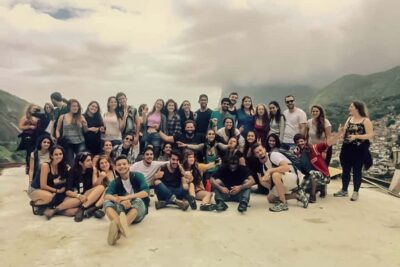
Group size can also affect your experience. The tour has a max capacity up to 100 people, and at least one group was described as 26. If your ideal tour is small and quiet, you may want to pick a time when fewer people are likely to join, and expect you may occasionally move in a crowd.
Salocin Tour: Viewpoints, Street Art, Social Projects
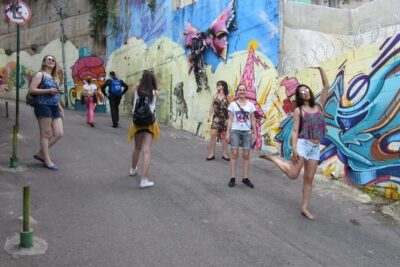
Your first stop is designed to set context. You start with Salocin Tour, which focuses on viewpoints and a guided walk through Rocinha’s alleys. Expect panoramic city-and-sea outlooks, then a shift into everyday life as you pass through tight streets and places where you can see murals and local projects.
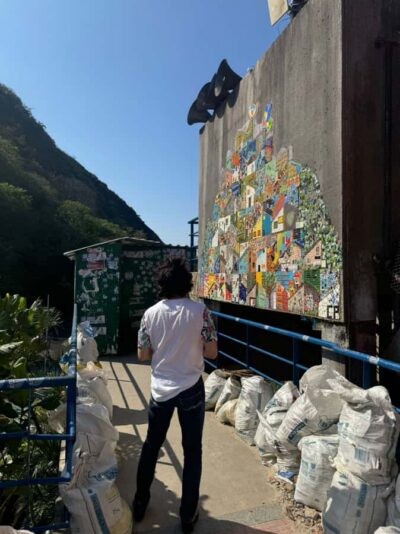
This is where the tour does its real work: it helps you connect what you are seeing to what it means. The idea is not just to show you housing and stairs. It is to explain how residents organize community life, what kinds of social initiatives exist, and how creativity shows up in public spaces through street art and local entrepreneurship.
A reality check: photography is not automatic everywhere. In some areas, cameras may be restricted because of safety and local rules. One person reported being told to put away their camera in open areas as well, so take your cue from your guide. If you want photos, wait for the places your guide says are OK, and do not treat every walkway like a free-for-all.
Moto Taxi Express: The Roller-Coaster Start

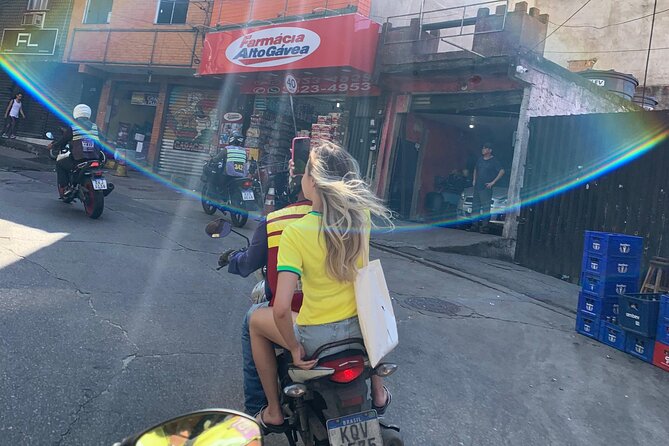
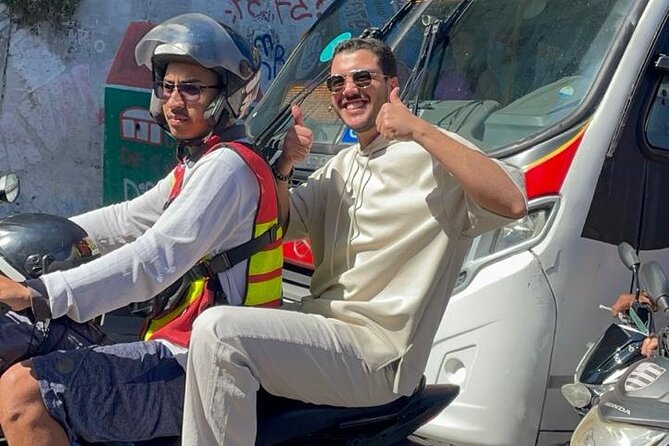
Then comes the fun part, and it is also practical for getting up the hill fast. The Moto Taxi Express ride takes you through winding streets on the back of a local motorbike taxi. People described it as sporty, with tight passages and quick climbing, the kind of ride that feels like a mini roller coaster.
This short segment is not just adrenaline. It is also a cultural detail. Motorbike taxis are common in and around favelas, and the tour uses that real-world transport to get you to higher points efficiently. It is fast, and it helps you spend more of your time where you can actually see the view.
Safety is handled through local drivers and guided routing. Still, you should bring a calm mindset. If you get motion sick easily or you hate speed on narrow roads, this may be uncomfortable. Wear shoes with grip, hold on securely, and do what your driver asks. The best rides happen when you follow instructions immediately.
Capoeira at Projeto Acorda Capoeira
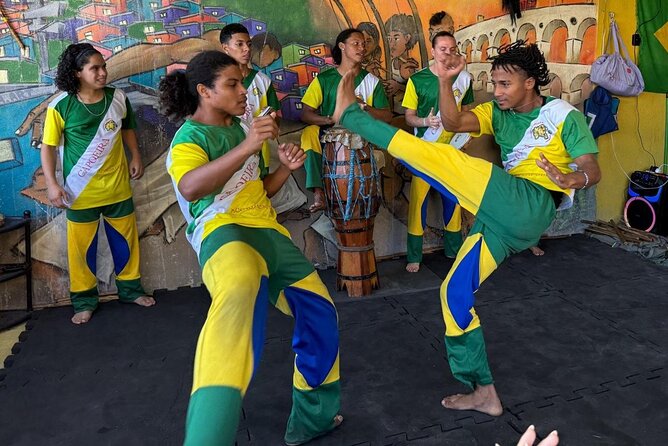
Next is Projeto Acorda Capoeira, where you watch an Afro-Brazilian cultural presentation and also learn elements like rhythms and movements. The time is short, about 30 minutes, but it is built to give you more than passive watching.
Capoeira is partly performance and partly history and community identity. When the tour works well, you leave with a clearer sense of how this style of movement carries meaning beyond entertainment. It is not only about what your eyes see, it is about the rhythm, the flow, and the social energy between performers and the space around them.
Language is a possible consideration. One review described the dance show as being in Portuguese, Spanish, or French, with only limited English beyond basic moments. So if your French or Spanish is rusty, plan to follow along through body cues and the guide’s explanations where available. Come curious, not demanding.
A few more Rio outings to weigh up
- Rio de Janeiro: Guided Jeep Tour through Tijuca Rainforest★ 4.3 · 740 reviews
- Jeep Adventure: Guided Tour through Tijuca Rain Forest★ 4.0 · 554 reviews
- Rio de Janeiro: Favela Santa Marta Top Tour with Local Guide★ 4.9 · 488 reviews
- Favela Tour Rio de Janeiro – Vidigal Walking Tour by Russo Guide★ 5.0 · 377 reviews
- Sunrise Mirante dona Marta Specialized Guide and Photos★ 5.0 · 246 reviews
Estrada da Gávea to Laje Bella Vista Views
This part is about getting your bearings. You visit one of the highest points in the community at Estrada da Gávea and Rua Um, including Laje Bella Vista. You get a 45-minute window focused on understanding the favela’s geography and the scale of Rocinha.
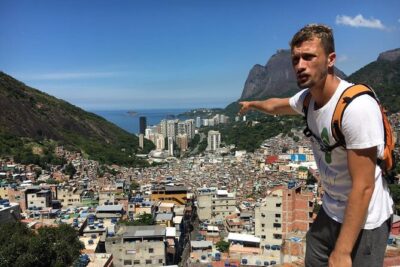
From these vantage points, the city comes into focus. You can start placing what you have been seeing in the context of Rio’s waterfront, coastline direction, and the way hills shape neighborhoods. For photo lovers, this is where you will usually want to slow down and take your time, because the angles are different and the details feel more “map-like.”
Also watch how the group moves. Someone described strict rules about cell phone use in sensitive stretches. Even in view areas, you might be asked to handle devices carefully. If you are using special eyewear (one person mentioned Meta glasses being taken off when asked), be ready to comply with guide instructions quickly.
Camelódromo da Rocinha Market and Photo Rules

After the heights, you shift into daily life with the Camelódromo da Rocinha market stop. It is a popular area where tents and stalls sell fruit, clothes, crafts, and everyday goods. This is one of the better moments for observing how commerce works on the ground.
I like this stop because it is practical and human. You notice the pace of buying and selling, the small talk, and how people rely on local trade. If you want to support responsibly, this is where your spending makes immediate sense, because you are directly engaging with local sellers rather than paying for a staged performance.
This is also a good reminder about photo rules. Some zones are not photo-friendly, and even when the view looks open, guides may ask you to put your phone away for safety reasons. The right approach is simple: ask your guide if it is OK, and when they say no, accept it fast. The goal is respect, not confrontation.
Visual do Laboriaux: Christ, Sugarloaf, and the Big Picture
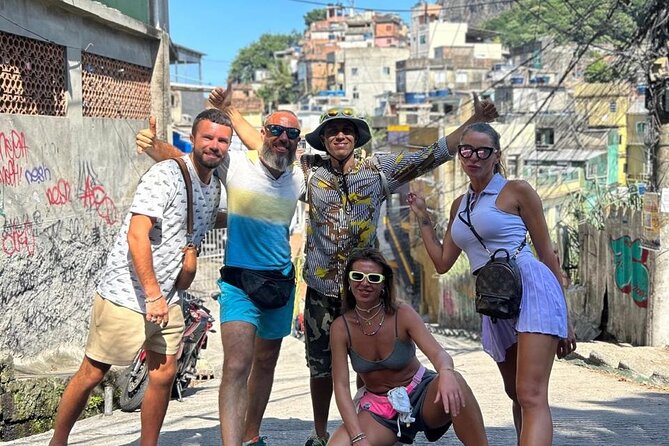
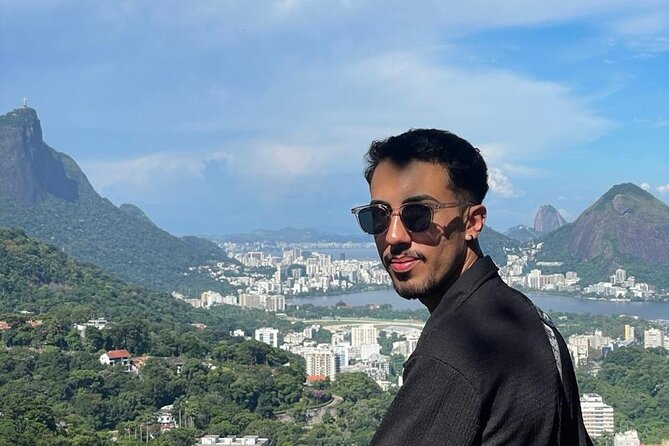
The tour ends with another signature viewpoint at Visual do Laboriaux Rocinha. This stop is about 30 minutes and is designed for a wide Rio panorama, including famous landmarks such as Cristo Redentor (Christ the Redeemer), Sugarloaf, the Ipanema shore, and views toward the city center.
This is your payoff moment, the one that helps you stitch everything together. Earlier you saw alleys and everyday community life. Here, you see how that life sits inside a huge city landscape. It is also the easiest time to take photos, because your guide can direct you to safe, appropriate angles.
If you tend to rush photos, slow down here. People often remember the viewpoint, but the real value is what the view explains. It shows why Rocinha’s layout is the way it is, why movement in steep areas is difficult on foot, and why residents rely on local solutions like moto taxis and neighborhood networks.
Safety, Water, and Value at $43.35
Let’s talk value. At $43.35 per person for roughly 2 to 3 hours, you are paying for more than a walk. You get a local guide, viewpoint access, a moto taxi ride, and a cultural stop at Projeto Acorda Capoeira. You also get market time at the Camelódromo without a paid admission component. If your main goal is to learn how Rocinha works from the inside, this price can feel fair.
But it is not a fit if you want an all-day museum style tour with full English narration and no participation moments. One review criticized the experience as pricey for the amount of suggested involvement during small shows. That does not mean you must overpay for souvenirs, but it does mean you should expect to be part of the flow and follow the guide’s lead.
Also, plan for practical needs. One person said water was not provided even though that was implied, so I recommend you bring your own water and wear comfortable, grippy shoes. And assume you will follow strict device rules in certain areas. If you treat those rules as optional, the experience will feel harder and less respectful than it needs to be.
Should You Book This Rocinha Favela Tour?
I think you should book if you want Rio beyond the postcard view, and you are comfortable with walking, stairs, and a guide-led pace. This works particularly well for solo travelers and couples, and one family described it as great for a 15-year-old because the moto taxi start adds a fun edge. If your top priority is panoramas plus culture and real-life context, you will likely enjoy how the stops connect.
I would skip it if you need a fully relaxed, mostly flat route, or if device restrictions would frustrate you. It is also not ideal if you expect guaranteed English through every segment, since cultural parts may run in Portuguese, Spanish, or French depending on the moment and guide.
If you do book, show up on time for the start and keep your expectations realistic. Bring water, wear solid shoes, and treat photo rules like part of the tour. When you do that, you get the point: Rocinha seen through local storytelling, with views that actually make sense after the walk.
FAQ
How long is the Rocinha favela tour?
It runs about 2 to 3 hours.
What is included in the tour price?
You get a local guide and scheduled stops that include paid admission for several parts of the experience, plus the market time at the Camelódromo da Rocinha, which is free.
Where does the tour start and end?
It starts at Metrô São Conrado / Rocinha (Saída A) and ends back at the same meeting point.
Is the tour safe and are there photo rules?
The tour includes guidance for safety at strategic points, and you may be asked to put away cameras or phones in certain areas.
Does the tour provide water?
No water provision is clearly stated in the tour details you provided. Since at least one participant reported not receiving water, it is smart to bring your own.
Is the tour suitable for people with mobility issues?
The tour is not suitable for people with temporary mobility problems, though it is possible to take the tour with older people. Service animals are allowed.
Recently added around Rio



Guided Favela Tours, compared.

3 Hour Rocinha Favela Walking Tour with a Local Guide
Read our review →
Favela Tour Rio de Janeiro – Vidigal Walking Tour by Russo Guide
Read our review →
More of this kind of Rio day