
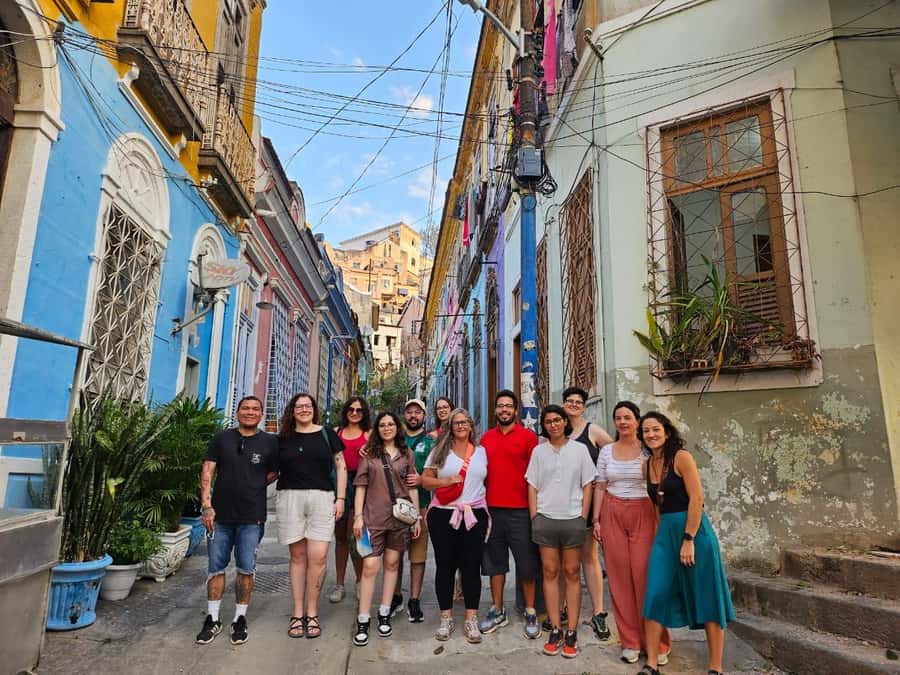
Reviewed · WALKING TOURS
Rio: African Culture Walking Tour
Rio has samba in the air, but this tour gives you the backstory. You’ll walk through Little Africa and the Pedra do Sal area with a live guide who connects streets, memory, and Afro-Brazilian traditions to the history of black resistance in Rio. The finish line is Cidade do Samba, where you get an entrance that turns Carnival from a spectacle into a real production.
Two things I really like about this experience are how personal it feels and how much you learn. With a maximum group size of 15 and a guide who stays engaged, I like that you can ask questions and compare what you learn to your own context, like how one guide, Rafael, was described as attentive and helpful. I also love that the tour includes real behind-the-curtains access, not just a quick look around.
One drawback to consider is that the final warehouse stop may feel a bit less traditional than the street side of the experience, even though the access itself is a big plus. If you want only outdoor, day-to-day local life, you might wish the ending leaned more toward the neighborhood scenes.
In This Review
- Key things to know before you go
- Why the Little Africa and Pedra do Sal start matters
- The guide experience: questions welcome, Rafael style noted
- How the tour balances history with lived culture
- The walking pace and small-group reality check
- Ending at Cidade do Samba: Carnival from the production side
- The samba school warehouse visit: big access, mixed authenticity
- What is included, and what you need to plan yourself
- Price and value: is $100 a fair deal?
- Languages, private group, and who this tour suits best
- Practical notes so your tour day goes smoothly
- Should you book the Rio African Culture Walking Tour?
- FAQ
- How long is the Rio African Culture Walking Tour?
- How many people are in the group?
- What’s included in the tour price?
- Are food and drinks included?
- Where does the tour start and where does it end?
- Do I get access inside Cidade do Samba?
- What languages is the tour offered in?
- Is the tour wheelchair accessible?
- Is it free to cancel?
- What should I do with WhatsApp for this booking?
Key things to know before you go
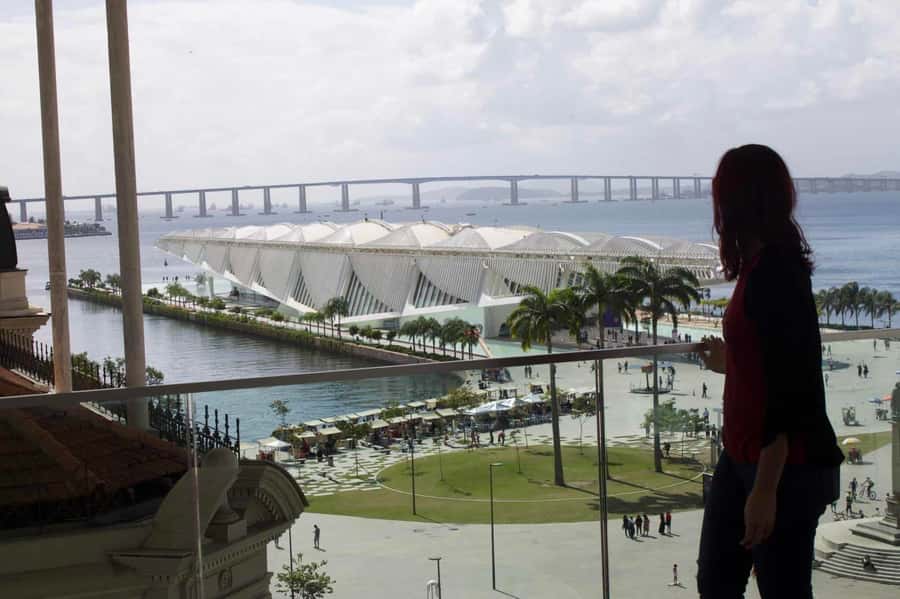
- Little Africa and Pedra do Sal walk focused on black resistance and Afro-Brazilian culture
- City of Samba entrance included, so you actually get to go inside
- Behind-the-scenes Carnival experience tied to how samba schools’ parades are built
- Small group size (up to 15) for better conversation and pacing
- Guide-led learning in English, Spanish, or Portuguese
- Samba school warehouse visit with strong access, even if it feels less street-authentic
More of Rio covered on foot:
- Rio de Janeiro: Rocinha Favela Walking Tour with Local Guide
★ 4.8 · 3,052 reviews - Rio De Janeiro: Half-Day Rocinha Favela Walking Tour
★ 4.7 · 2,272 reviews - 3 Hour Rocinha Favela Walking Tour with a Local Guide
★ 5.0 · 833 reviews - Favela Tour Rio de Janeiro – Vidigal Walking Tour by Russo Guide
★ 5.0 · 377 reviews
Why the Little Africa and Pedra do Sal start matters
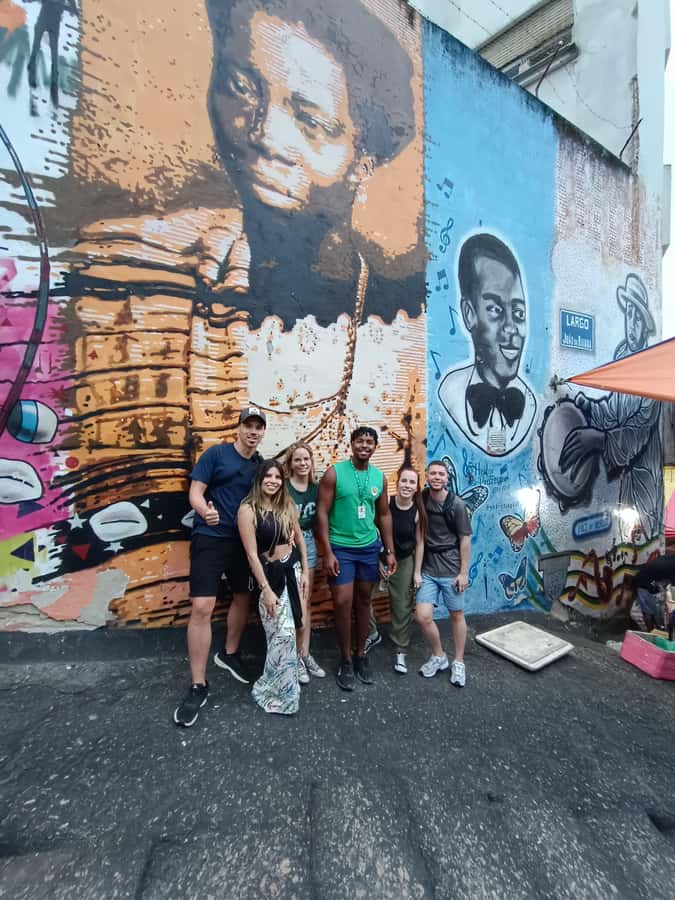
If you only see Rio’s famous postcard scenes, you miss the part of the city that explains why samba means what it means. This tour starts in the Little Africa and Pedra do Sal region, where the focus is on the history of black resistance and the struggle tied to the abolition of slavery in Brazil. That framing matters because it turns your walk into more than sightseeing, it becomes context.
Your guide does the heavy lifting by translating history into street-level stories. You’re not just collecting facts, you’re learning how Afro-Brazilian culture and traditions connect to survival, community, and cultural expression. It also sets up the later Carnival segment so the samba schools do not feel like random performers at a party, but like a living tradition with roots.
One practical bonus: this opening portion keeps you moving through the city with purpose. Instead of wandering, you follow a route with meaning, and you end up knowing what you’re looking at rather than just passing it.
The guide experience: questions welcome, Rafael style noted
A big part of why people rate this tour highly is the guide. One review highlighted Rafael as very attentive, and another praised a guide who was studious and clear when explaining Afro-Brazilians and their heritage in present-day Rio. That clarity helps because Afro-Brazilian history can feel broad at first. A good guide makes it understandable without watering it down.
What I’d tell you to expect is active teaching, plus space for discussion. A guide who is open to questions can help you notice parallels, such as how racial oppression systems can rhyme across countries, while also pointing out important differences. If you like conversations, not just lectures, this format fits well.
Also, because the tour is offered in English, Spanish, and Portuguese, you can choose what feels most comfortable. That matters more than it sounds. Better language flow often means better questions, and better questions lead to a better tour.
How the tour balances history with lived culture
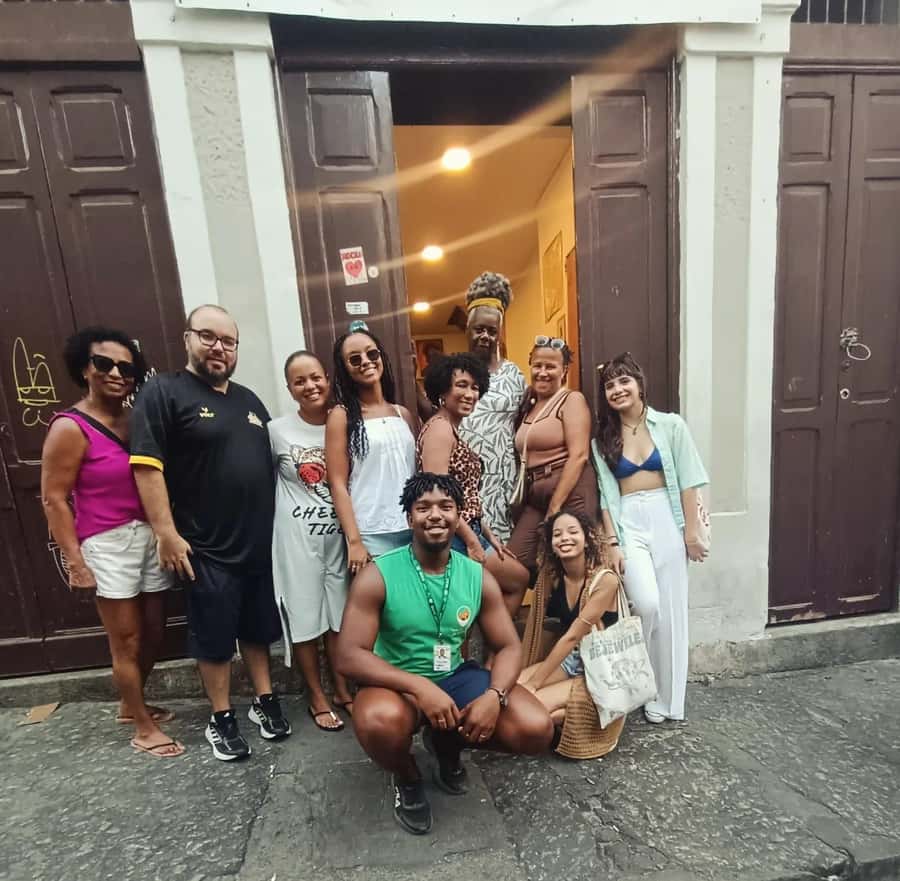
This isn’t a museum-only approach. You’re walking through neighborhoods tied to community memory, and the tour ties the story to traditions you can still see and hear in Rio today. The language in the tour description points you toward Afro-Brazilian culture and traditions while you learn about black resistance and the abolition struggle.
That balance is valuable for you because it avoids the trap of “history as a lecture.” You’re learning what happened and also learning how cultural identity continued, adapted, and found new forms. In a city known for festivals, that context makes the celebration feel earned, not accidental.
It also helps you understand why Carnival is more than costumes. When you later hear about the origins of samba school parade traditions, you’ll already have the cultural and historical groundwork in your head.
The walking pace and small-group reality check
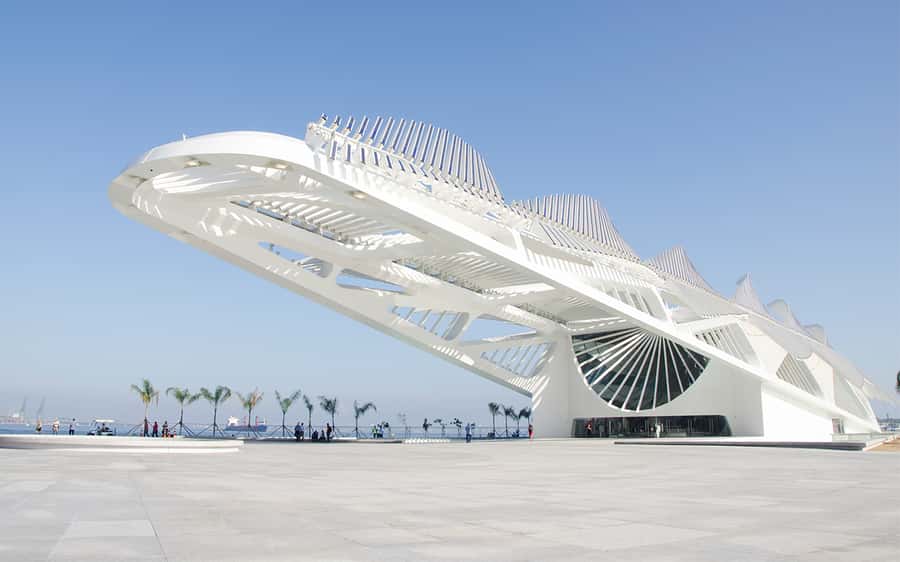
Three hours is a sweet spot, long enough to cover real ground but short enough to stay focused. The tour is designed as a walking experience, but you should not expect a punishing hike. One review specifically noted that you learn a lot without having to walk too much, which is exactly what you want in Rio, where heat and fatigue can sneak up fast.
The group size is capped at 15, which changes the vibe. With fewer people, your guide can keep the pace moving while still checking in with the group. It also makes it easier to hear explanations and stay oriented when you’re learning on the move.
If you’re traveling with a small group of your own, you should also like the private group setup. That can be a big deal if your schedule is tight or your group includes people who want the history conversation to go deeper.
Ending at Cidade do Samba: Carnival from the production side
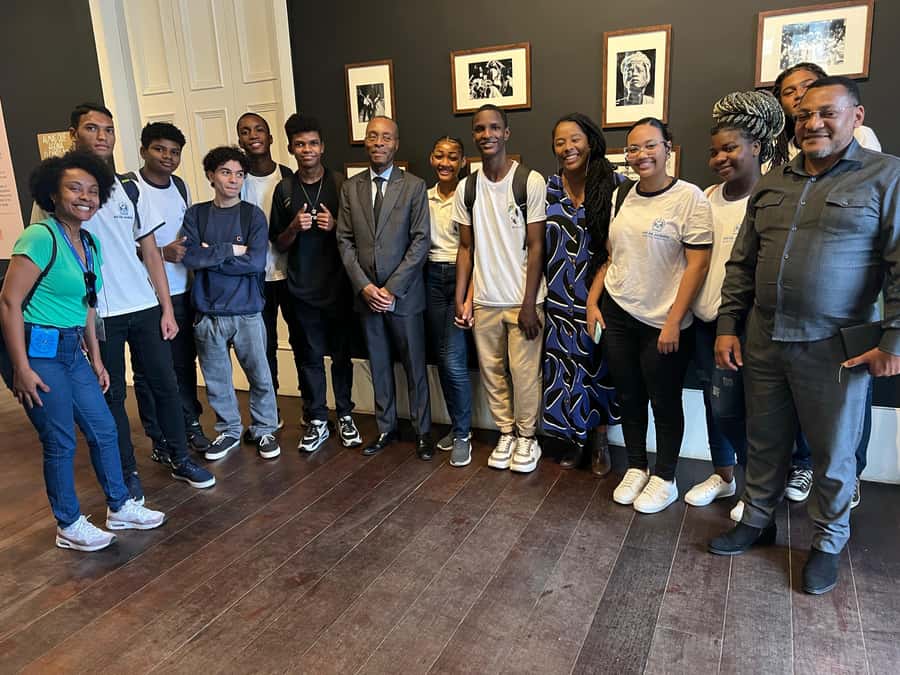
The tour concludes at Cidade do Samba, and that part is the real payoff if you love Carnival but want to see how it is built. You get entrance included, so you’re not stuck looking at things from the outside or trying to figure out access on your own.
Inside, you’ll learn about the origins of the samba schools parades traditions and you’ll get a peek behind the curtain at how Carnaval magic happens. This is where your earlier history lessons click into place. You’re seeing the cultural engine, the part that turns community creativity into parade-ready performance.
This is also where your guide’s storytelling matters. Even if you already know a bit about samba schools, hearing it explained within the cultural and historical frame makes it more meaningful.
If this one is full, Rio has these as well:
- Rio de Janeiro: 6-Stop Highlights of Rio with Lunch★ 4.4 · 5,157 reviews
- Christ the Redeemer Entry Ticket by Corcovado Train★ 4.4 · 4,476 reviews
- Rio’s City Tour – Tickets for Christ, Sugar Loaf & Lunch included★ 5.0 · 4,389 reviews
- Full Day: Christ Redeemer, Sugarloaf, City Tour & Barbecue Lunch★ 4.5 · 3,142 reviews
- Rio’s Full Day: Selarón Steps, Christ & Sugarloaf – Tickets & Lunch Included★ 5.0 · 2,724 reviews
The samba school warehouse visit: big access, mixed authenticity
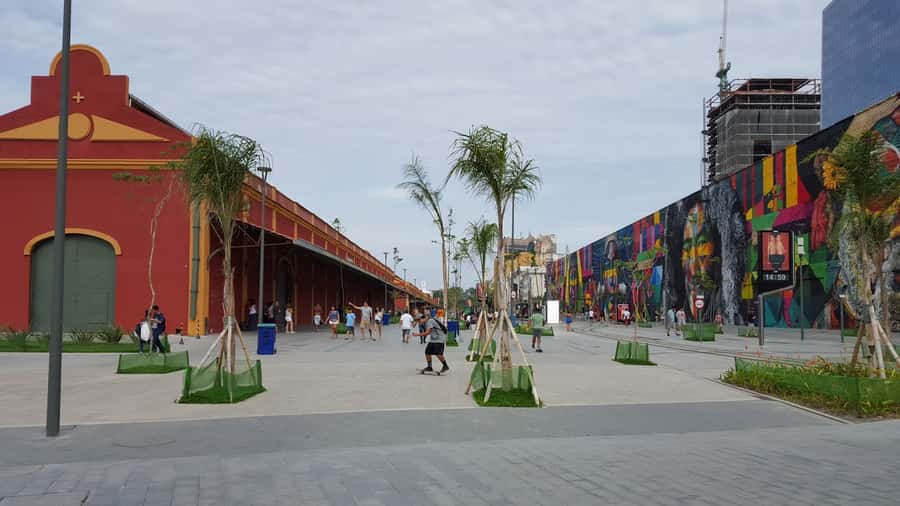
One review called the final stop amazing because it’s an access moment to a major samba school warehouse, describing it as the place where they create everything for Carnaval. That kind of access is not something you stumble into casually, and it’s a big reason this tour scores well.
At the same time, another review noted that this portion may feel a bit less authentic than the rest of the tour. That’s a fair consideration. A warehouse is practical and industrial compared to street life, so if you’re chasing everyday neighborhood texture, you might find this feels more staged or more production-focused.
Still, I think it’s worth it because the trade-off is knowledge. Seeing where things get built helps you connect the performance you watch later to the effort and planning behind it. It turns Carnival from something you attend into something you understand.
What is included, and what you need to plan yourself
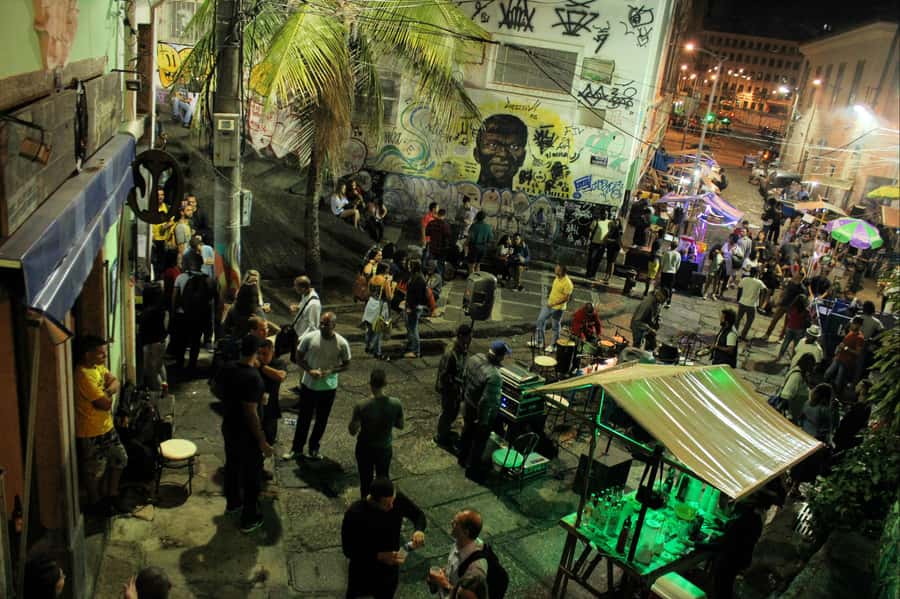
This tour includes the walking tour in Little Africa and the Pedra do Sal region. It also includes the behind-the-scenes Carnival experience at Cidade do Samba, plus entrance to Cidade do Samba and coverage of all taxes, fees, and handling charges.
What is not included is food and drinks. That one line changes how you should plan your day. If you tend to get hungry while walking, I recommend eating beforehand or keeping a simple snack plan so the 3 hours stay comfortable.
Since it is a live guide tour, you’ll also want to be ready with questions. Bring curiosity, not a rigid checklist. The best learning happens when you ask what you genuinely want clarified.
Price and value: is $100 a fair deal?

At $100 per person for a 3-hour small-group walking tour, the value comes down to what you actually get, not just the headline cost. In this case, your money buys three important things:
First, you pay for guided interpretation. A strong guide is what turns neighborhoods into understanding. Multiple reviews praised guides for clarity, attentiveness, and friendliness, which is exactly what you’re paying for.
Second, you get included entrance to Cidade do Samba plus the behind-the-scenes Carnival access. That is a specific add-on you would likely pay for separately if you tried to DIY it.
Third, the format is capped at 15, which keeps it from turning into a crowded group slog. For many people, that alone makes a $100 cultural tour feel reasonable, because the experience stays personal.
So I’d call it good value if you want a structured cultural walk plus real access inside Carnival infrastructure. If you mainly want sightseeing without history framing, you might decide to spend less elsewhere.
Languages, private group, and who this tour suits best

The tour runs with a live guide in English, Spanish, or Portuguese, which makes it flexible for mixed-language groups. It’s also listed as wheelchair accessible and described as a private group experience. Those details matter if you want the comfort of inclusive planning and a group size that doesn’t sprawl.
Who will love it?
- You’re interested in how Rio’s culture connects to black resistance and Afro-Brazilian traditions.
- You want more than surface-level Carnival hype.
- You like asking questions and getting guided explanations in real time.
Who might not love it?
- You want a pure beach, views, and photo-tour day with minimal context.
- You only care about street scenes and prefer not to spend time in a production warehouse.
Practical notes so your tour day goes smoothly
The tour is 3 hours, so treat it like a focused half-day block. Since food and drinks are not included, plan your energy for the walk and the Cidade do Samba visit. If you know you’ll want time afterward, consider leaving a little buffer in your schedule so the day does not feel rushed.
You’ll also be asked to send a WhatsApp contact, so have that ready. That’s not glamorous, but it saves time and confusion on the day.
And because it is a private group and wheelchair accessible, it’s worth thinking about your group’s needs upfront. If anyone needs a slower pace, your guide will be better able to support you when everyone’s plan is clear.
Should you book the Rio African Culture Walking Tour?
Yes, if you want Rio that goes past the usual highlights. This tour is strong for people who care about context and who want to connect Afro-Brazilian culture, the story of black resistance, and abolition-era history to what you see in Carnival production. The small-group size, the guide quality people highlighted, and the included access to Cidade do Samba make it a practical choice, not just an interesting one.
I’d skip it if you want only casual sightseeing or you plan to be disconnected from history and culture for the day. For everyone else, it’s a smart way to spend 3 hours: you walk with meaning, then you end with access that helps you understand the samba school world behind the parade.
FAQ
How long is the Rio African Culture Walking Tour?
The tour lasts 3 hours.
How many people are in the group?
The tour is a small-group experience with a maximum of 15.
What’s included in the tour price?
It includes a walking tour in Little Africa and the Pedra do Sal region, a behind-the-scenes visit at Cidade do Samba, entrance to Cidade do Samba, and all taxes, fees, and handling charges.
Are food and drinks included?
No, food and drinks are not included.
Where does the tour start and where does it end?
It includes a walking portion in the Little Africa and Pedra do Sal region, and it ends with a visit to Cidade do Samba.
Do I get access inside Cidade do Samba?
Yes, the tour includes entrance to Cidade do Samba and a behind-the-scenes Carnival experience.
What languages is the tour offered in?
The live guide is available in English, Spanish, and Portuguese.
Is the tour wheelchair accessible?
Yes, the tour is listed as wheelchair accessible.
Is it free to cancel?
Free cancellation is available up to 24 hours in advance for a full refund.
What should I do with WhatsApp for this booking?
You are asked to send a WhatsApp contact.
Recently added around Rio





Walking Tours, compared.


3 Hour Rocinha Favela Walking Tour with a Local Guide
Read our review →
Favela Tour Rio de Janeiro – Vidigal Walking Tour by Russo Guide
Read our review →
Private Walking and Cultural Tour Rocinha-Rio de Janeiro
Read our review →

Sunrise and Sunrise Walk Two Brothers with Local Guide
Read our review →More of this kind of Rio day