
Reviewed · WORKSHOPS
Hands-On Cooking Class in Rio: Iconic Street Foods & Caipirinhas
Rio starts with what you cook.
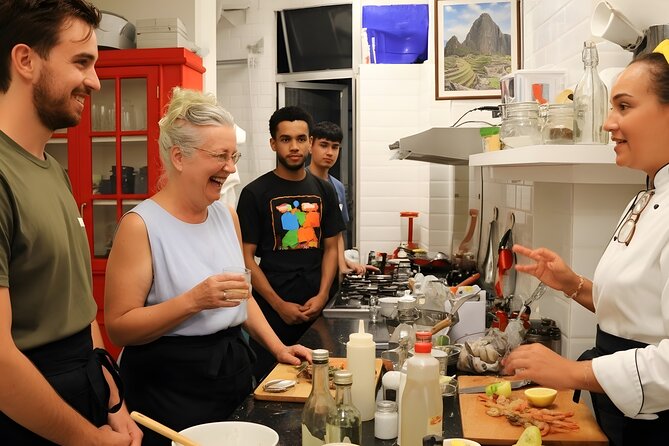
This hands-on session turns Rio street snacks into something you can make at home, starting with a classic Caipirinha and moving through favorites like Pastel. It happens in a welcoming local space in Ipanema, where the mood stays relaxed and friendly.
I love how practical it feels. You are not just watching, you are working the dough, shaping bites, and learning why Brazilian street food tastes so good with simple ingredients. I also love the small-group size, up to 8 people, which means your local host can actually help as you go.
One possible drawback: it is mainly a cooking experience in one location. If you want a long street-food crawl with lots of outdoor stops across different neighborhoods, this class is more focused than that.
In This Review
- Key Highlights You Should Care About
- Rio Street Food and Caipirinhas in a 3-Hour Window
- Where It Starts in Ipanema, and Why Location Matters
- The Real Point of the Class: Hands-On Cooking, Not a Show
- The Menu Breakdown: What You Learn From Each Street Food
- Caipirinha Clássica, Then the Rhythm of the Evening
- Bolinho de Feijoada, Why Beans Become Comfort Food
- Fried Sardines, Crisp Texture and Real-World Flavor
- Pastel de Carne, Queijo, Palmito, or Mixed
- Pão de Queijo, The Chewy Tapioca Signature
- Fried Cassava, Another Crunch Lesson
- Coxinha, Shaping and Filling That Makes It Feel Like a Meal
- Cultural Stories You Can Actually Use
- What Makes This Class a Great Value
- Timing, Group Size, and Who It Fits Best
- What You Leave With: Skills, Recipes, and Ordering Confidence
- Should You Book This Rio Cooking Class?
- FAQ
- How much does the hands-on cooking class cost?
- How long is the experience?
- Where do I meet, and where does it end?
- Is it in English, and will I get a ticket on my phone?
- Are meals and drinks included?
- Can the class accommodate food allergies or intolerances?
- What if I need to cancel?
Key Highlights You Should Care About
- Small group, big attention: max 8 people means you get help while you cook.
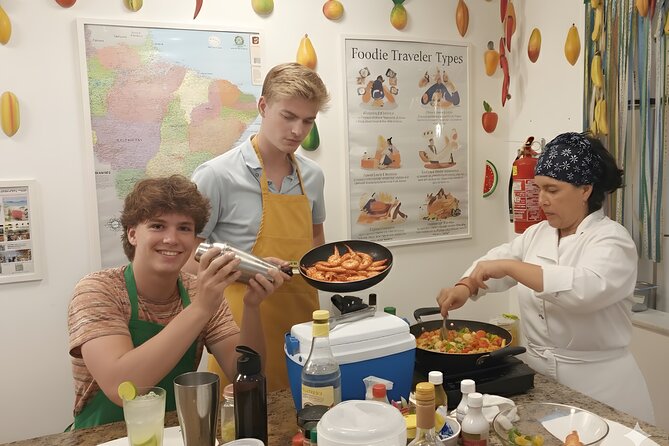
- Hands-on plus drinks: alcohol is included, and you can request virgin versions if you prefer.
- Full menu, not just one dish: you work through a lineup of Rio street staples.
- Simple ingredients, smart technique: you learn how flavor comes from method, not fancy gear.
- Recipe handoff: you receive printed or digital recipes so you can repeat at home.
- Dietary flexibility: you can accommodate food allergies or intolerances if you tell them in advance.
More things to make by hand in Rio:
- Rio de Janeiro: Beginner Samba Lesson in Ipanema
★ 4.9 · 1,071 reviews - Rio de Janeiro: Samba Class in Copacabana
★ 4.6 · 262 reviews - samba class in Ipanema
★ 5.0 · 182 reviews - Samba Class and Samba Night Club Tour in Rio
★ 5.0 · 177 reviews
Rio Street Food and Caipirinhas in a 3-Hour Window
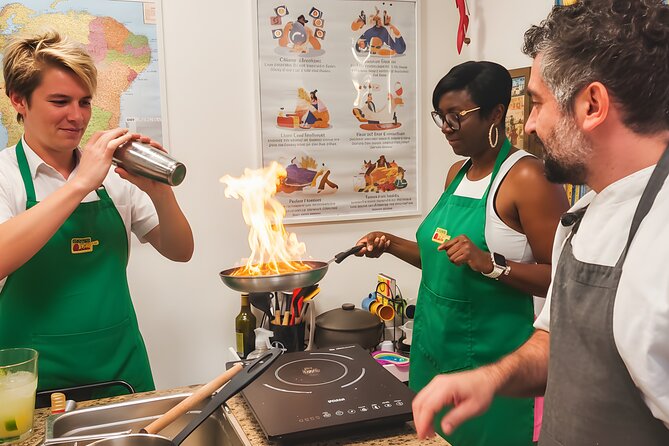
If your first days in Rio are a blur, this is an easy win. For about 3 hours, you get a crash course in Brazilian street food culture, with a cocktail opening act and a meal built from the kinds of snacks people actually crave.
The menu mix is smart because it covers multiple textures and comfort flavors. You start with Caipirinha Clássica, then you move into fried, chewy, and savory bites like Bolinho de Feijoada, Coxinha, and Pão de Queijo. That variety matters because it gives you more than one taste of Brazil, it gives you a toolkit for what to order later, and how to judge a good one when you see it.
Price-wise, $85 per person is not “cheap.” But for what you get, it is fair value: a hands-on class, a full menu, all ingredients and utensils, and alcoholic beverages are included. You also leave with recipes, which turns the night from a one-time experience into something you can repeat.
Where It Starts in Ipanema, and Why Location Matters
The meeting point is R. Visc. de Pirajá, 281 – Ipanema. This matters because Ipanema is an easy neighborhood to orient yourself in. If you are staying nearby, you can often reach the meeting area with minimal hassle, and the experience is listed as being near public transportation.
It also helps that the class ends back at the meeting point. You do not need to plan a separate dinner route right afterward, because the class includes meals. In practice, that makes the whole evening simpler. You can focus on cooking and talking instead of juggling logistics.
One more practical detail: the session is capped at 8 travelers, so it is not a huge, chaotic production. Reviews mention the class can be held on an outdoor patio, which sounds like a nice bonus if you like a little open-air Rio energy while you work.
The Real Point of the Class: Hands-On Cooking, Not a Show
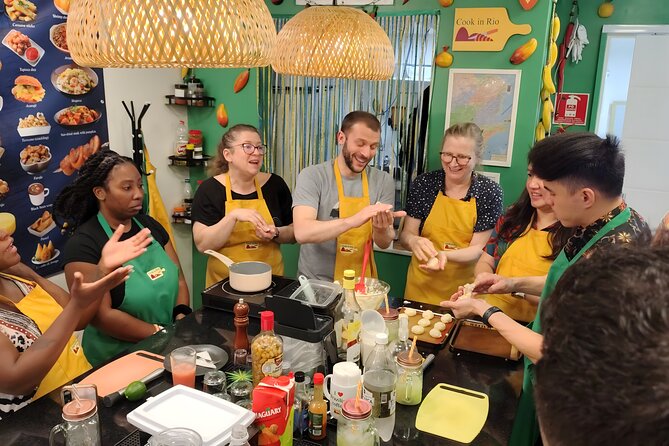
This is a hands-on cooking class with a local culinary host. That single detail changes the feel completely. Watching food videos does not teach you how dough behaves. Shaping croquettes does. Frying teaches you timing. And learning how to balance a drink teaches you that “cocktail” is really about proportions.
The vibe is also part of the value. People describe it as relaxed, like cooking at a friend’s house. The host runs the session with humor and warmth, and you do not feel rushed. In one case, the cook and assistant kept the group moving while still making time for conversation, which is exactly what you want from a small class.
If you are worried you will slow the pace, do not be. Small group size is designed for interaction. You get the kind of help that stops frustration early, and it keeps you confident while your hands are busy.
The Menu Breakdown: What You Learn From Each Street Food

The class works through a full lineup of Rio snacks and comfort bites. Here is what each item typically means in a cooking class, and how it helps you understand Rio food beyond the first bite.
Caipirinha Clássica, Then the Rhythm of the Evening
You start with a Caipirinha Clássica. In a class like this, it is not just about drinking. It is about learning how the cocktail is built: lime, sugar, and cachaça. When you make it yourself, you quickly understand why some versions are sharp and sweet while others taste smooth.
If you are under 18 or you do not drink alcohol, they can make virgin versions of the drinks. That is a big deal for families or anyone who wants the fun without the alcohol.
If this one is full, Rio has these as well:
- Rio de Janeiro: 6-Stop Highlights of Rio with Lunch★ 4.4 · 5,157 reviews
- Christ the Redeemer Entry Ticket by Corcovado Train★ 4.4 · 4,476 reviews
- Rio’s City Tour – Tickets for Christ, Sugar Loaf & Lunch included★ 5.0 · 4,389 reviews
- Full Day: Christ Redeemer, Sugarloaf, City Tour & Barbecue Lunch★ 4.5 · 3,142 reviews
- Rio de Janeiro: Rocinha Favela Walking Tour with Local Guide★ 4.8 · 3,052 reviews
Bolinho de Feijoada, Why Beans Become Comfort Food
Bolinho de Feijoada is a deep-fried bite built from Brazil’s iconic stew flavors. The key lesson here is that Brazilian comfort food often comes from humble ingredients. The class format helps you understand how beans and seasoning can turn into something crispy outside and deeply satisfying inside.
This also ties into one of the best “aha” moments people report. They go in thinking they do not like a certain ingredient, then they learn how it gets handled in the final dish. Even without naming it, the point is clear: technique changes the flavor experience, not just the spice level.
Fried Sardines, Crisp Texture and Real-World Flavor
Fried sardines are another classic street-food target. This dish is a good reminder that street food is about texture and salt-and-crisp balance. When you work on this, you learn to pay attention to coating thickness and frying consistency, because those small choices decide whether the bite stays crisp or turns greasy.
You also get more respect for the vendors who do this all day. It takes repetition to get the timing right, and a class helps you feel what that timing actually means.
Pastel de Carne, Queijo, Palmito, or Mixed
Pastel shows up in several versions: Pastel de Carne, Pastel de Queijo, Pastel de Palmito, or mixed options. In cooking terms, pastel is a lesson in contrast: thin pastry, hot frying, and filling balance.
The useful takeaway for you is how fillings work. If you understand why cheese works differently from heart of palm, you start ordering pastéis smarter when you are walking Rio streets later. You also learn how to handle a delicate wrapper without tearing it or overstuffing it.
Pão de Queijo, The Chewy Tapioca Signature
Pão de Queijo is chewy, warm, and made with tapioca flour. It is a comfort food that many people know by taste, but do not understand until they see the dough come together.
This is one of those dishes that feels simple, but it has a specific outcome. Making it yourself helps you spot the difference between good and mediocre pão de queijo when you see it, especially the chew level and how it rises.
Fried Cassava, Another Crunch Lesson
Fried cassava is often overlooked compared to the flashier snacks. That is exactly why it is included. Cassava frying can teach you how to treat a starchy ingredient so it turns crisp instead of heavy.
It also rounds out the menu so you get more than one “fried pastry or croquette.” You start noticing how different Brazilian snacks fry into different textures.
Coxinha, Shaping and Filling That Makes It Feel Like a Meal
Coxinha is a shredded-chicken croquette, usually shaped and fried to keep the filling juicy. In a hands-on class, the shaping is the real skill.
The bigger lesson is patience and form. When you handle a dish that has to look right, you learn why street food is not random. It is crafted. You also get a better sense of what makes a good coxinha when you see one later, because now you have a memory of the effort.
Cultural Stories You Can Actually Use

The class includes cultural insights and stories behind each dish. Even when you focus on cooking technique, the stories matter. They explain why certain ingredients show up in street food the way they do, and why some snacks are tied to everyday life, not just special occasions.
You also pick up ordering instincts. After spending time making these items, you can better judge when a vendor’s claim matches the dish. That makes your next meal in Rio faster and more confident.
And because the host is local, conversation does not feel like a lecture. People mention that the host, Raiza, kept the mood relaxed and engaging. That kind of hosting matters because cooking classes can turn stiff. Here, it sounds like the goal is learning with laughter.
What Makes This Class a Great Value
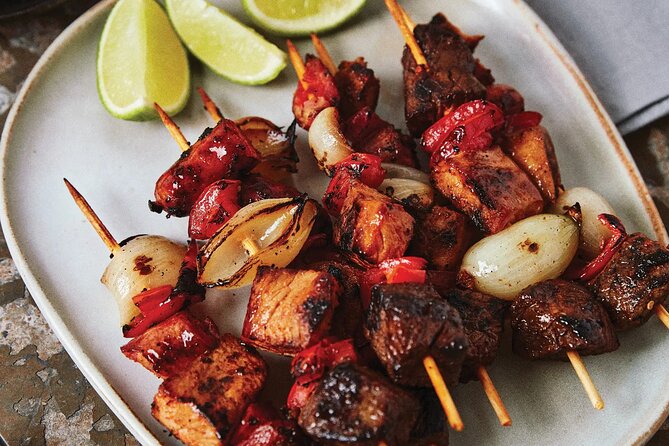
Let’s talk value honestly. You pay $85 for:
- Hands-on cooking with a local culinary host
- Meals built from the menu
- All ingredients and utensils
- Printed or digital recipes
- Alcoholic beverages (with virgin options available)
- Cultural stories along the way
- A welcoming local home or culinary studio setting
If you tried to recreate this yourself, you would still buy ingredients, and you would not get the technique guidance, the timing help, or the recipes. Also, you would likely end up missing the “why” behind the flavor.
The other value angle is time. 3 hours is just long enough to learn, taste, and feel full, without eating up your whole day. It is especially useful if you plan to explore Rio afterward.
Timing, Group Size, and Who It Fits Best

This experience runs for about 3 hours and is hosted in English. The format is great for:
- Couples who want a fun evening with real participation
- Food lovers who like street snacks and want to cook them themselves
- Solo travelers who prefer a small group
- Anyone with limited time who still wants hands-on Rio culture
- Families or teens who can request virgin caipirinha versions
The max group size of 8 people is a quiet superpower. You do not get lost in a crowd. You also get a better chance to ask questions and get corrections early.
One small caution: because there are no transfers included, you will need to handle getting there yourself. If you are staying far from Ipanema or rely on taxis, plan for that cost and time.
What You Leave With: Skills, Recipes, and Ordering Confidence

At the end, you get printed or digital recipes. That is not a throwaway detail. Recipes turn a one-night class into a skill you can practice later.
You also leave with mental shortcuts for ordering:
- You can recognize textures that should be light and crisp
- You understand how different fillings behave
- You know why a caipirinha should taste balanced, not just sweet or sour
And thanks to the class stories, you are not just eating. You are learning how each dish connects to everyday Rio habits.
One more bonus from the atmosphere: the class is described as feeling like dinner with a friend, with lots of chatting while you cook. That makes it a solid pick if you want a social experience without awkward group energy.
Should You Book This Rio Cooking Class?
I think you should book it if you want an efficient, fun way to learn Rio street food from the inside. It is best for people who like to do more than watch, and who enjoy the mix of hands-on cooking plus a classic cocktail start.
I would pass if you are specifically looking for a long street-food crawl across multiple markets and neighborhoods. This is a cooking-focused experience in a welcoming local setting, and the payoff is in the menu skills you gain, not in wandering Rio all night.
If you are on the fence, here is the simple test: do you want to come home able to make (or at least order) caipirinha and several iconic bites with more confidence? If yes, this class is a strong choice for your Rio time.
FAQ
How much does the hands-on cooking class cost?
It costs $85.00 per person.
How long is the experience?
The class runs for about 3 hours.
Where do I meet, and where does it end?
You meet at R. Visc. de Pirajá, 281 – Ipanema, Rio de Janeiro, RJ 22410-001. The experience ends back at the meeting point.
Is it in English, and will I get a ticket on my phone?
Yes, it is offered in English. It uses a mobile ticket.
Are meals and drinks included?
Yes. Meals are included, along with alcoholic beverages. If you do not drink alcohol, you can request virgin versions of the drinks.
Can the class accommodate food allergies or intolerances?
Yes, they can accommodate allergies or intolerances if you let them know in advance.
What if I need to cancel?
You can cancel up to 24 hours in advance for a full refund. If you cancel less than 24 hours before, the amount paid is not refunded.
Recently added around Rio






Workshops, compared.




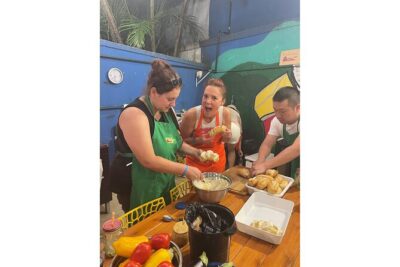
Brazilian BBQ Class in Rio (3.5h): 10 Recipes & Bottomless Drinks
Read our review →

More of this kind of Rio day