
Reviewed · GUIDED FAVELA TOURS
Favela Tour
Favela tours are touchy, because expectations matter. This one is interesting because you spend about 4 hours in Rocinha with a guide, walking local streets and seeing how social projects work up close. I like the small group size and the chance to meet people involved in community arts and projects like Capoeira. One drawback to consider: the tour can feel light on explanation, and English support may vary by guide, so ask questions early.
You start in Copacabana, with pickup options and a return to the same area, so you are not stressing about transport after. The pacing suits people with moderate physical fitness, but it is still a walking day, plus optional moto taxi rides for the steeper parts. If you want a long lecture on history and culture, you may need to choose a different style of tour or talk closely with the guide during the day.
In This Review
- Key takeaways before you go
- What you get in 4 hours for $55 in Rocinha
- Pickup from Copacabana and getting to the hill
- Rocinha street walking, artists, and Capoeira projects
- Optional moto taxis, a restaurant pause, an art studio, and a school stop
- English guidance and expectations: make it work for you
- Getting ready: fitness level, walking, and comfort
- Should you book the Favela Tour to Rocinha?
- FAQ
- How long is the Favela Tour in Rocinha?
- Where does the tour start in Rio?
- Is pickup included?
- What language is the tour offered in?
- How many people are on the tour?
- What does the tour include once you reach Rocinha?
- Is an admission ticket included?
- Is the moto taxi ride required?
- What fitness level do I need?
- What is the cancellation policy?
- Do I need a paper ticket?
Key takeaways before you go
- Max 14 people: You keep a more personal group feel instead of a large bus tour.
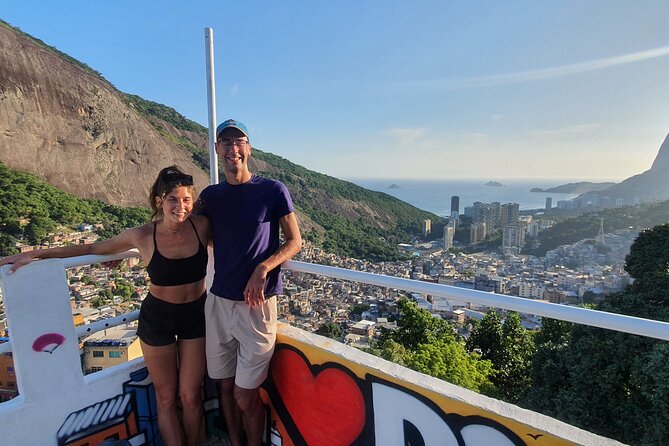
- Rocinha street walking: Expect streets, alleys, and lanes, not a drive-by.
- Community access: You visit spaces connected to local artists and social projects such as Capoeira.
- Optional moto taxi: You can trade walking uphill for a quick ride when offered.
- English is available, but confirm it: The tour is offered in English, though the guide mix can affect how much you understand.
- About 4 hours total: Plan the rest of your day lightly, with time to reset afterward.
Other guided walks through the favelas:
- Rio de Janeiro: Rocinha Favela Walking Tour with Local Guide
★ 4.8 · 3,052 reviews - Rio De Janeiro: Half-Day Rocinha Favela Walking Tour
★ 4.7 · 2,272 reviews - 3 Hour Rocinha Favela Walking Tour with a Local Guide
★ 5.0 · 833 reviews - Favela Tours
★ 5.0 · 660 reviews
What you get in 4 hours for $55 in Rocinha
At $55 per person for about four hours, the value is not in a fancy ride or a long museum-style script. The value is in access and time: guide, transportation, entry included, and a route that gets you walking through Rocinha rather than hovering outside it. The tour also includes an admission ticket, so part of what you pay is tied to getting into specific community spaces.
The biggest strength is simple: you are not just looking at Rocinha from a distance. You are moving through it, meeting people tied to local art and social programs, including Capoeira. That matters because it shifts the visit from viewing a neighborhood to understanding it through the lens of community work and daily life.
The fair warning is about expectations. Some parts of the day can feel more like visits to places than like a deep, structured cultural lesson. If you are the type who needs a detailed timeline of history and social context to feel satisfied, go in ready to ask follow-up questions as you walk, not only at the start.
Pickup from Copacabana and getting to the hill
Your day starts in Copacabana. The stated meeting point is in front of Copacabana Palace hotel, and pickup can also happen at your hotel or flat in Copacabana. The pickup window is usually 30 to 60 minutes before the tour start time, with the exact time confirmed when you reconfirm.
The meeting point is also described as near public transportation. That is useful if you decide not to rely on pickup, or if you want a backup plan in case of a busy pickup route. The tour ends back at the same meeting point, which keeps things tidy when your day is finished.
Practical tip: if you are staying in Copacabana, use the pickup option when you can. It removes one more variable on a day that already includes uneven sidewalks and changes in elevation.
Rocinha street walking, artists, and Capoeira projects
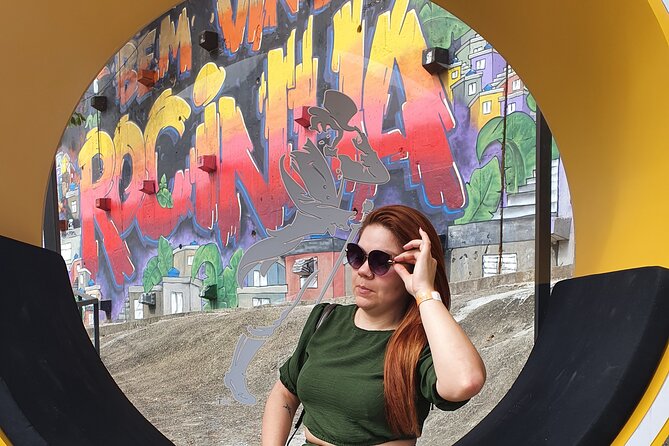
The core of the tour is the walk through Favela da Rocinha. You move along streets, alleys, and lanes with your guide, which changes the feel immediately. A neighborhood like this is not meant to be experienced from behind a windshield, and the walking route is what makes the visit real.
You also stop at community-linked places tied to local artists and social projects. Capoeira is specifically mentioned, which is a big clue about what the guide may focus on. Capoeira is not just performance; it connects movement, music, and cultural identity. When a tour includes a Capoeira-linked stop or conversation, you can often expect the guide to talk about skills, community programs, or how people gather through art.
Another positive: the tour is set up as an access experience, not a photo safari. The goal is to see what is happening and meet people connected to projects. You will likely come away with a clearer sense of how community work shows up in daily spaces, not just in speeches.
One thing to keep in mind: the neighborhood is part of the story. If you are the kind of traveler who needs everything spelled out minute by minute, you might feel frustrated if the guide chooses a more conversational approach. In that case, be proactive. Ask what you are seeing, ask why certain spaces exist, and ask how programs like Capoeira fit into everyday life.
Optional moto taxis, a restaurant pause, an art studio, and a school stop
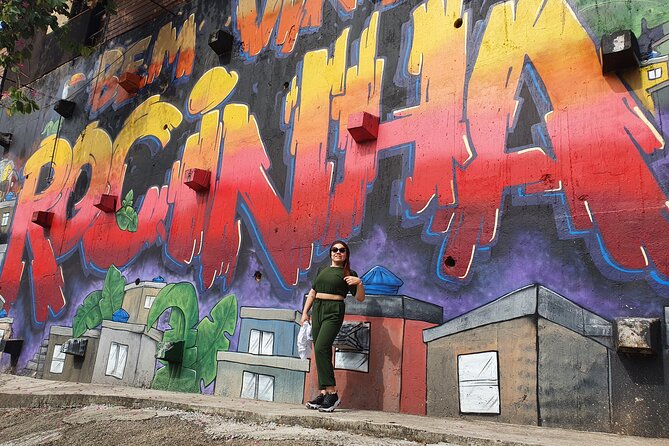
The tour includes transportation and gives you access to sites inside Rocinha, and the route may use mototaxi rides as an optional tool. Optional here matters. It is meant to help with the uphill sections, saving your legs for later walking.
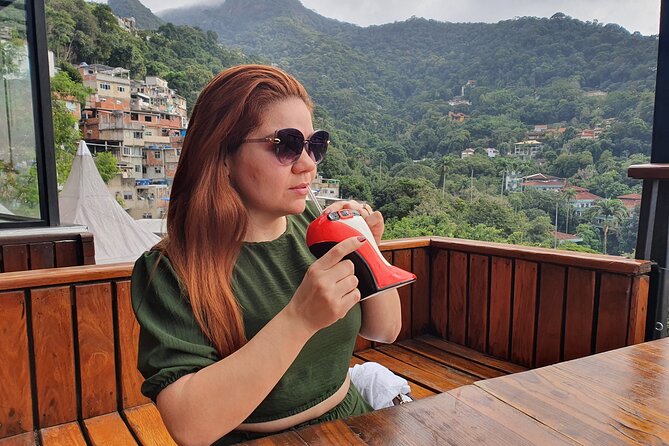
One common rhythm described is: you go up by moto taxi to a restaurant area, then spend time sitting and resetting before the walking continues. The guide may share short context at this stage, but for people who want a longer cultural lecture, this is the moment where expectations can mismatch. If you want more explanation, this is when you should ask early, while the group is together and you have a chance to redirect the conversation.
After that, you can expect time at an art studio, plus more walking downhill. In at least one described flow, the tour also includes a stop at a school. That combination can be powerful if you are paying attention to how art and learning spaces connect to community life. It can also feel short if you expected a deep dive into history and systems.
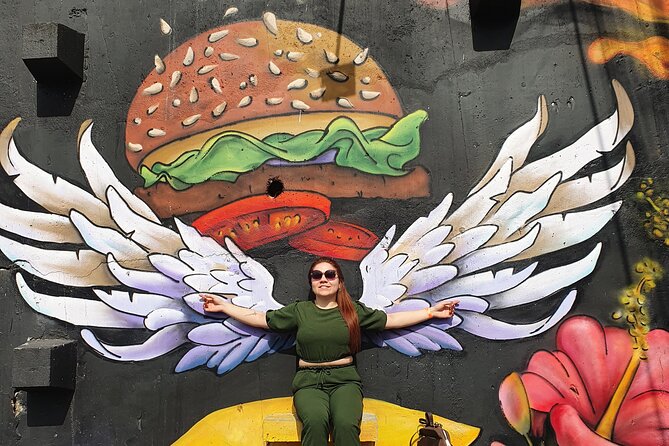
Here is the value in how these stops are arranged: you see a sequence of community spaces rather than one single viewpoint. Art studio time can show creativity in action, and a school stop can add a sense of what education and youth programs look like on the ground.
English guidance and expectations: make it work for you

The tour is offered in English, but the day experience depends on who your guide is and how the group is composed. One review mentioned an English gap when only one guide spoke English, and the person felt the tour content was too brief for the cultural education they wanted. You should take that as a reminder to plan smart.
Before you go, do not just assume the experience will match your learning style. Ask questions you actually care about:
- How much time is set aside for history and context versus walking and visits?
- Will the guide explain what you are seeing at each stop, or mostly during transitions?
- If English support is mixed in your group, what is the best way to ask follow-up questions during the day?
If you prefer a tour that feels like a guided classroom, this may not be the best fit unless you actively steer the conversation. If you prefer a guided walk with real community stops, and you are curious enough to ask and listen, you will probably enjoy it more.
Also, there is a friendly operational detail to note. In a response related to language concerns, the provider referenced a guide named Anderson and offered to help make the experience feel right. That suggests the company is aware of language expectations and is trying to improve when things do not work for someone.
If this one is full, Rio has these as well:
- Rio de Janeiro: 6-Stop Highlights of Rio with Lunch★ 4.4 · 5,157 reviews
- Christ the Redeemer Entry Ticket by Corcovado Train★ 4.4 · 4,476 reviews
- Rio’s City Tour – Tickets for Christ, Sugar Loaf & Lunch included★ 5.0 · 4,389 reviews
- Full Day: Christ Redeemer, Sugarloaf, City Tour & Barbecue Lunch★ 4.5 · 3,142 reviews
- Rio’s Full Day: Selarón Steps, Christ & Sugarloaf – Tickets & Lunch Included★ 5.0 · 2,724 reviews
Getting ready: fitness level, walking, and comfort
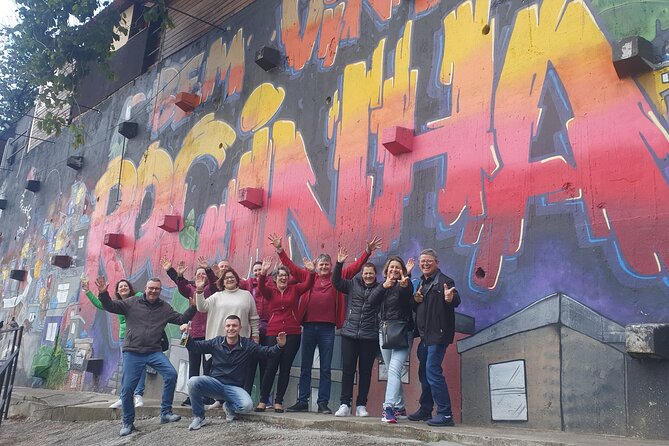
The tour calls for a moderate physical fitness level. That does not mean you need to be an athlete, but it does mean you should expect uneven terrain, steps, and hill walking. Even with moto taxi options, you will still be moving through streets and lanes.
Pack for comfort, not for style. Wear walking shoes you trust on rough pavement. Bring water, and plan for sun and shade because neighborhoods are exposed in many areas. A light layer helps too, since coastal weather around Copacabana can shift during the day.
One more practical angle: the group max is 14. Smaller groups can mean easier conversation, but it also means the guide may adjust explanations based on the pace and comfort level of the group. Tell your guide early if you want more context and if there are any physical limits.
Should you book the Favela Tour to Rocinha?
Book it if you want a half-day walking experience in Rocinha with community access, local art connections, and a chance to see Capoeira-linked social work. At $55 with an admission ticket included and a small group size, it can be strong value when your goal is to meet the neighborhood through real places, not just to collect landmarks.
Skip or choose something else if you want a long, structured, education-heavy lesson with detailed history at every stop. In that case, this tour may feel like it moves faster than your preferred learning pace.
If you do book, do one simple thing: arrive ready with questions. Ask for context as you walk, and you will get more out of the day than if you wait for the perfect explanation moment.
FAQ

How long is the Favela Tour in Rocinha?
The tour is about 4 hours.
Where does the tour start in Rio?
The meeting point is in front of Copacabana Palace hotel. The listed start address is Hotel Rio Othon Palace, Av. Atlântica, 3264, Copacabana.
Is pickup included?
Pickup is offered. It typically starts about 30 to 60 minutes prior to the tour time, and the exact pickup time is advised on reconfirmation. Pickup is also available in your hotel or flat in Copacabana.
What language is the tour offered in?
The tour is offered in English, and confirmation is provided at booking.
How many people are on the tour?
The tour has a maximum group size of 14.
What does the tour include once you reach Rocinha?
You walk through Favela da Rocinha and visit stops connected to local artists and social projects such as Capoeira.
Is an admission ticket included?
Yes. An admission ticket is included.
Is the moto taxi ride required?
No. Mototaxi is described as optional.
What fitness level do I need?
You should have a moderate physical fitness level for the walking route.
What is the cancellation policy?
This experience is non-refundable and cannot be changed for any reason.
Do I need a paper ticket?
No. The tour uses a mobile ticket.
Recently added around Rio






Guided Favela Tours, compared.


3 Hour Rocinha Favela Walking Tour with a Local Guide
Read our review →
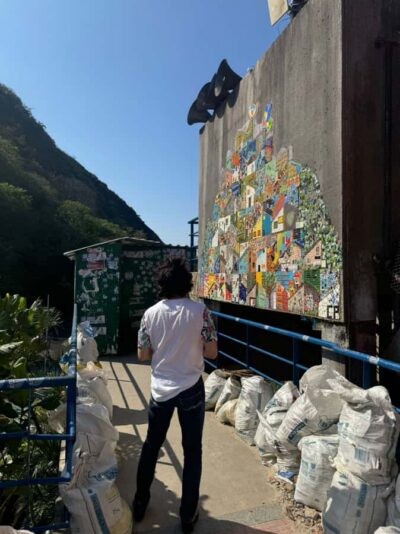
Favela Tour Rio de Janeiro – Vidigal Walking Tour by Russo Guide
Read our review →
More of this kind of Rio day