
Reviewed · GUIDED FAVELA TOURS
Favela Santa Marta: Walking Tour with local guide
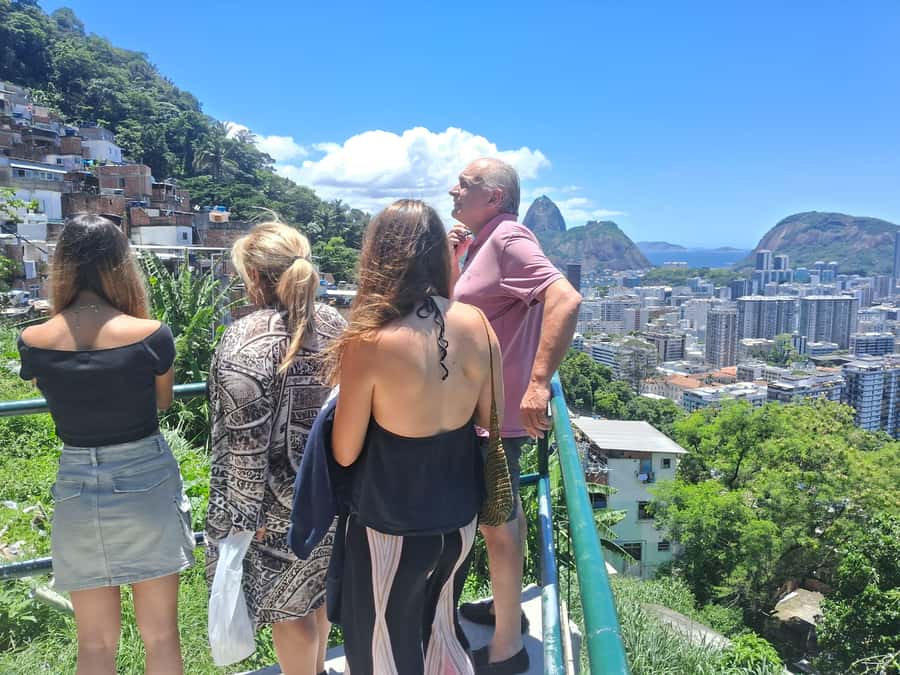
Dona Marta changes your mind fast. You start with a funicular ride up into the favela of Dona Marta, then you walk with an official guide who focuses on daily life, history, and community projects, not stereotypes. I especially like two things here: the local resident guide perspective and the planned stops around real places like the Dona Marta arts center, the sports center, and the street art murals. One drawback to keep in mind is that if the Santa Marta cable car is down, you’ll either have to walk uphill with your guide or take a taxi.
Language and guide quality matter on a tour like this. If you book for French, you can be in good hands with guides such as Marco, who was praised for his clear French and friendly style. Also plan for a walking pace and shoes that handle uneven streets, because this activity is not suitable for people with mobility impairments.
In This Review
- Key Things That Make This Tour Worth Your Time
- Starting at Dona Marta, Then Seeing the Neighborhood Up Close
- The Funicular Up Top, and How the 150 Minutes Feel in Real Life
- Walking Through Colorful Homes With Real Context
- Dona Marta Arts Center and Street Art Stops You Can Understand
- Sports Center, Social Projects, and Daycare When Open
- Laje do Michael Jackson Viewpoint and the Pop Culture Thread
- Handcraft Shops and the Residents Association Role
- Price and Value: Is $34 a Fair Deal?
- Practical Tips: What to Bring and What Can Change
- Language Options and What They Mean for Your Tour
- Who This Tour Suits Best, and Who Should Skip It
- Should You Book Favela Santa Marta With a Local Guide?
- FAQ
- How long is the Favela Santa Marta walking tour?
- How much does it cost?
- What languages are available for the live guide?
- What stops are included during the tour?
- Is food included in the price?
- What should I bring?
- What happens if the Santa Marta Cable Car is not running?
- Does the tour run in light rain?
- Is the tour suitable for people with mobility impairments?
Key Things That Make This Tour Worth Your Time
- Funicular start at the top, so you begin with a big view, not just stairs
- Stops you can tie to real routines, including an arts center and a sports center
- Laje do Michael Jackson viewpoint, connected to the They Don’t Care About Us video
- Community projects and social programs, including a daycare visit when it is open
- Handcraft shops and resident association, so you see where locals organize and earn
- Small group options and multilingual guides, including English, French, Spanish, and Portuguese
Other guided walks through the favelas:
- Rio de Janeiro: Rocinha Favela Walking Tour with Local Guide
★ 4.8 · 3,052 reviews - Rio De Janeiro: Half-Day Rocinha Favela Walking Tour
★ 4.7 · 2,272 reviews - 3 Hour Rocinha Favela Walking Tour with a Local Guide
★ 5.0 · 833 reviews - Favela Tours
★ 5.0 · 660 reviews
Starting at Dona Marta, Then Seeing the Neighborhood Up Close
This is a walking tour built around a very specific idea: you don’t learn about Dona Marta from a distance, you learn by moving through it with someone who knows the streets and the people. You begin at the Dona Marta area, take the funicular up to the highest point (when it is running), and then the tour becomes a street-by-street introduction.
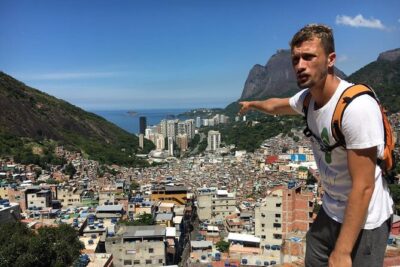
Right away, the contrasts that people expect to see start to fall apart. The tour routes you past colorful homes and street art, and it frames what you’re looking at through the stories of residents and community programs. You’ll also hear how many people live here, roughly 8,000, which helps you understand that this is not a set or a concept, it’s a real neighborhood with real routines.
The walking part is essential. You are not just taking photos. You’re getting guided context for what you see, from housing and community projects to where residents spend time.
The Funicular Up Top, and How the 150 Minutes Feel in Real Life
You have about 150 minutes total, and the tour feels like a focused half trip rather than an all-day excursion. The funicular ride helps set the tone because you begin at altitude, and the view across the mountains gives you an immediate sense of scale.
Once you start walking, expect a steady pace for 150 minutes. The route is designed to connect a series of meaningful stops, including the arts and sports centers and the Laje viewpoint. This is also why comfortable shoes are not a “nice to have.” The tour includes uneven paths and streets, and you’ll be happier if your footwear is grippy.
Here’s the practical thing to remember: this tour is not suitable for mobility impairments. If you need step-free routes or a very slow pace, you’ll likely struggle with the walking and the terrain.
Walking Through Colorful Homes With Real Context
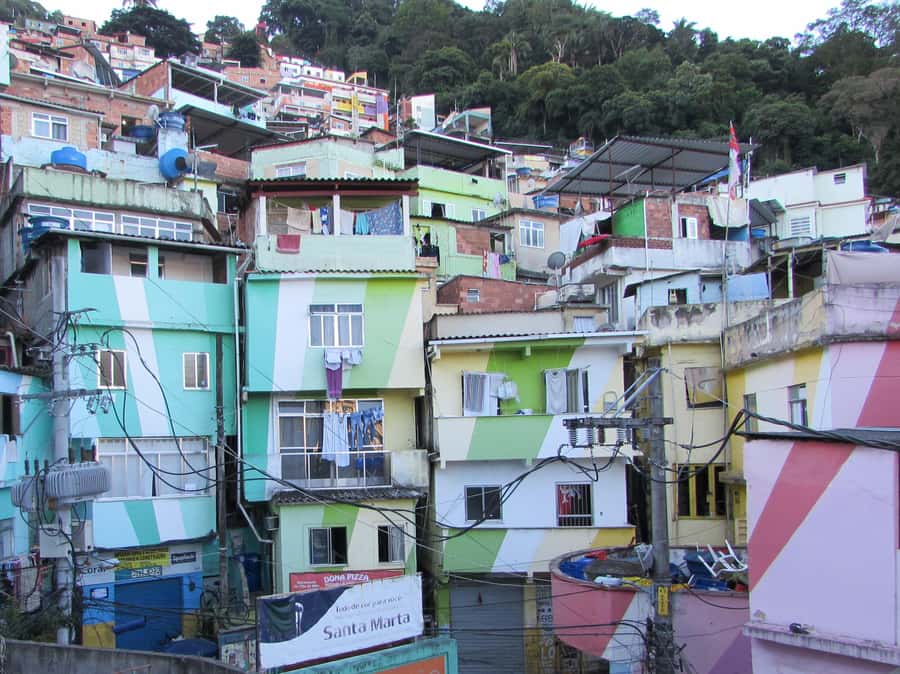
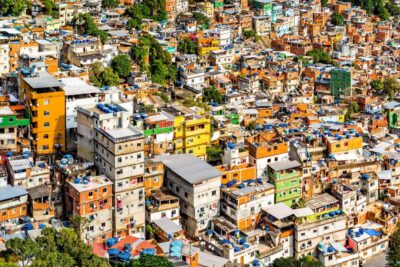
The heart of the experience is the guided walk through Dona Marta’s streets. Your guide talks about the history of the colorful houses and what life looks like for the people living there. This part is often what separates a meaningful neighborhood visit from a quick sightseeing walk.
What I like about this approach is that it tackles the stereotypes people bring with them. Instead of denying the existence of hardship anywhere, the tour places emphasis on what residents have built and how community projects support daily life.
As you walk, pay attention to how your guide connects the physical details, the colors, and the murals to the community’s effort and creativity. Even if you have never been to a favela, you’ll likely come away with a better sense of how people organize schooling, arts, and sports locally. That context is what makes the later viewpoint stops feel more than just scenic.
Dona Marta Arts Center and Street Art Stops You Can Understand
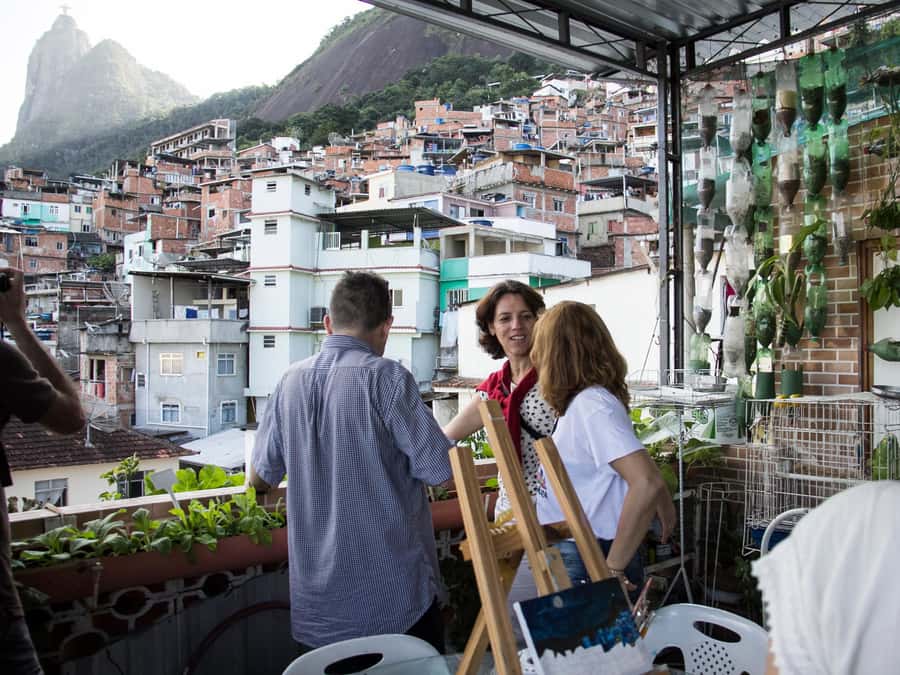
One of the main planned stops is the Dona Marta arts center. This is where the tour shifts from streets you see from the outside to spaces created by the community itself. You’ll learn what kinds of projects run there and why arts can matter so much in a place where opportunities can be limited.
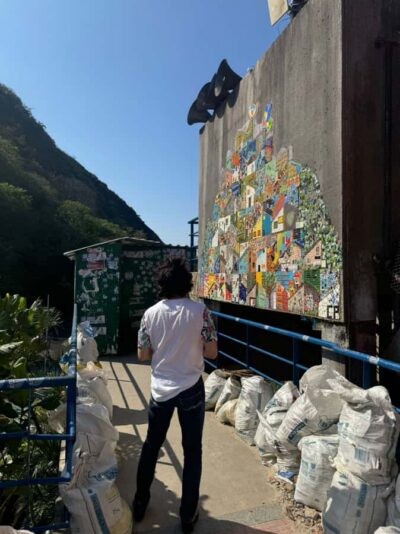
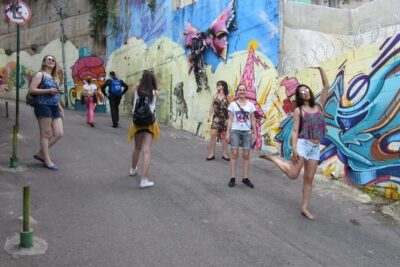
You’ll also see street art murals. The key value here is that the guide explains the meaning and the neighborhood context, not just the aesthetics. That matters because street art can look like random decoration when you do not know how it fits into local identity.
These arts-related moments are often the most memorable for first-time visitors. They show you a side of the neighborhood that is usually left out of quick, surface-level narratives. And because the tour keeps moving, you’re not stuck waiting around, you’re getting a sequence of scenes with explanations.
Sports Center, Social Projects, and Daycare When Open
After the arts stop, you continue to the sports center. This is another of the tour’s “this is real life” anchors. A sports center in a neighborhood like Dona Marta is not just about play. It’s a social hub where kids and families can connect, stay active, and build routines.
The tour also includes social projects and you may visit the residents’ association, which gives the experience an added layer: you see how community groups organize beyond the visible street scenes. Depending on the day, you might also stop at the community daycare when it is open.
A small caution comes from experience you should expect on real tours: community schedules do not always line up with a perfect itinerary. One booking noted that a music-school visit did not happen, even though percussions could be heard, and the explanation was that the activity was later in the day. So if you are hoping for every single planned activity, keep expectations flexible. The broader focus is still community life through the official stops and ongoing projects.
More of Rio covered on foot:
- Favela Tour Rio de Janeiro – Vidigal Walking Tour by Russo Guide★ 5.0 · 377 reviews
- Rio de Janeiro Historical Center Walking Tour★ 4.5 · 336 reviews
- Private Walking and Cultural Tour Rocinha-Rio de Janeiro★ 5.0 · 239 reviews
- Rocinha favela walking tour with a local guide★ 5.0 · 193 reviews
- Sunrise and Sunrise Walk Two Brothers with Local Guide★ 5.0 · 193 reviews
Laje do Michael Jackson Viewpoint and the Pop Culture Thread
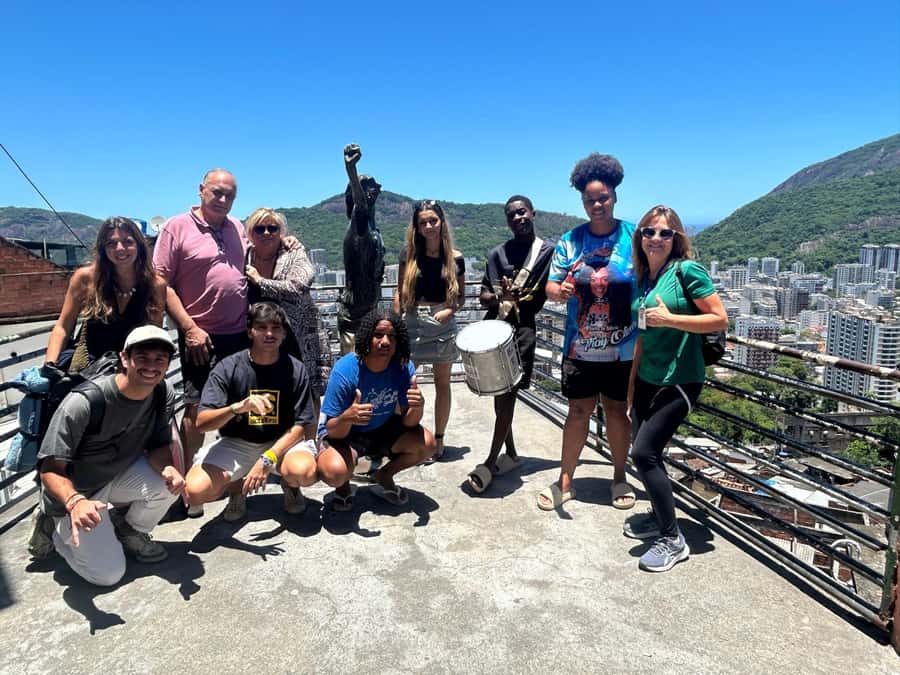
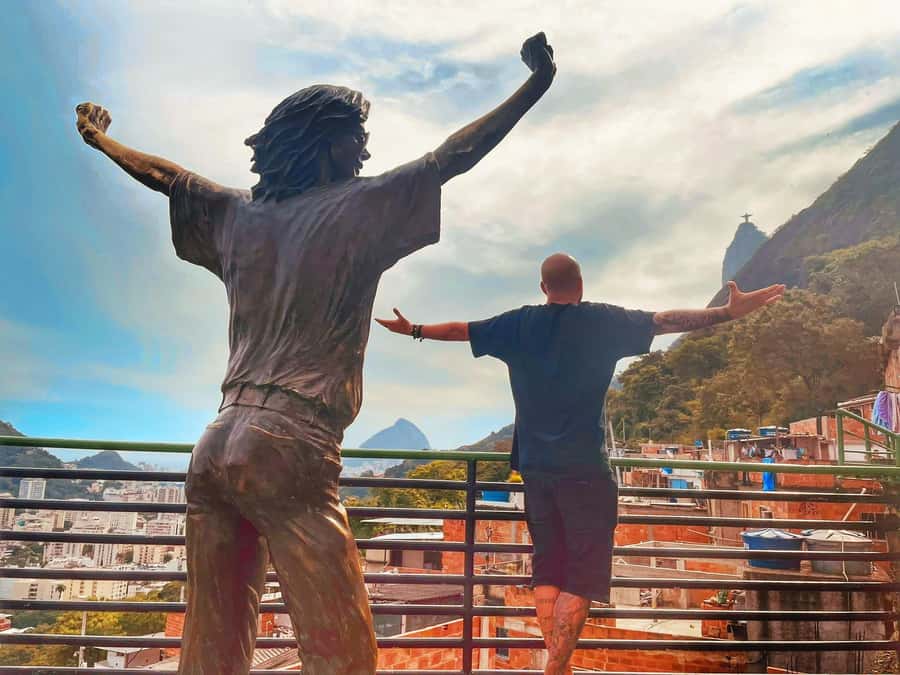
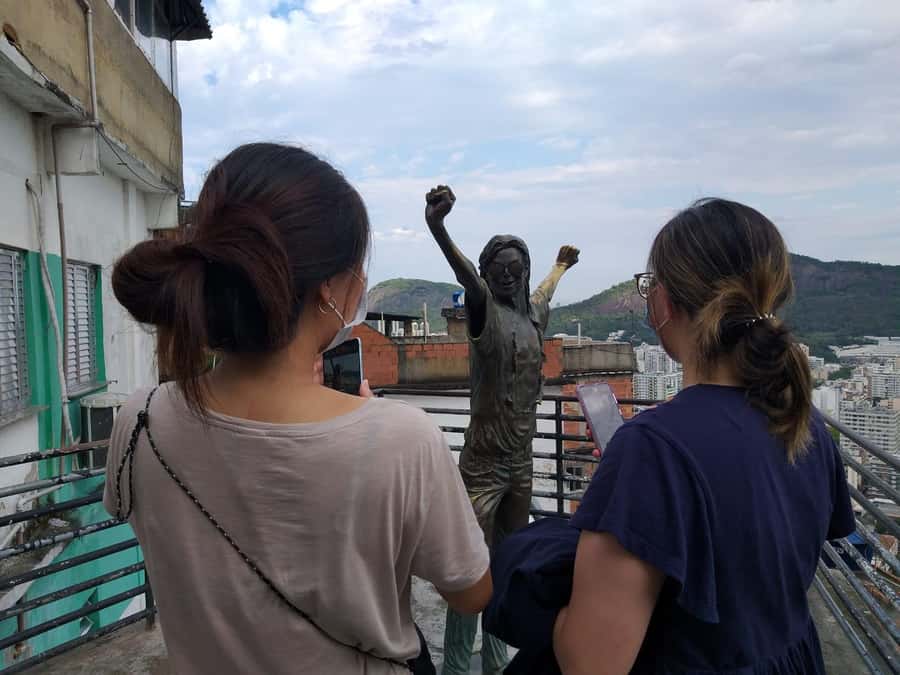
The Laje do Michael Jackson viewpoint is a highlight for a reason. You visit a statue connected to Michael Jackson’s song They Don’t Care About Us, specifically the setting tied to the video.
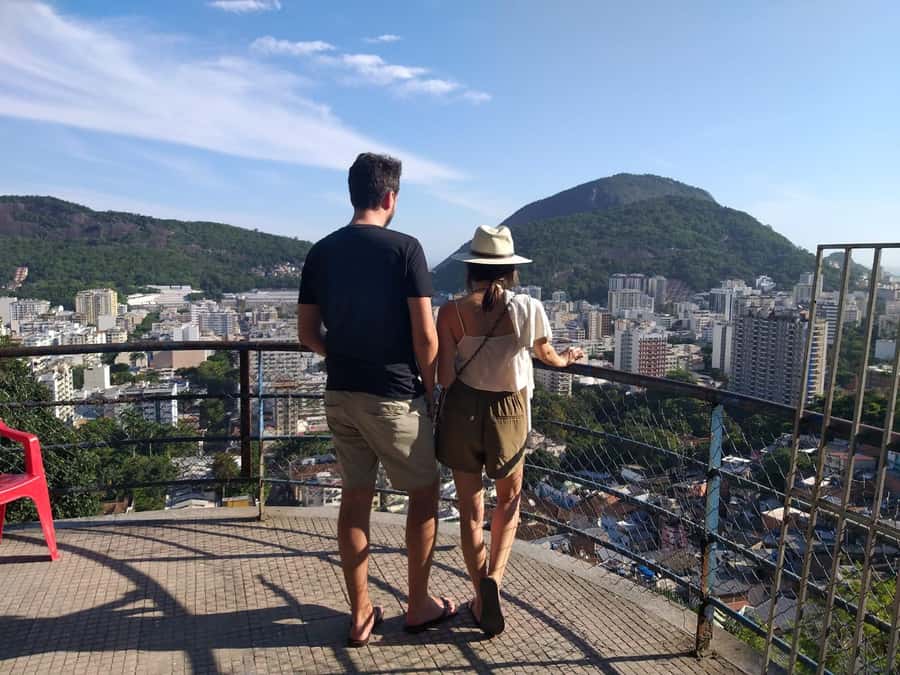
What makes this stop interesting is how the tour uses it as a bridge between global pop culture and local place. The viewpoint is also where you get a spectacular view across the mountains and region. That view is not an afterthought. It helps you understand how Dona Marta sits into the hills and why the streets and homes are arranged the way they are.
If you like photo moments, bring your camera, but don’t treat this as just a quick stop. Use it as a chance to pause, take in the scale, and listen to how your guide frames what you’re seeing.
Handcraft Shops and the Residents Association Role
The tour includes a visit to handicraft shops. This is where your visit can become more than observation. If you want souvenirs, this is the place where local makers are part of the flow.
The tour also includes a stop at the residents’ association and social projects. That helps answer an important traveler question: who runs the show day to day? Even without getting a formal lecture, you’ll see the social side of how residents organize and support community efforts.
One practical tip for this part: bring cash if you want to buy souvenirs or anything else in local stores. The tour does not include food, but there are chances to purchase drinks and snacks, and handicraft stops can involve purchases too.
Price and Value: Is $34 a Fair Deal?
At $34 per person, this tour is priced like a serious guided experience, not a bare-bones walk. The value comes from three things you often pay for elsewhere: a professional, official guide; visits to multiple community spaces (arts center, sports center, and the residents’ association); and a route that includes a cable car element when it is operating.
You are also paying for the local resident perspective. The tour is not just a translator voice, it’s structured around a guide who can explain what you’re seeing from the inside, including how projects support residents. That is hard to recreate on your own because it depends on context and relationships.
The only way the value drops is if you are not aligned with the experience style. If you expect only short photo stops, you might feel it’s too guided and walking-heavy. If you expect a purely “entertainment” experience, you might be disappointed. But if you want to understand how Dona Marta works through community institutions and resident stories, the $34 feels like a solid match.
Practical Tips: What to Bring and What Can Change
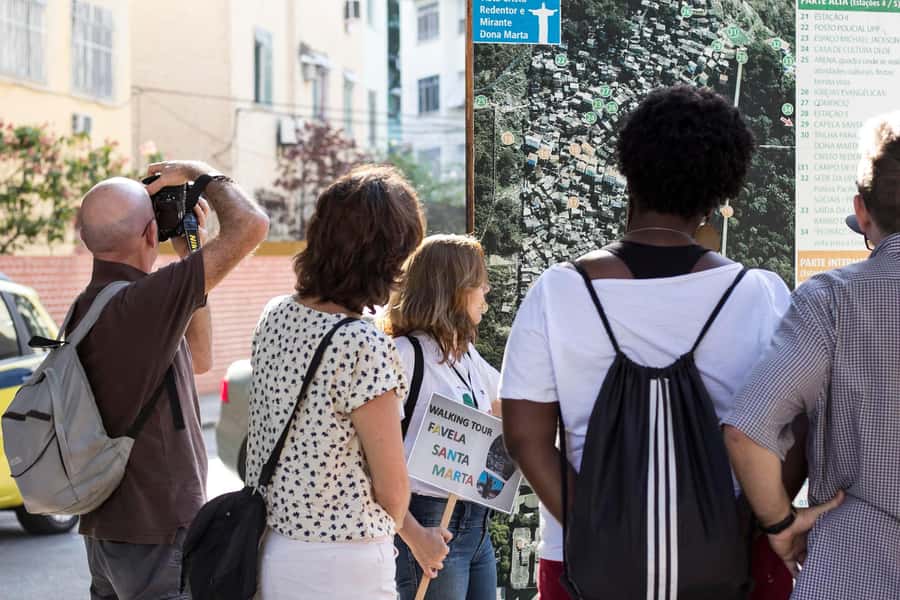
This tour has a few easy preparation steps that will make your day smoother.
Bring:
- A passport or ID card
- Comfortable shoes
- Cash for souvenirs, food, or drink
Expect rain possibility. The tour can take place in light rain, so dress accordingly. You don’t need rain gear for a storm, but you should plan for damp ground and less comfortable walking if the weather shifts.
Also prepare for the cable car scenario. If the Santa Marta Cable Car is not operating on the day of your tour, you’ll have to walk to the top of the favela with your guide. Alternatively, you can take a taxi, about R$ 15.
Meeting point can vary depending on the option you book. So double-check your specific pickup instructions when you confirm your tour.
Finally, I suggest treating the experience like a cultural visit, not a drive-by. You’ll be happier if you walk with patience, listen closely, and keep your questions respectful.
Language Options and What They Mean for Your Tour
The tour offers live guide service in English, French, Spanish, and Portuguese. That matters because this is not a “read a sign” type of trip. Explanations are central, especially for the history of the houses and the meaning behind arts and community projects.
A caution from one disappointing booking: in one case, the guide arrived late and the French being spoken was limited, leading to less explanation than expected. That’s not something you can control, but it does underline why it helps to arrive on time and confirm the language you booked.
If you want the best experience, choose the language you feel most comfortable asking follow-up questions in. When you can understand every detail, the stop at the arts center, the sports center, and the viewpoint all click together faster.
Who This Tour Suits Best, and Who Should Skip It
This tour suits you if:
- You want a guided, structured walk rather than a self-guided roaming day
- You like learning how community projects shape daily life
- You want the funicular start and a viewpoint tied to a major pop culture reference
- You prefer small group or private options
You might want to skip it if:
- You have mobility impairments, since the tour is not suitable
- You dislike walking for 150 minutes through uneven neighborhood streets
- You want a food-focused itinerary, since food is not included and you buy what you want
Should You Book Favela Santa Marta With a Local Guide?
If your goal is understanding, this is a good bet. The tour’s strongest feature is how it connects a walk through Dona Marta streets with real stops, like the Dona Marta arts center, the sports center, the residents’ association, and the Laje do Michael Jackson viewpoint. Guides such as Marco were singled out for making the experience feel friendly and clear, especially for French.
Before you book, think about one thing: are you ready for a guided walking route and light flexibility if a specific community activity is not available on the day? If yes, you’ll likely come away with better context, memorable views, and a more human picture of Dona Marta than you’ll get from a quick photo loop.
FAQ
How long is the Favela Santa Marta walking tour?
The tour lasts 150 minutes.
How much does it cost?
It is priced at $34 per person.
What languages are available for the live guide?
The live tour guide is available in English, French, Spanish, and Portuguese.
What stops are included during the tour?
The tour includes a favela walking tour with a local resident guide, visits to the Dona Marta arts center and sports center, street art murals, the Laje do Michael Jackson viewpoint, handicraft shops, and the residents’ association and social projects. A community daycare visit is included when it is open.
Is food included in the price?
No. Food is not included, but you can buy your own food at a pub.
What should I bring?
Bring a passport or ID card, comfortable shoes, and cash.
What happens if the Santa Marta Cable Car is not running?
If the cable car is not operating, you will walk to the top of the favela with your guide, or you can take a taxi for about R$ 15.
Does the tour run in light rain?
Yes, the tour can take place in light rain, so dress accordingly.
Is the tour suitable for people with mobility impairments?
No, it is not suitable for people with mobility impairments.
Recently added around Rio




Guided Favela Tours, compared.
3 Hour Rocinha Favela Walking Tour with a Local Guide
Read our review →
Favela Tour Rio de Janeiro – Vidigal Walking Tour by Russo Guide
Read our review →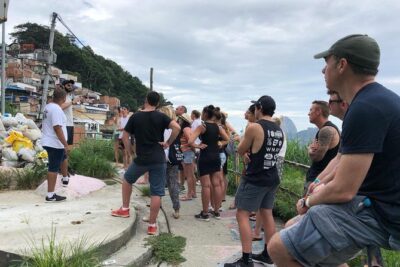
More of this kind of Rio day