
Reviewed · GUIDED FAVELA TOURS
Discover Rocinha: Guided Tour of the Famous Favela
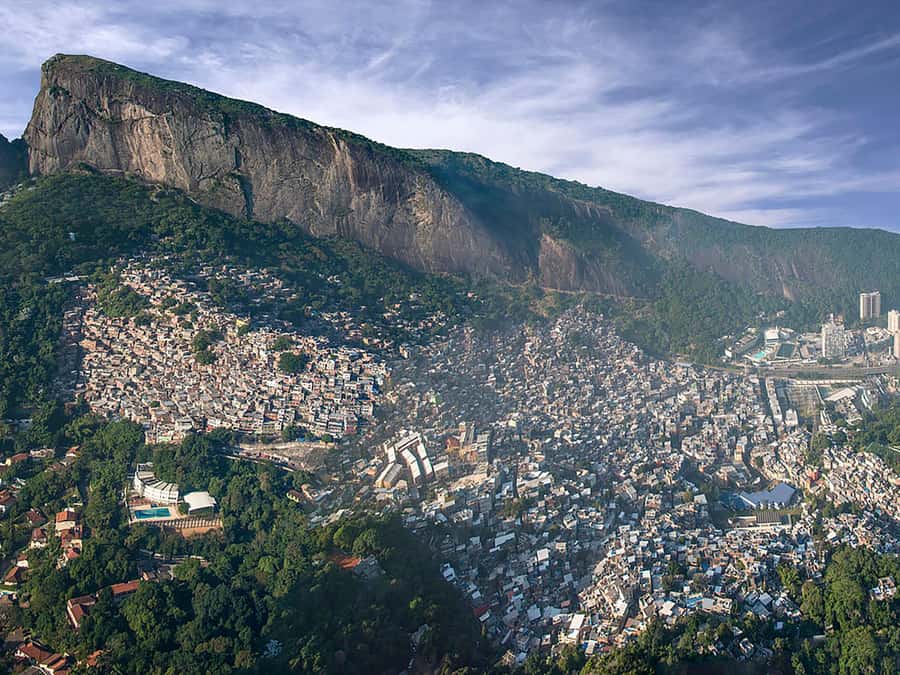
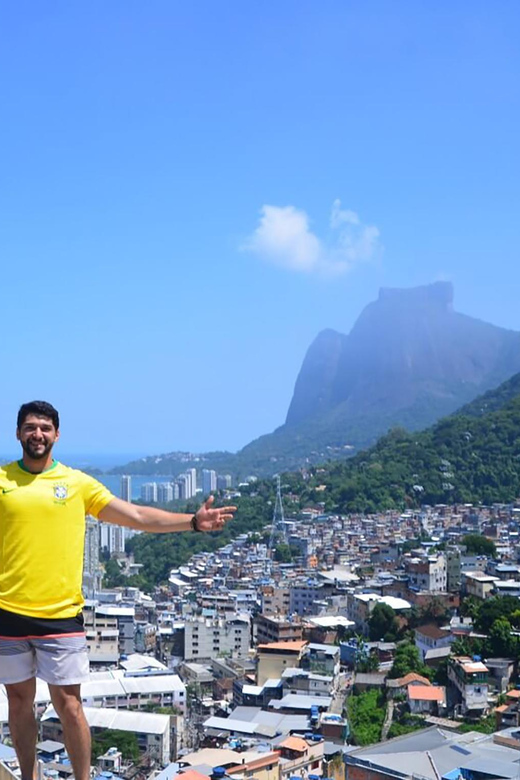
Rocinha gives you a Rio view most people never see. This 3-hour guided walk starts high in the community, with wide city views that frame icons like Christ the Redeemer and Sugarloaf Mountain. I especially liked the photo stops from the favela’s top viewpoints, and the way the guide explains what the street art means.
The one thing to think about is the “climb” part, since the ascent uses a motorbike and costs extra, plus the tour includes walking through tight alleyways.
In This Review
- Key things to know before you go
- Where the tour starts, and how the ride works
- The favela’s highest point view, and why it changes your perspective
- Photo stops on terraces: the best angles, the real contrast
- The motorbike climb, the adrenaline, and the 15 reais add-on
- Winding alleys and resident interaction, the human part of the route
- Murals and graffiti: what the guide explains matters
- Christ and Sugarloaf meets everyday Rocinha: the tour’s “balance”
- Pace, comfort, and what to bring
- Price and value: is $58 a fair deal?
- Who should book Rocinha, and who might skip it
- Final call: should you book this tour?
Key things to know before you go
- Panorama first: you begin at the favela’s highest point for big views of Rio’s landmarks.
- Icon views with local context: Christ the Redeemer, Sugarloaf, and the Ipanema Lagoon come into view from Rocinha.
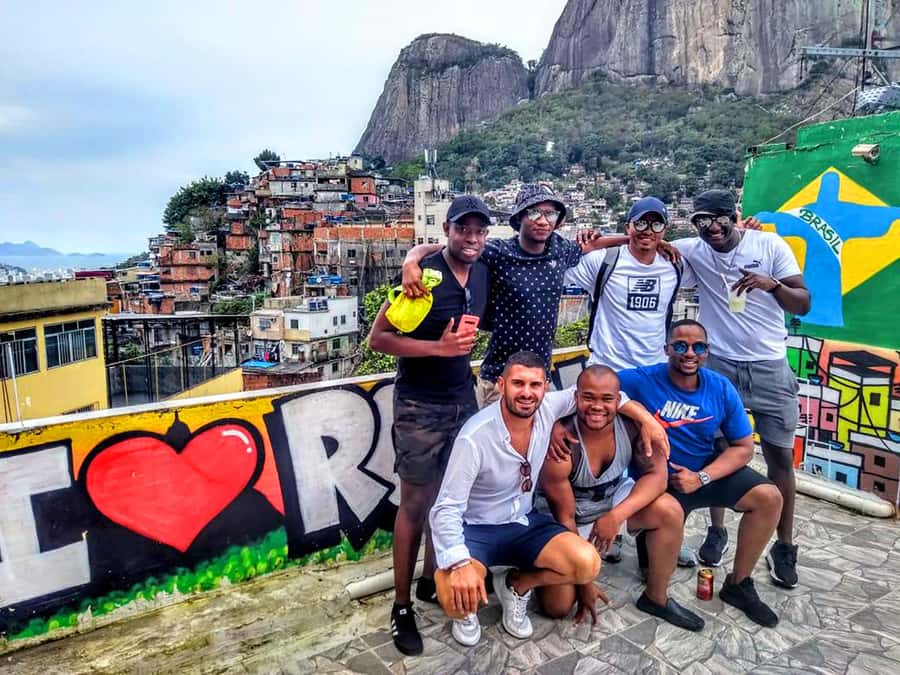
- Terraces for photos: you’ll cross renowned terraces where the contrast between homes and the coastline is the point.
- Street art with explanations: murals and graffiti come with meaning, not just decoration.
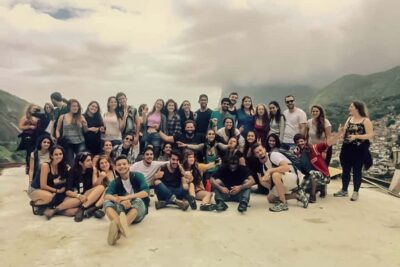
- Shared group tour: it’s not private, and the guide speaks Spanish, English, and Portuguese.
Other guided walks through the favelas:
- Rio de Janeiro: Rocinha Favela Walking Tour with Local Guide
★ 4.8 · 3,052 reviews - Rio De Janeiro: Half-Day Rocinha Favela Walking Tour
★ 4.7 · 2,272 reviews - 3 Hour Rocinha Favela Walking Tour with a Local Guide
★ 5.0 · 833 reviews - Favela Tours
★ 5.0 · 660 reviews
Where the tour starts, and how the ride works

Your experience is built around timing and access, not just sightseeing. The tour includes transportation, with pickup offered from key Rio areas: Copacabana, Ipanema, Leblon, Botafogo, Flamengo, and Lapa. After the tour, you’re dropped off back in those same regions (Lapa, Copacabana, Botafogo, Ipanema, Leblon, Flamengo).
If your pickup details aren’t provided, the default meeting point is Socialtel Lapa, Rua Visconde de Maranguape, 9. During busy periods, you might be directed to a meeting point nearer your hotel to speed things up and avoid traffic.
This matters because in Rio, the route can make or break the day. Starting and ending with organized pickups means you spend less time figuring out how to get around and more time using that limited 3-hour window well. Also, the tour is rain or shine, and the date is chosen by you, so plan on going even if the weather turns.
One more practical note: the tour is shared, so expect a group pace. The provider also notes they’re not responsible for items lost on the bus or van, so keep your essentials secure during transport.
The favela’s highest point view, and why it changes your perspective
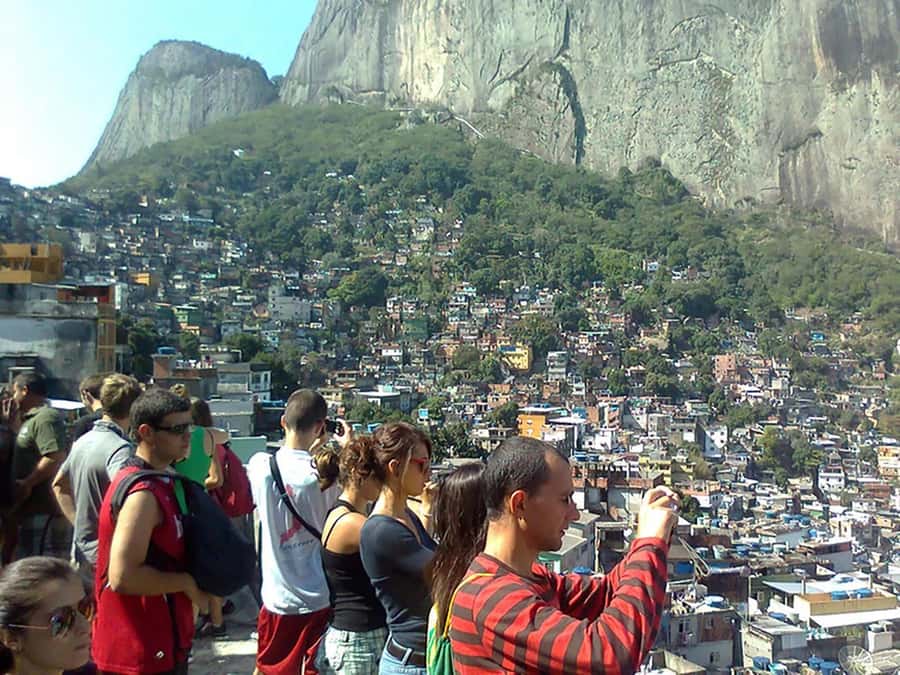
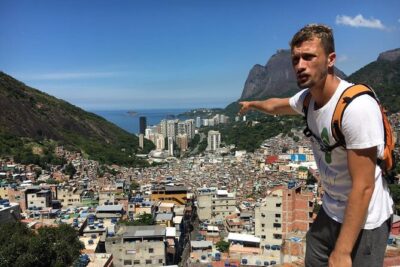
The tour begins in Rocinha at a high point. That setup is smart, because the first payoff is immediate: you look out over Rio before you spend time walking the streets. From here, you can see major landmarks including Christ the Redeemer, Sugarloaf Mountain, and the Ipanema Lagoon. The surrounding mountains and the city spread out below you, so the view isn’t just pretty, it’s explanatory.
I like tours that do more than point at famous sights. Here, the guide’s storytelling connects the view to daily life in the community. You’re not just taking in a postcard view, you’re learning how people experience the city from inside Rocinha.
And that contrast is the theme of the whole tour. From up high, Rio’s grand landmarks sit right beside simpler homes. It’s a real way to understand scale, and it helps you notice details you would miss from the outside.
Photo stops on terraces: the best angles, the real contrast
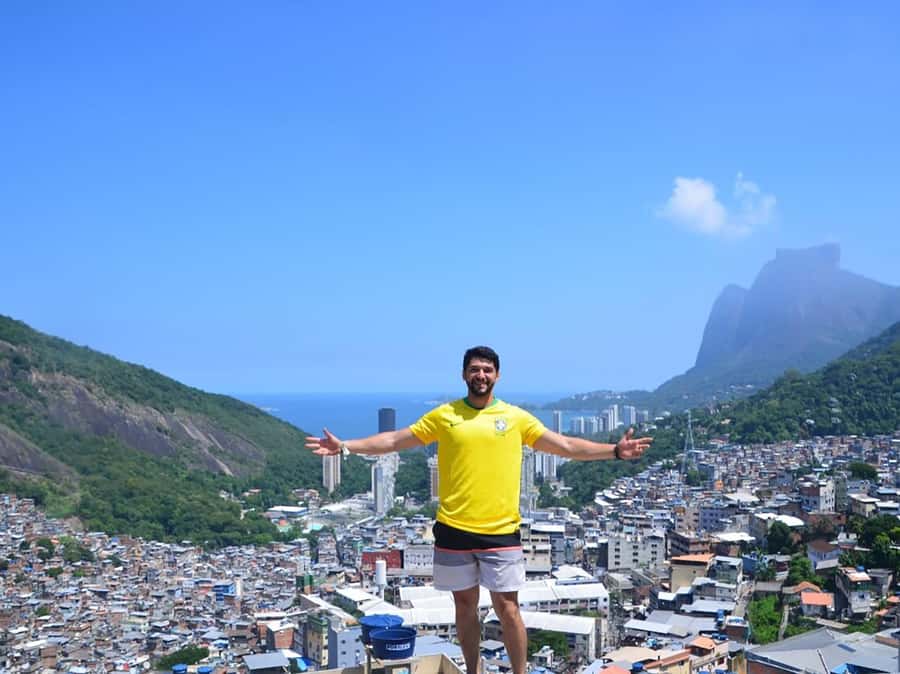
After the opening viewpoints, you’ll cross one of Rocinha’s well known terraces. This is the part built for photos, and it has a clear purpose: it shows you how the community’s layout meets the coastline and mountains.
This stop is useful even if you are not a serious photographer. It’s where you get your bearings, and where you can compare what you see with what you already know from Rio’s main neighborhoods. From the terrace, the colors, the building textures, and the street-level energy all make more sense because you’ve already trained your eye from the top.
The guide will point out what to look for and why it matters, including how the setting affects where people live, work, and move through the area. The result is that your photos become more than images of a hillside. They become evidence of the view plus the context behind it.
The motorbike climb, the adrenaline, and the 15 reais add-on
One of the biggest “make sure you’re ready” details is the ascent. The climb is done by motorbike, and it costs 15 reais. Motorcycle taxis are listed as not included, which means you should expect to pay that fee separately.
A review described this climb as adrenalinica and said it was very fun, with a view that feels incredible from the top. Even if you’re not chasing adrenaline, it helps to know that the ride is part of the tour story, not just a way to get somewhere.
What should you do with that info? If you’re sensitive to motion, or if you prefer to avoid motorbikes, keep your expectations flexible. If you are okay with the ride, the payoff is the views once you reach the higher points, plus the way the rest of the walk flows downhill through tighter streets.
Winding alleys and resident interaction, the human part of the route
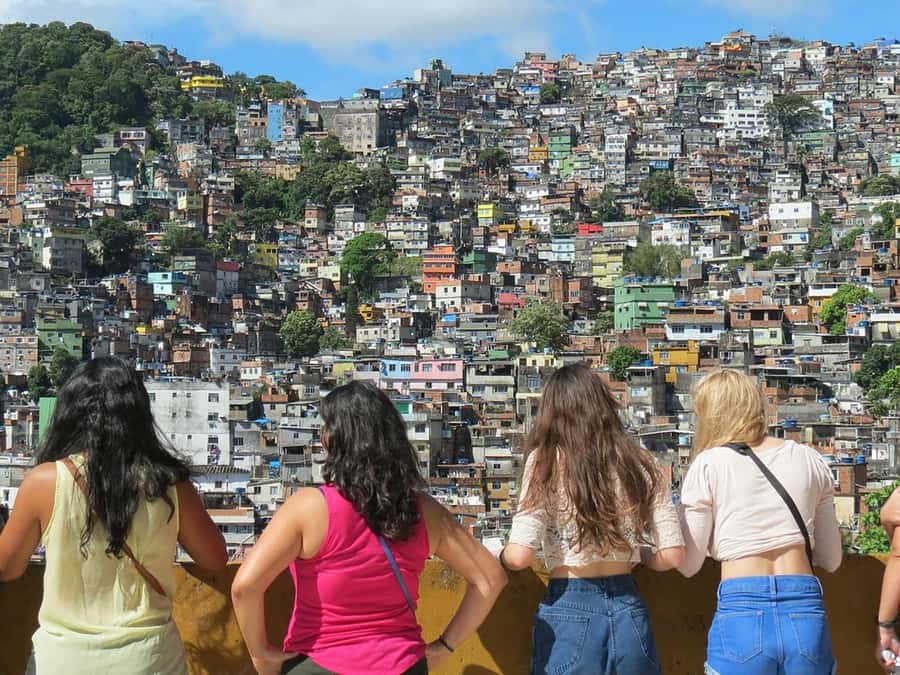
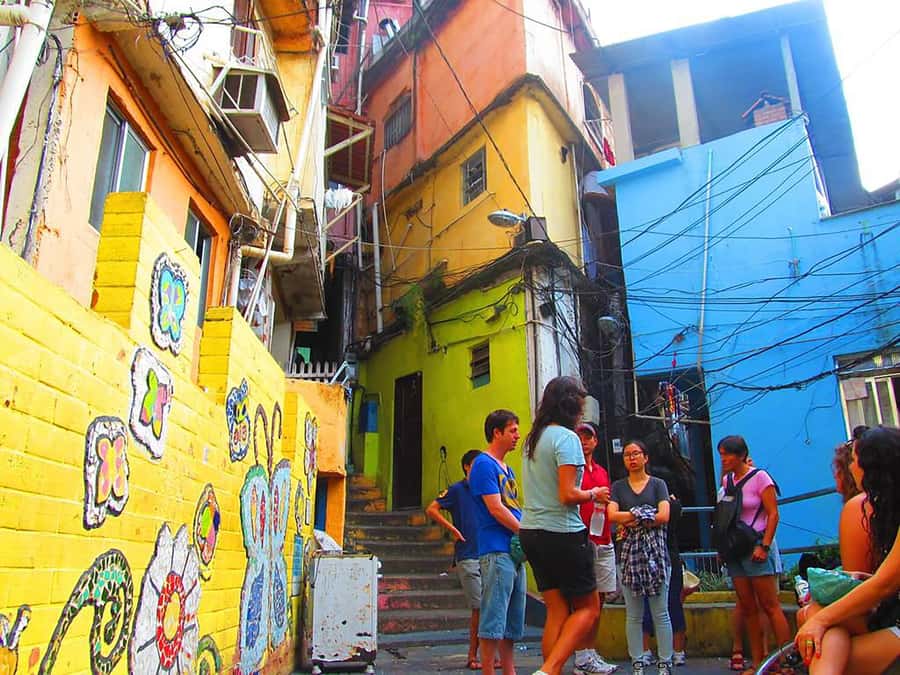
Once you start moving through Rocinha, the tour shifts from views to streets. The walking route takes you through winding alleys and smaller lanes where colorful houses and everyday life are close up. This is where the tour feels like a guided conversation with a place, not a checklist.
You’ll have chances to interact with local residents. The guide is there to help you understand what you’re seeing and to translate the tone of what people share. The goal is cultural exchange in the practical sense: you learn how people describe their neighborhood, their routines, and their pride, while you share who you are and why you came.
This is also where respect matters. Don’t rush people for answers. Listen. Ask what the guide has taught you to notice, like how street art communicates messages or how certain corners have meaning. When you do that, the whole route becomes easier to understand.
A few more Rio outings to weigh up
- Rio de Janeiro: Guided Jeep Tour through Tijuca Rainforest★ 4.3 · 740 reviews
- Jeep Adventure: Guided Tour through Tijuca Rain Forest★ 4.0 · 554 reviews
- Rio de Janeiro: Favela Santa Marta Top Tour with Local Guide★ 4.9 · 488 reviews
- Favela Tour Rio de Janeiro – Vidigal Walking Tour by Russo Guide★ 5.0 · 377 reviews
- Sunrise Mirante dona Marta Specialized Guide and Photos★ 5.0 · 246 reviews
Murals and graffiti: what the guide explains matters
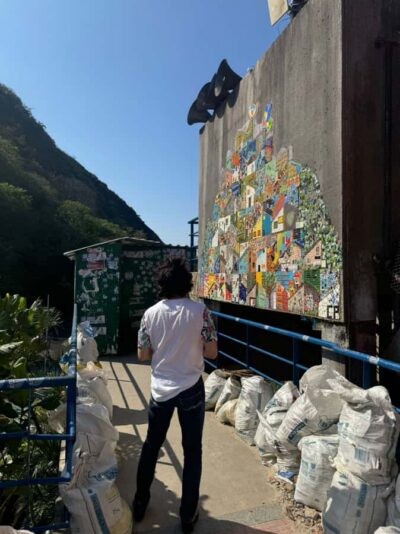
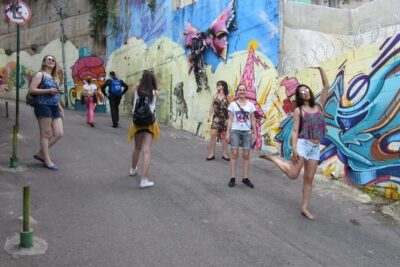
Rocinha’s walls are full of murals and graffiti, and the tour gives you context. The guide shares the meanings and messages behind the artwork, and that turns the street art into a language you can read.
This is one of the most praised elements of the experience: the guide doesn’t just point at colors, they explain themes and challenges that shape the messages on the walls. If you like street art, this part feels like a small art lesson built into a neighborhood walk.
If street art is new to you, it still works. The guide provides enough background so you’re not left guessing. You start noticing patterns, symbols, and styles, and you learn why specific artwork appears where it does. The tour makes the art feel connected to people and not like random decoration.
Christ and Sugarloaf meets everyday Rocinha: the tour’s “balance”
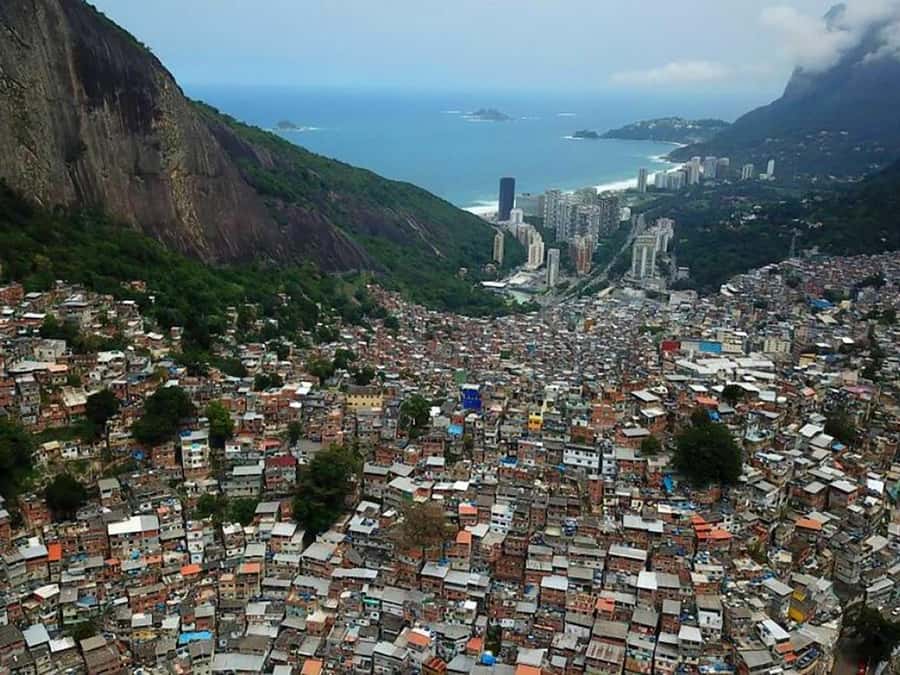
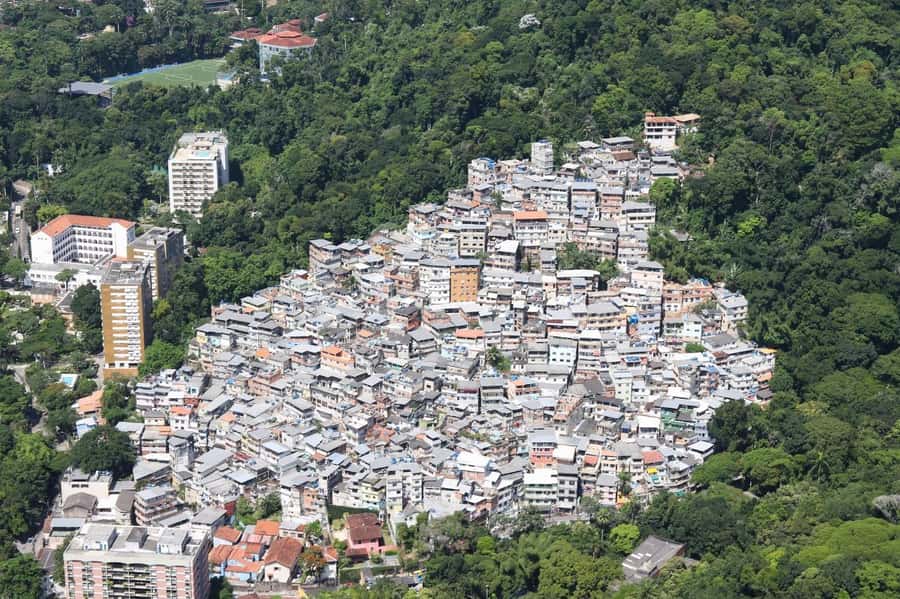
The itinerary is built around a balance that I think is the real value here. You get the big city landmarks up top, then you move through alleys where you see the day-to-day side of the community. That combination helps you avoid the usual trap of seeing Rocinha only as a viewpoint or only as a story.
You also get movement that makes sense. Views come first, so you understand the geography. Then the walk gives you the textures, details, and human scale.
If your goal is to understand Rio from angles most visitors miss, this tour is designed for that. It’s not about replacing the classic Rio stops. It adds a different layer, one that changes how you read the city afterward.
Pace, comfort, and what to bring
This is a guided walking tour with city viewpoints and alley passages. That means comfort matters.
Bring a passport or ID card, since the tour asks for it. Wear shoes you can walk in for 3 hours, especially if you expect uneven or steep stretches. Bring a light layer for sun or rain, because the tour operates rain or shine. If you’re doing the motorbike climb, dress accordingly, and keep your phone secure so you’re not juggling things while moving.
Food and drinks are not included. If you’re pairing this with other Rio plans, plan a snack or water before or after. Also, because pickups and drop-offs are set by your area, give yourself enough time to get to the pickup point without stress.
Price and value: is $58 a fair deal?
At $58 per person, this tour sits in a reasonable middle zone for Rio experiences that combine transportation plus a professional guide. What you’re paying for is not just access to Rocinha, you’re paying for:
- a bilingual guide (Spanish, English, Portuguese)
- guided route and explanations
- transport to and from several major neighborhoods
- a 3-hour format that fits into a sightseeing schedule
The motorbike climb is the one extra cost: 15 reais for the ascent. Since it’s listed separately, think of the $58 as covering the guide and transport, and the 15 reais as the “adrenaline and viewpoint” add-on.
Compared with trying to DIY your way through a community on foot, the guide saves you time and adds context. Compared with a more expensive private format, you’re saving money while still getting real interpretation. If you want a guided experience that is structured, $58 feels like the right kind of value.
Who should book Rocinha, and who might skip it
I’d point you to this tour if you want more than a distant look at Rio. It’s ideal when you like explanations, photo viewpoints, and neighborhood storytelling, and when you’re comfortable mixing city icons with real local life.
You might skip it if you need wheelchair accessibility, since it is not suitable for wheelchair users. You might also reconsider if the motorbike climb is a dealbreaker for you, because the ascent uses motorbike transport and costs extra.
Also, because it’s shared, it’s best for people who can go with a group pace and enjoy learning in a small social setting. If you prefer total control over your schedule and route, this one may feel a bit structured.
Final call: should you book this tour?
Book it if you want a 3-hour Rocinha experience that starts with a powerful overview of Rio and then turns into a guided walk with street art meaning and resident conversation. I like that the best viewpoints come early, so you’re not hunting for the view while you’re already tired from walking.
Skip it if you can’t handle the motorbike climb add-on or if accessibility needs make a walking tour a problem. And if you hate weather-based plans, remember the tour runs rain or shine, and the day is selected by you.
If you’re heading to Rio and you want one experience that truly changes how you see the city, this guided Rocinha route is a strong choice.
Recently added around Rio



Guided Favela Tours, compared.

3 Hour Rocinha Favela Walking Tour with a Local Guide
Read our review →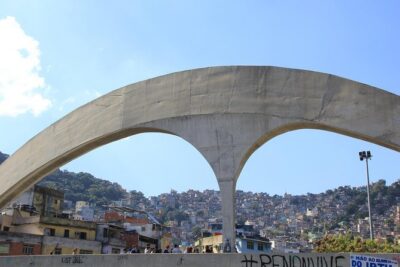
Favela Tour Rio de Janeiro – Vidigal Walking Tour by Russo Guide
Read our review →
More of this kind of Rio day