

Reviewed · SUGARLOAF CABLE CAR TOURS
Climb Sugarloaf: A Thrilling Adventure to Rio’s Postcard Peak
Sugarloaf looks like a postcard. This version adds real climbing with a guided rope section plus cable car tickets, so your Rio view comes with adrenaline and a sense of accomplishment. I love that you get a multi-language instructor who keeps the experience grounded in safety, and I love the payoff at the top where Christ the Redeemer, Tijuca Forest, and Copacabana spread out in one view. The main downside is simple: it is not a good fit if you’re scared of heights.
You also get a meaningful “how we got here” moment, since this route was first conquered by British adventurer Henrietta Carstairs in 1817. The small group size, capped at 6, helps you move at a pace where the guide can coach you instead of rushing you through. If you’re physically fit and you follow instructions, you’ll likely find the climb more manageable than you expect.
Timing is tight and the tour has a weather-dependent component, so plan your afternoon around a solid start at 2:00 pm and be on time. You will need sport or hiking shoes, no sandals, and you’ll carry a few essentials like water and sun protection.
In This Review
- Key Highlights You Should Know Before You Go
- Why This Sugarloaf Adventure Feels Different Than a Standard View
- Meeting at Praça Gen. Tibúrcio, Then Getting Into a Real Rhythm
- Safety, Gear, and the One Rule That Makes It All Work
- Trilha do Pao de Acucar: The 15-Meter Climb and the Rope Section
- Summit Views, Christ the Redeemer in the Frame, and Niterói on the Horizon
- Cable Car Down to Morro da Urca, Then an Easy Walk Back
- Price and Value: What $74.55 Buys You in Real Terms
- Who Should Book This Sugarloaf Climb (And Who Should Skip It)
- Should You Book Climb Sugarloaf With Itaway Ecotours?
- FAQ
- How long is the Sugarloaf rock climbing experience?
- Where do we meet for Climb Sugarloaf?
- What time does the tour start?
- Is the cable car included?
- What languages do the guides speak?
- What shoes should I wear?
- What is the minimum age?
- Is this tour suitable for people scared of heights?
Key Highlights You Should Know Before You Go
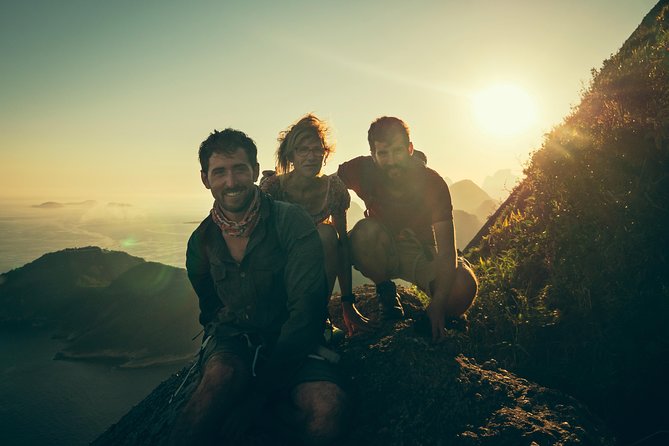
- 15-meter rock climb on Sugarloaf’s East Face with expert coaching and safety systems ready from the start
- UIAA-certified safety equipment plus a rock-climbing instructor who speaks English, Spanish, and Portuguese
- Summit views that frame Christ the Redeemer, Copacabana Beach, and Tijuca Forest in one panorama
- Cable car descent included to Morro da Urca, so the finish is part of the experience
- Small group cap of 6 helps keep attention on you, not just on the clock
- Bring the right shoes and skip sandals, because your footing matters on rock
More rides up Sugarloaf:
- Rio’s City Tour – Tickets for Christ, Sugar Loaf & Lunch included
★ 5.0 · 4,389 reviews - Full Day: Christ Redeemer, Sugarloaf, City Tour & Barbecue Lunch
★ 4.5 · 3,142 reviews - Rio’s Full Day: Selarón Steps, Christ & Sugarloaf – Tickets & Lunch Included
★ 5.0 · 2,724 reviews - Rio: Christ the Redeemer, Sugarloaf, Selaron & BBQ Lunch
★ 4.5 · 2,428 reviews
Why This Sugarloaf Adventure Feels Different Than a Standard View

Most Sugarloaf experiences are about standing back and taking photos. This one is about moving up, step by step, with a guide who treats the climb like a skill you can learn, not a stunt you have to survive.
The core attraction is the 15-meter rock climb on the East Face, plus a rope section where you’re harnessed and coached through the moves. That combination turns the mountain into a hands-on challenge. And because you still get the classic viewpoint payoff from the summit, you’re not trading beauty for effort. You’re stacking them.
I also appreciate the way the route is framed as more than a modern thrill. The fact that the ascent was first conquered in 1817 by Henrietta Carstairs gives you a sense that this is an actual climbing line, not just a hiking detour with a tough marketing angle.
That said, the tour is candid about its limits. If heights make you panic, you should skip this and choose a view-focused alternative. There is no “maybe you’ll be fine” here, because you’ll be on exposed rock and in a system that asks you to trust your footing and the instructor’s instructions.
Meeting at Praça Gen. Tibúrcio, Then Getting Into a Real Rhythm
You meet at Praça Gen. Tibúrcio, 75 in Urca, right where the adventure starts. The location is near public transportation, which matters in Rio, where getting around can be part of the day’s stress. The tour starts at 2:00 pm and ends back at the meeting point, so you’re not piecing together a complicated return plan.
The whole experience runs about 4 hours, though your exact timing can shift with group size and weekday conditions. In a small group of up to 6, you’ll usually get fewer bottlenecks and more attention. Practically, that means you’re more likely to find a steady rhythm, especially during the harder portions where the instructor needs to watch how you’re moving.
I’d also treat the 10-minute tolerance as real. Plan to arrive early enough to settle in, talk with the guide, and get your gear checked without feeling rushed. If you show up late, you risk missing the start and losing part of the experience.
As for what you’ll feel during the climb, I don’t expect calm to come instantly. The mental shift often happens after you find your rhythm on the trail and learn how the harness and rope system are supposed to feel. Guides like Igor have been praised for staying calm and supportive, which is exactly what you want when your brain is trying to negotiate with your body.
Safety, Gear, and the One Rule That Makes It All Work
This is not a DIY climbing day. The tour provides all necessary safety equipment, and it’s UIAA-certified. You’ll also be climbing with instructors who are experienced and licensed for rock climbing, and the guide team can communicate in English, Spanish, and Portuguese. That multi-language support is more than a convenience, it’s how you get correct instructions quickly, especially when you’re dealing with nerves or complex hand placement.
Shoes are another make-or-break detail. No sandals. You need sport or hiking shoes only. If you have climbing shoes, feel free to bring them, but they are not required. The key is grip and stable footing, because the rock climb includes sections where a secure stance matters more than fashion or comfort.
You can also make your day smoother with smart packing. The tour recommends a small backpack, light clothes, and a windbreaker or rain jacket, plus 2 liters of water. Add snacks, sunglasses, bug repellent, and sunscreen, because Rio sun and bugs can show up fast. Bring a plastic bag for garbage, so you don’t end up hunting for trash cans mid-day.
From the reviews, the most repeated theme is emotional safety. People highlight that once they’re harnessed, they can relax into the process. They also say the instructor keeps things organized and supportive, which helps you focus on the next move instead of spiraling into worry.
The practical takeaway is this: you are not just learning climbing, you’re learning how to take instructions while your body is working hard. The better you follow the guide’s cues, the more manageable the experience becomes.
Trilha do Pao de Acucar: The 15-Meter Climb and the Rope Section
Your main stop is Trilha do Pao de Açucar, where the climbing happens. Expect a real physical effort, not just a scenic hike. The route includes that 15-meter rock climb along the East Face, and it’s designed as an introduction to mountaineering in Rio, meaning you learn the basics while still getting a meaningful challenge.
Here’s what I’d focus on if you’re nervous: the tour’s structure gives you small wins. You start with trail movement, then you transition into the climbing portion. The rope section is often described as the highlight, especially when you’re harnessed in a way that makes you feel protected while still giving you a hands-on role in the climbing.
In past groups, guides such as GiGi have been praised for being enthusiastic and genuinely committed to helping everyone have a great time. That kind of energy matters, because good climbing instruction isn’t only technical. It also helps you trust your rhythm and breathe instead of freezing.
As for difficulty, the tour makes one thing clear: it’s not recommended for people scared of heights. If you feel your stomach drop at elevated viewpoints, treat this as a hard “no.” If you’re okay on ferries, cable cars, or lookout stairs, that’s a better sign, but you should still be honest with yourself about what happens when you’re up close to rock.
One more detail to keep in mind: the mental part of the climb is real. Reviews emphasize that people manage better once they find their pace. So aim for a steady, controlled movement and listen for coaching on how to place your feet and hands. The goal is efficiency, not speed.
Summit Views, Christ the Redeemer in the Frame, and Niterói on the Horizon
The summit is where the effort turns into something you can actually feel in your chest. You’ll see Christ the Redeemer, Copacabana Beach, and the lush Tijuca Forest. On clear days, the view reaches across to Rio’s twin city, Niterói, giving you a wider sense of how the coastline and hills connect.
I like that this isn’t just “nice photos.” The vantage point helps you understand Rio’s geography in a way you can’t replicate from a street corner. Tijuca Forest looks like a living wall of green rising up behind the city. Copacabana reads as a long sweep rather than a single beach strip. And Christ the Redeemer feels less like a distant icon and more like a landmark anchored to where you are standing.
It’s also a strong reminder that the cable car is only part of the story. You get included descent by cable car later, but at the top, you’re still in the climbing experience you earned. That’s why the summit time matters, even if you’re tired. Take a minute before you rush to descend, breathe, and scan the whole horizon.
If you care about photos, bring your camera and protect it from sun glare. Sunglasses are worth it. The tour recommends sunblock too, which tells you something practical about the time spent outdoors. Plan on bright conditions, even if you start in mild weather.
If this one is full, Rio has these as well:
- Rio de Janeiro: 6-Stop Highlights of Rio with Lunch★ 4.4 · 5,157 reviews
- Christ the Redeemer Entry Ticket by Corcovado Train★ 4.4 · 4,476 reviews
- Rio de Janeiro: Rocinha Favela Walking Tour with Local Guide★ 4.8 · 3,052 reviews
- Rio De Janeiro: Half-Day Rocinha Favela Walking Tour★ 4.7 · 2,272 reviews
- Hang gliding Hang gliding Experience Rotorfly★ 5.0 · 2,009 reviews
Cable Car Down to Morro da Urca, Then an Easy Walk Back
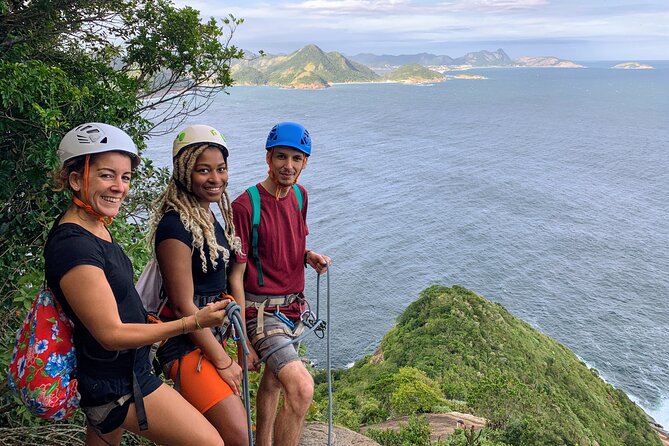
After the climb, you descend via the cable car to Morro da Urca, and that ride is included in your ticket. For many people, that’s a satisfying switch. You go from actively climbing to relaxing into a scenic return that still feels like part of the adventure.
From there, you finish with a leisurely stroll back to Red Beach and back to the meeting point. That “easy finish” matters after a physical morning or afternoon, because you get the reward without having to immediately keep pushing your body.
I also like the pacing of this wrap-up. You don’t burn your energy all the way to the end. Instead, you transition into a calmer mode where you can take in the scenery without needing to concentrate on balance and grip.
In terms of timing, your total tour length is about 4 hours. That is a good window for people who want something active but still need enough afternoon space for other plans in Rio.
Price and Value: What $74.55 Buys You in Real Terms
At $74.55 per person for about 4 hours, you’re paying for more than entry to a viewpoint. You’re buying instruction from a rock-climbing instructor, all safety equipment, and a cable car descent included to Morro da Urca.
The value logic is straightforward. If you tried to assemble this yourself, you’d have trouble matching the safety setup and multi-language coaching. Here, the equipment is UIAA-certified, so you don’t have to guess whether your harness system is appropriate or whether your gear is properly fit.
You’re also getting a small group cap of 6, which can make the difference between a tour that feels like a conveyor belt and one that feels like your guide is paying attention to what you’re doing. The guides being able to speak English, Spanish, and Portuguese also reduces friction if you don’t speak Portuguese.
One extra detail that supports value: this experience is on many people’s radar, with an average booking window of about 62 days in advance. That usually means there are limited slots, so booking ahead can help you lock in the time you want.
Who Should Book This Sugarloaf Climb (And Who Should Skip It)
This tour is best for you if you want a meaningful challenge, you have strong physical fitness, and you’re comfortable with the idea of heights. You don’t need to be a climber, but you do need to show up willing to work, listen, and move carefully.
It’s also a great pick for people who want more than a sightseeing photo stop. The climb gives you a story. The summit gives you a picture. The cable car finish keeps it fun instead of exhausting.
It is not a good fit if you’re scared of heights. No amount of bravery tips that change, because the route includes exposure and a rope system where you have to trust your gear and your instructor.
For families, the tour lists a minimum age of 10, and minors must be accompanied by an adult. If you’re traveling with kids, take that age rule seriously and be prepared for a day that requires focus, not just short attention spans.
If you prefer very relaxed activities, a standard Sugarloaf cable car visit may suit you better. But if you want to feel like you did something real, this is one of the more memorable ways to see Rio.
Should You Book Climb Sugarloaf With Itaway Ecotours?
If your “must-do Rio” list includes something active and you’re okay with heights, I think this is an easy yes. The safety setup, UIAA-certified gear, and licensed rock-climbing guidance are the backbone, and the payoff is a summit view that hits the big landmarks in one sweep.
If you’re unsure, use the biggest filter: fear of heights. The tour itself says it’s not recommended for that, and I agree with the clarity. You want confidence during the climb, and this experience depends on it.
Finally, because the group is capped at 6 and the guide’s role is central, I’d book it if you want real coaching, not a crowd shuffle. If the weather turns, the experience may be canceled and you’ll be offered a different date or a full refund, so keeping flexibility in your schedule helps.
FAQ
How long is the Sugarloaf rock climbing experience?
It lasts about 4 hours on average, though timing can vary depending on group size and weekday conditions.
Where do we meet for Climb Sugarloaf?
You meet at Praça Gen. Tibúrcio, 75 – Urca, Rio de Janeiro – RJ 22290-270, Brazil.
What time does the tour start?
The start time is 2:00 pm.
Is the cable car included?
Yes. The cable car descent is included to Morro da Urca.
What languages do the guides speak?
The rock climbing instructor speaks English, Spanish, and Portuguese.
What shoes should I wear?
No sandals. Wear sport or hiking shoes only. If you have climbing shoes, you can bring them, but they are not mandatory.
What is the minimum age?
The minimum age is 10 years old, and minors must be accompanied by an adult.
Is this tour suitable for people scared of heights?
No. It is not recommended for individuals who are scared of heights.
Recently added around Rio






Sugarloaf Cable Car Tours, compared.

Rio’s City Tour – Tickets for Christ, Sugar Loaf & Lunch included
Read our review →
Full Day: Christ Redeemer, Sugarloaf, City Tour & Barbecue Lunch
Read our review →
Rio’s Full Day: Selarón Steps, Christ & Sugarloaf – Tickets & Lunch Included
Read our review →
Christ the Redeemer, Sugarloaf, Selaron & BBQ Lunch
Read our review →
The Best Half Day in Rio with Christ Redeemer and Sugar Loaf Hill
Read our review →
Rio’s Best_Corcovado, Sugar Loaf, Selaron, Cathedral and more
Read our review →
Full Day in Rio: Christ by Train, Sugarloaf, Selarón & Barbecue
Read our review →
Half-Day Tour: Christ the Redeemer, Selarón & Sunset at Sugarloaf
Read our review →More of this kind of Rio day