

Reviewed · WORKSHOPS
Brazilian Breakfast Cooking Class in Rio: Bake and Blend
Breakfast in Rio, hands-on. In Bake and Blend, you cook classic bites, sip coffee, and finish with a brunch cocktail.
I especially like the pão de queijo plus the guided single-origin coffee tasting, because you get both comfort food and real flavor education in one morning.
The class runs with a friendly local instructor, and you get a small-group feel that makes questions easy. The main drawback is simple: no hotel pickup, so you need to get yourself to Ipanema on time for a very early start.
In This Review
- Key things to know before you go
- A Rio Breakfast Class in Ipanema: What the Morning Covers
- Meeting in South Zone: Timing, Transport, and Group Size
- Smoothie Setup: Vitamina and the Fruit-Fresh Start
- Pão de Queijo: Cassava Flour and Aged Minas Cheese Magic
- Broa: A Rustic Corn Cake With Fennel, Coconut, and Character
- Three Single-Origin Coffees: What You Learn by Tasting
- Fruit Spread and the Mango Mimosa Finish
- Your Instructor, Roberto, and the Kitchen-Story Bonus
- Price and Value for $75, Plus the Money-Back Promise
- Who This Class Suits Best (and Who Might Skip It)
- Should You Book Bake and Blend?
- FAQ
- Is the Brazilian Breakfast Cooking Class offered in English?
- How long is the cooking class in Rio?
- What’s included in the price?
- Where do I meet the group?
- Do they pick you up from your hotel?
- How many people are in the class?
- Can I cancel for a full refund?
Key things to know before you go
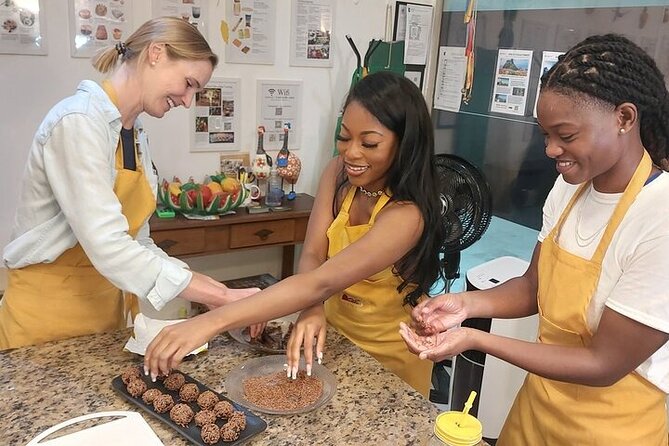
- Hands-on breakfast cooking of pão de queijo, broa, and a fresh smoothie
- Coffee tasting flight of 3 single-origin Arabica coffees from different Brazilian regions
- Fresh fruit spread with juices alongside your savory courses
- Mango mimosa as the signature brunch drink
- Small group size with a maximum of 8 travelers
- English-led session with a mobile ticket and an easy meeting point in Ipanema
More things to make by hand in Rio:
- Rio de Janeiro: Beginner Samba Lesson in Ipanema
★ 4.9 · 1,071 reviews - Rio de Janeiro: Samba Class in Copacabana
★ 4.6 · 262 reviews - samba class in Ipanema
★ 5.0 · 182 reviews - Samba Class and Samba Night Club Tour in Rio
★ 5.0 · 177 reviews
A Rio Breakfast Class in Ipanema: What the Morning Covers
This is a 3-hour, early-morning food class in Rio de Janeiro’s South Zone, set up in a cozy kitchen studio in Ipanema. The idea is straightforward: you learn Brazilian breakfast the way people actually eat it, with hands-on cooking, guided tasting, and enough drinks to make waking up feel like a win.
If you want value, this one is built like a real meal. You are not just getting one recipe. You’re making several items, sampling coffees from distinct regions, and ending with a brunch cocktail. At $75 per person, that matters, because your time is spent doing, tasting, and asking questions, not just watching from the sidelines.
I also like that the menu connects savory, sweet, and drinks. You start with a creamy smoothie people in Brazil call “vitamina,” then you move to breads with strong regional identities. After that, you taste coffee like it has details worth noticing. Finally, you close with mango mimosa, using sparkling wine and ripe mango pulp.
One practical note: the description says the class starts bright and early at 8:00 AM, but the start time shown is 9:00 AM. Before you head out, check your exact time in your confirmation so you are not standing around with a rumbling stomach.
Meeting in South Zone: Timing, Transport, and Group Size
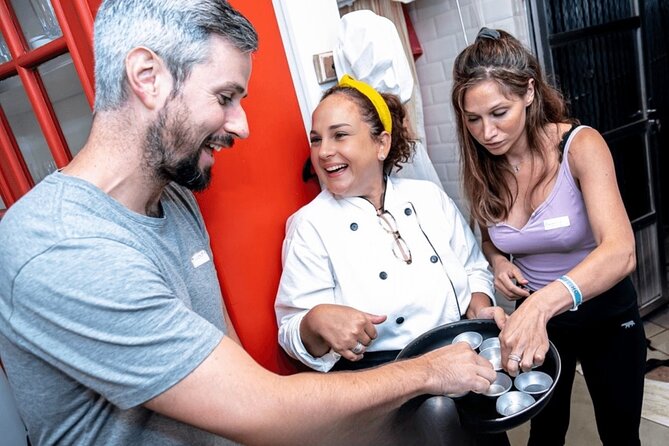
You meet at R. Visc. de Pirajá, 281, in Ipanema. The activity ends back at the meeting point, so you do not need to worry about a long route afterward or figuring out where you are dropped off.
There is no hotel pickup or drop-off included. So plan on using public transportation, a taxi, or rideshare to get yourself there. Since this is a morning class, you’ll have an easier time if you give yourself a little buffer for transit and finding the studio.
The group max is 8 people. That small size is not just a nice-to-have. It usually means you get more attention while you cook, and it’s easier to talk with the instructor about what you’re doing and why certain ingredients work.
Language is English, which helps a lot if Portuguese is not your strength. And because the format is cooking plus tasting, it’s the kind of experience where you can understand even if you miss a few words.
Smoothie Setup: Vitamina and the Fruit-Fresh Start
You kick off with the starter smoothie. The menu is a creamy blend of banana, papaya, mango, and cold milk, made fresh during class. This is not a complicated drink, but it’s a clever way to begin, because it preps your palate for the breads and coffee that come next.
I like that the smoothie uses fruit you can actually recognize, and it also feels like something you’d expect at a Brazilian breakfast table. The key here is balance. Cold milk smooths everything out, and the fruit combo gives sweetness without making the rest of the morning feel heavy.
You also get the idea of how Brazilians build breakfast: fruit, dairy, then carbs and coffee. It’s not just a menu. It’s a rhythm.
Pão de Queijo: Cassava Flour and Aged Minas Cheese Magic
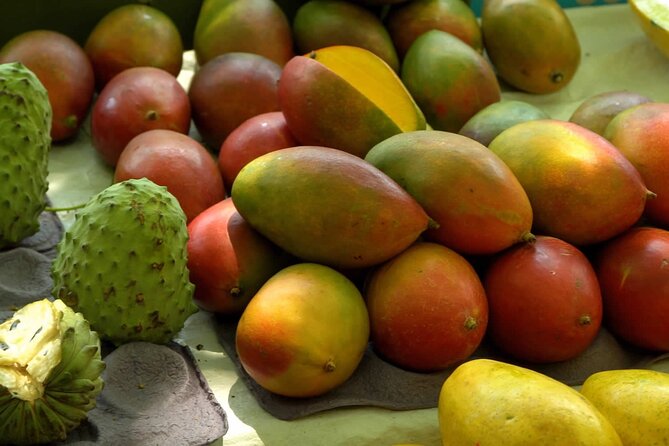
Next comes pão de queijo, Brazil’s famous cheese bread. In this class, you’re making it fresh using cassava flour and aged Minas cheese. That ingredient mix is the point, because it explains why this bread is different from typical cheese rolls.
Cassava flour behaves differently than wheat flour. It gives the bread that signature chew and tender bite. The Minas cheese brings a familiar dairy flavor, but using aged Minas cheese adds depth. The result is fluffy and satisfying, the kind of bread you can eat warm without any fancy topping.
In a hands-on class, the most valuable part is learning what to watch for while cooking. You want to notice how the batter or dough handles, how the texture changes, and when it’s ready based on appearance and smell. If you take nothing else home from the class, that bread technique is a strong win.
Broa: A Rustic Corn Cake With Fennel, Coconut, and Character
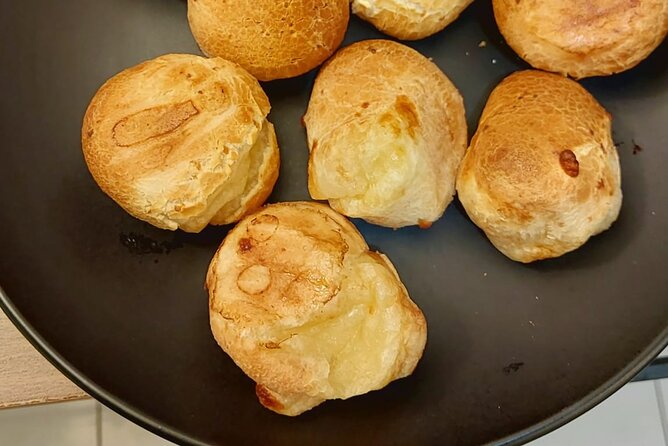
After the cheese bread, you shift into broa, a rustic corn cake. You’ll make it with yellow cornmeal, shredded coconut, and a touch of fennel. This is a great contrast to pão de queijo because it leans toward warm, slightly sweet, and aromatic.
Broa also helps you understand Brazilian breakfast outside the famous icons. Pão de queijo gets a lot of attention, but broa shows the more farmhouse side of the cuisine. The fennel is the detail that makes it memorable. It adds a subtle anise note that you notice once you know to look for it.
If you like baked goods that are not overly sugary, broa is a good choice. It’s the kind of cake you can treat like bread, especially in the morning with coffee.
If this one is full, Rio has these as well:
- Rio de Janeiro: 6-Stop Highlights of Rio with Lunch★ 4.4 · 5,157 reviews
- Christ the Redeemer Entry Ticket by Corcovado Train★ 4.4 · 4,476 reviews
- Rio’s City Tour – Tickets for Christ, Sugar Loaf & Lunch included★ 5.0 · 4,389 reviews
- Full Day: Christ Redeemer, Sugarloaf, City Tour & Barbecue Lunch★ 4.5 · 3,142 reviews
- Rio de Janeiro: Rocinha Favela Walking Tour with Local Guide★ 4.8 · 3,052 reviews
Three Single-Origin Coffees: What You Learn by Tasting

One of the best parts of the experience is the guided coffee tasting. You’ll sample 3 single-origin Arabica coffees from different Brazilian regions. The description calls out Cerrado for fruity notes, plus Minas Gerais for nuttier, chocolatey roasts.
This matters because it trains your senses. Coffee tasting sounds fancy, but it’s really about being specific. You learn to identify fruitiness, nuttiness, and deeper chocolate tones. Then you start to connect taste to origin, not just to brand.
And because you’re tasting after you’ve cooked and eaten something, the flavors land differently. Your mouth is warm, the food is grounding, and you are better able to notice the coffee’s character instead of just feeling caffeine.
If you take your coffee seriously, this section is worth the price all by itself. If you do not, it still gives you a fun education, and you can leave knowing what kinds of flavors you enjoy.
Fruit Spread and the Mango Mimosa Finish
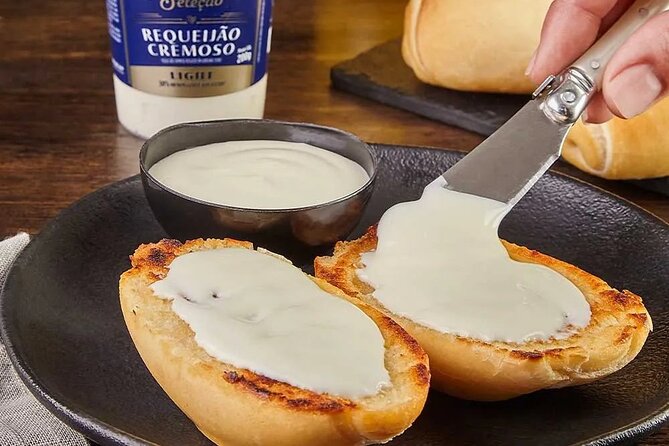
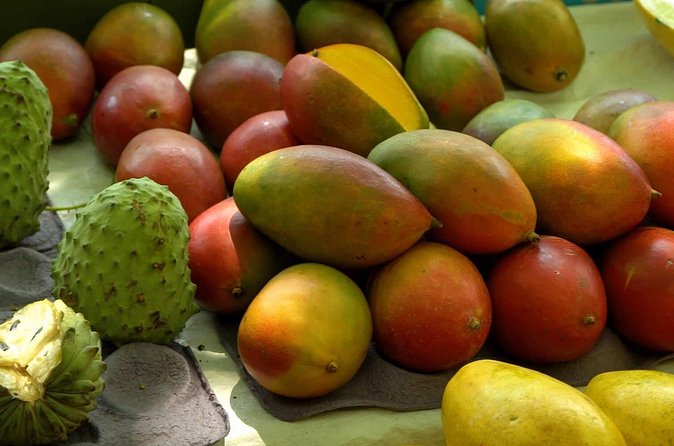
You also enjoy a colorful spread of fresh tropical fruits and juices alongside the coffee and food. That part keeps the menu from feeling like a parade of carbs. It adds brightness, and it also mirrors how many Brazilian breakfasts work, fruit-first or fruit-as-a-break between richer items.
Then the class ends with the signature mango mimosa. It’s made with sparkling wine and fresh mango pulp, a playful brunch cocktail that feels like a celebration without turning into a party scene.
I like that the drink uses mango pulp. It tastes more like real fruit than a bottled flavor mix. Since this is a morning class, the mimosa also makes timing feel less early. You get to wrap up with something special while the whole meal is still fresh in your mind.
Your Instructor, Roberto, and the Kitchen-Story Bonus
The experience is guided by a friendly local instructor, and the standout detail from the feedback is Roberto, noted for being personable and very good at teaching. In a class like this, that is not just a personality win. It changes how much you actually get out of the recipes.
When an instructor is comfortable explaining, you start to understand the why behind the steps. You can ask questions like what ingredient does what, what texture you’re aiming for, and how to adjust if something feels off. That turns recipes into skills.
It also helps that the setting is described as a cozy kitchen studio in Rio’s South Zone. That kind of room tends to feel more like breakfast at a friend’s house than a factory classroom. You get stories and context, which makes the food feel more connected to the place.
Price and Value for $75, Plus the Money-Back Promise
At $75 per person for about 3 hours, you’re paying for more than a cookbook workshop. You’re paying for hands-on cooking of multiple items, plus a coffee tasting flight of 3 single-origin coffees and the mango mimosa. You also get breakfast included, and the class includes coffee and/or tea.
When you look at it this way, the value comes from the variety packed into one session. The class gives you a smoothie, two breads, a coffee education, fruit and juices, and a brunch drink. If you only cared about one item, the class might feel like extra. But if you like food as a full morning experience, it’s a good deal.
There’s also a full money-back guarantee if your morning does not meet a 5-star experience. I can’t promise every class will feel perfect, but that policy signals the operator wants you to be happy with what you take away.
Who This Class Suits Best (and Who Might Skip It)
You’ll likely love Bake and Blend if you:
- Enjoy cooking, not just eating
- Want a quick way to understand Brazilian breakfast beyond one dish
- Like learning through taste, especially coffee
- Prefer a small group setting where questions are welcome
This is probably not the best fit if:
- You want a long sightseeing day instead of a focused food morning
- You hate planning your own transport, since there is no hotel pickup
- Early starts do not work for you, because this runs bright and early in Ipanema
Should You Book Bake and Blend?
Book it if you want a morning that feels like Rio, not a generic tourist meal. The combination of hands-on Brazilian breads, a guided single-origin coffee tasting, and the mango mimosa finish is a smart mix. You’ll leave with practical techniques, flavor vocabulary for coffee, and a menu that makes sense as a real breakfast plan.
Skip it or rethink it if getting to Ipanema on your own feels like a hassle, or if the early start does not work with your trip rhythm. Otherwise, this is the kind of experience that gives you a story you can repeat, plus dishes you can actually try again later.
FAQ
Is the Brazilian Breakfast Cooking Class offered in English?
Yes. The class is offered in English.
How long is the cooking class in Rio?
It lasts about 3 hours.
What’s included in the price?
Coffee and/or tea are included, along with breakfast. The experience includes the items from the menu such as the smoothie, pão de queijo, broa, the coffee tasting, tropical fruits and juices, and the mango mimosa.
Where do I meet the group?
You meet at R. Visc. de Pirajá, 281, Ipanema, Rio de Janeiro, RJ 22410-001, Brazil.
Do they pick you up from your hotel?
No. Hotel pickup and drop-off are not included.
How many people are in the class?
The class has a maximum of 8 travelers.
Can I cancel for a full refund?
Yes. You can cancel for a full refund if you cancel up to 24 hours in advance of the experience start time.
Recently added around Rio






Workshops, compared.



Brazilian BBQ Class in Rio (3.5h): 10 Recipes & Bottomless Drinks
Read our review →

More of this kind of Rio day