
Reviewed · SAMBA NIGHTS
Afro Walking Tour – Samba and resistance (Pedra do Sal)
Samba can be history you can walk through. This Afro walking tour in Rio tracks samba and resistance around Pedra do Sal, then rounds out the experience with an entry-included stop at Cidade do Samba.
I like how the route connects culture to specific places, so it feels less like a lecture and more like reading the city with your feet. The focus stays on everyday life, Afro-Brazilian influence, and how music helped people push back.
I love the small-group cap of 15, it keeps the pace humane and makes it easier to ask questions. I also love that the Cidade do Samba entrance ticket is included, so you are not doing mental math mid-tour.
One possible drawback: there is no hotel pickup and the tour ends at a different address after about four hours of walking. If you hate walking or you need a strict end time back at your hotel, plan carefully.
In This Review
- Key highlights you should know
- A half-day walk that connects samba to the places you see in Rio
- Starting at CCBB: where you get your bearings fast
- Olympic Boulevard and Tomorrow’s Museum: modern Rio on the same route
- Small Africa and Pedra do Sal: the theme stops feeling abstract
- New port of the city and UNESCO heritage: seeing the city reinvent itself
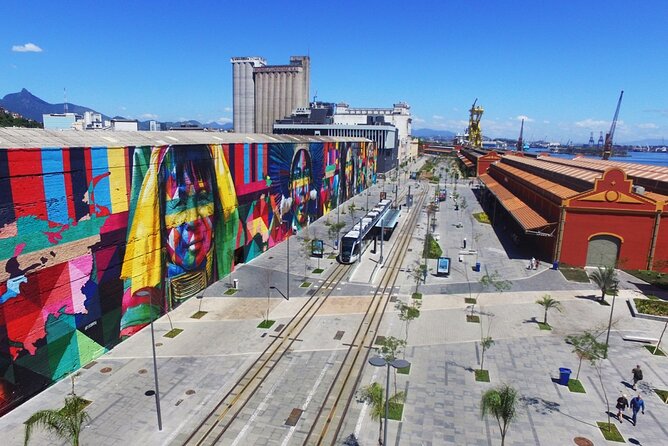
- Mural ethnias by Kobra and the world’s largest graphite: art you can read while walking
- Cidade do Samba: the included ticket that makes the tour feel complete
- Timing, walking pace, and where the tour ends
- Price and value: what you are really paying for at $50
- Who this tour suits best, and who should think twice
- Practical tips to get the best experience on the ground
- FAQ
- FAQ
- Where is the tour meeting point?
- How long is the Afro walking tour?
- How many people are in the group?
- Is the entrance to Cidade do Samba included?
- Do I need hotel pickup and drop-off?
- What physical fitness level do I need?
- What documents do I need to bring?
- Should you book this Afro samba and resistance walking tour?
Key highlights you should know
- Max 15 people for a more personal, question-friendly walk
- Cidade do Samba entrance included for a clear value upgrade
- See Rio through Afro cultural landmarks instead of the same postcard circuit
- A guide adds context on history and culture as you move between stops
- A route with variety from modern waterfront areas to culturally meaningful neighborhoods
- Small Africa plus Pedra do Sal focus gives the tour its main theme
More nights at Pedra do Sal:
- Pedra do Sal: Live Samba Night with Local Guide & Drink
★ 4.4 · 183 reviews - Live Samba Night at Pedra do Sal
★ 5.0 · 45 reviews - Samba Night in Pedra do Sal with 1 free caipirinha
★ 5.0 · 12 reviews - Pedra do Sal: Samba Party & Caipirinhas with Transfer
★ 4.5 · 6 reviews
A half-day walk that connects samba to the places you see in Rio
This is the kind of tour I enjoy when you want more than photos. You get a guided walk that treats samba like living culture, not a distant museum topic. You also cover areas in Centro and near the harbor, so you get a sense of how Rio’s public spaces tell stories.
At the same time, the experience is practical. Four hours is long enough to feel like you made progress, but short enough to keep the rest of your day flexible. And because it stays small, you are less likely to feel shuffled along.
If you are visiting Rio for the first time, you will love the added context. If you already know a lot about samba, you can still enjoy seeing where the story is physically written into the city.
Starting at CCBB: where you get your bearings fast
You meet at Centro Cultural Banco do Brasil (CCBB) in Centro. It is a solid pick for a starting point because it is easy to find, and it sets you up for a walk through central Rio.
Right at the start, you will get the tour’s theme framed: Afro culture, samba, and the idea of resistance. That matters because the rest of the route will make more sense once you know what you are looking for. When a guide gives you that lens early, you stop seeing stops as random scenery and start seeing them as linked chapters.
Tip: arrive a few minutes early and stand in the exact meeting area the host provides. Walking tours run on simple timing, and being late is the easiest way to create stress.
Olympic Boulevard and Tomorrow’s Museum: modern Rio on the same route
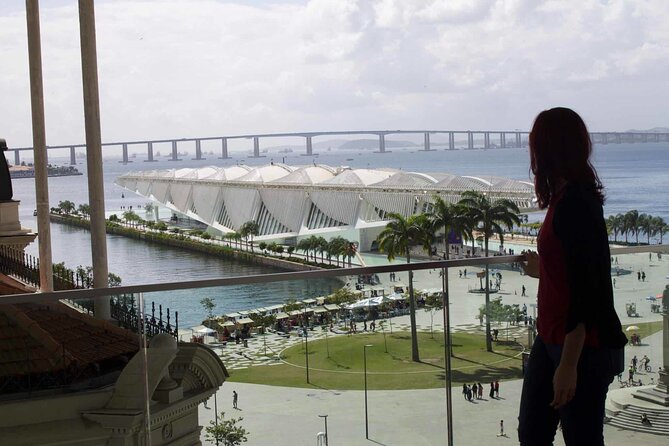
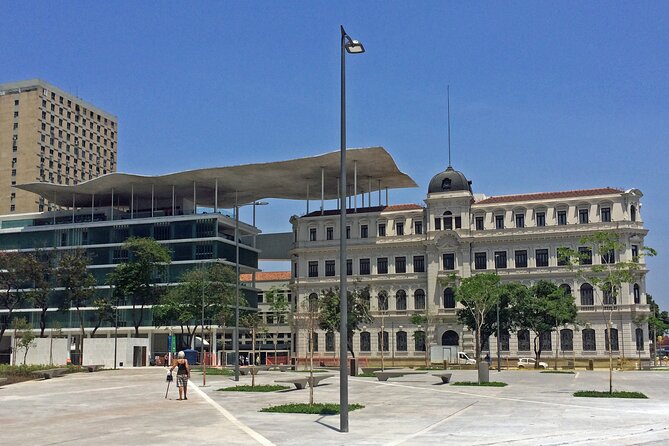
After CCBB, the walk continues through Olympic Boulevard and then toward Tomorrow’s Museum. These are big public landmarks, the kind you often pass quickly. On this tour, they become more than Instagram backdrops.
What I like here is the contrast. You are moving between contemporary Rio spaces and the tour’s Afro cultural focus, and that contrast helps you understand how old and new coexist in the same city. It also makes the walk feel more complete, not just a single-theme loop.
Practical note: these are waterfront-adjacent areas, so wear shoes that handle real walking. Also, if the weather turns, you want to be able to move comfortably without slowing everyone down.
Small Africa and Pedra do Sal: the theme stops feeling abstract
This is where the tour earns its name. You go to Small Africa, and the walk keeps circling back to samba and resistance. This is not just about what samba is, it is about what it did and what it represented for Afro communities in Brazil.
You can feel the difference when a guide points out cultural references you might miss on your own. Instead of walking through a neighborhood like a spectator, you are walking like a reader, picking up context from the streets and landmarks.
Also, this is the best portion for understanding why the tour uses the term resistance. Music, dance, and community organizing have historically been ways people stayed connected, kept identity alive, and pushed back against inequality. Even if you know the broad idea, hearing it tied to specific stops helps the message stick.
New port of the city and UNESCO heritage: seeing the city reinvent itself
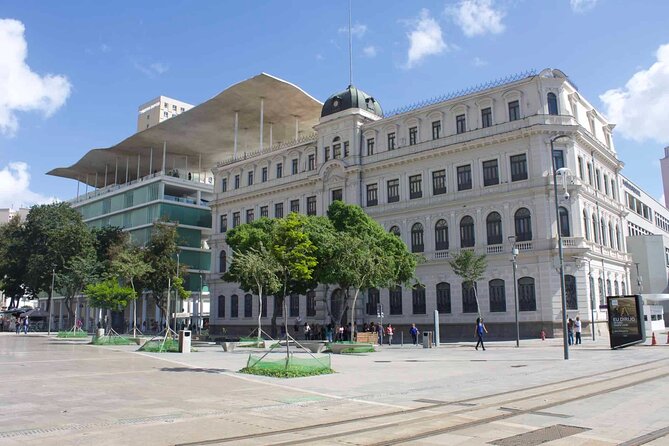
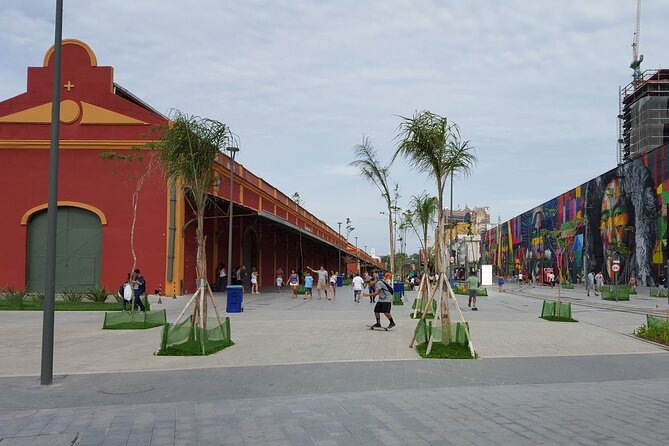
Next you head through the new port area and then to World historical heritage (UNESCO). This section can feel like two things at once: a place undergoing change and a place tied to preservation.
I like how this part gives you a bigger Rio picture. Rio is not only samba venues and neighborhoods. It is also infrastructure, redevelopment, and the way the city balances tourism, history, and modern needs. When your guide connects the dots to Afro cultural history, it stops being a generic sightseeing detour.
One drawback to keep in mind: UNESCO areas often bring crowds and rules around movement. Your guide can help manage the flow, but you should still expect that this part of the walk is less “free roaming” than earlier stops.
Other samba nights around Rio:
- Rio de Janeiro: Beginner Samba Lesson in Ipanema★ 4.9 · 1,071 reviews
- Rio: Pub Crawl in Lapa with Cachaça Tasting and Live Samba★ 4.7 · 881 reviews
- Rio: Carnival Backstage Tour at Samba City with Cocktail★ 4.6 · 520 reviews
- Hop-ON Hop-OFF Sightseeing Bus in Rio de Janeiro – Rio Samba Bus★ 3.5 · 457 reviews
- Carnaval Experience: Backstage Tour at Samba City with Cocktail★ 4.5 · 268 reviews
Mural ethnias by Kobra and the world’s largest graphite: art you can read while walking
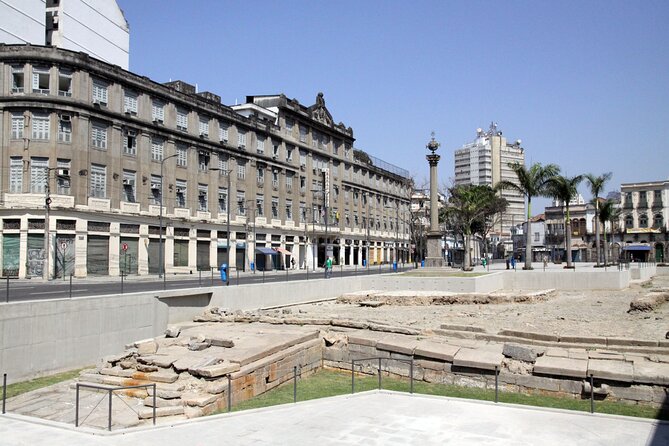
Then you get to Mural ethnias by Kobra and to the largest graphite in the world. I really enjoy stops like this because public art is easier to understand when someone gives you a frame for why it is there.
You are not just looking at a mural as a pretty wall. You are using the guide’s explanation to connect themes like identity, representation, and memory to the physical artwork. And since you are moving from stop to stop, it never feels like a long waiting session. It is more like brief, focused stops that build a story.
If you enjoy street art and public sculpture, this is the section that will likely keep you looking around longer than you planned. Take a moment to pause where your guide asks, not where you personally want the perfect photo. The meaning often lands at the specific viewpoint.
Cidade do Samba: the included ticket that makes the tour feel complete
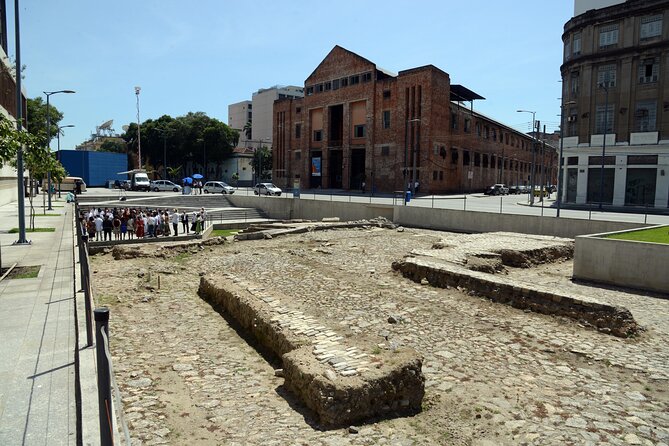
The highlight landing pad is Cidade do Samba, with about one hour inside. Your ticket entry is included, so you are not stuck deciding whether to pay extra or squeeze it into another day.
This stop is your direct link to the school of samba world behind Carnival Rio de Janeiro. Even if you visit Rio outside of Carnival season, you still get a sense of how samba culture is organized and maintained. You also get a shift in pace, from outdoor walking to a contained, culture-focused experience.
What to expect in practice: plan to pay attention during the guided portion, then use the remaining time to look around at the things your guide points out. One hour is enough to get value without turning the day into a marathon.
If you are the type who loves Carnival planning, costume making, and how performance culture is built, you will get more out of this stop. If you just want quick scenery, you might wish it were longer, but one hour keeps the rest of the tour from feeling rushed.
Timing, walking pace, and where the tour ends
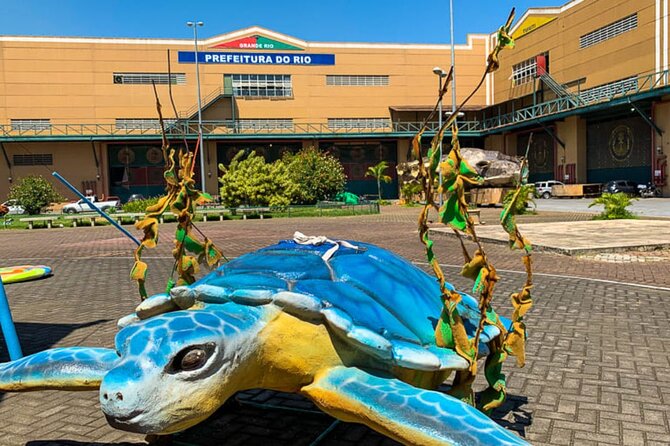
This experience runs about four hours. There is no hotel pickup or drop-off, so you start at CCBB and you end at Largo São Francisco da Prainha in Saúde.
That “start here, finish there” format is often the best way to avoid backtracking. It also means you should plan your evening with the end location in mind. If you rely on a specific pickup spot or you need to catch a reservation immediately, give yourself some buffer.
Moderate physical fitness is required. Translation: you should be comfortable walking for most of the duration, standing in places to hear explanations, and moving through crowds if you run into them.
Price and value: what you are really paying for at $50
At $50 per person, the biggest value lever is the included Cidade do Samba admission ticket. That one covered cost matters because it turns the tour from a mostly-guided walk into a guide plus a paid cultural entry.
Add in the small-group max 15, and you are paying for time and interpretation, not just transportation around Rio. When a guide is part of the deal, you should expect context and a coherent theme, not only directions to the next stop.
Also, since all activities, taxes, fees, and handling charges are included, you are not hit with unexpected add-ons on the day. That kind of pricing clarity is what makes small-group tours worth it.
If you want a one-day way to understand Afro cultural influence across multiple Rio areas, this price usually feels fair.
Who this tour suits best, and who should think twice
This tour is a good match for you if:
- You like guided context that connects culture to real locations
- You want a small-group experience, not a huge bus-style crowd
- You are curious about Afro influence in Brazil through samba and resistance
- You want an included entry into Cidade do Samba rather than piecing it together
You might think twice if:
- You need hotel pickup, because you must make it to CCBB on your own
- You are not comfortable with a moderate walking day
- You want a tour that stays strictly indoors, since it includes outdoor stops
If you are traveling with kids, note that children must be accompanied by an adult. Also, the minimum drinking age is 18, so don’t expect alcohol to be part of the plan.
Practical tips to get the best experience on the ground
- Wear comfortable walking shoes. This is a walking route with multiple stops.
- Bring water, especially if you hit warmer hours. You will be on your feet.
- Keep your schedule flexible after the end point in Saúde, since you finish away from where you started.
- Make sure you have your confirmation details from booking, and arrive early enough to start calmly.
- A current valid passport is required on the day of travel, so don’t leave it to the last moment.
One more small piece of advice: keep your phone charged. When you are walking between districts, a dead battery is just extra stress.
FAQ
FAQ
Where is the tour meeting point?
The tour starts at Centro Cultural Banco do Brasil (CCBB), R. Primeiro de Março, 66, Centro, Rio de Janeiro, RJ 20010-000, Brazil.
How long is the Afro walking tour?
It lasts about 4 hours.
How many people are in the group?
The tour has a maximum of 15 travelers.
Is the entrance to Cidade do Samba included?
Yes, entrance to Cidade do Samba is included.
Do I need hotel pickup and drop-off?
No. Hotel pickup and drop-off are not included.
What physical fitness level do I need?
You should have a moderate physical fitness level.
What documents do I need to bring?
A current valid passport is required on the day of travel.
Should you book this Afro samba and resistance walking tour?
I think you should book if you want a focused, small-group walk that connects samba to specific Rio locations, not just general sightseeing. The included Cidade do Samba entry is a strong value marker, and the max 15 group size keeps it from turning into a shuffle.
Skip it if your day depends on hotel pickup, if you cannot handle a moderate walking route, or if you dislike tours that finish in a different neighborhood than where they start. If those are your needs, you will likely feel more satisfied with a tour that matches your timing more tightly.
If your goal is to understand how Afro culture shapes modern Brazil through music and community, this one is a smart way to spend half a day.
Rio on Foot
- Rio de Janeiro: Rocinha Favela Walking Tour with Local Guide
★ 4.8 · 3,052 reviews - Rio De Janeiro: Half-Day Rocinha Favela Walking Tour
★ 4.7 · 2,272 reviews - 3 Hour Rocinha Favela Walking Tour with a Local Guide
★ 5.0 · 833 reviews - Favela Tour Rio de Janeiro – Vidigal Walking Tour by Russo Guide
★ 5.0 · 377 reviews
Recently added around Rio





Samba Nights, compared.


Pub Crawl in Lapa with Cachaça Tasting and Live Samba
Read our review →
Carnival Backstage Tour at Samba City with Cocktail
Read our review →
Hop-ON Hop-OFF Sightseeing Bus in Rio de Janeiro – Rio Samba Bus
Read our review →
Carnaval Experience: Backstage Tour at Samba City with Cocktail
Read our review →
More of this kind of Rio day