
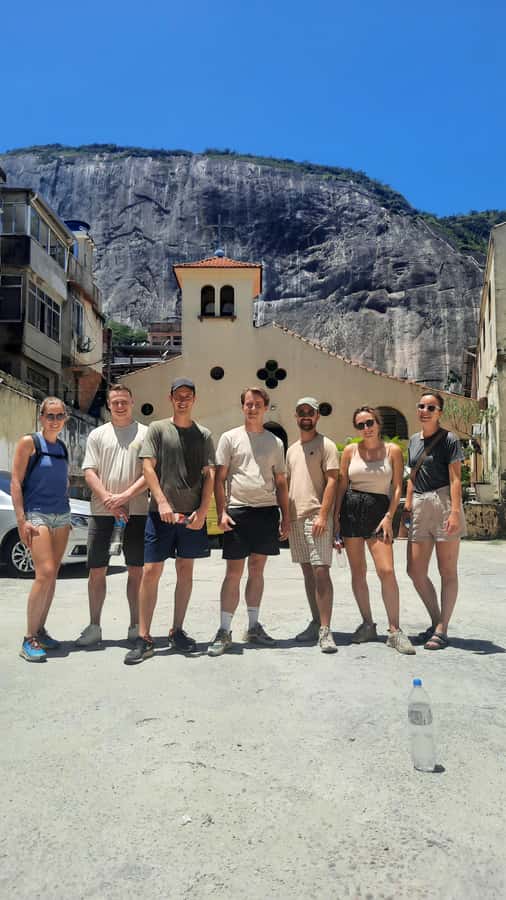
Reviewed · GUIDED FAVELA TOURS
A Walk in the Rocinha Favela: Women Leading the Way
Rio changes fast on this ride. A Rocinha walk run with local leadership, bilingual storytelling, and small-group access is a way to see daily life that most buses miss. I also like that the tour starts with a moto-taxi so you get oriented quickly and see the steep terrain up close. One thing to consider is that the ride and walking happen on uneven, sloped streets, so come ready for motion (and a few nerves).
This is the kind of tour where safety feels built in, not tacked on, with real-time location tracking by local guide and resident associations. Just know you will spend time in tight alleys and markets, and the pace is not designed for lingering in one shop forever.
In This Review
- Key things you will notice on this Rocinha walk
- Why Rocinha’s women-led perspective makes the tour hit different
- Meeting at Av. Niemeyer: starting point and what to expect in the first 10 minutes
- The moto-taxi ride through Rocinha: fun, orientation, and the reality check
- Photo stops and street art: learning to look before you walk
- Dance show and youth connection: culture you can watch, then join
- Arts and crafts market time, plus local shops that feel like normal life
- Restrooms, public library, and black coffee: the stops that make it feel real
- Social project time and optional home or rooftop visit
- Price and value: why $42 can make sense for this route
- Who this tour suits best (and who should think twice)
- Practical tips so you enjoy it more
- Should you book A Walk in the Rocinha Favela: Women Leading the Way?
- FAQ
- How long is the Rocinha walking tour?
- Do I need to pay extra for the moto-taxi?
- Is food included in the tour price?
- What languages are available for the guide?
- How big is the group?
- Where is the meeting point?
Key things you will notice on this Rocinha walk
- Women-led guidance from the community, often with guides like Malux, Larissa, Lari, or Gabriela in the lead role
- Moto-taxi first move that gets you up the hill and into the neighborhood fast
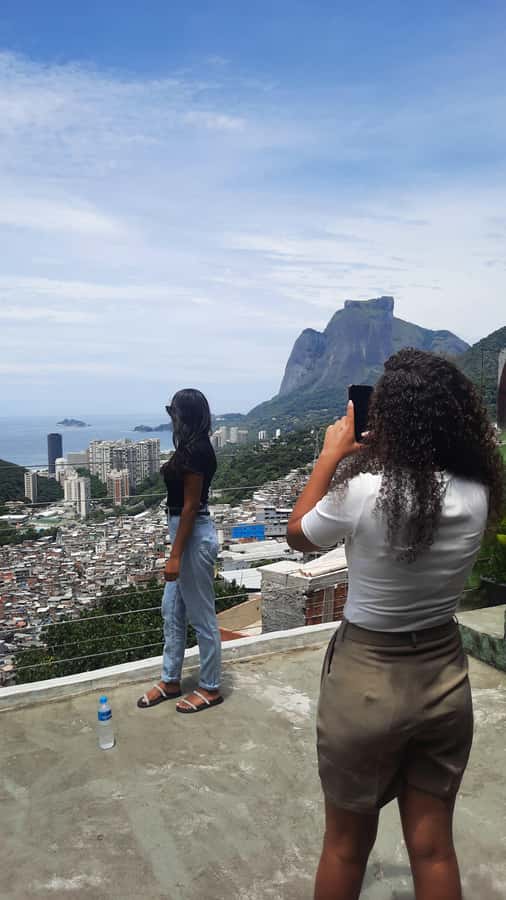
- Photo stops + viewpoints built into the route, so you are not guessing where to stand
- Arts and crafts market time plus street art and local shops along the way
- Culture with action, including a youth moment where you can learn to dance or play football
- Practical stops like restroom access and a public library visit when open
Other guided walks through the favelas:
- Rio de Janeiro: Rocinha Favela Walking Tour with Local Guide
★ 4.8 · 3,052 reviews - Rio De Janeiro: Half-Day Rocinha Favela Walking Tour
★ 4.7 · 2,272 reviews - 3 Hour Rocinha Favela Walking Tour with a Local Guide
★ 5.0 · 833 reviews - Favela Tours
★ 5.0 · 660 reviews
Why Rocinha’s women-led perspective makes the tour hit different
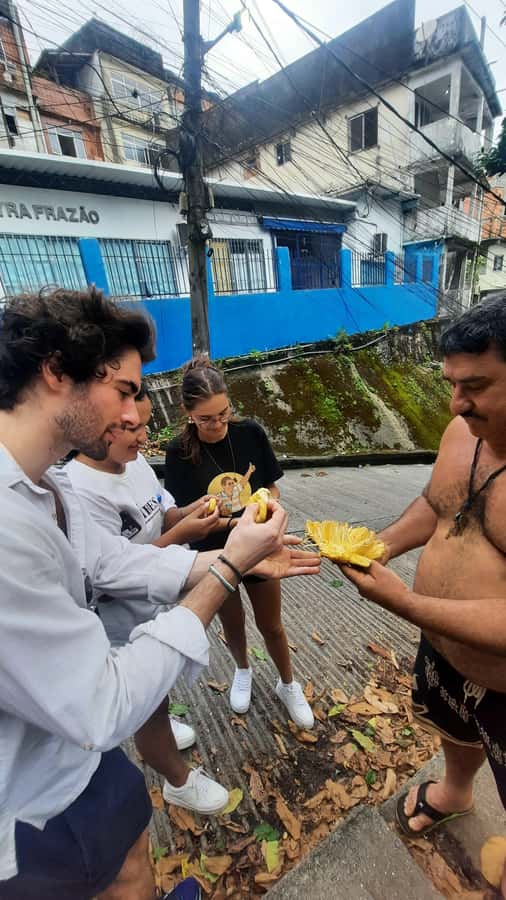
Rocinha is not a single “sight.” It is a living neighborhood with its own tempo, problems, celebrations, and pride. What makes this tour special is the way the guiding voice feels local, not scripted. When the guide is from the community, the stories land with details you can feel, not just facts you can memorize.
I also like the balance in the route. You are not only going for scenery. You are learning how people navigate daily routines in a place where streets run tight and vertical. The tour leans into resilience and everyday life, including what kids are doing, what people are selling, and what community spaces mean.
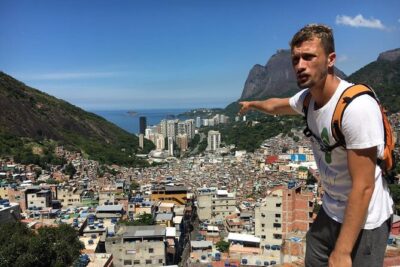
The tour also gives you moments that help you understand the scale of Rio. You get beautiful views of Rio from Rocinha viewpoints, and you will see how the city’s geography shapes everything, literally from street level up the hill.
Meeting at Av. Niemeyer: starting point and what to expect in the first 10 minutes
You meet at Av. Niemeyer, 780, with the meeting point described as Exit A of the subway near the Universal Church. This matters because Av. Niemeyer is a known reference area in Rio. You can plan your arrival without guessing too much.
Right away, you are not thrown into the deep end of the alleys. The plan is to use public transport for a short transfer (around 10 minutes) to reach Rocinha’s entrance area. Then the tour shifts into the main experience with a moto-taxi.
You should mentally budget for a total tour time that is around 2 hours, with the activity also described as lasting about 2 hours 30 minutes depending on timing and the flow of stops. Either way, it is short enough to fit into a day trip, but long enough to feel like more than a photo walk.
Dress for movement. Even if you come with a relaxed mindset, Rocinha will require short climbs and careful steps. Light clothing helps, and so does insect repellent, since the tour runs rain or shine.
The moto-taxi ride through Rocinha: fun, orientation, and the reality check
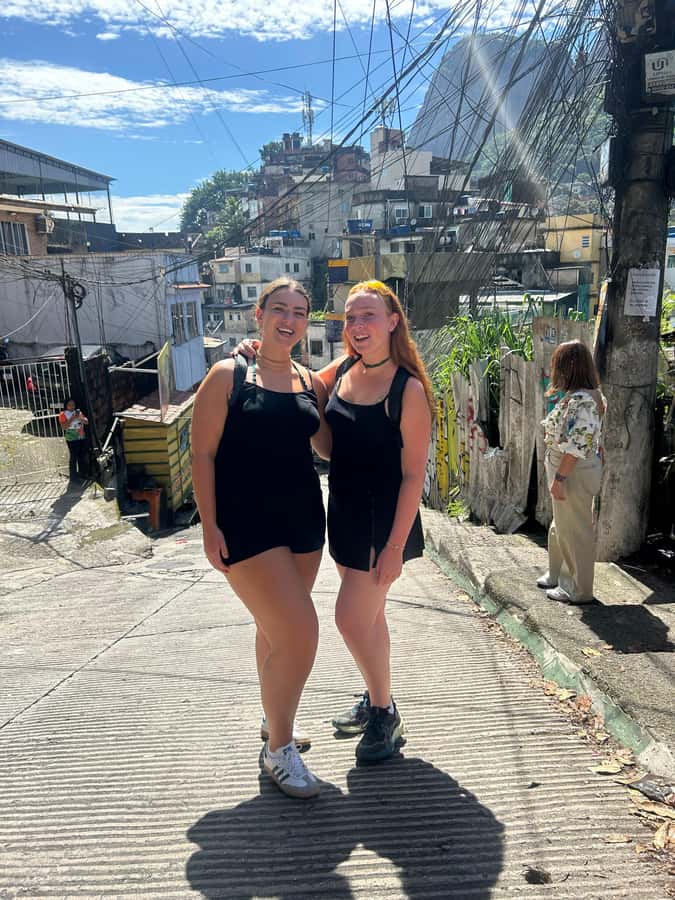
The tour kicks off with a fun moto-taxi ride to the first stop. If you have never ridden a moto-taxi in a steep neighborhood, you will quickly understand why this is the highlight for some people and the “hold on” moment for others. In the reviews, the ride up the hill gets called out as exciting, and yes, it can feel a bit scary in the moment.
But here is why it is worth it. This is not just transport. It is orientation. From the start you see how the streets layer above one another, how neighborhoods connect, and how locals move through the space without second-guessing it.
Practical tip: bring cash for the moto-taxi cost. The tour information states moto-taxi transport is R$10 per person for the first part. Even if you are told you can pay with cards in shops and restaurants, plan on cash for that specific ride.
Also, take your time getting comfortable with the phone camera. You will want photos, and the ride is one of the first chances to set the tone visually before you start walking.
Photo stops and street art: learning to look before you walk
Once you reach Rocinha, the tour builds in a sequence of photo stops and guided viewing. You will spend about 20 minutes on an early photo stop and guided tour section. This is when your guide helps you get oriented: what to notice in the street scene, how the community history shapes the area, and where daily life is most visible.
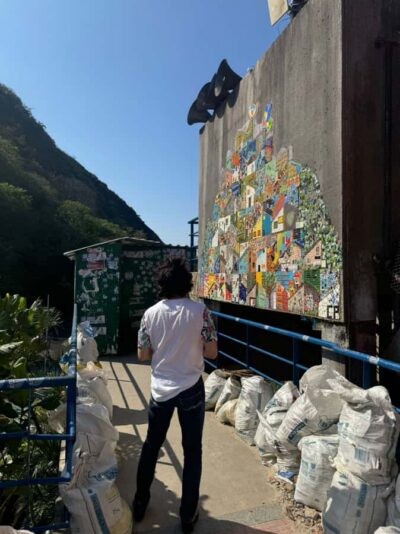
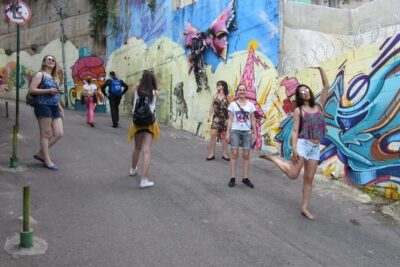
Then there is another stretch with a second photo stop, plus guided time and walking through narrower lanes. A key feature is the art. You are set up to see street art and colorful street scenes, but the guide’s job is to keep you from reducing it to “pretty.” You should expect stories about the community, and how art fits into identity and expression.
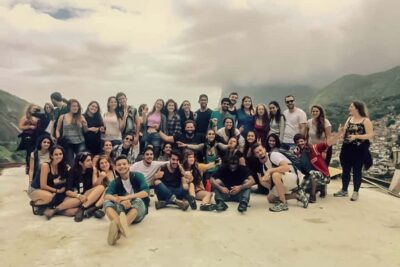
One thing I appreciate is that there are regular pauses for looking and photographing. With a small group, you are not fighting through crowds to get a decent angle. The tour is limited to 10 participants, which helps keep the attention on your guide and your route, instead of everyone getting swallowed by the street.
Dance show and youth connection: culture you can watch, then join
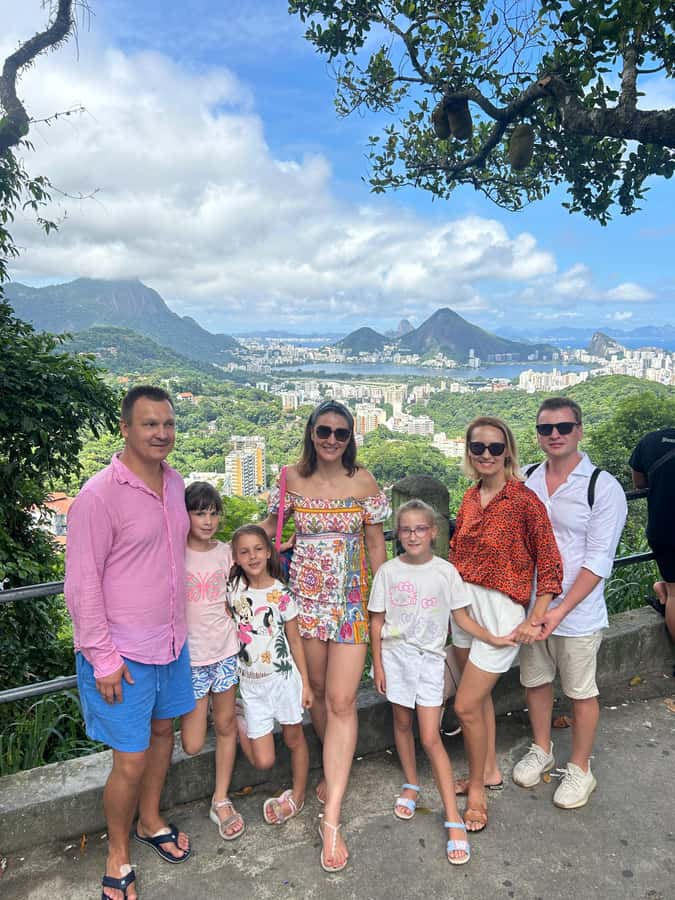
About halfway through, the tour slows into a more performance-based moment. There is time for a dance show, specifically described as a traditional dance show, and it is paired with walking through the neighborhood as part of the same segment (around 40 minutes for this section).
This matters because dance and sport are more than entertainment. They are social glue. In the same spirit, later on the tour includes a friendly time with local youth where you can learn to dance or play football.
If you are curious, try to participate instead of only filming. Even a quick learning moment makes the visit feel human. It also helps you understand why guides emphasize community resilience, not just aesthetics.
In the reviews, people call out the guide’s care and sensitivity and the way the experience feels respectful. That tone tends to come through most strongly when youth and local projects are involved.
More of Rio covered on foot:
- Favela Tour Rio de Janeiro – Vidigal Walking Tour by Russo Guide★ 5.0 · 377 reviews
- Rio de Janeiro Historical Center Walking Tour★ 4.5 · 336 reviews
- Private Walking and Cultural Tour Rocinha-Rio de Janeiro★ 5.0 · 239 reviews
- Rocinha favela walking tour with a local guide★ 5.0 · 193 reviews
- Sunrise and Sunrise Walk Two Brothers with Local Guide★ 5.0 · 193 reviews
Arts and crafts market time, plus local shops that feel like normal life
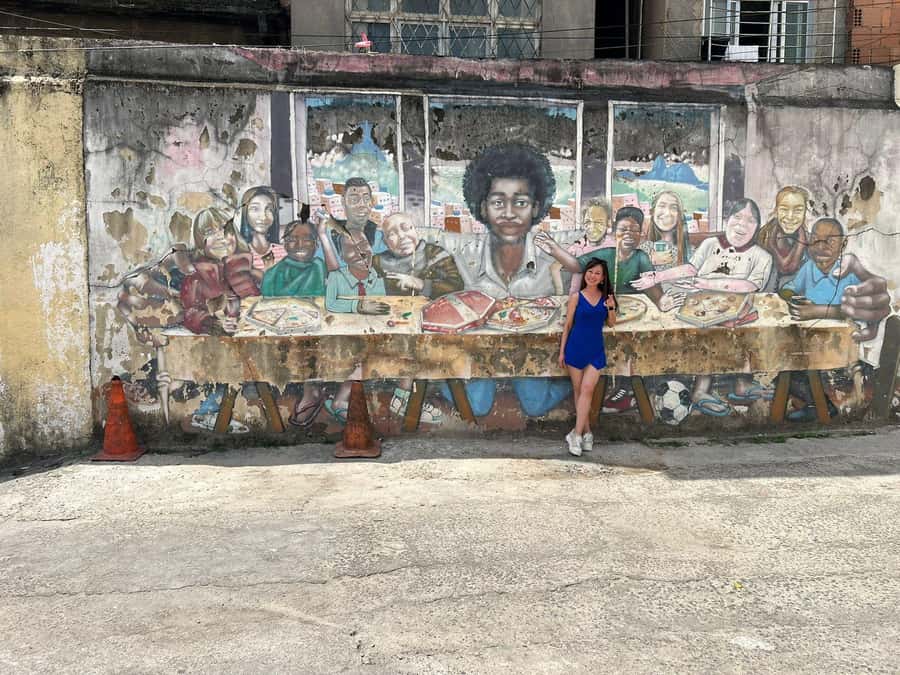
Toward the later part of the walk, you get a visit connected to arts and crafts. There is a market time of about 30 minutes where you can look, browse, and interact. You are also passing by local shops and markets throughout the walk.
What I like about this approach is that it does not treat Rocinha like a museum. You are not only passing murals and viewpoints. You are seeing commerce, community services, and everyday needs.
You should bring a bit of cash for small purchases if you want them. The information says shops and restaurants accept credit cards, which helps, but not every transaction is guaranteed to be card-friendly. If you are buying anything handmade, cash can keep the process simple.
Photography tip: ask the guide before snapping close-ups. The tour is designed to connect you with people, and a quick check helps you stay respectful, especially when you are photographing kids or someone working in their space.
Restrooms, public library, and black coffee: the stops that make it feel real
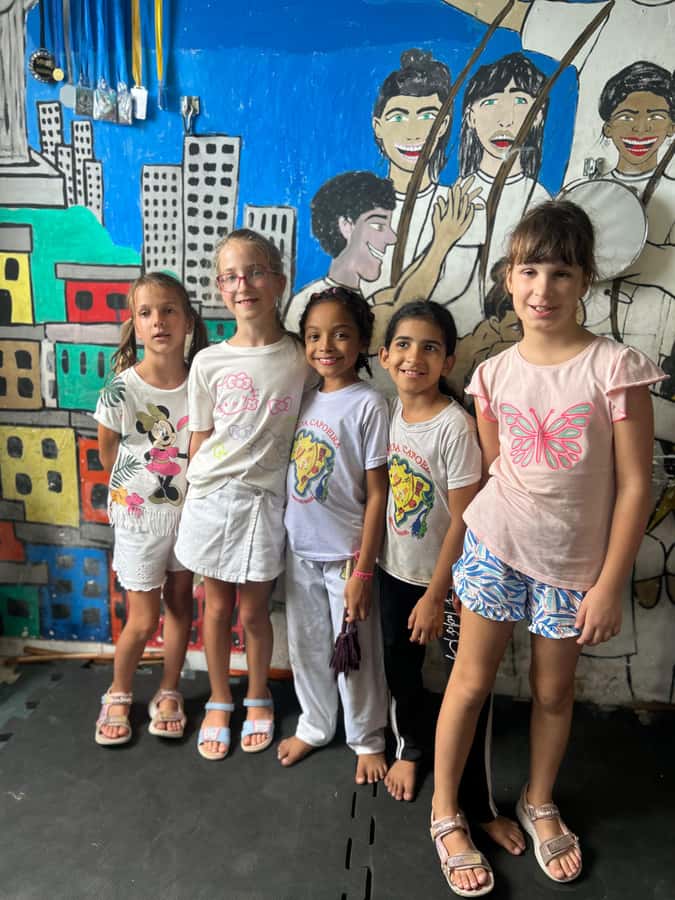
The tour includes access to restrooms along the way, which sounds basic until you are actually out in a dense neighborhood. You will appreciate this when you are juggling a camera, water breaks, and street navigation.
You may also stop at the public library when it is open. That library visit can be a meaningful contrast to the idea of a favela as only hardship. It signals education and community support, and it gives you a place to see how people invest in the future.
Then there is one of the most charming details in the inclusion list: homemade black coffee. In the reviews, coffee appears as a small generosity moment, sometimes offered for free. Even if coffee is not your thing, it helps you understand the tour’s tone. It is not just a checklist. It is connection.
Also, if you have a sweet tooth, expect the guide to offer advice on local food and drinks. Food is not included in the tour price, so consider it as a recommendation moment, not a meal plan.
Social project time and optional home or rooftop visit
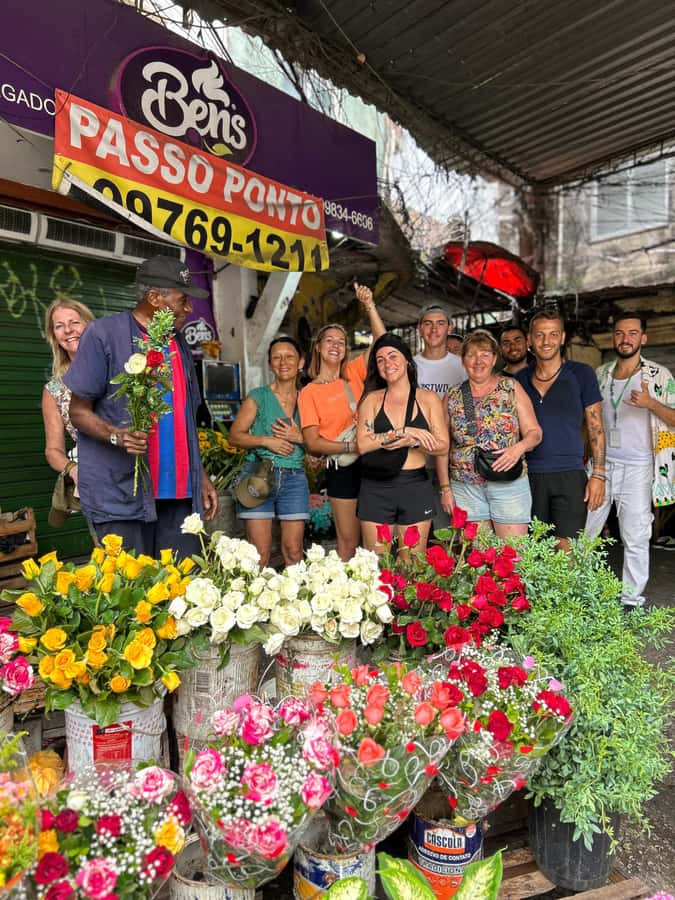
The tour includes a visit to a social project, and it notes that donations are welcome. This is one of those choices that turns your experience from “watching” into “supporting.” If you decide to donate, keep it small and transparent, and follow your guide’s lead.
There is also an optional visit described as a local home or rooftop for R$10 per person. Optional experiences like this can add emotional context, but they also add vulnerability for the people being visited. If you want that kind of access, ask your guide how it works and whether it is appropriate for your group.
If you prefer to keep the visit strictly public, you can likely focus on the planned walking route, shops, art, library (when open), and the social project stop.
Price and value: why $42 can make sense for this route
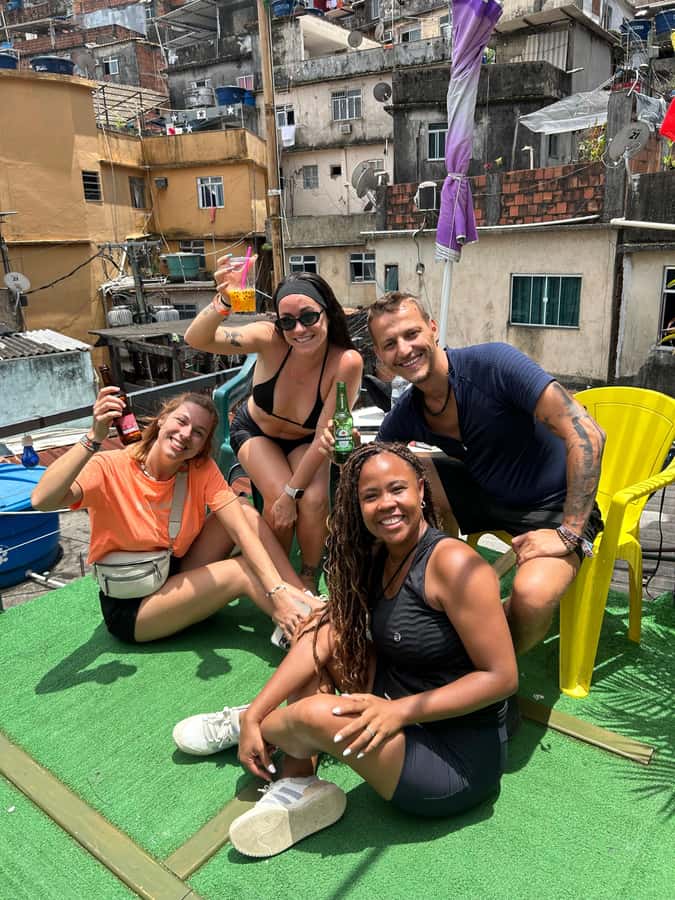
The price is listed as $42 per person, with a duration around 2 hours (and sometimes described as about 2 hours 30 minutes). That price may look high if you are comparing it to a DIY walk, but the value is in what you are buying.
You are paying for:
- A bilingual local guide (English, Portuguese, Spanish) who can interpret the neighborhood
- A route that includes moto-taxi transport, photo stops, and viewpoint access
- Time built in for culturally specific moments like dance and youth connection
- Safety support tools like real-time location tracking by the local guides’ association and the residents’ association
- Small practical inclusions like restroom access and homemade coffee
- A small group format capped at 10 participants
If you are the kind of traveler who wants a reason behind the route, this is worth it. If you want to wander freely without guidance, a DIY approach may feel cheaper but you lose the story context and the structured safety approach.
Who this tour suits best (and who should think twice)
This tour fits best if you want a human-scale experience in Rocinha, with a small group and a guide who can explain what you see. It is also a strong choice if you care about respectful cultural engagement, because the route is built around community life, art, and connection.
It might not be ideal if you:
- Hate steep, uneven walking
- Get motion-sick easily (the moto-taxi ride is part of the plan)
- Want a fully relaxing, low-movement morning or afternoon
- Prefer a strictly sightseeing style with no youth or project interaction
One more note: the tour runs rain or shine. If you hate wet weather on uneven ground, bring a light rain layer you can move in.
Practical tips so you enjoy it more
Bring your camera, and plan to use it in short bursts during photo stops so you do not slow the group too much. Also, wear light, comfortable clothes, and consider a hat or cap. Insect repellent is specifically recommended.
Cash matters. The information says cash for the moto-taxi is R$10 per person, and the tour information also notes shops and restaurants accept credit cards. So plan for a mixed setup: card where you can, cash where you must.
Finally, keep expectations realistic. This is a guided neighborhood walk with transport, art stops, and cultural moments. You are not going to see everything in Rocinha. You are seeing a slice, and the guide’s job is to explain how that slice connects to the whole community.
Should you book A Walk in the Rocinha Favela: Women Leading the Way?
If you want an experience that is more than a quick “look and leave,” book it. The combo of small-group size, bilingual local leadership, and built-in practical support like restroom access and real-time location tracking makes this a strong value for the money.
I would especially recommend it if you like street art, photo viewpoints, and cultural moments you can actually participate in, like the youth dance or football interaction. The guide stories and prepared approach show up in the reviews again and again, including names like Malux, Larissa, Lari, and Gabriela.
Hold off if you are not comfortable with the moto-taxi ride and the reality of walking on steep, tight streets. But if you are game for a short, meaningful neighborhood experience, this is the kind of tour that helps you understand Rocinha as people live it, not as a headline.
FAQ
How long is the Rocinha walking tour?
The duration is listed as 2 hours, and the tour information also notes the walking tour lasts about 2 hours 30 minutes. Plan for a bit of extra time depending on how the stops flow.
Do I need to pay extra for the moto-taxi?
Yes. The transport to the first stop by moto-taxi costs R$10 per person and the information specifically asks you to have cash for that part.
Is food included in the tour price?
No. Food and drinks are not included. The tour does include tips for local food and drinks, and you may have homemade black coffee as part of the experience.
What languages are available for the guide?
The tour guide is available in English, Portuguese, and Spanish.
How big is the group?
The group is small, limited to 10 participants.
Where is the meeting point?
You meet at Av. Niemeyer, 780, with the meeting point described as Exit A of the subway near the Universal Church. Arrive about 15 minutes early.
Recently added around Rio



Guided Favela Tours, compared.

3 Hour Rocinha Favela Walking Tour with a Local Guide
Read our review →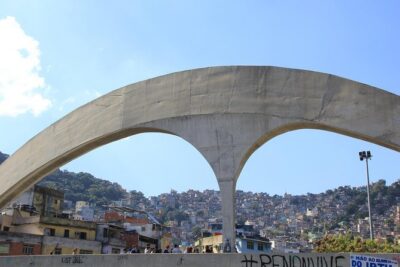
Favela Tour Rio de Janeiro – Vidigal Walking Tour by Russo Guide
Read our review →
More of this kind of Rio day